High Performance Epoxy Insulation Boards Comprehensive Analysis
2026-05-07 16:36:53
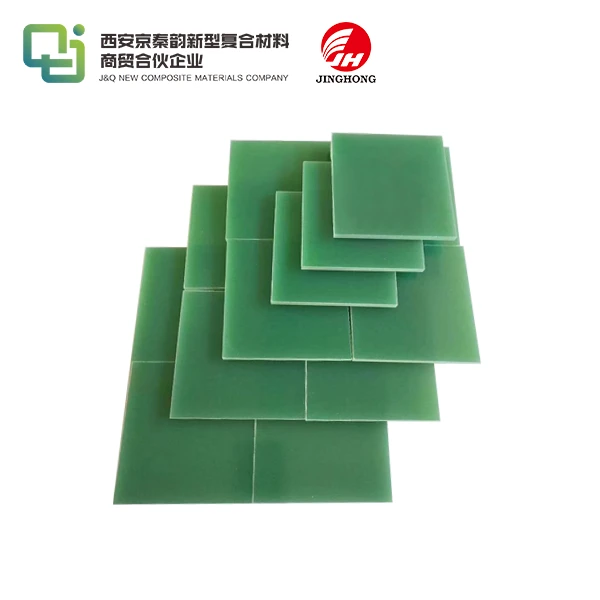
When looking at different types of insulation for tough industrial settings, epoxy insulation boards stand out as designed materials that provide excellent electrical separation, thermal stability, and mechanical strength. These materials make laminates that can withstand harsh working conditions by combining epoxy resin structures with reinforced glass fibres. We've worked with electrical makers, generator companies, and car providers for 20 years, and we've seen firsthand how choosing the right insulation board can affect the safety of equipment, the amount of time it can be used, and the long-term costs of running the business. This in-depth study talks about the important things that buying managers and engineering teams need to think about when choosing these high-performance materials.
Understanding Epoxy Insulation Boards: Properties, Benefits, and Applications
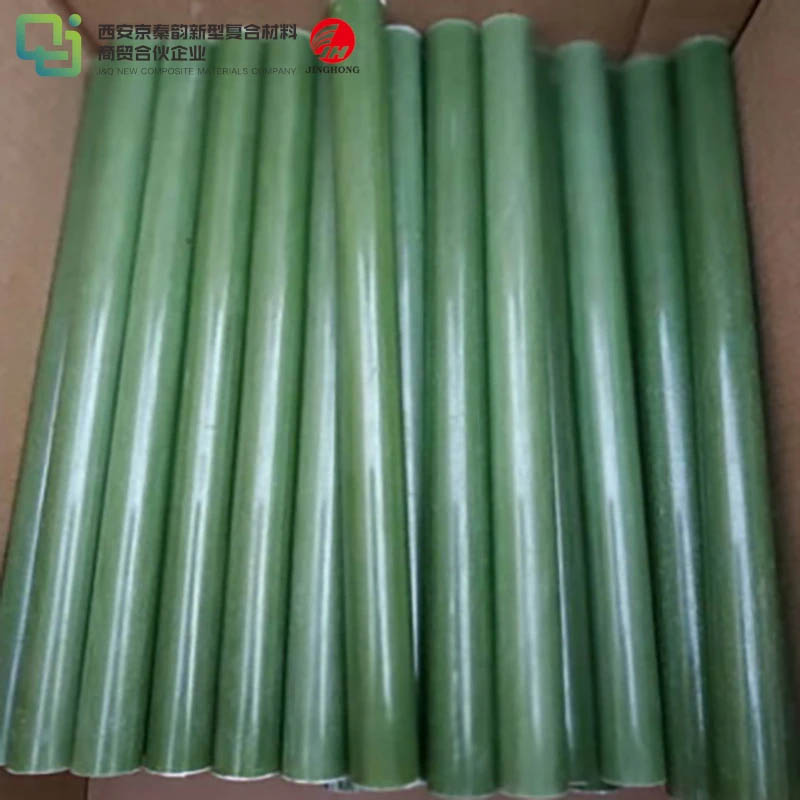
A complex production process is what makes epoxy-based laminates work. First, alkali-free woven glass fabric is mixed with specially made resin systems. Then, the fabric is carefully cured at high temperatures and pressures. This process makes materials that have properties that can be predicted and repeated, which is important for important uses.
Core Material Properties That Define Performance
Epoxy glass laminates have a bending strength of more than 340 MPa perpendicular to the laminates, which means they can hold a lot of weight in structure uses. When tested in oil at 90°C, the dielectric strength is above 14.2 MV/m, which is very important for transformer and switchgear uses where voltage stress is high at insulation surfaces. For 10 mm thick examples, water absorption stays below 0.1%. This keeps the dimensions stable and the electrical qualities constant, even in humid work settings. The density of the material is usually between 1.70 and 1.90 g/cm³, which makes it stronger for its weight compared to clay options.
Charpy testing shows that the material's impact strength is higher than 33 kJ/m², which means it can handle vibrational stress and mechanical shock without breaking. This mix of electrical, thermal, and mechanical properties solves three major problems in the design of electrical equipment: dielectric instability in damp places, mechanical deformation under long-term loads, and thermal endurance in temperature zones B (130°C) and F (155°C).
Manufacturing Methods Ensuring Consistency
The order of production has a direct effect on the quality of the finished product. High-quality glass fibre cloth is fully soaked in epoxy resin mixtures that may have flame-retardant chemicals or phenolic changes added, based on the needs of the application. Before going into press rooms, where heat and pressure make the laminate structure stronger, the layers that have been impregnated are carefully stacked in order. To get full resin cross-linking, which affects the material's temperature stability and chemical protection, the curing factors must be set in a very specific way. After the fix processes, sheets are finished by CNC milling, water-jet cutting, or precision grinding to make sure they are the right size. For 2mm boards, good makers keep thickness errors within ±0.15mm, which is very important when parts are used as measured spacers in electrical circuits.
Real-World Applications Across Industries
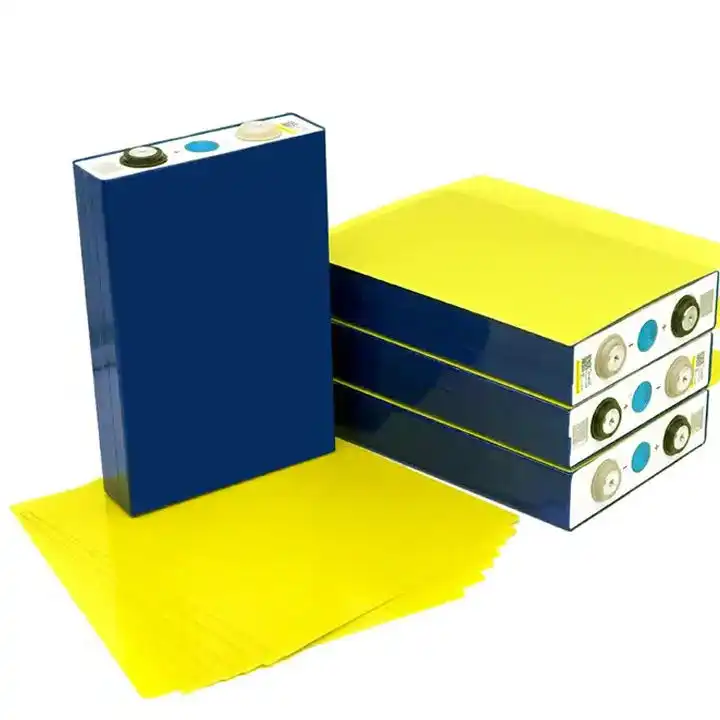
Epoxy laminates are used in high-voltage switchgear systems for phase barriers, arc chutes, and lifting rods. The material has to stay dielectric constant while moving quickly. These boards are used in oil-immersed transformers for spacers, wedges, and tap changer parts that can be submerged in hot insulation oil for a long time without changing size or contaminating the dielectric fluid. Epoxy boards are used in heavy electrical motors and generators as slot wedges, stator insulation, and armature parts. They can withstand rotational forces of more than several hundred G and keep the copper windings from touching the steel cores electrically. Automotive battery management systems are using these materials more and more for heat shields and structural supports, where they need to be resistant to fire and mechanical instability while also being lightweight.
Epoxy Insulation Board vs. Other Insulation Materials: In-Depth Comparison
When making a purchase choice for epoxy insulation board, it's helpful to know how epoxy-based laminates stack up against other shielding materials in terms of performance factors that are important for certain uses.
Performance Benchmarking Against Alternative Materials
Epoxy boards are more stable in terms of size and don't absorb as much water as regular fibreglass composites. However, fibreglass materials may be cheaper in situations where performance isn't very important. Ceramic insulators are very good at resisting heat and chemicals, but they are not as easy to work with or resistant to pressure as epoxy laminates, which makes it hard to shape them into complex shapes. Mica-based materials work well in very hot places (above 200°C), but they are hard to make with very tight thickness standards, and they aren't as strong when they're bent.
Silicone rubber insulators are very flexible and easy to shape, but they are not as hard or strong as epoxy boards when it comes to load-bearing uses. Pure glass epoxy materials that haven't been changed with phenolics have good electrical properties, but they may not join as well between laminate layers when they are put under long-term mechanical stress. Phenolic cotton laminates are cheaper options for lower-voltage uses, but they are not as good at resisting wetness and dielectric strength as glass-reinforced epoxy boards.
Application-Specific Selection Criteria
Which material to use varies on the conditions of the work area. Epoxy glass laminates are usually the best choice for equipment that works in high-voltage settings that are always on above 15 kV because they have a higher insulating strength. The high bending and impact strength of these materials makes them useful for uses that need to handle long-term mechanical loads or vibrating stress. The low moisture uptake and heat stability of epoxy boards keep equipment from losing performance when the temperature changes or when it works in wet circumstances. Epoxy-based materials that don't swell or separate are better when they are exposed to chemicals like oils, solvents, or cleaning agents. Different materials may be better for projects on a budget that don't put a lot of electrical stress on them, but quality epoxy laminates are needed for mission-critical tasks where failure would have terrible results.
Procurement Guide: How to Source High-Quality Epoxy Insulation Boards?
Effective buying strategies include more than just comparing the specs of materials. They also take into account the skills of suppliers, quality assurance methods, and organisational issues that affect the overall cost of ownership.
Evaluating Supplier Qualifications
Suppliers who are qualified show that they have been making things for a long time and have written quality processes. UL recognition shows that materials meet recognised safety standards, while ISO 9001 approval shows that process controls have been set up. Suppliers should give certificates for the materials they sell, such as test results for dielectric strength, bending strength, water absorption, and flame protection. Scalability is an important thing to think about because production capacity matters when needs may grow. In addition to providing products, technical support services like helping with material selection and application engineering add a lot of value.
Understanding Certification and Quality Standards
For epoxy insulation board, materials that meet the basic performance requirements set by GB/T 1303.1-1998 or a similar IEC 60893-3-2 standard are acceptable. The UL94V-0 flame grade shows that materials have the self-extinguishing properties needed for safety-critical uses. Many buying standards now require that materials comply with RoHS rules that limit the release of dangerous chemicals into the environment. Material packages should come with evidence of batch tests. This makes it possible to track the materials and ensures quality. Protocols for visual inspection should make sure that surfaces don't have any carbonisation, bubbles, or deep scratches that could cause partial discharge.
Pricing Dynamics and Order Considerations
Material prices are based on the cost of raw materials, how hard the production process is, and the number of orders. Depending on the grade and width of the material, the minimum order quantity is usually between 50 and 200 kilograms. Bulk sales usually get better prices and make sure that the material is the same from one production run to the next. Prices and wait times may change if you choose customisation choices like non-standard sizes, CNC cutting services, or special material formulas. For regular materials, standard wait times are two to four weeks. For special setups, they may take six to eight weeks. Working with providers that offer combined transportation can speed up delivery and make the supply chain less complicated.
Technical Guidance: Choosing the Right Epoxy Insulation Board for Your Application
To choose the best material, you need to make sure that the properties of the board match the needs of the application by systematically evaluating performance factors.
Thickness Selection and Thermal Considerations
Both electrical protection and heat discharge are directly affected by the thickness of the board. Thinner boards (less than 3 mm) are good for lower voltage uses because they insulate well and make it easier for heat to move through small circuits. Thicknesses in the middle, between 5 mm and 10 mm, are good for general-purpose uses because they balance electrical insulation with mechanical strength. Thicknesses greater than 15 mm may be needed for heavy-duty uses that involve high voltage stress or large mechanical loads. Thermal conductivity is usually between 0.3 and 0.5 W/m·K, which changes how power electronics parts are heated up and cooled down. To make sure that the cooling works well, designers must figure out the thermal resistance based on the real thickness.
Dimensional Standards and Customization Options
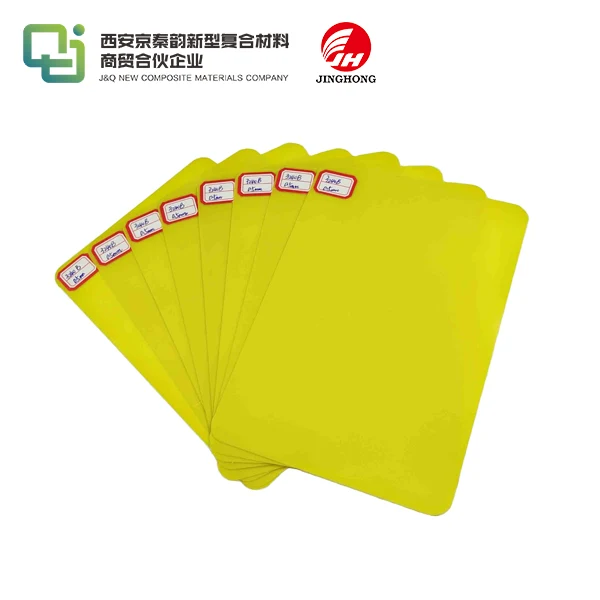
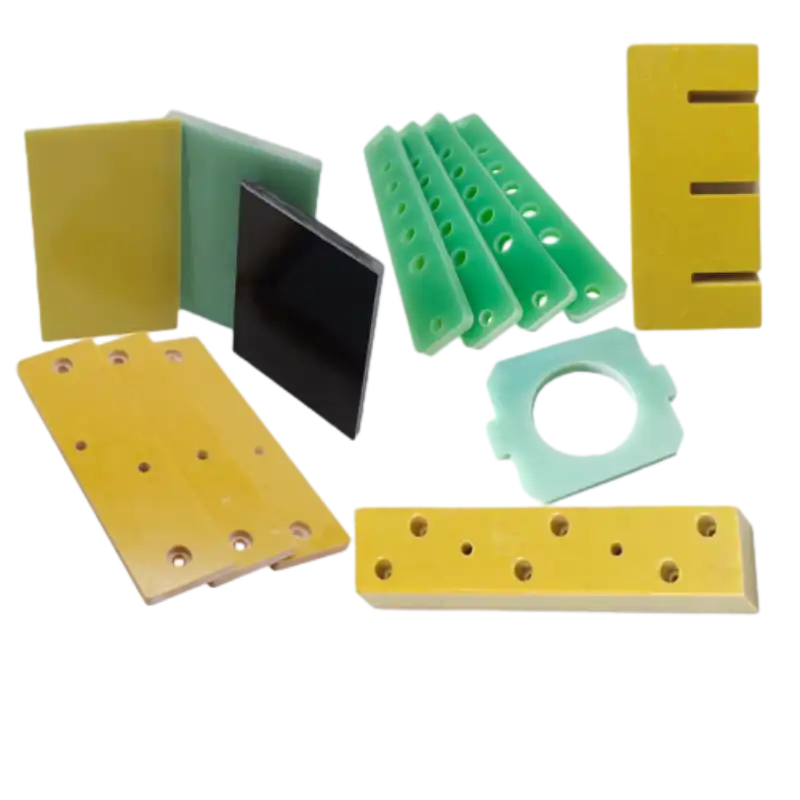
Standards for sheet widths usually come in 1000mm ×2000mm forms, but providers can offer other sizes to fit unique manufacturing needs. When boards are used as precise spacers or fixing plates that need to fit perfectly, tolerance specs become very important. CNC cutting lets you make complicated forms with holes, slots, and curved surfaces that fit the needs of the assembly. For forms where grinding might cause tiny cracks, water-jet cutting gives you smooth lines without the heat stress. Custom material formulations can meet specific needs, like changing the temperature qualities or making the material more resistant to chemicals.
Durability Assessment for Operating Environments
Material resistance to practical pressures is important for long-term dependability. When there is moving contact or rough situations, mechanical wear protection is important. Moisture entry tests should make sure that materials keep their electrical properties even when they are exposed to high humidity for a long time. Chemical compatibility testing makes sure that the equipment won't break down when it comes in contact with oils, coolants, or cleaning agents. Thermal cycle checks how stable the dimensions are and how well the material doesn't tear when the temperature changes over and over again. Arc resistance testing proves that materials can handle electrical discharge events that cause tracking and damage.
Conclusion
Engineered solutions like high-performance epoxy insulation board meet important needs in electrical equipment, industrial tools, power infrastructure, car systems, and home products. Because they are electrically isolated, stable at high temperatures, strong mechanically, and resistant to chemicals, they are essential in situations where a component failing would have major effects. For purchase to go well, you need to know the qualities of the materials you're buying, compare options in a structured way, carefully evaluate sellers, and choose specs that meet the needs of the application. Because we've been providing these materials to a wide range of industries, we've seen that making decisions based on thorough technical analysis always leads to better machine stability and operating efficiency.
FAQ
How do resin boards compare to fibreglass ones when it comes to fire resistance?
UL94V-0-rated epoxy glass laminates have self-extinguishing properties within certain times, which is similar to quality fibreglass composites. The flame retardance is based on the makeup of the resin, not the type of fibre support. When made right, resin boards don't catch fire and don't let flames spread, so they can be used in safety-critical situations. The certificates for the materials should show that they meet the fire safety standards for your business.
For special sales, how long should buying teams allow for the wait time?
Standard types of material in common widths usually ship two to four weeks after the order is confirmed. Custom recipes or sizes that aren't standard take more time to make, which brings lead times up to six to eight weeks. Depending on how complicated they are, CNC cutting and manufacturing services can take an extra one to two weeks. When production schedules allow, rush orders may be filled at a higher cost. Setting up blanket orders with planned drops helps keep track of supplies and makes sure that materials are always available.
Can epoxy insulation boards be used for high-voltage tasks above 15 kV?
When the right design steps are taken, premium epoxy glass laminates with a dielectric strength of more than 14.2 MV/m can be used in high-voltage situations. To figure out the thickness, you need to use the highest working power and the right safety factors. Finishing the edges and treating the surface stop tracking and the start of partial discharge. Certification of the material should prove that it has been tested for power levels that are higher than what is needed for the purpose. Talking to suppliers about specific voltage loads is the best way to make sure you choose the right material.
Partner With J&Q for Your Epoxy Insulation Board Requirements
Every epoxy insulation board project that J&Q works on is backed by more than 20 years of experience making things and more than 10 years of overseas trade experience. Because we have built relationships with top selling companies and our transportation operations are all unified, we can provide complete solutions from specifying the materials to delivering them. As an experienced company that makes epoxy insulation boards, we follow strict quality control procedures for every production batch. These include testing the voltage across the vertical layers, checking the stability of the laminations across the cross-sections, and making sure the dimensions are within the acceptable range. Our technical team works closely with engineering managers and purchasing specialists to make sure that the qualities of the materials we use are exactly what the job calls for. This is true whether you need FR4 sheets to support a PCB, 3240 boards for generator parts, or custom-machined parts for specialised equipment. We know how important insulation materials are for your goods and promise to always give you quality that meets UL, RoHS, and ISO standards. Email our team at info@jhd-material.com to talk about the details of your project, get technical data sheets, or get full quotes. We offer sample materials for testing to make sure they work, and our wait times are cheap enough to meet the needs of both small trial orders and large production runs.
References
Institute of Electrical and Electronics Engineers. (2019). IEEE Standard for Epoxy-Resin-Based Laminates for Electrical Insulation. IEEE Std 1202-2019.
International Electrotechnical Commission. (2021). Specifications for Industrial Rigid Laminated Sheets Based on Thermosetting Resins for Electrical Purposes. IEC 60893-3-2:2021.
Underwriters Laboratories. (2020). Standard for Tests for Flammability of Plastic Materials for Parts in Devices and Appliances. UL 94.
Materials Research Society. (2022). Advanced Composite Insulators for High-Voltage Applications: Properties and Performance. MRS Bulletin, 47(3), 245-256.
National Electrical Manufacturers Association. (2023). Industrial Laminated Thermosetting Products Standards. NEMA LI 1-2023.
Society of Plastics Engineers. (2021). Epoxy Resins and Glass Fiber Composites: Manufacturing Processes and Quality Control Methods. SPE Technical Papers, Vol. 67.