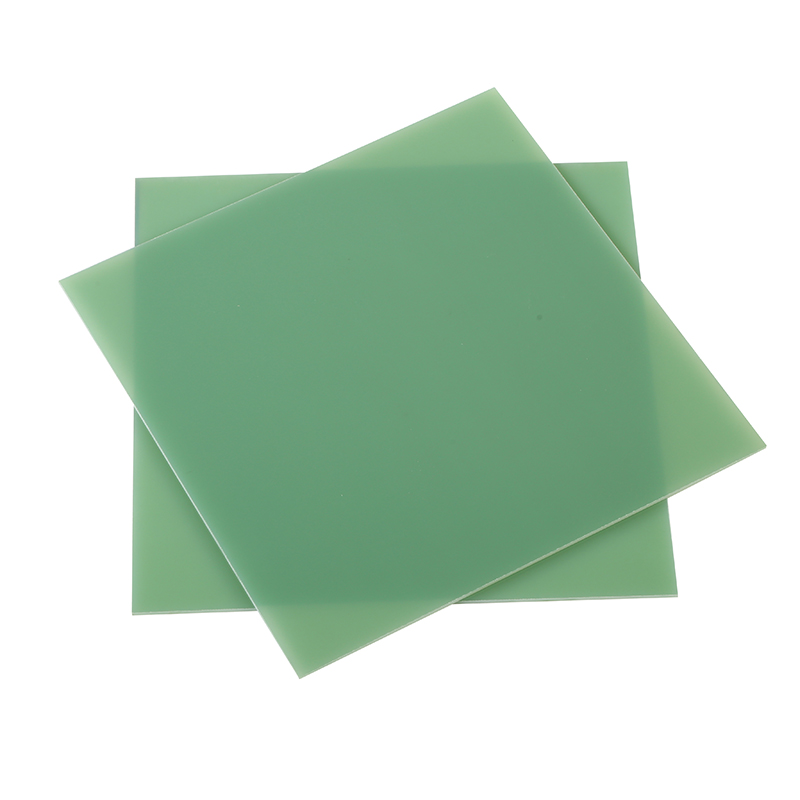
High Strength G10 Fiberglass Sheet for Industrial Use
2026-05-20 16:55:18
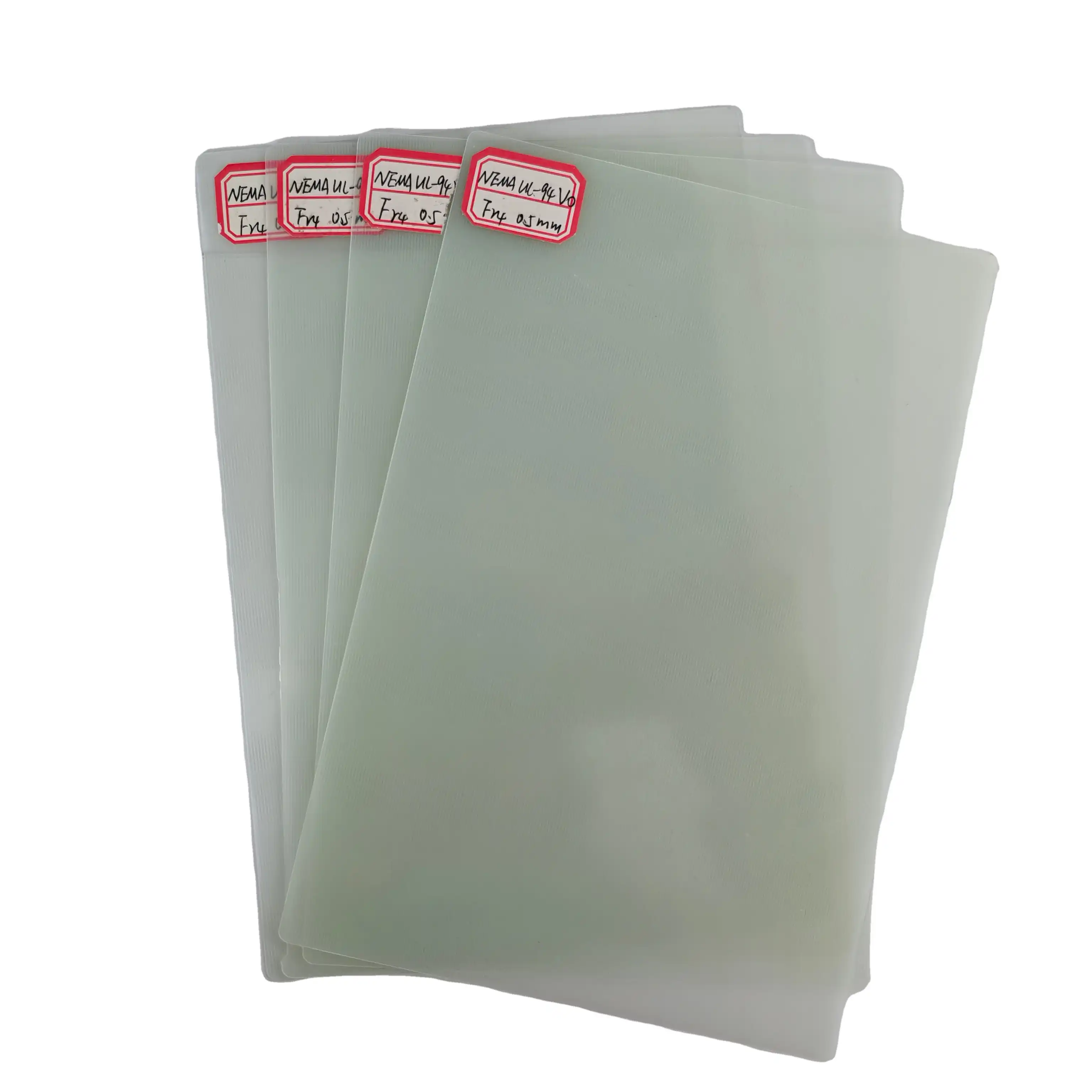
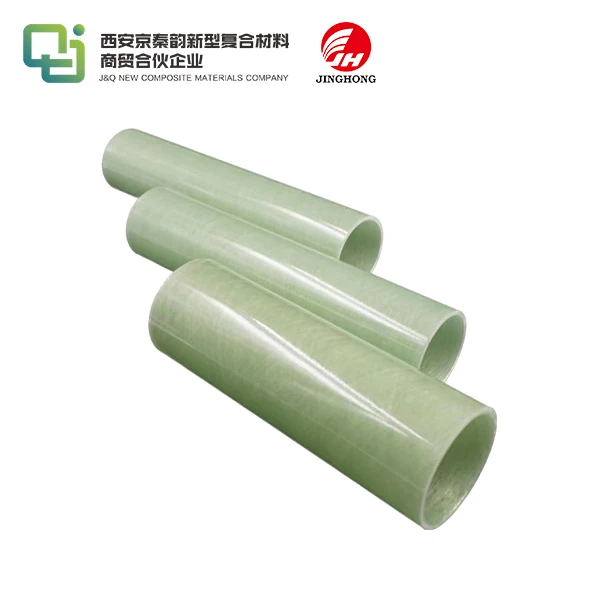
G10 fiberglass sheet is always the first choice for industry makers looking for strong insulation materials that protect against electricity and last a long time. The woven glass cloth and epoxy glue in this composite laminate are cured under extreme heat and pressure to make a material that meets NEMA G10 standards. Because it has the best insulation qualities, structural integrity, and thermal stability, it is used in the production of electronics, power distribution systems, car parts, and industrial machinery where performance under stress can't be compromised.
Understanding G10 Fiberglass Sheet and Its Industrial Significance
What Are G10 Fiberglass Sheets?
Fiberglass-epoxy laminates are a specific type of industrial composite, and G10 fiberglass sheet is one of the most useful materials in this group. To make these sheets, we put layers of knitted fiberglass cloth on top of a specially made epoxy cement and then apply controlled heat and pressure to the whole thing. Through this process, a dense, uniform structure is made that is very consistent across all thickness dimensions.
The finished product solves some of the most important problems that engineering managers face every day, like keeping the same size during changes in temperature, making sure that the insulator stays reliable in damp conditions, and making sure that the material can handle long-term loads. Knowing these basic facts will help you choose the right material whether you're making PCB supports, motor brackets, or structural insulation parts.
How Is G10 Made?
The first step in making something is making prepreg, which is glass cloth that has been saturated with epoxy glue and hardeners. Carefully stacked layers are stacked to get the right thickness, and then they are put into hydraulic presses. When the pressure goes above 1000 psi and the temperature goes up to 150–170°C, the epoxy hardens into a solid composite material. This controlled environment makes sure that the resin is spread evenly throughout the glass support, filling any gaps that might affect the performance of the electrical or mechanical parts. Quality makers keep tight controls on their processes by keeping an eye on temperature curves and pressure profiles. This makes sure that each batch is the same, which is what buying teams depend on for stable production.
Why You Choose G10 Fiberglass Sheets
Glass-epoxy laminates are chosen by industrial buyers when multiple performance qualities are needed at the same time. The mixture of epoxy and glass has a tensile strength of over 310 MPa, which means it can be used for structure parts that are under mechanical stress. It has a dielectric strength of at least 20 kV/mm, which makes it a good choice for electrical insulation in switchgear systems and generator parts.
This material has benefits that go beyond its efficiency numbers and have an effect on your bottom line. CNC cutting makes it possible to make complicated shapes precisely without having to worry about delamination. The material's shape stays the same at temperatures ranging from -50°C to 130°C, which is important for automated building processes. Following the rules for UL94 V-0 flame ratings and RoHS limits makes the paperwork for regulators easier, which speeds up the approval process for products.
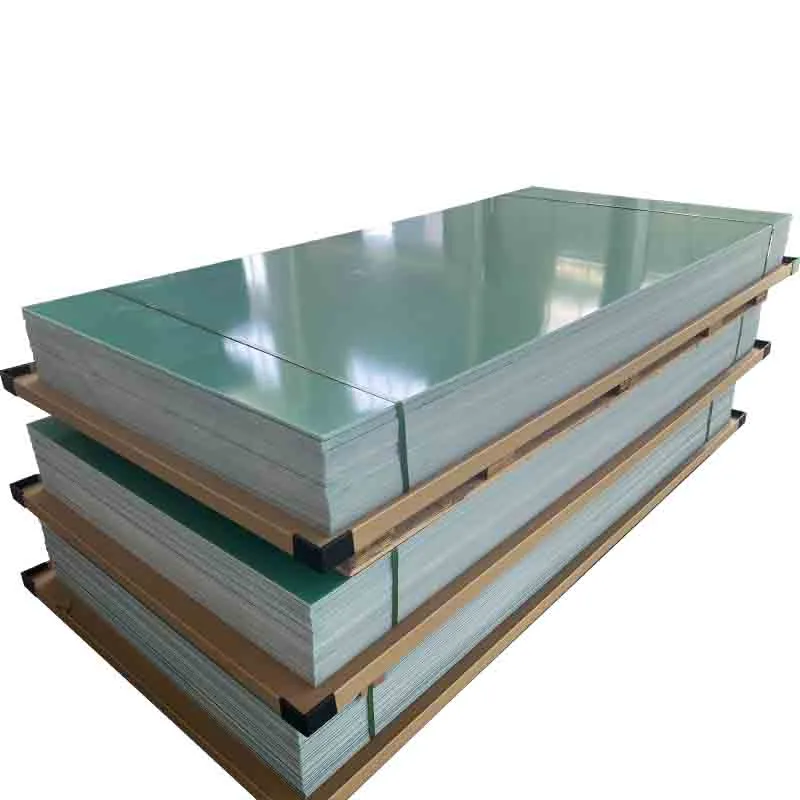
Comparative Analysis: G10 Fiberglass Sheet vs Alternatives
G10 vs FR4: Understanding the Differences
The two products are both made of glass-epoxy, but they are used for different industrial tasks. FR4 is the most common material used to make printed circuit boards because it has the best mix of electrical qualities and cost-effectiveness at thinner sizes. G10 fiberglass sheet, on the other hand, works better when mechanical strength is very important, like in structure supports or high-load bearings. Because it is made with tighter precision and a denser laminate structure, it has about 15-20% higher flexural strength than normal FR4 types.
The way these materials handle heat is another thing that sets them apart. FR4 stays stable up to about 130°C of continuous operation, while G10 fiberglass sheet can handle slightly lower temperatures (around 120°C of continuous operation) but is more resistant to impacts. When choosing between these choices, procurement managers should think about whether the application values electrical properties and cost (which favors FR4) or industrial strength and precision machining (which favors G10 fiberglass sheet).
Performance Benchmarks Against Phenolic and Alternative Composites
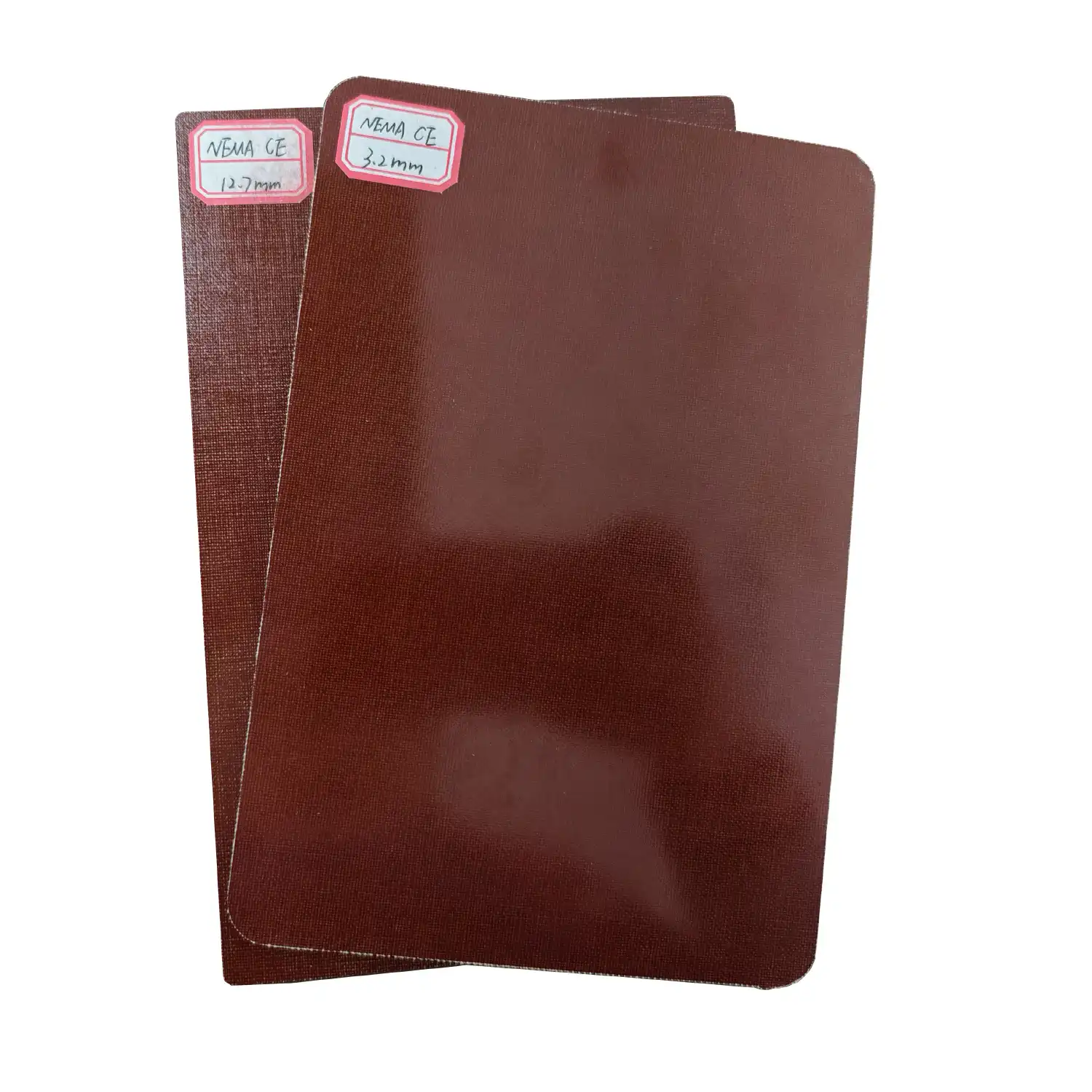
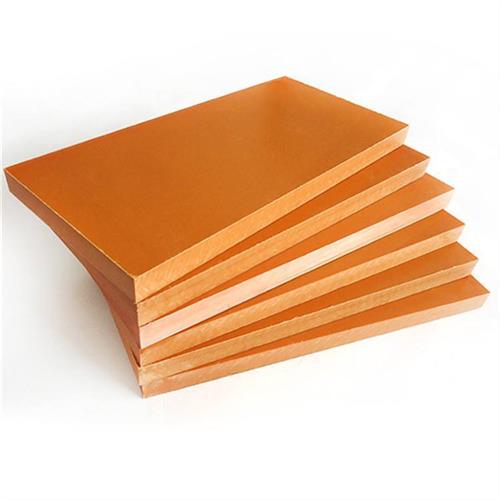
Phenolic laminates, such as canvas- or paper-based grades, are cheaper, but they are less resistant to water and don't stay the same size over time. Phenolic materials soak up water, which causes them to bend and lose their ability to resist insulation in damp places like coastal factories or outdoor uses. Even when the relative humidity is 95%, the qualities of glass-epoxy laminates stay the same.
Carbon fiber composites have great strength-to-weight ratios, but the materials are much more expensive—often three to four times as much as glass-epoxy options. If you use G11 grades instead of higher-temperature epoxy formulations, the constant working temperatures go up to about 170°C, but the cost of the materials goes up by 30–40%. This cost-performance analysis helps with buying decisions: normal glass-epoxy laminates are the best value when used in temperatures that are within their thermal envelope, while custom grades meet specific needs that support higher prices.
Can G10 Be Used in High Temperature Environments?
When choosing materials, temperature limits need to be carefully thought through. When these composites get above 140°C, standard epoxy formulations start to soften, and their mechanical qualities and physical stability start to slowly decrease. For uses that require constant exposure to temperatures above this limit, like placing near high-power resistors or inside motor housings that make a lot of heat, higher-temperature options like G11 or special ceramic-filled grades should be considered.
But in many industrial settings, temperature spikes happen only sometimes instead of being exposed to high heat for a long time. The material's high tolerance to thermal shock and low thermal conductivity usually work well enough in these situations. During wave soldering, components may come into short touch with high temperatures or be close to heated parts for a short time, but this won't affect their long-term reliability. When deciding if a material is right, engineering managers should look at its real thermal profiles instead of its worst-case temperature rates.
How to Procure High-Quality G10 Fiberglass Sheets for Your Industrial Needs
Evaluating Supplier Credentials and Quality Certifications
Thoroughly evaluating suppliers is the first step in effective buying. Quality makers keep their ISO 9001 certification, which shows that they handle quality in a planned way, and their ISO 14001 certification, which shows that they care about the environment and is important for reporting on supply chain sustainability. Ask for proof that the material meets the requirements set by NEMA G10. This could include test results for dielectric strength, bending strength, and water absorption.
In addition to certifications, you should look into how the manufacturing skills affect your output needs. Suppliers who run their own mixing facilities have more control over the glue formulations than those who buy prepreg that has already been made. In-house testing labs with environmental chambers, high-voltage breakdown testers, and general testing tools allow for quick quality checks, cutting down on wait times when questions about specifications come up.
Minimum Order Quantities and Customization Options
When buying from other businesses, you usually have to weigh the costs of goods against the benefits of unit price. A lot of wholesalers have minimum order sizes that range from 50 to 200 kilograms, based on the size and thickness. When buyers negotiate yearly contracts, they can often get price cuts of 10 to 15 percent compared to buying on the spot, as well as sure allocation during shortages of materials.
The ability to customize has a big effect on how efficiently products are made. When suppliers give precision cutting services based on your needs, they get rid of the need for later grinding, which saves time, money, and materials. Some makers do CNC routing, drilling, and embossing right on sheet stock, sending out G10 fiberglass sheet parts that are ready to be put together. Custom processing adds wait time, usually 7–14 days on top of standard sheet delivery, but the streamlined workflow often speeds up production plans overall.
OEM Partnerships and Global Logistics Considerations
Having established ties with OEMs has benefits that go beyond just getting better prices. Preferred sellers work with designers to make suggestions on how to improve thickness or find better ways to process materials so that they are easier to make. They keep a buffer stock of your most-ordered specs, which lets you get them quickly when production plans get spressed for some reason.
International purchasing makes transportation more difficult and needs partners with a lot of experience. Reliable providers handle freight handling, customs paperwork, and checking that regulations are followed, which makes sure that delivery across countries goes smoothly. Companies that have their own specialized logistics departments instead of hiring third-party freight agents can see where their shipments are at all times and quickly fix any problems that arise during transit. Check with potential foreign providers to make sure they have experience working with your market and can provide ongoing technical help across time zones.
Why Choose Our High Strength G10 Fiberglass Sheets?
Commitment to Quality Through Advanced Manufacturing
Over the past twenty years, J&Q has improved the way glass-epoxy laminates are made by continuously investing in process technologies that give us real performance benefits. Our factory uses precisely controlled hydraulic presses that keep the temperature even across the whole pressing surface, within ±2°C. This makes sure that the G10 fiberglass sheet cures evenly and doesn't have any weak spots.
Before production starts, glass fabric specs are checked carefully by arriving materials. We check sample lots for thread count, cloth weight, and weave consistency, and batches that don't meet standards, even slightly, are thrown out. This focus on the quality of the raw materials directly affects the dependability of the finished product, lowering the risk of failures in the field and guarantee claims that hurt the brand's image.
Comprehensive Testing and Performance Validation
Every production batch undergoes systematic testing confirming compliance with NEMA standards and customer specifications. Our quality lab tests dielectric strength at voltages 25% higher than the minimum standards. They also measure flexural strength across multiple specimen positions and do accelerated aging studies that mimic years of exposure to the environment. Every package comes with a test certificate, which is proof that the goods were inspected and approved by your quality assurance teams.
In addition to standard compliance testing, we work with clients who are making unique applications to do custom performance validation. Our technical team works with your engineering staff to make application-specific data that helps design choices. This includes looking at machining features for high-speed CNC operations and long-term creep behavior under sustained mechanical loads.
Exceptional Customer Support and Global Reach
Our commitment goes far beyond just delivering the goods. Technical experts with real-world manufacturing knowledge help you choose the best thickness and grade for your needs by giving you application advice. We have a large collection of items in common sizes, so we can ship them the same day for pressing needs and give you a choice of wait times for special orders.
We've been serving global markets for more than ten years, so we've created combined logistics skills that help our international customers. Our in-house shipping department organizes transportation, handles export paperwork, and lets you see where your packages are at all times while they're in transit. This unified method gets rid of the planning problems that come up when you work with several middle-men, which speeds up delivery times and makes it easier to talk when questions come up.
Conclusion
G10 fiberglass sheet products that meet NEMA G10 standards have been shown to work well in a wide range of industrial settings that need both electrical protection and mechanical strength. By knowing the properties of the materials, comparing them in a planned way, and working with experienced suppliers, you can make sure that the choices you make about buying support reliable production and are cost-effective. Whether you're making electrical switchgear, precision mechanical parts, or thermal management systems, choosing the right G10 fiberglass sheet composite types based on working needs will help you get the best performance out of your products while keeping costs down.
FAQ
What Ranges of Thickness Are Available?
Standard production runs usually cover thicknesses from 0.5 mm to 50 mm, and most makers keep popular sizes like 1.0 mm, 1.5 mm, 3.0 mm, and 6.0 mm in stock. By special order, thicker sections up to 100 mm can be made, but wait times and minimum order amounts get longer for non-standard sizes.
How Do I Verify Supplier Quality?
Ask for test results on the material that show measures of its dielectric strength, flexural properties, and water absorption that were done according to ASTM D229 and IPC-4101 standards. Reliable providers don't hesitate to give out certificates of compliance and keep their accredited lab testing skills up to date. Before agreeing to large numbers, you might want to order sample amounts to test for yourself.
Are Custom Sizes Available?
Most wholesalers can cut to your exact measurements, and for straight cuts, the lead time is usually very short. If the shape is complicated and needs CNC routing or precise cutting, delivery may be delayed by one to two weeks, based on how complicated the shape is and how long the lines are at the machine centers.
Partner with J&Q for Your G10 Fiberglass Sheet Requirements
J&Q blends high-quality production with full service to help you succeed in your procurement. As a seller of G10 fiberglass sheet that has been making high-quality insulation materials for more than twenty years, we know what industrial makers need in terms of technical requirements and delivery times. Our vertically linked processes, which include making the resin and checking its quality at the end, make sure that the material performs the same way every time.
Contact our technical team at info@jhd-material.com to talk about the needs of your unique application, get examples of our materials, or get full quotes for your project. We look forward to the chance to show you how our knowledge, low prices, and reliable global operations can make your supply chain stronger. Let us show you why top companies in the automobile, electrical, and industrial equipment industries choose J&Q as their go-to source for G10 fiberglass sheet.
References
National Electrical Manufacturers Association. "Industrial Laminating Thermosetting Products: NEMA Standards Publication LI 1-2020." National Electrical Manufacturers Association, 2020.
Harper, Charles A. "Handbook of Plastics, Elastomers, and Composites." McGraw-Hill Professional, 5th Edition, 2002.
Lubin, George. "Handbook of Composite Materials." Van Nostrand Reinhold Company, 1982.
Grayson, Martin, and David Eckroth. "Kirk-Othmer Encyclopedia of Chemical Technology: Laminated and Reinforced Plastics." John Wiley & Sons, 3rd Edition, 1981.
Schwartz, Mel M. "Composite Materials Handbook." McGraw-Hill Handbooks, 2nd Edition, 1992.
IPC Association Connecting Electronics Industries. "Specification for Base Materials for Rigid and Multilayer Printed Boards: IPC-4101D." IPC, 2019.