How to Choose the Right Heat Insulation for Your Project: A Step-by-Step Guide
2026-04-20 16:54:22
To pick the right heat insulation for your project, you must first know what you need it for and then match those needs to the right material qualities. When choosing the right insulation sheet, you need to look at its thermal ratings, dielectric strength, mechanical qualities, and compliance certifications. This is true whether you need electrical separation for switchgear, thermal barriers for transformers, or structural support for industrial machinery. This guide shows you a methodical way to find materials like FR4, phenolic laminates, and epoxy boards that meet your technical needs, your budget, and your goals for long-term performance.
Understanding Heat Insulation and Its Core Benefits
What Heat Insulation Actually Does in Industrial Applications?
In factory settings, heat insulation does more than just keep things at a comfortable temperature. It stops unwanted heat transfer and provides electrical separation in equipment that has to work in tough conditions at the same time. If we talk about industrial heat insulation, we're talking about materials that are made to be exposed to high temperatures over and over again while still keeping their shape and insulating qualities. In places like power distribution systems, motor assemblies, and electronic control panels, where temperature management has a direct effect on machine life and safety, these materials work as barriers to keep things safe.
How well the insulation sheet works depends on how well it can stop heat from escaping and stay stable mechanically. When exposed to heat for a long time, materials rated for Class E (120°C), Class F (155°C), or higher temperatures keep their basic traits. This temperature stability stops the material from twisting, delaminating, and breaking, all of which would hurt the insulation's effectiveness and the structure's ability to hold things together.
Common Materials in B2B Heat Insulation
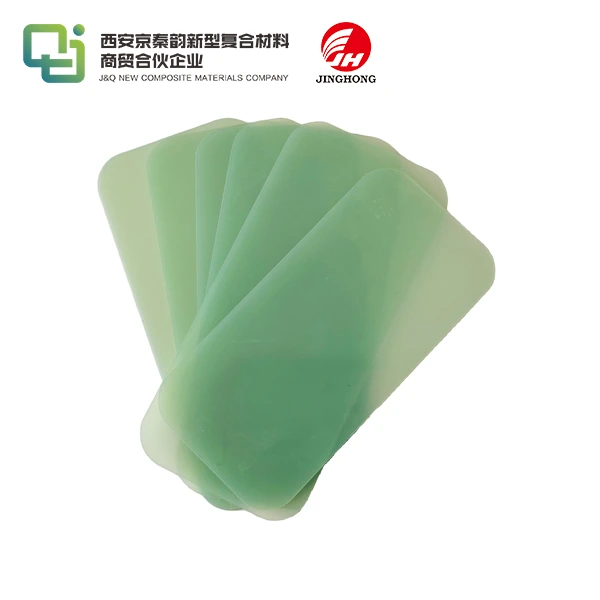
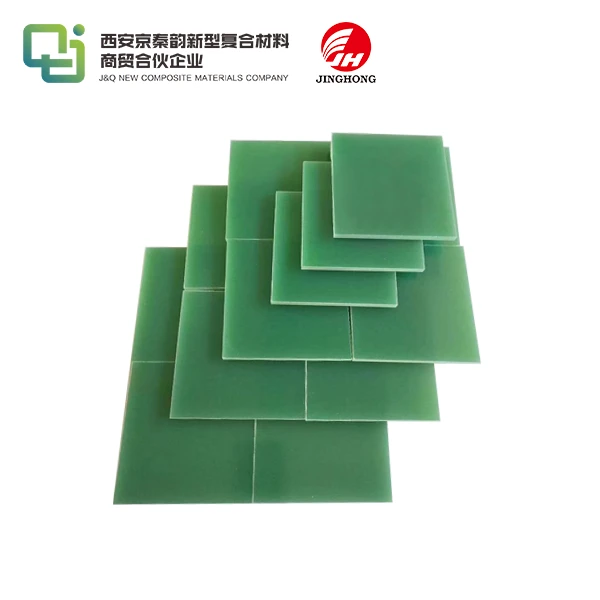
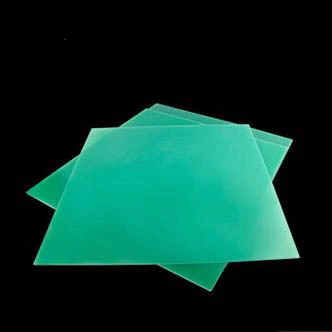
When looking for thermal insulation parts, industrial buyers usually come across a few main groups of materials. Because they are so strong and don't melt in hot weather, FR4 epoxy glass cloth laminates are essential for PCB circuits and circuitry. These materials keep their vertical dielectric strength above 14.2 MV/m in oil at high temperatures, which makes sure they work well in transformers.
Phenolic paper laminates, which are often called Bakelite sheets, are cheap heat shields that are easy to cut. These materials are great for oil-immersed electrical parts and structure insulation where extreme dielectric strength isn't the main worry. They have a density of about 1.45 g/cm³ and an insulation grade of Class E. Because they don't react with mineral oils or acids, they can be left in harsh chemical conditions for a long time.
Epoxy laminates are the best because they have a bending strength of more than 340 MPa and better physical stability. These materials are great for situations that need to be able to hold weight and keep electricity from flowing because they are both mechanically strong and resistant to heat. Their low water absorption rates—often less than 0.5%—make sure that they work well even when the air is wet.
Key Benefits That Matter to Engineering Managers
Thermal control materials offer measurable practical benefits that have a direct effect on the total cost of ownership. Less heat loss and better temperature control inside electrical covers and motor housings lead to higher energy economy. When parts stay at their best working temperatures, equipment works more efficiently and needs less cooling, which means lower maintenance costs over the lifecycle of the product.
In many workplace settings, fire protection is an absolute must for safety reasons. When you take away the cause of the fire, materials that meet UL94 V-0 flame ratings put out the fire themselves within seconds. This keeps the fire from spreading in electrical cabinets and control panels. This flame resistance shields not only the tools in the immediate area, but also the people and buildings nearby.
In medium-voltage electronics, dielectric integrity stops electrical leaks and arc tracking. Materials with a high insulation resistance—usually more than 100 MΩ under normal conditions—keep phases and grounded parts electrically separate. This electrical stability lowers the number of failures and increases the time between maintenance checks. This is especially helpful in important infrastructure settings where unplanned downtime costs a lot.
Mechanical longevity under thermal cycle for insulation sheet makes sure that parts keep their shape even after being heated and cooled many times. Materials with low coefficients of thermal expansion keep precision structures within tight tolerances. This keeps fasteners from coming loose or mating surfaces from becoming out of line over long periods of time.
Critical Factors to Consider When Choosing Heat Insulation
Matching Temperature Ratings to Your Operating Environment
The temperature rating tells you if a material will work reliably for as long as it's supposed to. Class E materials that can work continuously at 120°C are good for uses that will be exposed to mild temperatures, like motor brackets for home appliances and general-purpose electrical covers. Class F materials that work steadily at 155°C are used in harsher conditions, like industrial motor windings and power distribution equipment that has to handle steady electrical loads.
The operating temperature is only one part of figuring out how well an insulation sheet works thermally. Peak transient temperatures that happen during startup, fault situations, or extremes in the surroundings may be much higher than the constant rates. During these temperature changes, materials must keep their mechanical and electrical strengths without permanently breaking down. Epoxy laminates usually have better thermal shock protection than phenolic options, so they can handle sudden changes in temperature without losing their structural integrity.
The way heat moves through systems is affected by their thermal conductivity. Lower thermal conductivity makes shielding better, but it may trap heat near parts that need to be cooled. For uses with heat-generating parts, like transformers or power equipment, materials that balance insulation qualities with enough thermal movement to avoid hot spots are best.
Electrical Properties That Prevent Costly Failures
Dielectric strength, which is measured in kV/mm, shows how resistant a material is to electrical breakdown when voltage stress is applied. For use in transformers and switches, the performance measure that matters is the vertical dielectric strength in oil. For medium-voltage systems, materials that can handle 10–12 kV/mm for phenolic laminates or 14+ kV/mm for epoxy glass cloth provide enough safety reserves.
Surface resistance is important in situations where conductive pollution could make paths for electricity to flow between wires. Materials with a high surface resistance stop arcs from forming across dirty surfaces, so they keep their electrical separation even when they are wet, dusty, or exposed to other environmental contaminants. This quality is especially useful in outdoor shelters or workplaces where electrical particles are in the air.
Volume resistance tells us how much current leaks through the thickness of the object. Specifications usually call for values higher than 10^9 ohm-cm to make sure that there aren't any leaking currents that could damage the efficiency or cause safety devices to trip incorrectly. This bulk insulation property stays the same across the recommended temperature range of the material in high-quality items that meet IEC or ASTM standards.
Mechanical Requirements for Structural Applications
The flexural strength, which is measured opposite to the laminations, shows how much weight the material can hold when it is bent. Most phenolic materials have strengths of around 100 MPa, which is enough for spacers and mounting pieces that need to withstand mild stress. In industrial gear that is subject to heavy mechanical loads, epoxy laminates that reach 340 MPa or higher support solid parts that don't bend or break.
Impact resistance tells you if a material can handle the pressure of installation and usage without breaking. For use in the transportation or automobile industries, materials must be able to handle shock loads without delaminating. This is especially important for battery pack barriers and mounting devices that have to deal with how the vehicle moves.
Machinability of insulation sheet affects how quickly and accurately parts are made and how accurate their measurements are. Materials that can be machined, drilled, and punched cleanly without breaking or delaminating the edges lower the cost of production and raise the quality of the parts. Most of the time, epoxy laminates are easier to machine than phenolic options. This means that they can make tighter specs with less tool wear during large production runs.
Compliance Standards and Certification Requirements
UL certification makes sure that materials meet the safety standards for electrical goods sold in North America. UL94 grades for flammability put things into groups from V-0 (self-extinguishing in 10 seconds) to V-2 (allows short burning). To meet fire safety rules and insurance standards, most electrical uses need V-0 ratings.
To follow RoHS rules, you can't use dangerous materials like lead, mercury, or some brominated flame retardants. To meet regulatory standards and avoid market entry restrictions, electronics makers that sell to European or global markets must choose materials that are RoHS-compliant. This compliance goes beyond the base laminate and includes any surface treatments or glues that were used to make the part.
GB/T, IEC, and ASTM guidelines spell out how to test industrial laminates and what their basic performance requirements are. Materials that are approved to meet the requirements of GB/T 1303 for phenolic laminates or IEC 60893 for thermosetting laminates make sure that the quality of each production lot is the same. Instead of depending only on what suppliers say, these certifications give buying teams an objective way to check performance.
Step-by-Step Process to Select and Procure Insulation Materials
Step 1: Define Your Technical Requirements with Precision
Start by writing down the exact conditions that your insulation sheet must be able to handle. The basic description of a material is based on its operating temperature range, which includes both steady and peak fluctuation values. The needed dielectric strength is based on the voltage level, while the minimum bending and impact strength requirements are set by mechanical loads. Moisture protection and surface cleaning needs are affected by things like humidity, chemical exposure, and placement outside.
Make a needs matrix that shows which traits are required and which are desired. Safety approvals, temperature ratings, and the minimum electrical qualities needed to meet code requirements are all things that must be included. Some features that might be desired are better machinability, certain thickness standards, or specific color needs. Setting priorities helps find good options when the first-choice materials aren't available or can't be afforded.
Get design engineers and sourcing professionals to work together to define the needs. The engineering team knows what the performance needs to be and how things can go wrong. The buying team knows about the market and what materials are available, how long they take to get, and how prices are changing. This cross-functional method stops requirements that make it hard to find suppliers without improving performance.
Step 2: Research Qualified Suppliers and Material Options
Find providers that have a history of providing high-quality industrial laminates and electrical insulation materials. It's easier to be sure that the quality of a product will stay high if the supplier has an ISO 9001 quality system and offers material certifications. If you've worked in your business before, like making electronics, distributing electricity, or manufacturing machinery, you should know the specific testing standards and procedures that are needed for each job.
Ask for technical data sheets that list the qualities of the material according to well-known testing standards. Along with stated values, data sheets should list testing methods (ASTM, IEC, GB/T) so that you can directly compare products from different sources. Be wary of specifications that don't list any test methods or that show numbers that are much higher than industry standards without any supporting paperwork.
Check to see what the provider can do for insulation sheet besides just providing materials. Technical support services help with questions about applications and problems with processing. Custom cutting, grinding, or surface treatment can help your supply chain run more smoothly by cutting down on the need for extra processing. Logistics skills, such as export knowledge and established shipping relationships, affect how reliable delivery is for buying things internationally.
Step 3: Request Samples and Conduct Application Testing
Samples of the material let you make sure that the supplier's specs match up with how well it works in your particular application. Because features can change across the product range, ask for samples in the thickness and grade you want to buy. Samples should come from recent production lots instead of materials that were custom made and might not be typical of the quality.
Instead of depending only on generic material properties, try things that are important to the application. To make sure the samples can be machined using your real production tools and methods, you should check that they are stable in terms of size and shape. Put samples through your working temperature and weather conditions to make sure they work in real life. Electrical testing with real voltage and frequency levels confirms the insulating qualities in your particular setup.
Systematically record sample results to make objective comparison data across multiple providers. This paperwork helps explain why a choice was made and gives basic guidelines for future purchases. A reference library is made up of pictures showing the quality of the machining, the measurements, and any test results. This makes it easier to check that actual supplies are always the same.
Step 4: Evaluate Total Cost and Supply Chain Factors
The unit cost of materials is only one part of the total cost of buying things. Shipping costs, border fees, and import paperwork for sellers from other countries should all be taken into account. Minimum order amounts affect how much it costs to keep goods and how much cash you need on hand. Lead times affect the schedule for output and may require investments in backup stock to keep the line running smoothly.
Consistency in quality affects the effectiveness of manufacturing by lowering the need for repairs, scrap, and inspections. Suppliers with low failure rates and tight control over specifications lower total cost, even if unit prices might be higher. As objective markers of consistency, ask for quality data that shows process capability indices or defect rates for recent output times.
In strategic buying choices, it's important to think about how stable the supplier is and how the relationship might develop. Suppliers who have good market places and a wide range of customers are less likely to have their supplies cut off. Being willing to meet unique needs, offer technical help, and work together on developing new products adds value that goes beyond just supplying materials.
Step 5: Finalize Specifications and Establish Quality Agreements
In purchase orders, write down the final specs in enough depth to avoid confusion. Include the type of material, the size and any tolerances, the standards that apply, any certifications that are needed, and any special tests or paperwork needs. To set clear quality standards, you can look at specific forms of data sheets or specification papers.
Negotiate quality deals that spell out the criteria for acceptance, the steps for checking, and the ways to handle material that doesn't meet the standards. Agreements should say whether inspections happen at the supplier's facilities, when the goods are received, or while they are being used in production. Set limits on how long samples must be kept and how often they must be tested to strike a balance between quality control and practicality.
Set up rules for how to talk about technical questions, reports on delivery, and quality problems. Clear points of contact on both sides keep problems from taking too long to be solved. When you do regular business reviews with your key providers, you can find ways to make things better and deal with new problems before they affect operations.
Conclusion
It's important to find the right heat insulation materials by weighing scientific performance, cost, and the ability of the supplier to meet your unique application needs. FR4 epoxy glass cloth laminates have better electrical and mechanical qualities for tough jobs, while phenolic paper laminates are more cost-effective when performance isn't as important. Knowing the temperature ratings, dielectric strength, mechanical qualities, and compliance standards of an insulation sheet helps you choose one that meets your needs and your budget. Creating procurement ties with skilled suppliers who offer expert help, regular quality, and on-time delivery is key to the long-term success of a project.
FAQ
How do I figure out how thick of padding I need for my project?
How thick of an insulation sheet you need depends on the voltage and the minimum dielectric strength requirements. To find the minimum thickness, divide the highest working voltage by the stated dielectric strength of the material, making sure to include the necessary safety factors. Most situations use safety factors that are two to three times higher than the estimated minimums. This is especially important for equipment that is exposed to voltage changes or that works in settings that can't be managed.
What causes delamination during machining and how can I prevent it?
During grinding, delamination usually happens when there are too many cutting forces, dull tools, or not enough solid support. Sharp carbide tools with the right rake angles and cutting speeds for the material should be used. To punch phenolic materials that are more than 1.5 mm thick, heat the material to 80–100°C to soften the resin bond. Make sure there is enough backing support during drilling to stop delamination and breakout.
Can these products suitable for use outside?
Standard phenolic and epoxy laminates are better for use inside or in oil than for direct exposure to the elements outside. Over time, UV radiation breaks down surface qualities and makes shielding less effective. In situations where the insulation needs to be exposed to UV rays, you should choose materials with those treatments or look into other insulation systems made for outdoor use. Standard materials can be used in outdoor cabinets that are closed off and protect against UV light.
Partner with J&Q for Your Industrial Insulation Sheet Requirements
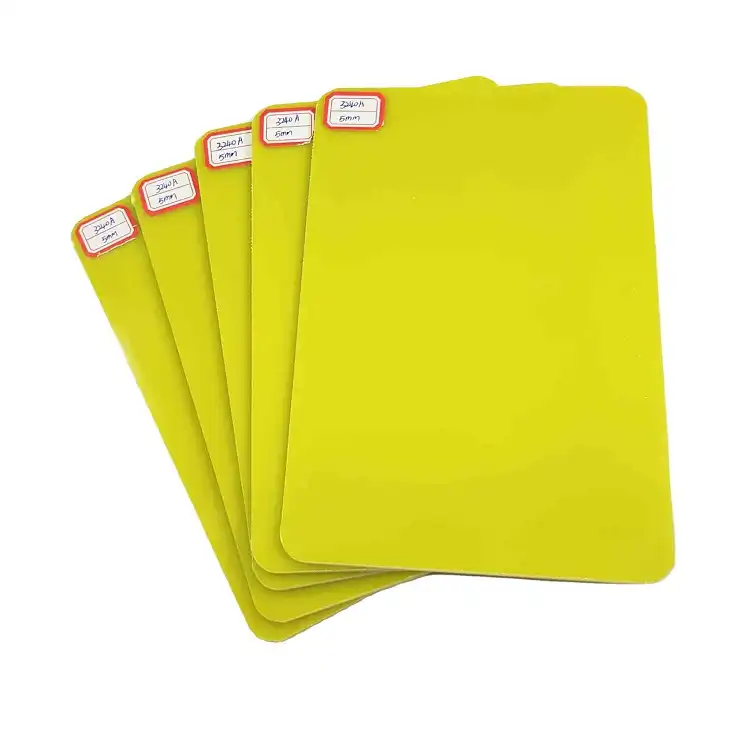
Over twenty years of specialized knowledge have helped J&Q make high-quality electrical insulation sheet products for tough industrial uses. When companies that make electronics, distribute electricity, or build industrial machinery need approved heat barriers and dielectric components, our expert team knows the problems they face. We keep a large stock of FR4 epoxy glass cloth laminates, 3240 epoxy boards, and different grades of phenolic paper to meet the needs of both prototypes and large-scale production.
As a well-known company that makes insulation sheets and has combined logistics capabilities, we offer streamlined sourcing from reviewing specifications to delivering parts. With full certification paperwork, our quality processes make sure that the products we use meet GB/T, IEC, and ASTM standards. Technical support services help you choose the best materials and set the right working settings for your application. Email our tech team at info@jhd-material.com to talk about the details of your project and get samples to test in real life. We'll help you find the most cost-effective insulation sheets that meet your performance needs and meet your shipping dates.
References
National Electrical Manufacturers Association. (2020). Standards Publication for Industrial Laminated Thermosetting Products. NEMA LI 1-2020.
International Electrotechnical Commission. (2019). Insulating Materials - Industrial Rigid Laminated Sheets Based on Thermosetting Resins for Electrical Purposes. IEC 60893-3 Series.
ASTM International. (2021). Standard Specification for Laminated Thermosetting Materials. ASTM D709-18.
Institute of Electrical and Electronics Engineers. (2018). IEEE Guide for the Application and Maintenance of Insulation Systems for Electrical Equipment. IEEE Std 1776-2018.
Underwriters Laboratories. (2019). Standard for Safety Tests for Flammability of Plastic Materials for Parts in Devices and Appliances. UL 94, Eighth Edition.
Chinese National Standards. (2009). Specification for Phenolic Resin Laminated Paper Board for Electrical Purposes. GB/T 1303.4-2009.
.webp)