Fiberglass Tube vs. G10 Sheets: Key Differences and Application Selection
2026-04-20 16:54:24
To choose between fiberglass tubes and G10 sheets, you need to know about their different features and how they are meant to be used. G10 sheet is unique because it is a high-pressure laminate made from continuous fiber glass cloth that has been soaked in epoxy resin. It is very good at blocking electricity and is also very strong. Fiberglass tubes, on the other hand, make cylinder-shaped structures that can hold weight. Both materials are very important in industrial manufacturing, but because of their different shapes, how easy they are to machine, and how well they work, buying managers and technical teams have to deal with different engineering problems every day.
Material Properties Comparison of Fiberglass Tubes and G10 Sheets
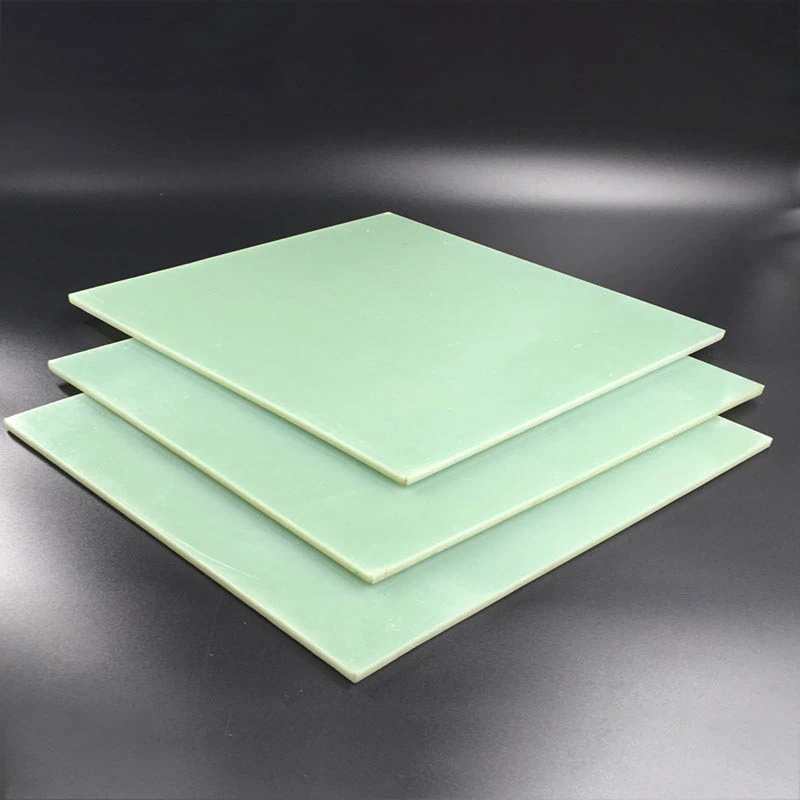
Fiberglass tubes and G10 sheets side by side to see their different material properties. To understand the main differences between these materials, you need to look at how they are made and the properties that come from that. This information has a direct effect on how well components work and how reliable they are over time in challenging situations.
Manufacturing Process and Structural Composition
In a process called filament wrapping or pultrusion, layers of glass fibers and resin are wrapped around cylinder-shaped molds to make fiberglass tubes. This method makes structures that are hollow, light, and have linear power that runs along the tube's axis. The continuous fiber orientation gives it great tensile qualities that make it perfect for use as structural support parts.
The journey that G10 epoxy laminate sheets take is very different. Before being pressed together with a lot of heat and pressure, epoxy glue is thoroughly mixed with several layers of woven glass cloth. This method of lamination makes thick, flat sheets that have the same qualities all the way through. The cross-woven cloth structure gives these sheets equal strength in many directions, which makes them very stable in terms of their dimensions.
Mechanical and Electrical Performance Characteristics
The mechanical features of these materials show big differences between them. The tensile strength of fiberglass tubes is usually between 200 and 400 MPa, but this depends on how they were made and the type of glue used. Because they are tubular, they naturally resist twisting and torque forces. This makes them great for uses that need toughness with little weight gain.
Tensile strength of G10 laminates is often higher than 310 MPa, and some types have values that are similar to 6061 aluminum alloy while weighing a lot less. Because the material is strong against pressure and compression, it can be used as structural insulation in places where electrical needs are combined with mechanical loads. Testing has shown that G10 stays strong even when it is under long-term bending stress.
Electrical shielding is one of the best things about G10 materials. These sheets keep electricity from tracking and breaking down in high-voltage areas because their dielectric strength is over 20 kV/mm and their volume resistance is over 10^14 ohm-cm. Moisture absorption stays below 0.1%, so even when it's wet, the insulation qualities stay the same. Depending on the material used, fiberglass tubes can act as insulation. However, their hollow structure and ability to let water in can make them less effective in demanding electrical uses.
Chemical and Thermal Resistance Profiles
Both materials are very resistant to oils, weak acids, and most solvents, but the exact performance relies on how the resin is made. G10 sheets keep their shape at temperatures ranging from very cold (cryogenic) to about 130°C (continuous operation). Precision parts keep their standards even after being heated and cooled many times. This is because they have a low rate of thermal expansion.
Fiberglass tubes, like G10 sheet, also don't break down in the environment, and some polyester and vinyl ester formulas are especially good at keeping chemical processing equipment from rusting. The way they work at high temperatures depends on the type of resin used, but most of them can handle temperatures between -40°C and 120°C without losing many of their properties.
Application Scenarios and Suitability Analysis
Real-world uses show how the properties of a material can be used to make different businesses more productive. Knowing about these use cases helps buying teams make good matches between materials and project needs.
Electrical and Electronics Manufacturing Applications
G10 sheets are used a lot in the electronics industry because flat insulation parts fit into circuits easily. The material is good for electrical separation and mechanical rigidity, which makes it useful for PCB support frames, switchgear phase barriers, and motor slot wedges. Using CNC tools to cleanly cut the sheets allows for precise tolerances that meet the spacing needs of current electrical components.
Electrical engineers choose these laminates for transformer coil separators because they have high insulating strength and keep arcs from happening between high-voltage windings. It meets UL and IEC safety guidelines for flame resistance and tracking resistance, which are necessary for approval. The stable quality from batch to batch that enables automatic assembly processes is appreciated by manufacturing teams.
In electronics, fiberglass tubes are sometimes used as insulation, standoffs, and secure housings. Their shape makes them useful for things like shielding spacers for high-voltage capacitor banks or coverings to protect exposed wires. But because they are cylinder-shaped, they aren't as useful in most electrical systems as flat sheet materials.
Industrial Machinery and Equipment Integration
Machine makers use both materials based on the shape and function of the part. Fiberglass tubes work great as light structure parts in robotic equipment because they make rigid frames without adding too much weight to moving parts. Because they are hollow, cables or pneumatic lines can be run through the building itself, which makes designing tools easier.
G10 materials are often used in industrial equipment for wear plates, bearing supports, and insulation spacers. The sheets don't wear down easily and keep the electrical connections between grounded machine frames and live electrical parts separate. When making gears, cams, and structural pieces that need to fit together perfectly, mechanical engineers like how reliable the material is when it comes to machining.
Custom methods sometimes use both materials together in the same assembly. For a lightweight reach, an artificial arm might be made of fiberglass tubes, and at electrical connection points, G10 sheet insulators would be mounted. This hybrid method makes the best use of weight distribution while also making sure that the whole system is electrically safe.
Power Distribution and Transformer Components
For uses in the power sector, you need materials that can handle electrical stress and still provide mechanical support when something goes wrong. It is the job of G10 laminates in circuit breakers to stop arcs from moving between stages when there is a short circuit. The high mechanical strength of the material keeps the physical separation even when electromagnetic forces are applied during a break.
Manufacturers of transformers use these sheets to protect the coils, separate the phases, and support the structure of the tanks they make. The material doesn't absorb water easily, so it will last a long time in oil-filled transformers where water could affect the insulation's performance. Before installation, testing procedures check the dielectric's performance, and the need for certification guides the choice of seller.
In power systems, G10 sheet is used to make insulation standoffs for outdoor switchyards and structural supports for directing conductors. The tubes are better at resisting UV damage and aging than many other materials, so they can be used in outdoor settings for decades.
Automotive and Transportation Components
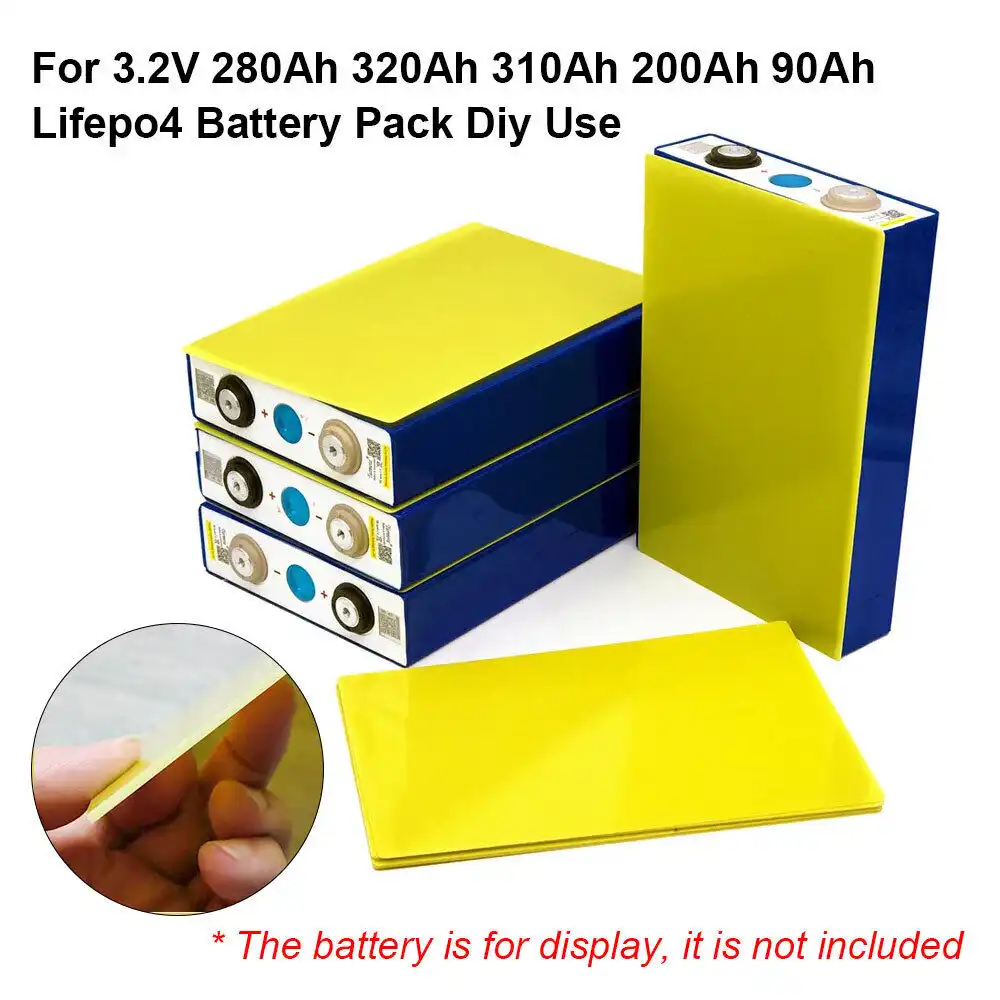
More and more, auto providers are asking for these materials to be used in electric vehicle parts and regular car insulation. G10 sheets make shields around battery packs that stop heat runaway while keeping the structure strong during crashes. The flame resistance of the material meets strict safety standards for cars without adding too much weight to parts that are already sensitive to mass.
Heat shields made from G10 laminates keep sensitive electronics from getting too hot from the exhaust system and keep parts electrically separate from chassis ground. The material can be machined into complicated forms that include fastening features. This cuts down on the number of parts and the time it takes to put together solutions with many parts.
Fiberglass tubes help meet the needs for lightweight structures in aircraft and high-performance cars. The great strength-to-weight ratio helps pushrods, control links, and frame members. But regulations often require a lot of testing and approval, which makes choosing the right materials an important early-stage design choice.
Selection Criteria for B2B Procurement – How to Choose Between Fiberglass Tubes and G10 Sheets?
When choosing materials strategically, you have to think about more than just the initial buy price. Managers in charge of buying things have to look at the total cost of ownership and make sure that materials meet technical requirements and delivery dates.
Technical Requirements and Performance Priorities
Write down whether your application mostly needs structure support or electrical insulation to start the decision process. Sheet materials are best for parts that need to be flat and have very tight thickness standards. Tube materials are better for parts that need to be shaped like cylinders or have hollow parts. Load study shows whether the performance needs are mainly related to tension, compressive, or flexural qualities.
Often, the electrical details make all the difference. When there is a need for high voltage, close closeness of current-carrying parts, or arc reduction, G10 laminates usually need to meet certain dielectric strength and tracking resistance values. Ask for test records that show how the electrical qualities were measured according to the standards set by ASTM D149 and IEC 60243.
Exposure to the environment for G10 sheet has a big effect on the choice of materials. Conditions like constant temps, chemical contact, and moisture levels must be in line with what the material can handle. Concerns about UV degradation are different for outdoor locations than for controlled indoor settings. Talk to tech teams about environmental factors before finishing the specs.
Certification, Compliance, and Quality Assurance
Regulatory compliance needs are different for each business and use case. For most countries in North America and Europe, UL approval, RoHS compliance, and REACH compliance are the minimum standards that must be met. Materials that are going to be used in space, medicine, or nuclear power plants have to go through extra approval steps that require a lot of paperwork.
Supplier quality systems have a direct effect on the uniformity and tracking of parts. ISO 9001 certification means that quality management systems are well-established, and AS9100 certification means that aircraft supply chains are ready to go. Ask providers for paperwork on process control that shows how they keep an eye on important measurements, electrical properties, and resin content during production.
When making a lot of things, batch accuracy is very important. Teams in charge of buying things should check to see if suppliers can keep limits tight across multiple production runs. Statistical process control data shows if a provider can provide consistent material qualities that allow automated assembly processes to work without any changes.
Supply Chain Considerations and Total Cost Analysis
Lead times are very different for normal sheet sizes and custom-made fiberglass tubes. Standard sizes and common G10 sheet thicknesses can usually be shipped within days from stock at a wholesaler. However, custom production for tube widths or wall thicknesses may take weeks. Planning the timing of purchases around these facts keeps output from being interrupted.
Minimum order amounts have an effect on the cost of keeping goods and on cash flow. Standardized production makes it possible for a wider range of sheet materials to be sold, so smaller purchases are usually possible. For custom tube fabrications, bigger pledges may be needed to cover the costs of tools and setup, which could tie up operating capital.
The price of materials per kilogram is only one part of the total cost study. Machining prices, scrap rates, and yield numbers all have a big effect on the economy of a component. Even though G10 sheets are rough, they can be easily machined with carbide tools, and the amount of scrap that is produced is known. Depending on the features and standards that are needed, complex tube machining processes may produce more scrap.
Conclusion
The choice of material between G10 sheets and fiberglass tubes depends on the shape, electrical qualities, mechanical loads, and environmental conditions of the application. G10 laminates are perfect for flat insulation jobs that need high dielectric strength and dimensional stability. This makes them essential for electrical equipment, PCB setups, and precise mechanical parts. Fiberglass tubes are a lightweight way to build structures. Their cylinder shape and directional strength make them ideal for load-bearing jobs. A good buying process combines technical standards with the facts of the supply chain, the need for certification, and the overall cost. Working with experienced providers who can provide technical support, consistent quality, and on-time delivery makes sure that projects go easily from the planning stage to production.
FAQ
Can G10 sheets be machined into cylindrical shapes to replace fiberglass tubes?
While it is scientifically possible to cut G10 sheets into tubes, it is not cost-effective to do so for most uses. A lot of material is wasted in this process, and it needs to be machined in many ways, such as by turning, cutting, and finishing. The parts that are made don't have the constant fiber orientation that gives manufactured tubes their benefits in directional strength. When cylindrical shape is right for the job, custom tube manufacturing usually gives better performance at a lower total cost.
What certifications should procurement teams verify when sourcing these materials?
Choose sources that are recognized by UL for electrical uses. This shows that the materials meet safety standards for the voltage and temperature rates that are needed. RoHS and REACH compliance paperwork shows that there are no banned chemicals that are needed for European markets. ISO 9001 certification shows that quality control systems are in place, and material test results that list the mechanical and electrical properties of the material confirm that it works well for that batch. Certifications that are specific to an industry, like AS9100 for aerospace or IATF 16949 for cars show specialized capability.
How do moisture absorption differences impact long-term performance?
G10 laminates only soak up 0.1% of their weight in water, even after being submerged for a long time. This means that they keep their shape and electrical qualities even in damp places. This quality is very important for outdoor electrical tools and naval uses that are constantly exposed to water. Some fiberglass tube designs may let water in through cut ends or manufacturing flaws, which could make the insulation less effective over time. These problems can be fixed by using the right seals and resins, but sheet materials are better for important electrical shielding jobs because of their unique properties.
Partner with J&Q for Premium G10 Sheet and Composite Material Solutions
J&Q serves electrical equipment makers, industrial machinery builders, and power sector sellers all over North America. They have been making high-quality products for over 20 years and have been trading internationally for ten years. Precision-grade G10 sheet materials, FR4 laminates, and specialized composite solutions that meet strict UL and RoHS standards are all in our large collection. As a well-known provider of G10 sheets, we keep a close eye on quality throughout production, and our own transportation operations make sure that deliveries happen on time to meet your manufacturing deadlines. Technical consulting services help engineering teams find the best material specs for each job. This lowers the risk of development and speeds up the time it takes to get a product on the market. Email our knowledgeable staff at info@jhd-material.com to talk about the needs of your project, ask for samples of certified materials, or find out how our integrated supply chain skills can help you reach your buying goals more quickly and cheaply.
References
National Electrical Manufacturers Association (NEMA). "Industrial Laminating Thermosetting Products - NEMA LI 1-1998 Standard Specifications." Rosslyn, VA: NEMA, 1998.
Harper, Charles A. "Handbook of Plastics, Elastomers, and Composites, Fifth Edition." New York: McGraw-Hill Education, 2002.
Mallick, P.K. "Fiber-Reinforced Composites: Materials, Manufacturing, and Design, Third Edition." Boca Raton: CRC Press, 2007.
ASTM International. "ASTM D149-20: Standard Test Method for Dielectric Breakdown Voltage and Dielectric Strength of Solid Electrical Insulating Materials." West Conshohocken, PA: ASTM International, 2020.
Chawla, Krishan K. "Composite Materials: Science and Engineering, Fourth Edition." New York: Springer, 2019.
IEEE Dielectrics and Electrical Insulation Society. "Conference Record of IEEE International Symposium on Electrical Insulation - Applications in Power Systems." IEEE Xplore Digital Library, 2018.


_1747991245292.webp)