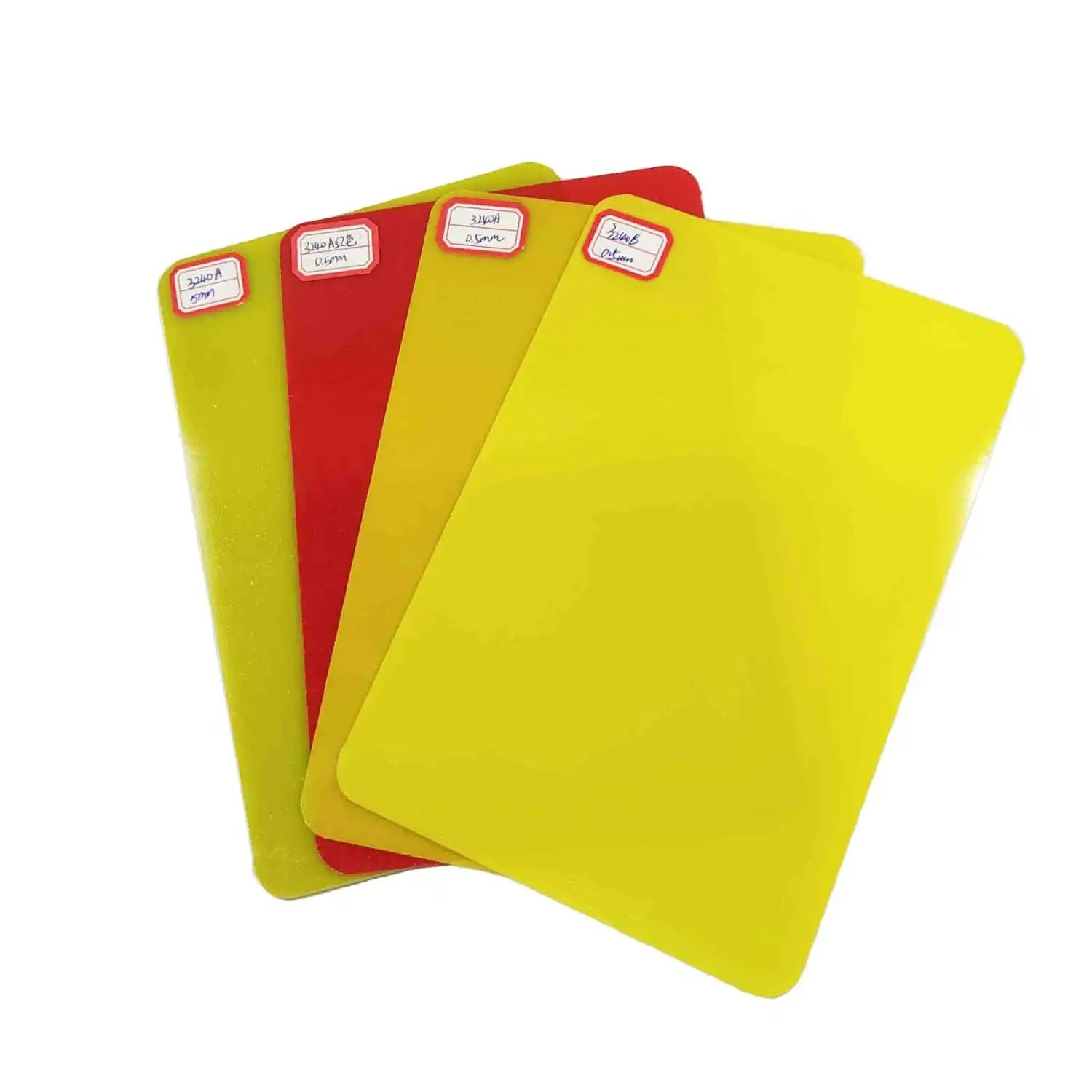
G10 for Electronics, Robotics and Mechanical Applications
2026-04-20 16:54:25
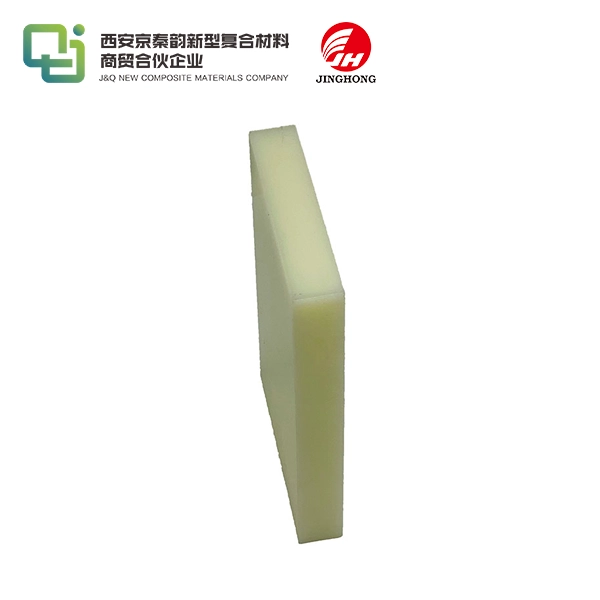
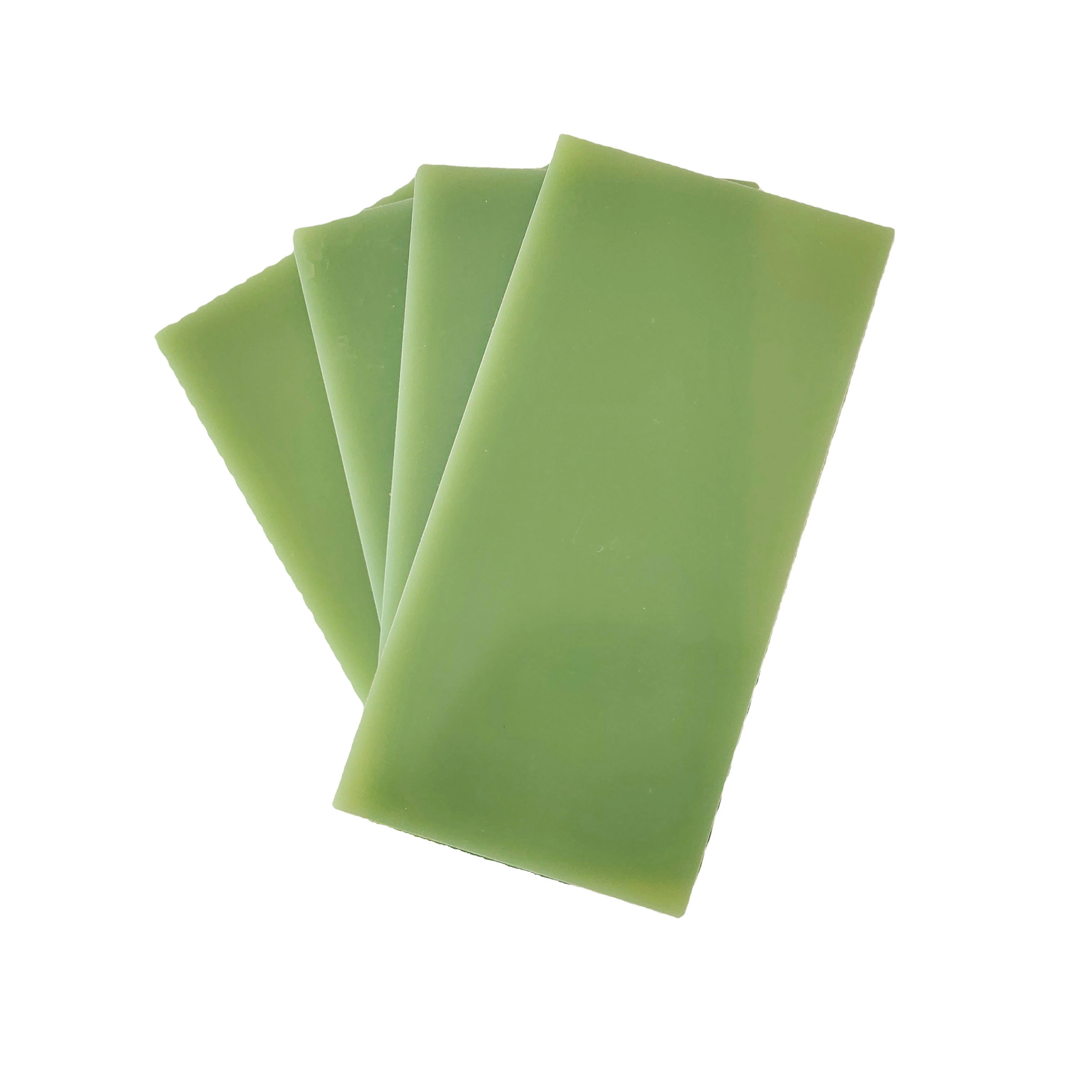
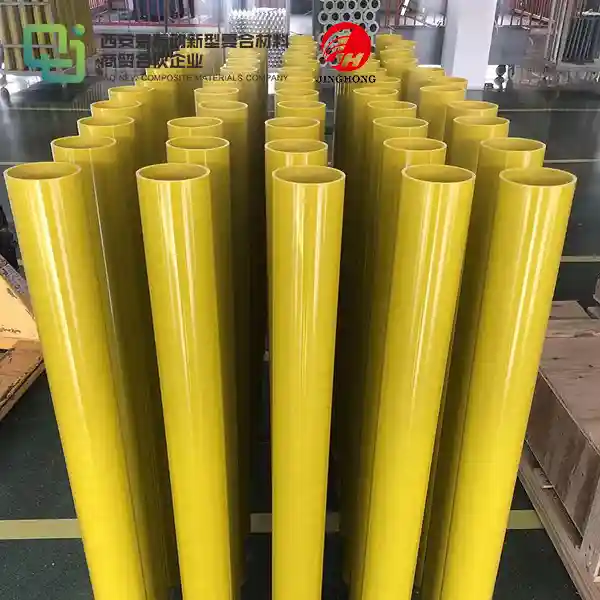
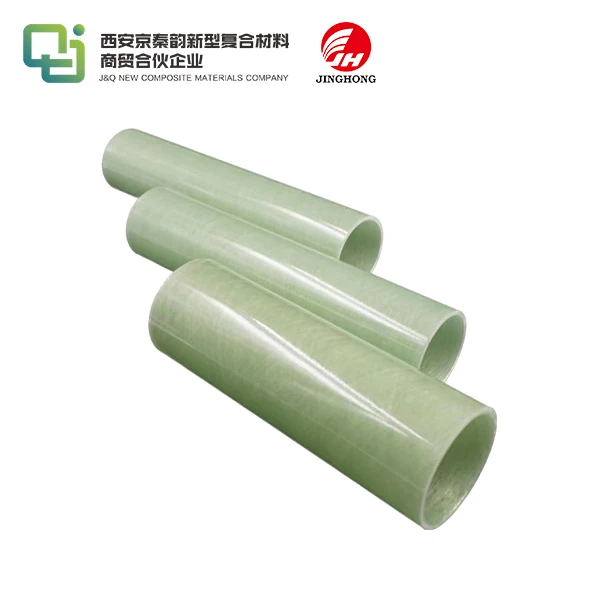
G10 sheet stands out as the best choice for engineering managers and procurement workers looking for strong insulation materials that work well in harsh conditions. This high-pressure fiberglass laminate is made of continuous thread glass cloth that is saturated with epoxy resin. It solves important problems in terms of heat resistance, electrical insulation, and mechanical stability. G10 is different from paper-based phenolics or basic thermoplastics because it keeps its shape and dielectric qualities even in harsh conditions. This makes it essential for electronics, robots, and precision mechanical systems where failure of the material is not an option.
Understanding G10 Material and Its Core Properties
G10 sheet is a high-pressure fiberglass laminate made of exactly layered fiberglass cloth and epoxy resin. It is made using strict manufacturing procedures that guarantee stability and dependability. To make it, epoxy resin binder is mixed with woven glass cloth and then cured under controlled heat and pressure. This makes a thermoset material that won't melt or distort when exposed to heat.
Superior Mechanical and Electrical Performance
The material has a strength-to-weight ratio that is higher than 6061 aluminum, which makes it perfect for load-bearing uses where weight reduction is important. Its tensile strength is around 40,000 psi, and its torsional strength is around 60,000 psi, which means it can be used in parts of structures that are bent. This material is very strong mechanically, and it also has great electrical insulation properties—its dielectric strength is over 400 volts per mil, and its volume resistivity is over 10^14 ohm-cm. This means that it stops unwanted current leaks even in high-voltage settings.
Thermal Stability and Environmental Resistance
Because of its high heat resistance, it can keep working at temperatures up to 130°C without losing any of its mechanical or electrical qualities. The coefficient of thermal expansion stays incredibly low, which keeps the dimensions stable even when the temperature changes in ways that would damage other materials. Because it absorbs almost no water (less than 0.1% over 24 hours), its performance stays the same in wet or muggy conditions. This is a big advantage over hygroscopic materials, which grow or lose their ability to insulate when they come in contact with water.
Material Comparison: G10 Versus Alternatives
G10's benefits are clear when you look at it next to other materials like FR4 and phenolics. FR4 has flame-retardant additives that make it self-extinguishing (UL94 V-0 grade), but standard G10 only cares about how well it works mechanically and electrically. Many suppliers today offer dual-rated G10/FR4 material that has both of these features. Phenolic cotton laminates are cheaper, but they don't fight water as well and don't have as much dielectric power. This advice helps buying workers choose the best material type for their projects by taking into account voltage needs, environmental exposure, and mechanical loading conditions.
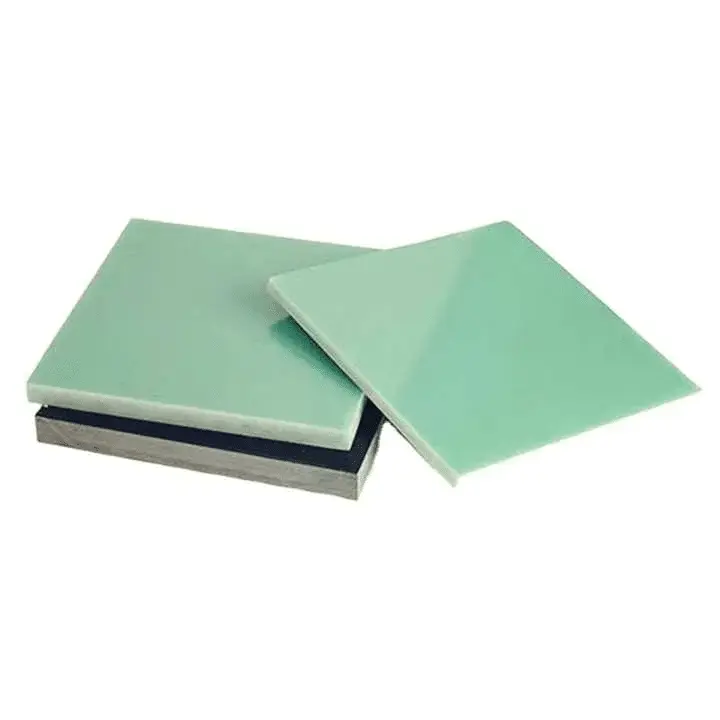
Critical Use Cases of G10 in Electronics, Robotics, and Mechanical Applications
G10 sheet flexibility shows how useful it is in many different industries, each using different sets of properties to solve unique engineering problems. Knowing these uses helps buying teams figure out where this material will give them the best return on their investment.
Electronics: High-Voltage Insulation and Circuit Support
When making electronics, G10 sheet epoxy glass laminates are used as insulation barriers, circuit board bases, and housings for connectors that can handle high power and heat. These materials are used by companies that make electrical tools for arc chutes, phase barriers in switches, and supports for transformer coils. If the dielectric breaks down, these parts would fail catastrophically. The material's ability to stop arc tracking—the formation of electrical carbon lines along the surface—keeps sensitive electronics safe in places where there are sudden changes in voltage or partial discharges.
Printed circuit board makers use G10 and its flame-resistant cousin FR4 as the base for layered boards, which gives them strength and keeps copper lines electrically separate. The material can be precisely machined with a CNC router, which lets you drill via holes and route boards with complicated shapes that meet the tight limits needed for current surface-mount technology. Because it has a low dielectric constant and dissipation factor, it doesn't lose information when used at high frequencies, so it can be used in RF and microwave systems.
Robotics: Structural Frames and Mounting Platforms
Fiberglass epoxy laminates are used in robots as light structure frames and insulating mounting plates. They are strong and safe for electrical use. Robotic arm makers cut these sheets into structure brackets that hold up servomotors and drive electronics and keep powered parts electrically separate from each other. The rigidity of the material keeps it from bending, which would affect the accuracy of positioning, and the fact that it is non-conductive means that there are no grounding issues when putting circuit boards directly to structure elements.
Collaborative robot makers like the material because it can withstand impacts and be precisely made into complicated shapes. Dimensionally stable parts like mounting plates, sensor brackets, and tool attachment ports stay in place over thousands of operating cycles. The low moisture absorption keeps the measurements from moving when the humidity changes, which is important for keeping the standards in places where machines make things.
Mechanical Engineering: Precision Components and Wear Surfaces
Load-bearing parts like gear shims, wear-resistant bushings, and precision spacers are used in mechanical engineering when accuracy and longevity are very important. Machine builders use glass-reinforced thermoset laminates for tasks that need both electrical insulation and mechanical load capacity. For example, they are used as bearing supports in electric motors, insulating washers in high-voltage assemblies, and structural spacers to keep power distribution equipment's clearances clear.
Using carbide or diamond tools to cut the material cleanly lets you make tight-tolerance parts with little extra finishing. Gears and wear plates made from these laminates don't wear down easily and keep electricity from flowing through them. This makes them last longer in situations where metal parts would conduct stray currents or cause galvanic rust. Its chemical stability means that it doesn't swell or break down when exposed to oils, acids, and cleaning agents. This is good for valve seats, pump parts, and sealing surfaces.
Real-life B2B case studies show how OEMs and sellers use these solutions to make products more reliable and extend their useful life in tough working conditions. A company that makes power distribution equipment cut warranty claims by 40% after moving from phenolic to glass epoxy insulators in their medium-voltage switchgear. They said the change was better because the new insulators were more resistant to moisture and kept their shape better. A robotics integrator cut the time it took to put together parts by 25% by combining several metal and plastic pieces into one precisely machined composite mounting plate that served as both a support structure and an electrical barrier.
How to Choose the Right G10 Grade and Supplier for Your Application?
To choose the right G10 sheet grade, you must first clearly define the technical and practical requirements that your product needs. This organized method stops expensive mistakes from happening when material skills don't match operating needs.
Defining Technical Requirements
The dielectric strength (volts per mil), volume resistivity, and arc resistance should be used to measure the electrical protection needs of your parts based on the highest voltage they will be exposed to and the conditions they will be in. The mechanical strength requirements must take into account the tension, compressive, and flexural loads that are important for your application. For example, the qualities of a structural bracket must be different from those of an insulation gap. Thermal sustainability includes both long-term resistance to thermal shock and continuous working temperature. This is especially important in situations where heating sources are used or where temperatures change quickly.
Industry Standards and Certifications
Standards for limits in width, resin content, and certificates are very important for judging quality. NEMA (National Electrical Manufacturers Association) guidelines set the basic mechanical and electrical properties that materials must meet in order to be classified as G10 or G11. When a material sample is recognized by UL, it means that it has passed safety tests for certain uses and circumstances. The factory's ISO 9001 certification shows that it has consistent quality management systems, and RoHS compliance makes sure that the products don't contain any restricted substances that are needed for electronics sold in controlled markets.
Supplier Evaluation Criteria
You should look at how consistent their production is, how they make sure their products are of good quality, and how reliable their wait times are. These things will affect your production plan and the quality of your products. Ask for test results on the materials you'll be receiving that show their dielectric strength, bending strength, and ability to absorb moisture. An estimate of manufacturing capacity helps you make sure that your providers can meet your growing volume needs without affecting delivery times. The location of production sites affects wait times and freight costs. This is especially important when comparing prices from different countries.
Strategic Procurement Approaches
To get the best deals and lower supply chain risks in foreign markets, strategic buying tips stress ordering in bulk, streamlining global logistics, and building relationships with suppliers. Setting up blanket buy orders with planned releases lets you lock in prices while still having the freedom to change your inventory. Request-to-delivery processes are sped up by qualified supplier programs that use accepted material types and terms that have already been agreed upon. Dual-sourcing methods for key materials lower the risk of supply disruptions, but they need money to find qualified alternative sources and keep minimum order volumes with both of them.
Working together technically with your material source can help you get more value than just buying things. If your supplier has their own cutting facilities, they can send you finished parts instead of raw sheets, which could lower your processing costs and quality risks. By giving you advice on how to choose the right material for your purpose, you can avoid selecting too many expensive grades when standard materials would do. Getting providers involved early in the development of a new product can help find design improvements that make it easier to make or reduce the amount of waste.
Conclusion
G10 sheet material is very flexible and can be used in a wide range of electronics, robots, and mechanical engineering tasks that need to be electrically insulated, strong, and resistant to the environment. Procurement experts can make choices that improve product performance while minimizing supply chain risks when they know about a product's properties, how it should be used, and how to choose a supplier.
The material has been used successfully in harsh settings, such as high-voltage switchgear and precise robotic systems, showing that it is reliable enough to meet standard requirements. The full worth of these advanced composite materials can be unlocked by using strategic sourcing methods that include technical collaboration with qualified sources, strict quality assurance, and lifecycle optimization. As manufacturing needs continue to change toward better performance and greater reliability, glass epoxy laminates that are properly chosen and applied lay the groundwork for next-generation goods in a wide range of industries.
FAQ
Which industries benefit most from G10 properties?
The better dielectric strength and moisture protection in switchgear and transformer uses are very helpful to companies that make electrical equipment. Companies that make robots like how strong something is for how light it is, and they also like how electrically isolated the structure frames are. Industrial machinery builders use these laminates for electrically insulated mechanical parts that don't break down easily. The material's ability to prevent arcs and keep its temperature stable is important for both power production and distribution. It is used by companies that make electronics for cars in battery control systems and high-voltage power electronics, which need to be safe and reliable.
How does G10 compare to FR4 material?
The main difference is how flame-resistant they are: FR4 has bromine-based additives that make it self-extinguishing and meet UL94 V-0 standards, but pure G10 sheet does not have these additives. Many suppliers today offer dual-rated materials that are good for both mechanical function and flame protection. Pure G10 might have slightly better mechanical qualities and less water absorption, but these changes aren't very important in most situations. Choosing between them is usually based on specific fire safety needs rather than differences in how well they work.
What are typical lead times and minimum order quantities?
Standard sheet sizes and thicknesses from well-known sources usually arrive in two to four weeks. Depending on production plans, it could take six to eight weeks for custom widths or grades. Minimum order amounts depend on the seller and the grade of the material. Some suppliers will take orders for just one sheet, while others have minimum buy values. By building ties with distributors who keep popular sizes in stock, you can get what you need right away for testing and small orders. Direct connections with manufacturers are helpful for large-volume projects that use blanket orders and planned releases to get the best prices and supplies.
Partner with J&Q for Reliable G10 Sheet Supply Solutions
It takes more than good materials to make a great product. You also need a supply partner who knows your technical needs and gives you reliable results. J&Q has been making insulation materials for over 20 years and has been dealing internationally for over 10 years. This makes us your one-stop shop for all things G10 sheet. Because we have long-term partnerships with trading companies in both the United States and other countries, we can get you approved products that meet the UL, RoHS, and ISO standards that your uses need.
Integrity and dependability are what make our service unique. We handle all of our own operations, so we can offer a true one-stop service from choosing the materials to delivering them. This saves you the trouble of coordinating with multiple providers. Our technical team works with your engineering staff to make sure that the types of materials you need are exactly matched to your specs. This keeps costly mistakes from happening. Before leaving our building, quality assurance processes make sure that every shipment meets the written requirements. Our method is flexible enough to adapt to your needs, whether you need a small amount for a pilot or a lot for mass production. Get in touch with our team at info@jhd-material.com to talk about your unique application needs and find out how our knowledge of materials and ability to handle the supply chain can help your next project.
References
National Electrical Manufacturers Association (NEMA). "Industrial Laminating Thermosetting Products – Standards Publication LI 1-2018." NEMA Standards, 2018.
Harper, Charles A. "Handbook of Materials for Product Design, 3rd Edition." McGraw-Hill Professional, 2001, Chapter 8: Thermoset Composite Materials.
Institute of Electrical and Electronics Engineers (IEEE). "IEEE Standard 930-2004: Guide for the Statistical Analysis of Electrical Insulation Breakdown Data." IEEE Standards Association, 2004.
American Society for Testing and Materials (ASTM). "ASTM D229-20: Standard Test Methods for Rigid Sheet and Plate Materials Used for Electrical Insulation." ASTM International, 2020.
Mazumdar, Sanjay K. "Composites Manufacturing: Materials, Product, and Process Engineering." CRC Press, 2001, Section 4: Thermoset Matrix Composites.
Underwriters Laboratories (UL). "UL 746B: Polymeric Materials - Long Term Property Evaluations - Standard for Safety." UL Standards, 2019 Edition.