G10 vs. G11 Epoxy Fiber Glass: Understanding Temperature Resistance and Durability
2026-04-21 17:01:26
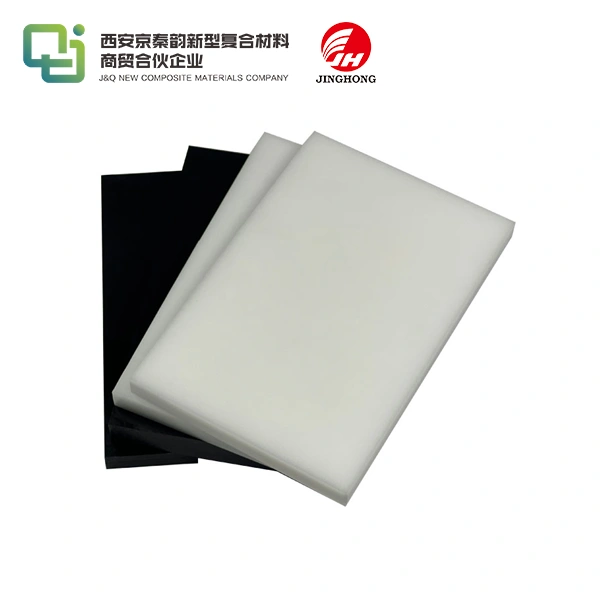
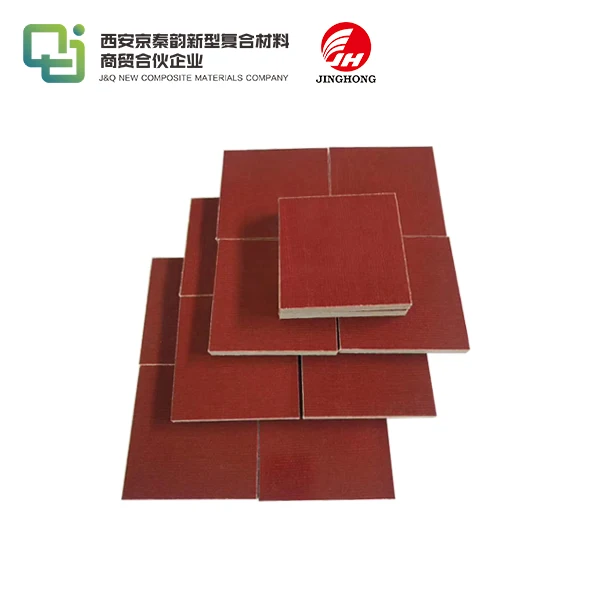
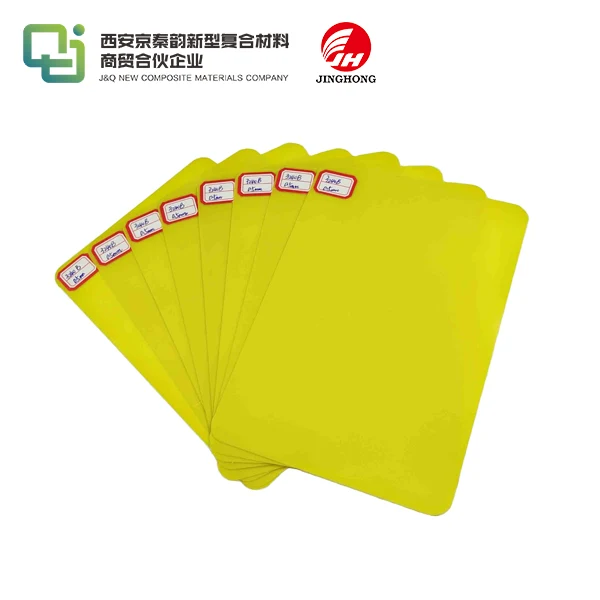
What makes G10 epoxy fiber glass sheet different from G11 versions is how well they handle high temperatures and how long they last as a building. Both are made of glass cloth that is continuously thread knit and filled with epoxy resin systems. While G11's resin system is different, it can withstand temperatures higher than 130°C (Class B) all the way up to about 180°C (Class H). It stays more stable at high temperatures, which is why G11 is the best choice for transformer housings and battery barriers in cars. However, G10 remains the most cost-effective option for electrical insulation tasks that need to be done at low temperatures, like in switchgear parts and motor mounts.
Understanding G10 and G11 Epoxy Fiber Glass Sheets
The G10 epoxy fiber glass sheet and G11 sheets are both thermosetting laminates made under stress. Binders made of epoxy resin are mixed with glass cloth that is knitted continuously. The mixture is then cured under controlled heat and pressure. After being put together, the item has almost no empty space and a specific gravity of 1.80 to 1.85 g/cm³.
Composition and Manufacturing Fundamentals
The G10 and G11 sheets are both thermosetting laminates made under stress. Binders made of epoxy resin are mixed with glass cloth that is knitted continuously. The mixture is then cured under controlled heat and pressure. After being put together, the item has almost no empty space and a specific gravity of 1.80 to 1.85 g/cm³. G10 is approved by both NEMA Grade G-10 and MIL-I-24768/2 Type GEE. This means that it will always work well, even when it's wet or dry up to 130°C. The resin system in this product is designed to be strong and stable, which makes it suitable for use as electrical shielding in warm climates.
G11 is the next step in growth. It has a new epoxy glue method that makes the crosslink density and heat stability better. The material can now always work at temperatures up to about 180°C thanks to the new chemistry. This means it can be used for Class H insulation. The process of making it stays the same, but the resin-to-glass ratios and hardening profiles are changed to make the ties stronger. This way, they won't come apart when heated for a long time. G11 is usually a little stronger when it comes to twisting and keeps its mechanical properties better at high temperatures than G10. However, both materials are still very good at carrying electricity.
Key Physical and Electrical Properties Comparison
You can really tell the difference between these materials when you look at important scientific details. Electrically, G10 is strong at 500 to 800 volts per mil, and it can bend more than 60,000 psi all the way through. It doesn't soak up much water—usually less than 0.1% after 24 hours—so it doesn't bend or grow like some other phenolic laminates do. This ability to keep water out is very helpful in substations that get wet, where creepage currents can damage the wiring.
The mechanical strength values for G11 are about the same, but it stands out because it has a higher heat transfer temperature. G10 starts to lose its qualities and soften when it is heated above 130°C. G11, on the other hand, keeps its shape and protection up to 180°C. Chemically, mineral acids, hydraulic fluids, and most organic liquids don't have much of an effect on either element. Strong alkalis, on the other hand, might wear away the surface over time. It is important to note that the dielectric constant does not change between grades. This means that high-voltage switches, terminal boards, and phase dividers will always work differently.
Typical Industrial Application Scopes
A lot of electrical and electronic goods are made with G10. It is used for PCB support structures, motor slot wedges, and insulation washers where mild thermal demands are met. It's great for making things that need to be very accurate because it has a high strength-to-weight ratio and is easy to machine. Machinery builders like G10 because it can be used to insulate structures, make mechanical spacers, and make parts for conveyor systems and gears that don't wear out. It doesn't conduct electricity and doesn't spark. It's also good for military and marine tools, like knife handles and gun grips, where it needs to be very strong because it gets wet, oily, and rough.
When it's necessary to be able to handle high temperatures, G11 is used. Businesses that move electricity use G11 for things like transformer bushings, coil insulation, and arc barriers because G10 can't handle the constant heat stress. G11 is being used more and more by companies that make car parts for battery pack thermal covers and insulation pads in systems for electric vehicles. These materials help the cars stay the same size over time and keep them from getting too hot. Motor clamps and oven insulation frames that are exposed to high temperatures are made of G11 instead of G10, because G10 would break down in direct heat. The material is resistant to flames and can withstand high temperatures, which are strict safety requirements for both home and business electronic items.
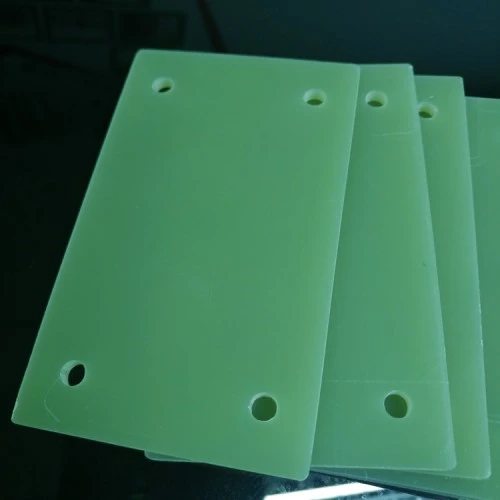
Major Differences and Advantages – G10 vs. G11 Epoxy Fiber Glass
One big difference between these is how well they keep heat out over time. Like switchgear boxes, motor housings, and general electrical insulation, G10 epoxy fiber glass sheet can be used in places with mild to ambient heat because it stays strong up to 130°C.
Thermal Performance and Temperature Thresholds
One big difference between these is how well they keep heat out over time. Like switchgear boxes, motor housings, and general electrical insulation, G10 can be used in places with mild to ambient heat because it stays strong up to 130°C. Its thermal expansion value stays the same in this range. This means that the sizes don't change when the temperature changes. But touch above this level speeds up the breakdown of resin, which over time could make it less strong and less able to conduct electricity.
The higher 180°C grade of G11 makes it useful in places where heat stress is a big problem. This better temperature tolerance is useful right away for insulating transformer coils, parts that are close to car exhaust pipes, and supports for high-current busbars. Even after being heated for a long time, the crosslink stays stable thanks to the changed epoxy chemical. This stops the G10 from shrinking and spreading that would happen in the same places. Although the materials were more expensive at first, this means that parts will last longer in tough environments. This means that they will need less maintenance and cost less to own overall. Based on tests done by outside groups, G11 keeps more than 85% of its bending strength at room temperature after 1,000 hours at 180°C. After the same amount of time, G10's traits start to change.
Mechanical Strength and Impact Resistance
The mechanical properties of both materials are much better than those of metals and thermoplastics. G10 generally has a tensile strength of more than 50,000 psi, and it can handle being hit hard enough to be used as a structural material in heavy machines. Because its fiber-resin matrix is regular, stress is spread out evenly. This keeps cracks from spreading in parts that are physically heavy, like bearing supports, gears, and spacers. Standard CNC tools can be used to cut the material easily, making parts with tight tolerances that don't peel off or pull threads out.
The technical performance of G11 is about the same as or slightly better than that of G10. However, it is more stable at high temperatures. When there is both mechanical stress and heat stress, this mix works well. For example, parts under the hood of cars or power distribution equipment that has to deal with changing loads and temperatures must use this mix. The new glue method is better at stopping creep when it's under long-term load at high temperatures. This keeps the form stable even when G10 might change shape over time. These two materials don't break down at very low temperatures like many thermoplastics do. This means they can be used in places where the temperature is low, like cooling systems and remote platforms.
Chemical Resistance and Environmental Durability
The grades for chemical protection for G10 and G11 are mostly the same. It is very hard for mineral oils, hydraulic fluids, weak acids, and most organic solvents to damage either material. This chemical stability is very important for transformers that are exposed to protecting oils for a long time. It's also important for industrial machinery that comes into touch with cutting fluids and lubricants. Fungi and live things can't grow or break down either material, so they will last a long time in damp or open places. This material doesn't absorb much water—usually less than 0.1% after 24 hours—so the dimensions stay the same and the dielectric properties don't break down in damp places where phenolic laminates would.
When using G11 epoxy fiber glass sheet materials outside, you should think about how they will react to UV light. Unlike many plastics, they don't change much when left in the sun for a long time. Even if the chalking on the top lasts a long time, the structure and electricity below stay the same. Strong alkali solutions can wear away at the surface over time, but this doesn't happen very often in industrial settings. These two materials don't catch fire and don't give off a lot of smoke, so they meet safety standards for transportation and electrical equipment. These features that make the product last longer in harsh environments make sure that it works the same way in factories in the middle of the country as it does in factories on the coast.
Pricing Structures and Procurement Considerations
These days, the cost of materials varies between 15% and 30% between G10 and G11. There are tighter factory rules on the G11, which makes it cost more than the G10. Teams in charge of buying things have to compare this cost difference to the application's value. Because G11 can handle higher temperatures, it is not useful for applications that always run below 130°C. In these cases, G10 is the cheaper option. Instead, temps near or above 130°C make the extra cost of G11 worth it because parts last longer, break down less often, and need less maintenance.
Aside from the price of raw materials, the total cost of buy is also affected by how reliable the supply chain is. It's safer to buy things and cheaper to keep them in stock when you have dependable providers with steady stock levels, clear wait times, and scalable minimum order amounts. OEMs who want full solutions instead of just raw sheet material will find goods more useful when they can choose their own thickness standards, surface finishes, and CNC machining services. Some of the certification papers that make it easier to get approval and follow the rules are UL recognition, RoHS compliance, and material test results. If engineers have worked with the same sources for a long time, they can work together. This helps purchasing teams choose the best materials and specs as product ideas change.
How to Choose Between G10 and G11 for Your Projects?
The process of making a choice starts with an honest assessment of the highest temps that can be kept during operation. G10 epoxy fiber glass sheet is the better deal in terms of price for applications that happen at room temperature.
Assessing Temperature Requirements and Operating Conditions
The process of making a choice starts with an honest assessment of the highest temps that can be kept during operation. Equipment that is always exposed to temperatures above 120°C needs the higher thermal grade of G11 to be reliable over time. Clearly, this includes things like power sources, battery thermal covers, and motor parts that get very hot. If temps regularly go above and below 150°C, G10 might work well. But G11 is better when thermal cycling causes stress to build up over time. The thermal benefits of G11 don't help with uses that happen at room temperature, like switches, marine equipment, and home device structures. This means that G10 is the better deal in terms of price.
Other than high temps, external factors can change the choice of G11 epoxy fiber glass sheet material. Both materials are very good at keeping water out of places with a lot of humidity, but G11 is a little more stable over time in places that are always damp because it has better resin bonding. Chemicals need to be checked for certain contaminants when they are present. Both materials can handle typical industry fluids, but they need to be tested again after being in strong acids for a long time. No matter what kind of material is used, projects outside that get direct UV light may need protective coverings. However, both types can handle sunlight better than many thermoplastics. Both materials have mechanical dampening qualities that can be used in situations with a lot of shaking. The main thing that determines which one to use is the temperature.
Evaluating Budget Constraints and Cost-Effectiveness
The budget study looks at both the unit cost of ingredients and the total value over the whole life of the item. The lower price of G10 means that you can save money right away on purchases. This is especially helpful when making a lot of things and don't need much heat. Cycle times and tool wear are about the same across grades of G10, which is good for uses that need to do a lot of CNC machining. People have faith in the material's ability to do what it's supposed to do because it has been used in industry for decades. This makes it cheaper to qualify and test for new uses.
The high price of G11 needs to be backed up by usefulness in certain situations. If parts last longer in places where it gets hot, they don't need to be replaced as often, which saves money on costs related to downtime. If there are fewer warranty claims and problems in the field for consumer goods, the company will make more money and have a better reputation. Even though it costs more at first, G11 has better margins for safety-critical uses where a material failure could lead to legal problems. When you buy in bulk and make long-term deals with suppliers, you can close the cost gap. This makes G11 more appealing as sales grow. It will depend on the specifics of the application whether better temperature performance is worth the extra cost.
Supplier Capabilities and Customization Options
The choice of material and the seller's rate are connected. Customers have more choices as their needs change when providers offer both G10 and G11 types. This means that materials can be moved without having to buy them through different sources. For some jobs, custom thickness limits that go beyond standard sheet sizes can be useful. Also, CNC machining services that are built in make the supply chain easier for OEM manufacturers. To plan production, it's important to have consistent wait times. Suppliers who keep enough goods on hand also keep production from stopping because they don't have enough materials.
Premium suppliers offer expert support, setting them apart from basic providers. It is important for component development that people can get information about the features of materials, get help picking the right materials for the job, and work together to solve problems that come up during processing. It's easier to keep an eye on quality and follow the rules when certification papers are clear and include things like test results and statements of compliance that are unique to each batch. Suppliers with strong transportation networks and experience sending goods to other countries make sure that factories get their goods on time. These skills of the supplier often have a bigger effect on the total cost of ownership than the price of the goods themselves, especially when the job is difficult or there are a lot of them.
Conclusion
What makes G10 epoxy fiber glass sheet and G11 epoxy fiber glass materials different are how they work with heat and a cost-benefit analysis of the uses they are made for. G10 is a strong material that doesn't get wet easily and works well as an electrical insulator at mild temperatures and in structures up to 130°C. G11 costs more in transformers, car thermal barriers, and high-temperature motor parts because it is more stable at high temperatures. It can work continuously at 180°C. It is better for both materials to fight solvents, keep their shape, and last a long time than phenolic laminates and thermoplastics. Suppliers need to be carefully screened, technical help needs to be clear, and inventory management needs to be planned out and in line with output needs for buying to go well. Engineering managers and buying experts can make parts more reliable while keeping the total cost of ownership low by knowing the exact limits of how well these materials can work.
FAQ
What temperature range makes G11 essential over G10?
For applications that work at temperatures above 130°C all the time, G11's higher thermal grade is needed to keep materials from breaking down too fast. G11's constant grade of 180°C makes it useful right away for insulating transformer coils, making barriers for car battery packs, and making motor parts that are used in high-temperature environments. If the temperature goes below 150°C once in a while, G10 might still work, but G11 has better safety limits for thermally cycled uses.
Can both materials be precision machined using standard CNC equipment?
To make the G10 and G11, you can use standard CNC cutters, mills, and lathes with tools that are covered in carbide or diamond. The layers stay together because the fiber-resin structure is uniform. This is possible if the right speeds and feeds are used when cutting. Both of these materials meet strict requirements for use as electrical insulation and mechanical spacers, and their surfaces can be put together right away without any other steps.
How do moisture absorption rates compare between G10 and G11?
Both materials don't soak up much water; after 24 hours of being wet, they normally only take in 0.1% of their weight in water. Because it absorbs very little water, the dimensions don't change and the dielectric properties don't break down in wet places where phenolic laminates would fail. The better glue bonding in G11 makes it slightly more stable over time when it's always exposed to high humidity, but the differences aren't very important in most industrial settings.
Partner with J&Q for Reliable G10 Epoxy Fiber Glass Sheet Supply
J&Q has been making G10 epoxy fiber glass sheet, G11 laminates, and many other types of shielding products for more than 20 years. People work with these in the electrical, industrial gear, power delivery, car, and gadget-making industries. We can keep an eye on quality and make sure that thickness limits are kept very close because we can do direct production. We can also get certifications like UL recognition and RoHS compliance that make the approval process easier for you. We make G10 epoxy fiber glass sheets and take care of everything they do. As a one-stop shop, we offer custom CNC machining, variable order sizes, and dependable delivery dates. This makes the supply chain less stressful. Along with engineering managers and sourcing experts, our technical team picks the best materials for the job, keeping in mind both the price and the need for good heat performance. Send an email to info@jhd-material.com to talk about your unique application needs, get samples of the material, or look into group pricing that will help your business grow.
References
National Electrical Manufacturers Association. "NEMA Standards Publication LI 1-1998: Industrial Laminating Thermosetting Products." National Electrical Manufacturers Association, 1998.
Institute of Electrical and Electronics Engineers. "IEEE Standard 98-2002: Standard for the Preparation of Test Procedures for the Thermal Evaluation of Solid Electrical Insulating Materials." IEEE Standards Association, 2002.
Kranbuehl, David E. "Temperature and Moisture Effects on the Mechanical Properties of Epoxy Resins and Composites." Journal of Polymer Science Part B: Polymer Physics, vol. 45, no. 14, 2007, pp. 1925-1934.
Underwriters Laboratories. "UL 746B: Polymeric Materials - Long Term Property Evaluations." Underwriters Laboratories Standard, 2013.
American Society for Testing and Materials. "ASTM D229-13: Standard Test Methods for Rigid Sheet and Plate Materials Used for Electrical Insulation." ASTM International, 2013.
Turner, Malcolm L. and Richardson, Mark O.W. "High Performance Thermoset Laminates for Electrical and Structural Applications." Composites Manufacturing, vol. 6, no. 3-4, 1995, pp. 201-207.