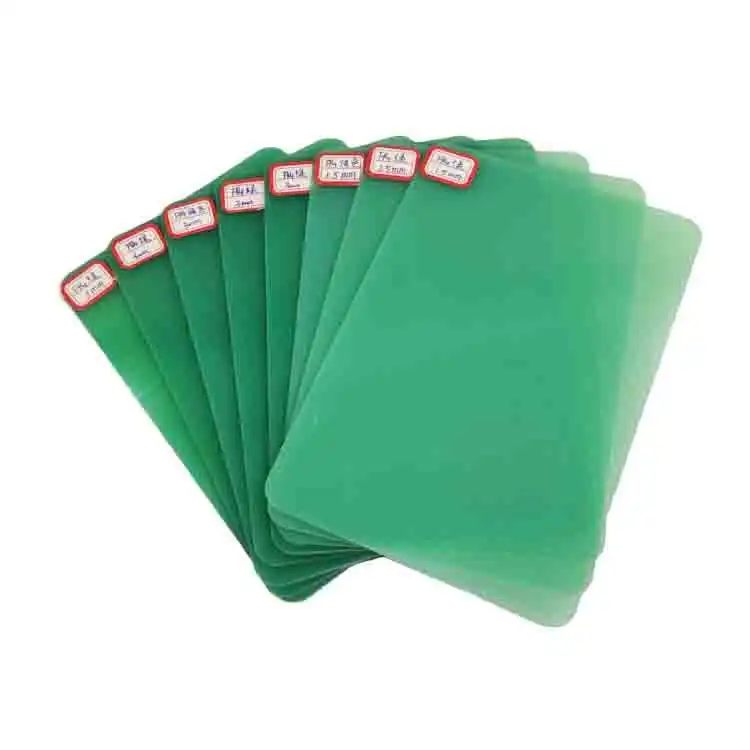
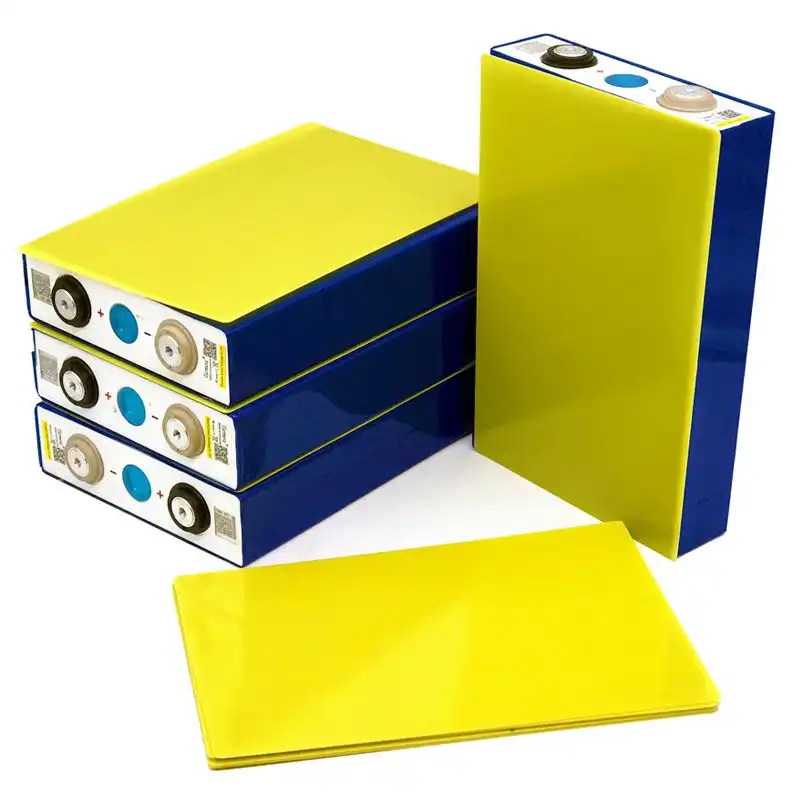
The Difference Between FR4 Black Sheet and G10 Black Sheet
2026-04-21 17:01:28
It is important to know the difference between FR4 black sheet and G10 black sheet when choosing composite laminates for tough industrial uses. Both are made of epoxy resin and glass fiber cloth, but the main difference between them is that one doesn't catch fire. UL94 V-0 flame-retardant ingredients are used in FR4 black sheet, which makes it self-extinguishing and perfect for electrical safety uses. G10 black sheet is strong physically and provides great insulation, but it is not fire-resistant. This makes it better for uses where flame retardancy is not required but structural stability is still very important.
Understanding FR4 Black Sheet and G10 Black Sheet
Composition and Manufacturing Process of FR4 Black Sheet
Because we've been making insulation materials for 20 years, we know that FR4 black sheet is a very advanced piece of tech. This heat-setting layer is made up of continuous filament-woven fiberglass cloth that is soaked with epoxy resin systems that are either brominated or halogen-free. During production, several layers are compressed under high pressure and high temperatures, making a thick, uniform composite structure. The black color comes from adding carbon black or similar chemicals, which make the color look regular and make it more resistant to UV light. This managed manufacturing process makes sure that the dielectric qualities, mechanical strength, and dimensional stability are all the same across production batches. These are important factors that our engineering manager clients always put first.
Core Properties of G10 Black Sheet
G10 black sheet is also made of glass and resin, but it doesn't have any chemicals added to it that stop fires. This material comes from military and aircraft standards that need very good mechanical qualities and resistance to moisture. When compared to phenolic options, G10 black sheet's epoxy resin system is stronger and more resistant to pressure. It usually works well in moderately hot or cold places because its glass transition temperature is between 130°C and 140°C. The material has almost no water absorption rates (below 0.1%), which makes it perfect for marine uses and high-humidity manufacturing settings where stability is important.
Key Technical Distinctions
The main difference between these products is not just that they don't catch fire. The glass transition temperature (Tg) of FR4 black sheet is usually between 130°C and 140°C, but high-Tg versions can hit 170-180°C for tough thermal uses. G10 black sheet has similar thermal performance, but it gives up some fire protection in exchange for slightly better mechanical qualities. FR4 black sheet and G10 black sheet have slightly different dielectric values. At 1MHz, FR4 black sheet is usually between 4.4 and 4.8 and G10 black sheet is between 4.2 and 4.6. Even though these changes don't seem important, they have an effect on signal integrity in high-frequency circuits and impedance matching in precision electronics. Power distribution businesses know that these differences have an impact on the long-term dependability of transformer insulation and arc barrier uses.
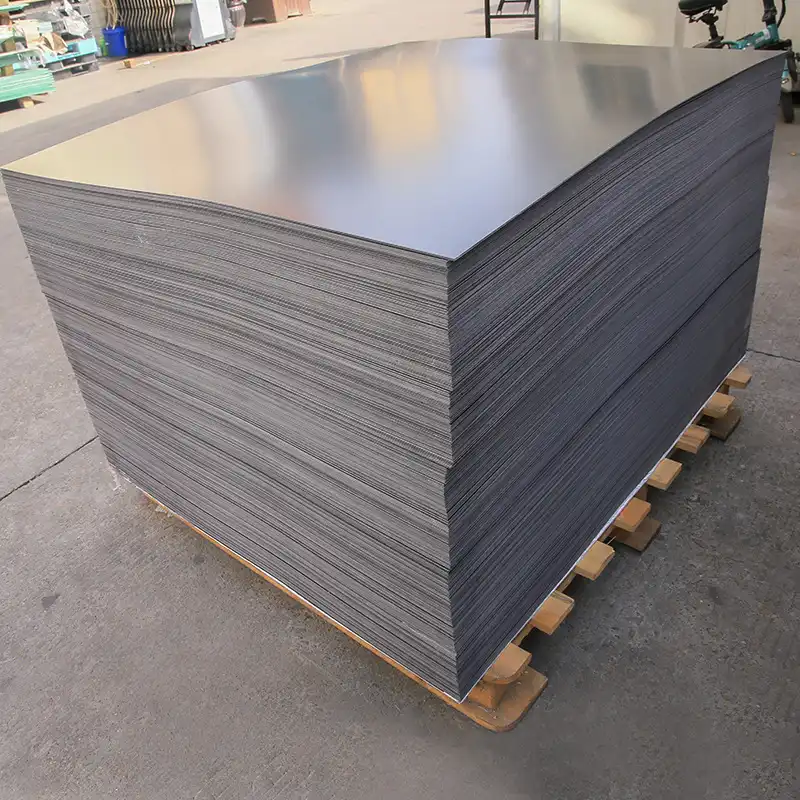
Comparing FR4 Black Sheet and G10 Black Sheet
Mechanical and Thermal Performance Analysis
When the structural strengths of these epoxy laminates are compared, subtle differences become clear. Both materials have excellent mechanical properties that meet the most stringent needs of industry.
- Flexural Strength: FR4 black sheet usually hits 415–450 MPa perpendicular to the laminations, while G10 black sheet hits 380–420 MPa. Because of this, FR4 black sheet is better for supporting PCBs that are subjected to repeated changes in temperature and stress from mechanical forces.
- Compressive Strength: Both materials are stronger than 415 MPa, so they can be used reliably in high-load situations like motor brackets and machinery spacers, which are common requests from clients who buy industrial equipment.
- Impact Resistance: G10 black sheet has slightly higher Izod impact values (530–640 J/m) than FR4 black sheet (480–580 J/m), which means it can handle more damage in car uses that are prone to vibration.
Thermal properties are another important factor to consider when evaluating. The flame-retardant chemicals in FR4 black sheet make it self-extinguish within seconds of removing the source of the spark, which meets strict electrical safety standards. Once G10 black sheet is lit, it will keep burning, which means it can't be used in enclosed electrical spaces. Both materials can work at 130°C for a long time, but FR4 black sheet's resistance to thermal breakdown makes it better in places where arcs are likely to happen, like switches.
These performance measures have a direct effect on the choice of material for transformer makers and sellers of car parts who need approved thermal protection and mechanical reliability under long-term operating stress.
Electrical Properties and Dielectric Performance
Electrical properties are what really decide whether a material is good for use in electronics and power uses. The volume resistance of FR4 black sheet stays above 1.0×10^14 Ω-cm, which means that very little current can leak through insulation walls. It usually has a dielectric breakdown strength of more than 20 kV/mm, which makes it a strong barrier against voltage changes in power distribution systems. At 1MHz, the dissipation factor stays below 0.02, which keeps signal loss to a minimum in high-frequency circuits. This is a feature that R&D workers in car electronics really like for battery management system uses.
The dielectric strength of G10 black sheet is about the same, with a volume resistance of about 1.0×10^13 Ω-cm and equal breakdown voltage properties. The material has a slightly lower dielectric constant, which can help controlled impedance uses that need to be very precise with signal timing. Both materials keep their electrical properties steady in a range of humidity levels, but FR4 black sheet is usually made with moisture barriers that make outdoor electrical systems more reliable over time.
Chemical Resistance and Environmental Durability
Insulation materials are exposed to many chemicals and weather factors in industrial settings. It's great that both epoxy laminates are resistant to mineral oils, hydraulic fluids, and most chemical solvents that are used in machines. G10 black sheet is slightly more resistant to some alkaline solutions, but FR4 black sheet works better in oxidizing conditions because it is made of a stable plastic.
Both materials continue to absorb very little water—usually less than 0.1% after 24 hours in water. This property makes sure that the dimensions stay the same when parts are being cleaned before being put together in the production of appliances. Black-pigmented versions have better UV protection than natural grades, which means they last longer in situations where they might be exposed to sunlight.
Cost Considerations and Market Availability
The way prices are set depends on how complicated the method is and what certifications are needed. Because it has flame-retardant chemicals and has been through a lot of UL/RoHS safety testing, FR4 black sheet usually costs 15 to 25 percent more than G10 black sheet. When you look at the overall cost of the system, though, this difference in price becomes smaller. For example, when you use FR4 black sheet, you don't have to use extra flame barriers or safe enclosures like you do with G10 black sheet in electrical uses.
Material supply changes from market to market around the world. Established supply lines in the PCB business make it easier to get FR4 black sheet, which is easy to find in standard thicknesses ranging from 0.5 mm to 100 mm. G10 black sheet is mostly sold by industrial wholesalers to people who build machines. The most usual thicknesses are 1.5 mm to 50 mm. Custom thickness cutting and CNC machining services can meet specific size needs, but the minimum order quantity for non-standard specs is usually between 50 and 100 sheets. This is something that OEM sourcing managers should think about when planning sample runs.
Decision-Making Guide for B2B Buyers
Matching Material Properties to Application Requirements
When choosing between these epoxy glass laminates, it's important to make sure that they meet working needs and government regulations. FR4 black sheet should be the first choice for electrical and electronics makers for any job that involves electricity, heat, or being close to sources of fire. Its ability to put out fires on its own meets the standards of the National Electrical Code and stops fires from spreading in switchgear units, motor terminal boards, and PCB substrates.
When it comes to uses that are only mechanical, G10 black sheet gives industrial machinery builders more options. Gears, wear plates, structural spacers, and jig fixtures can all use G10 black sheet because it is cost-effective without losing performance. The material is better at withstanding impacts, which is helpful in places with a lot of vibrations where mechanical shock is more dangerous than heat stress.
Because of the risk of arc flash and the need to follow regulations, all uses in the power industry need FR4 black sheet. Only FR4 black sheet can meet the approved flame resistance needs of transformer coil insulation, busbar supports, and arc chutes. FR4 black sheet is being used more and more in automotive uses to insulate battery packs and place electronic control units. This is because it prevents thermal runaway, which explains the higher cost of the material.
Regulatory Compliance and Certification Verification
Compliance paperwork tells the difference between legitimate providers and dishonest ones. UL recognition under file numbers E41871 or an equal confirms flame retardancy testing to UL94 V-0 standards, which are the gold standard for safety in electrical insulation. RoHS compliance certificates make sure that restricted substances like lead, mercury, and brominated flame retardants are not present in halogen-free versions, which are becoming more and more important to European device makers.
The IPC-4101 standards give full performance ratings for PCB base materials. A rating of /21 means that the Tg is at least 130°C, and a rating of /24 means that the material is high-performance at 170°C. The military standard MIL-I-24768/27 talks about G10 black sheet needs for defense uses. By asking for approved test results for dielectric strength, flammability rating, and moisture absorption, you can avoid using low-quality materials that put product safety and regulatory approvals at risk.
Sourcing Strategies and Supplier Evaluation
To find trusted suppliers, you need to look at their manufacturing and service facilities. Established providers use ISO 9001 quality management systems and detailed process controls to make sure that consistency from batch to batch is maintained. This is very important for the stability of mass production in the appliance making industry. The best providers offer technical support; having access to application experts who know about CNC machining parameters, adhesive bonding methods, and thermal management makes the best use of materials.
It is still common to ask for samples of materials before committing to large quantities of production. Samples let you check the thickness limits (usually ±0.1mm for precision grades), the quality of the surface finish, and how easy it is to machine with the tools you have. There are a lot of different minimum order amounts. For example, sheet stock sellers usually need at least 10 to 25 sheets, but distributors who work with prototypes may let you buy just one sheet for a higher price.
Logistics skills have a big effect on the total cost of landing. When suppliers use combined transportation networks, they make it easier to clear customs, combine freight, and plan deliveries. This cuts down on the time it takes from placing an order to having the goods on the production floor. Vertically integrated suppliers that make materials, offer precision cutting services, and organize shipping are very helpful for tier-1 supply chain managers who are in charge of setting up just-in-time manufacturing plans.
How to Ensure Quality and Reliability When Buying FR4 Black and G10 Black Sheets?
Certification Assessment and Documentation Verification
Protecting your buying investment starts with making sure that suppliers meet strict requirements. Ask for full certification packages that include data from the UL yellow card, RoHS compliance statements, and IPC specification conformance certificates. These papers give third-party confirmation of the properties of the materials and the stability of the production process.
Make sure you get test reports that are special to the batch of G10 black sheet you bought. These reports should show the material's dielectric strength, flame rating, ability to absorb moisture, and mechanical qualities. Reliable providers keep detailed quality records that can be tracked from the time they receive the raw materials to the time they send the finished product. This paperwork is very important when getting materials ready for safety-critical uses that need approval from regulators or checks by customers.
Check the quality management certifications of the seller, such as ISO 9001 and standards relevant to the business, such as IATF 16949 for car suppliers. These qualifications show that an organization is dedicated to process control, ongoing growth, and customer happiness. These are all signs of a strong potential for a long-term relationship.
Technical Specification Validation
Material data sheets list the qualities of the material in general terms, but the actual FR4 black sheet that is provided must be checked before it is bought. Ask for samples to be tested by someone else, or follow the rules for getting inspections to check the thickness, color consistency, and quality of the surface. Dimensional limits have a direct effect on the yield and fit of the assembly. Make sure that the specs match your needs before you commit to bulk orders.
Breakdown voltage tests and insulation resistance measurement should be used to check the dielectric properties, especially when looking at new sources. These electricity tests show things about the quality of the material and how it was processed that can't be seen with the naked eye. Conformance to written standards is proven by mechanical tests like flexural strength and impact resistance.
Get providers involved in technical conversations about the needs of your unique application. Knowledgeable sellers give advice on how to use their products, suggest the best grades, and warn of possible problems before they affect production. This way of working together helps everyone understand each other better and solve problems before they happen, which keeps the supply chain running smoothly.
Sustainable and Eco-Friendly Procurement Practices
As more customers demand sustainable supply lines, environmental responsibility is becoming a bigger factor in B2B buying choices. Halogen-free FR4 black sheet versions get rid of antimony trioxide and brominated flame retardants, which is better for the environment while keeping the UL94 V-0 flame ratings. These improved recipes help companies with their efforts to be more environmentally friendly without lowering the safety of their products.
Ask for environmental product declarations (EPDs) or life cycle assessment records that show the product's significant impact on the environment. Progressive providers are open about where their raw materials come from, how much energy they use in production, and how their products can be recycled when they're no longer useful. This information backs up the need for sustainable reports and shows that the supply chain is doing its part.
Look at the supplier's plans to cut down on waste and improve process efficiency. By using lean production principles and material optimization, manufacturers can reduce their impact on the environment and make their products more cost-effective, which creates incentives that are matched for a long-term relationship.
Conclusion
The main differences between FR4 black sheet and G10 black sheet are the levels of flame resistance needed and the performance goals for each application. Because it doesn't catch fire on its own and is very stable at high temperatures, FR4 black sheet is a must-have for electrical uses where flame protection is required by safety standards. If you don't need electrical performance, G10 black sheet offers cost-effective mechanical performance without losing structure stability or environmental durability. A good material selection process takes into account scientific needs, legal requirements, cost, and the supplier's abilities. Using experienced suppliers with full technical support, well-documented quality systems, and quick logistics guarantees successful buying and long-term product reliability in a wide range of challenging industrial settings.
FAQ
Can FR4 and G10 be used interchangeably in PCB manufacturing?
Both materials can be used as PCB boards, but how they can be switched out depends on the needs of the design. FR4 black sheet remains the standard choice for business electronics because it is recognized by UL and doesn't catch fire, which are both important for safety approvals. G10 black sheet can be used instead in non-commercial settings, like in military or industry controls, where the specs make it clear that it can be used. But when you switch materials, you have to re-qualify your assembly methods because small differences in temperature expansion and machinability change the parameters for cutting and soldering.
What heat resistance does FR4 offer compared to other epoxy sheets?
The standard for FR4 black sheet keeps it working at 130°C all the time, with short trips to 140°C. High-Tg versions increase this range to constant operation between 170 and 180°C, which is similar to polyimide performance but less expensive. FR4 black sheet has a better temperature cushion than phenolic laminates that can handle up to 120°C. For high temperature uses above 200°C, however, special materials like polyimide or ceramic-filled composites are better than FR4 black sheet.
What are typical lead times for bulk orders from certified suppliers?
Standard width sheet stock (1.5 mm to 6 mm) usually ships in one to two weeks for orders of less than 500 sheets. Lead times may be extended to 3–4 weeks if you need a specific thickness or grade, and this will depend on when the production is scheduled. Orders of more than 1000 sheets need to be planned for over 4-6 weeks, especially during times of high demand. If you need something quickly, you may be able to pay more for expedited creation.
Partner With J&Q for Premium FR4 Black Sheet Solutions
With more than twenty years of experience making and selling high-quality insulation products, J&Q combines proven technical knowledge with a wide range of service options. As a well-known company that sells FR4 black sheet, we keep high quality standards by using ISO-certified production methods and providing full UL/RoHS compliance paperwork. Our vertically integrated operations include high-precision CNC cutting, custom thickness requirements, and flexible order amounts that can be used for both small-scale prototypes and large-scale production.
We know how important it is for materials to be reliable in electricity safety uses. Our expert team helps with application engineering to choose the best materials, set the right settings for machining, and make sure that the parts fit together perfectly. With our own logistics skills, we offer streamlined supply chain solutions that support just-in-time production. These include consolidated shipping, customs management, and reliable delivery plans.
Whether you're coming up with new ideas for products or looking at other suppliers for current ones, our sample program lets you try them out before you commit. Email our team at info@jhd-material.com to talk about your unique needs, get detailed data sheets, or get bulk quotes that are made to fit your project. We want to build long-lasting relationships with our customers by providing quick service, high quality, and reasonable prices.
References
National Electrical Manufacturers Association. "NEMA Standards Publication LI 1-1998: Industrial Laminating Thermosetting Products." National Electrical Manufacturers Association, 1998.
Institute for Printed Circuits. "IPC-4101D: Specification for Base Materials for Rigid and Multilayer Printed Boards." IPC International Standards, 2017.
Underwriters Laboratories. "UL 94: Standard for Safety of Flammability of Plastic Materials for Parts in Devices and Appliances." Underwriters Laboratories Inc., 2013.
Tummala, Rao R. "Fundamentals of Microsystems Packaging." McGraw-Hill Professional, 2001.
Harper, Charles A. "Electronic Materials and Processes Handbook." Third Edition, McGraw-Hill Education, 2004.
Military Specifications and Standards. "MIL-I-24768/27: Glass-Cloth, Epoxy-Resin Laminate, Sheet, Glass Transition Temperature 130°C Minimum." United States Department of Defense, 1987.