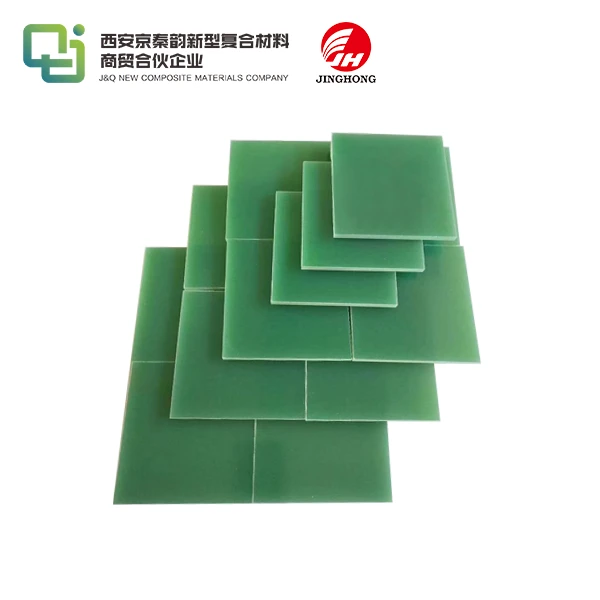
Phenolic Laminated Cloth Board Has Better Processability
2026-04-22 17:24:10
When purchasing and engineering managers look at insulation materials, phenolic laminated cloth board always comes out on top because it is so easy to work with and doesn't change size. Through a hot-press curing process, this composite material combines woven cotton fabric with thermosetting phenolic resin. It has a unique mix of mechanical strength and processing ease that makes it better than many other options. The cotton base structure makes it easier to work with because it lets you drill, thread, and cut precisely without too much tool wear or delamination. These are important factors that lower production costs and boost manufacturing efficiency in industrial, automotive, and electrical settings.
Understanding Phenolic Laminated Cloth Board and Its Superior Processability
In order to make this material, phenol-formaldehyde resin is mixed with knitted cotton cloth and then the cloth is laminated under controlled heat and pressure. This method makes a structure that is all the same and has consistent thickness limits, usually keeping differences within ±0.1mm. The densities of the composite that was made are between 1.30 and 1.45 g/cm³, which is the best mix between weight and structural integrity.
Manufacturing Process and Material Composition
The production process starts with choosing high-quality cotton fabric. This fabric is then cleaned and pre-treated to make sure it absorbs resin evenly. Phenolic resin, a thermosetting polymer that is great at resisting fire and keeping its shape, gets into the cloth layers using vacuum impregnation methods. Then, several layers that have already been filled are stacked on top of each other and heated to temperatures between 150°C and 170°C while being pressed under pressures greater than 10 MPa. Through the hardening process, the molecules of the resin are linked together, making a stiff matrix that holds the cotton fibres in place while keeping their natural flexibility.
Physical and Chemical Properties Driving Processability
The cotton fibre base has a softer cutting surface than options made of glass fibre, which greatly reduces tool wear during CNC machining. In axial compression tests, the interlaminar bonding strength is higher than 150 MPa, which keeps the layers from coming apart when cutting or milling. With a rate of thermal expansion usually less than 30 ppm/°C, the material keeps its shape even when the temperature changes. Because it doesn't react badly with mineral oils, mild acids, or common solvents, it can be used in transformer oil immersion and hydraulic fluid environments. This lets it be used in more areas of power transfer and machinery.
Comparison with Conventional Insulation Materials
Traditional types of soundproofing, such as glass-epoxy laminates and melamine boards, are hard to work with. Even though glass-reinforced materials are stronger mechanically, they produce abrasive dust when they are machined that wears down tools faster and needs special air systems. When put under mechanical stress, melamine boards become flimsy, which can cause edges to chip and make fine-detail work less accurate. The cotton-phenolic composition gets around these problems by being easy to machine and having strong mechanical properties. This makes it especially useful for parts that need to be made with tight tolerances and complicated shapes.

Key Properties and Advantages of Phenolic Laminated Cloth Board
Materials used in industrial settings need to work consistently under tough conditions. The phenolic cotton cloth laminate meets these needs because it can withstand high temperatures, is strong, and can be easily processed, all of which lead to real benefits in production.
Mechanical Strength and Durability
Standardised tests for phenolic laminated cloth board show that the material's compressive strength is usually higher than 150 MPa. This means that it can hold up heavy loads on structures without permanently deforming. The tensile strength is about 80 MPa when the layers are lined up parallel to each other. This is strong enough to prevent pulling forces in mounting applications. The cotton fibre reinforcement makes the part very resistant to impacts and good at absorbing vibrations, which are very useful in motor parts and machinery spaces where loads move around a lot. Instead of breaking easily like ceramic insulators do, this laminate can handle small mechanical shocks without breaking completely. This lowers the risk of breakdowns and upkeep costs.
Thermal Stability and Temperature Performance
According to IEC standards, the laminate is a Class E shielding material. It works reliably at temperatures up to 120°C for long periods of time and up to 140°C for short periods of time. In situations where heated hydraulic fluids, motor windings, or transformer cores are present, this thermal durability is very important. The low coefficient of thermal expansion keeps the dimensions stable even when the temperature changes, so joined parts don't warp or come loose. Long-term ageing tests show that the mechanical qualities stay the same after 5,000 hours at the recommended temperature. This confirms that it is suitable for important long-life uses in power distribution equipment.
Superior Machinability and Processing Benefits
One of the best things about the material is how well it responds to common cutting methods. CNC drilling makes clean, burr-free holes without pre-drilling or using special bits. This cuts down on setup time and the cost of tools. When you thread something, you get clean, precise threads that can be used with fine-pitch mechanical fastenings. In many cases, this means you don't need metal plugs. When compared to glass-reinforced options, turning and milling produce less dust, which improves the air quality in the workplace and lowers the need for cleaning. Because the material is naturally lubricious, it has a low friction coefficient, usually less than 0.35 against steel. This means that in production settings, the tools last 40–60% longer than with fibreglass laminates.
Electrical Insulation and Dielectric Performance
In a path perpendicular to the lamination planes, dielectric strength measurements usually go above 12 kV/mm. This meets the needs for medium-voltage applications in switchgear and motor parts. Leakage currents can't get into sensitive electrical assemblies when the volume resistivity is above 10³⁰ ©·cm under normal conditions. The substance's insulating properties stay stable when submerged in transformer oil, so it meets IEEE standards for electrical equipment that is filled with oil. Even when it's humid, surface resistivity stays high. However, environments with controlled humidity improve long-term dependability in important uses.
Procurement Insights: How to Source Phenolic Laminated Cloth Board Effectively?
Understanding how the market works, what suppliers can do, and how to check quality in a way that protects buying investments and keeps production going is important for strategic sourcing.
Evaluating Supplier Qualifications and Certifications
Manufacturers with a good reputation use ISO 9001 quality management systems to keep track of process rules and materials used throughout the production process. Look for sources that can certify their materials to meet NEMA or IEC 60893 standards. This will give you peace of mind that the properties will stay the same. UL recognition for certain grades means that the product has been tested and approved for use in safety-critical electrical applications. This is especially important for goods that will be sold in North America. RoHS compliance paperwork makes sure that there are no restricted substances, which is in line with environmental rules for making electronics and parts for cars.
When it comes to manufacturing phenolic laminated cloth board, having decades of knowledge usually means that process controls are better and product quality stays stable. Suppliers with combined production facilities that control the formulation of resin, the preparation of fabric, and lamination usually provide better batch-to-batch consistency than operations that use intermediate materials that are outsourced. Having in-house testing labs with mechanical testing tools, dielectric test sets, and environmental chambers shows that the company is serious about quality control that goes beyond simple visual inspection.
Minimum Order Quantities and Logistics Considerations
In order to make standard sheets, you usually need to order at least 50 to 200 sheets, based on the size and thickness. This is because of the economics of manufacturing and the cost of setting up the machine. For custom specifications, higher minimums may be needed to justify changes to the method and tools. Lead times range from two to six weeks for normal grades and up to eight weeks or more for custom formulations or sizes that aren't standard. By planning procurement plans around these dates, you can avoid delays in production and avoid having to pay extra fees for expediting.
The state of the material when it arrives is affected by how it was packaged. Moisture-resistant wrapping keeps sheets safe while they're being shipped, which is especially important for sea freight. Pallet design should keep edges from getting damaged by using the right supports and locking systems. Before accepting shipment and processing payment terms, the item should be inspected upon receipt to make sure it is the right size, in good shape, and marked with the correct material grade.
Customization and Volume Pricing Strategies
Bulk purchasing deals give you more power to get better prices and make sure you always have a supply. Annual contracts with quarterly releases balance the costs of keeping inventory with bulk discounts. This usually saves 10 to 25 percent compared to buying on the spot. When internal processing capacity is limited or when reducing material waste supports higher prices, customisation options like pre-cut blanks, drilled patterns, or specific surface treatments add value.
Building ties with experienced suppliers has benefits that go beyond lowering unit costs. When making new goods or improving old ones, it's helpful to have technical support for choosing materials, processing suggestions, and fixing problems. Logistics-savvy suppliers can make it easier for goods to get through borders, be sent within the country, and be delivered just in time, which lowers the need for working capital.
Enhancing Your Manufacturing Process with Phenolic Laminated Cloth Board
When adding this material to the production process, it's important to choose the right machining parameters, tools, and handling methods to get the best results in terms of both speed and quality.
Optimal Machining Practices and Tool Selection
Carbide tools with positive rake angles and sharp cutting edges work best for CNC milling tasks on phenolic laminated cloth board. Spindle speeds of 3,000 to 6,000 RPM and feed rates of 150 to 300 mm/min make clean cuts with little heat production. When compared to other milling methods, climb milling techniques reduce edge tear-out and improve surface finish. Using light oil-based lubricants as coolants can make tools last longer and protect them from heat damage. However, dry machining is still possible for many tasks because the material has low friction.
For holes up to 10 mm in diameter, standard high-speed steel bits with 118-degree point angles work well for drilling. For bigger holes, carbide-tipped or solid carbide equipment is better. Pecking processes with frequent chip clearing keep the dimensions accurate and keep the holes from getting clogged. Backing on the exit side stops breakthrough tear-out, which is very important for thin sheets with through-holes. Threading taps should be sharp and well oiled. For through-holes, spiral flute shapes make it easier for chips to escape.
Precision cylinder parts like bushings and spacers are made by turning applications on laminates. Cutting at moderate speeds with positive rake tools keeps material from bending and vibrating too much. Using steady rests to hold up long pieces of work keeps them centred and stops them from deflecting. Surface speeds between 80 and 120 meters per minute usually produce good finishes and keep tool life at a good level.
Quality Control and Process Optimization
Using measured micrometres and callipers to check the dimensions of machined parts makes sure they meet the requirements of the drawing. Visual inspection finds flaws on the surface, delamination, or damage from cutting that needs to be fixed or thrown away. Electrical testing of insulating parts proves that the dielectric strength meets the needs of the application. This is especially important for safety-related uses in electrical equipment.
The goal of process optimisation is to find a good balance between speed of output, quality, and the cost of tools. Keeping track of how tools wear out and how often they need to be replaced lets you plan preventative repair that keeps quality from dropping. By looking at the amount of scrap and the reasons for rework, process changes can be found that cut down on wasteful materials and high labour costs. Training operators on the properties of materials and the right way to handle them reduces damage and raises first-pass return rates.
Conclusion
Phenolic laminated cloth board has a great mix of mechanical strength, thermal stability, and ease of processing that meets important needs in the automobile, industrial, and electrical manufacturing sectors. It's easier to machine, which lowers production costs by making tools last longer and allowing for faster cycle times. It also keeps the precise dimensions and electrical properties needed for tough uses. Procurement teams can improve the quality of parts and the speed of production by learning about the properties of the material, comparing options in an unbiased way, and using strategic sourcing methods. Transformer insulation, motor parts, and wear-resistant mechanical parts have a track record of reliable performance in a wide range of working conditions and application needs.
FAQ
What kinds of thicknesses are there for business uses?
Standard sheet thicknesses meet most industrial needs, ranging from 0.5 mm to 100 mm. Electrical insulation jobs that need to take up little room can use sheets that are between 0.5 mm and 3 mm thick. Thicknesses between 6 mm and 25 mm are useful for basic mechanical and structural tasks. Heavy pieces ranging from 30mm to 100mm are used to make big gears, thick wear pads, and strong structural parts. Suppliers that specialise in custom thickness manufacturing can meet the needs of any unique application. However, the minimum order quantity usually goes up for non-standard measurements.
How does moisture change the way a material works and how stable its dimensions are?
When there is a lot of wetness, cotton-phenolic laminates only absorb about 1% to 2% of their weight in water. When the material goes from being dry to being wet, this absorption can cause small changes in its size, about 0.1-0.3% linear growth. Applications in controlled settings or oil immersion reduce the effects of moisture as much as possible. Keeping the parts dry before they are machined ensures that they will stay the same size during the process. The finished phenolic resin does a good job of keeping water out, but it shouldn't be left in standing water for too long if it needs to work in critical situations with tight tolerances.
What approvals should I look for when buying parts for UL-listed products?
Material providers should show UL-recognized paperwork that shows certain grades have been tested and approved for use in safety-related situations. This certification shows that the flame resistance, dielectric strength, and tracking resistance meet UL guidelines for materials used in electrical insulation. RoHS compliance certificates show that a product doesn't contain any restricted chemicals that are needed to sell it in a regulated area. Getting ISO 9001 approval shows that you have put in place a quality management system. Material test reports that list the mechanical properties, electrical characteristics, and thermal performance of a batch help with quality control standards by providing batch-specific proof.
Partner with J&Q for Reliable Phenolic Laminated Cloth Board Supply
J&Q has been making high-quality phenolic cotton cloth laminates for over 20 years. These laminates are used in electrical, industrial, and automotive uses and must meet strict requirements. Our integrated production facilities use strict process controls to make sure that the properties of every batch of material are the same. This is backed up by thorough testing methods that make sure they meet international standards. Engineering teams offer technical advice to help you choose the best grades and specifications for your application, and our dedicated logistics section makes it easier to clear customs and coordinate deliveries.
We are a well-known company that supplies phenolic laminated cloth board and have done business all over the world, so we know the problems that engineering managers and buying specialists face when they need to buy things. Our inventory management systems allow for flexible buying, from small quantities for prototypes to large quantities for full production. We also offer customisation services like precise drilling, cutting, and surface treatment that cut down on the work you have to do in-house. You can talk to our technical sales team at info@jhd-material.com about the details of your project, ask for samples of the material, or get full quotes that are based on your volume and delivery needs.
References
"Phenolic Resins: Properties, Processing, and Industrial Applications," Industrial Materials Research Institute, 2019.
Chen, W., and Roberts, P., "Comparative Analysis of Laminated Insulation Materials for Electrical Equipment," Journal of Electrical Insulation Engineering, Vol. 34, No. 2, 2020.
NEMA Standards Publication LI 1-1998, "Industrial Laminated Thermosetting Products," National Electrical Manufacturers Association, 2018 Revision.
Anderson, T., "Machining Characteristics of Composite Insulation Materials: A Technical Guide for Manufacturing Engineers," Advanced Manufacturing Press, 2021.
IEC 60893-3-2, "Specifications for Industrial Rigid Laminated Sheets Based on Thermosetting Resins for Electrical Purposes – Part 3-2: Specifications for Individual Materials," International Electrotechnical Commission, 2020.
Miller, J., and Thompson, K., "Material Selection Strategies for Thermal Management in Power Distribution Systems," IEEE Transactions on Dielectrics and Electrical Insulation, Vol. 28, No. 4, 2022.
_1732777843529.webp)
_1747991245292.webp)
.webp)