Can Phenolic Paper Board Be Used in Electrical Enclosures?
2026-04-22 17:24:12
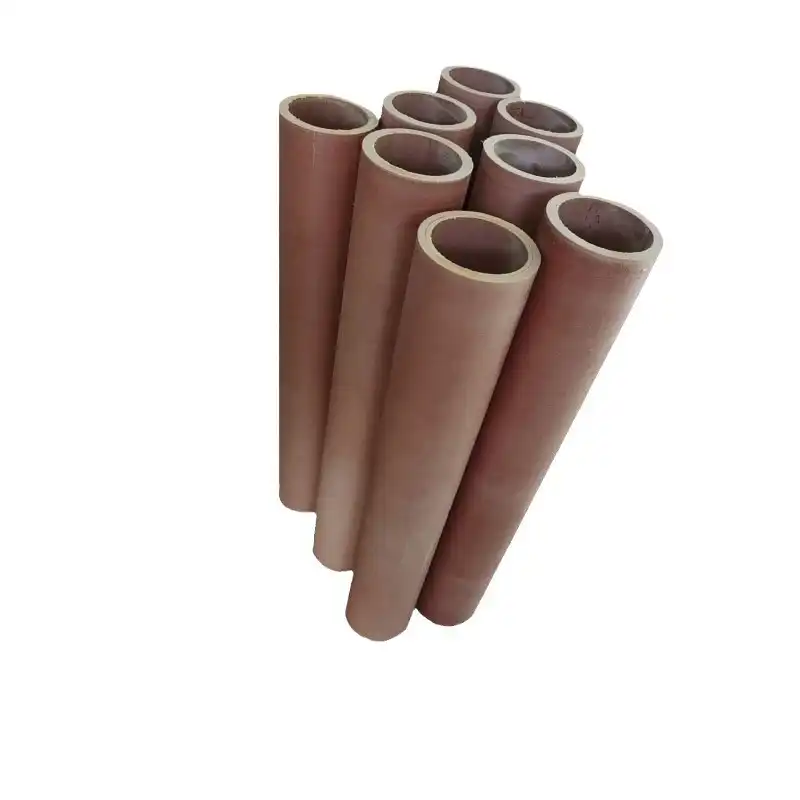
Of course. Phenolic paper board has been used for years to make electrical enclosures in a wide range of businesses. This thermosetting composite laminate has great dielectric strength, heat resistance, and structural stiffness, all of which are necessary for safely housing electrical components. More and more, engineering managers and procurement specialists are realising that this material can meet UL and ROHS safety standards and is easier to machine than other enclosure materials. Phenolic paper board is a good option for switchgear housings, control panel backs, and terminal block assemblies in harsh industrial settings because of its low cost and high level of electrical protection.
Understanding Phenolic Paper Board and Its Properties
Composition and Manufacturing Process
A specific industrial method involves layers of kraft paper that are saturated with phenolic resin. This makes phenolic paper board. To bond these layers together into a solid laminate, manufacturers use high temperatures and pressures of about 1000 psi. This method makes what are called NEMA Grade X, XX, or XXX in the business. Each grade has its own set of performance characteristics. The paper substrate makes the material easy to work with mechanically, and the phenolic resin matrix gives it chemical resistance and electrical insulation qualities that set it apart from alternatives made of wood.
Key Physical and Electrical Characteristics
The density of the material is between 1.30 and 1.45 g/cm³, which makes it ideal for electrical covers because it is lightweight and strong. In short-time tests, the dielectric strength usually exceeds 500 V/mil, which makes sure that there is enough protection between powered parts. During laboratory tests, we saw bending strength greater than 135 MPa when viewed lengthwise. Mineral oils and popular industrial solvents don't react with the phenolic resin composition, which means it lasts longer in harsh manufacturing environments. For continuous use, the temperature range goes up to about 110°C to 120°C, which meets the Class E insulation standards for transformers and switchgear.
Comparison with Traditional Enclosure Materials
Plywood and MDF have problems with absorbing water, which makes them less stable in electrical uses. Metal enclosures let energy flow and make installations heavier than they need to be. This problem can be fixed with phenolic laminates, which have both non-conductive features and mechanical durability. The punchability of the material lets you hot-stamp complicated forms without the layers coming apart. This is a useful manufacturing feature when making custom enclosure designs. Tolerances for thickness stay the same from one production batch to the next, which makes assembly easier for OEM makers who need parts that fit perfectly.
Why Consider Phenolic Paper Board for Electrical Enclosures?
Performance Challenges with Standard Materials
During their useful life, electrical covers made of phenolic paper board are exposed to chemicals, temperature changes, and changes in humidity on a regular basis. Traditional materials, like raw wood, soak up water, which causes them to swell and change size, which weakens the seal. When temperatures get too high, plastic laminates may release gases that could contaminate sensitive computer environments. In order to be built, metal housings need to be grounded and are more difficult to make. Because of these problems, engineering teams have to look at other materials that can meet more than one performance need at the same time.
Superior Fire Resistance and Dimensional Stability
Phenolic resin systems naturally stop flames from spreading, which is a very important safety trait in electrical settings where arc faults can cause fires. At temperatures where many thermoplastics distort, this material keeps its shape. During our testing procedures, the samples didn't change much in size across temperature ranges that are common in industrial electrical systems. This security makes sure that there are always enough space between live parts for as long as the enclosure is in use. When housing circuit breakers and disconnect switches, these thermal properties are especially useful for power distribution uses.
Industrial Application Evidence
Manufacturers who use phenolic-based enclosures for motor control centers say that repair intervals are longer than with plywood installations in the past. The material's ability to resist tracking in dirty situations lowers the number of times insulation fails. Suppliers of automotive parts have successfully put these laminates into the housings of battery management systems. This has helped the performance of the systems by reducing their weight and isolating the electrical connections. Manufacturers of transformers use phenolic barriers as arc chutes because the material can handle short plasma contact without losing its structural integrity.
Comparing Phenolic Paper Board to Alternative Enclosure Materials
Durability and Moisture Performance Analysis
It is much less noticeable in phenolic laminates than in wood composites when they are exposed to 85% relative humidity. The NEMA XXX types are designed to work in places with a lot of humidity because they have more resin, which keeps water from getting into the paper fibres. This trait means that the product will work reliably for a long time in outdoor enclosures or placements close to process cooling systems. The substance stops the growth of fungi that usually attacks organic materials in enclosed electrical spaces. This lowers the risk of contamination and the need for upkeep.
Total Cost of Ownership Considerations
Phenolic laminates cost more to make than plywood at first, but the full cost of ownership includes how efficiently they are made, how much labour is needed for installation, and how much upkeep is needed over their lifetime. Because paper-based phenolic grades can be punched, makers of enclosures don't have to do as much secondary machining, which speeds up the production process. Assembling teams say that the materials' uniform properties and pre-drilled mounting holes that keep the pieces in place speed up the installation process. When equipment makers use phenolic-based enclosures in their electrical systems, warranty claims and service calls go down. This means that the total cost of ownership is lower.
Surface Finish and Supplier Selection Factors
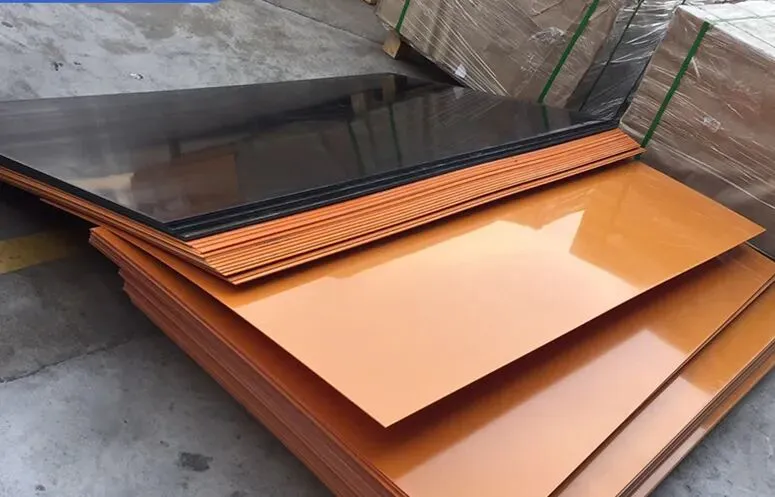
Phenolic paper board can have different surface treatments, such as painted finishes and images that are silk-screened to help identify parts. As long as the cost is kept low, the natural brown colour is good enough for industrial uses. During the vendor qualification process, purchasing managers should check that suppliers have the right certifications, such as UL recognition and ROHS compliance documents. Lead times depend on the grade and thickness needed, so it's important to start working with manufacturers early on when project deadlines affect the need for material supply.
Procurement Guide: How to Source Phenolic Paper Board for Electrical Enclosures?
Material Grades and Specifications
NEMA Grade XX is good for most general electrical enclosure uses that need moderate protection to moisture and easy machineability. It's necessary to use Grade XXX when higher humidity levels or better insulating performance make the extra cost worth it. You can choose from thicknesses ranging from 1.5 mm to 25 mm. For big panel assemblies, thicker sections provide structural rigidity. When making material specifications, technical procurement teams should look at ASTM D709 and IEC 60893 standards to make sure that all supplier offers meet the same performance standards.
Certification Requirements and Quality Assurance
UL certification is still needed for electrical cabinets going to be sold in North America, and specific file numbers prove that the materials are compliant. ROHS certification covers the rules about the environment that apply to making and throwing away electrical equipment. Protocols for quality assurance should include processes for inspecting incoming materials to make sure they meet the requirements of the purchase order for thickness tolerances, surface quality, and dimensional accuracy. Setting up supplier quality deals that spell out acceptance criteria stops production delays caused by batches of materials that don't meet standards.
Sourcing Channels and Lead Time Planning
Working directly with manufacturers of phenolic paper board gives you more freedom to make changes for non-standard sizes and amounts that are higher than what an industrial distributor can hold in stock. Wholesale channels make it easier to get standard grades and thicknesses more quickly, which is good for making prototypes and small production runs. Lead times are affected by international shipping issues, especially when getting speciality grades from producers abroad. Carrying costs and production plan risks from material shortages are balanced when you build strategic inventory based on expected consumption patterns.
Installation and Maintenance Tips for Phenolic Paper Board Enclosures
Assembly Best Practices
- If you handle the material correctly during installation, its structural and electrical qualities will stay the same for as long as it is used. Assembling should take these important things into account:
- Picking the Right Fasteners: When mounting points are rarely wet, galvanic corrosion doesn't happen because of stainless steel hardware. Thread-forming screws made for composite materials spread tightening loads so that the material doesn't separate around the holes in the screws.
- Edge Sealing: Sealing treatments for exposed edges keep moisture from wicking into the paper layers, which is especially helpful for outdoor applications or places with a lot of humidity.
- Mechanical Stress Management: Don't over-torque the mounting hardware; doing so can crush the laminate structure and make stress spots. When specifying torque, the compressive strength of the object should be taken into account.
These assembly procedures make sure that the best performance is achieved while reducing the risk of early failure due to damage caused by installation. The right way to join materials directly affects how well they work electrically and mechanically in finished cases.
Routine Maintenance Protocols
Visual checks should be part of regular inspections to look for surface tracking, discolouration that means heat stress, and changes in size that mean moisture absorption. Using gentle detergents and soft brushes to clean gets rid of built-up dirt and grime without hurting the surface. Don't use harsh chemicals on the phenolic resin matrix; they could damage it. Recording the results of a check helps make sure that the warranty is followed and shows when environmental conditions are outside of what the material was designed to handle.
Conclusion
When the needs of the application match the limits of the material's performance, phenolic paper board is a good choice for electrical cabinets. The electrical insulation properties, ease of mechanical workability, and low cost all work together to meet multiple engineering goals at the same time. To have a successful implementation, you need to pay attention to the grade you choose, the right way to install it, and your realistic assumptions about the temperature limits and moisture exposure conditions. If engineering managers know about these properties of the material, they can definitely choose phenolic laminates for the right electrical housing applications. They can also tell when other materials would be better for certain performance needs.
FAQ
Can phenolic paper board be used instead of metal for electrical enclosures?
In non-conductive situations where electrical separation is good for system design, phenolic laminates can be used instead of metal housings. The material can't be used for structural purposes that need the impact resistance or electromagnetic shielding qualities of metal. Control panel backplanes and internal barriers are great places for phenolic boards because they are lighter and easier to work with than metal options.
For standard electricity panel uses, what thickness should we choose?
Most uses for electrical enclosures use thicknesses between 3 mm and 6 mm, which strikes a balance between cost and structural rigidity. For panels that are bigger than one metre in any direction, the pieces may need to be thicker to keep them from bowing under the weight of the mounting hardware. Talk to application engineers to figure out what your specific mechanical needs are based on the weights of the parts and how they will be mounted.
How does phenolic paper board handle being outside?
Even though phenolic laminates are better at resisting water than wood goods, they shouldn't be left out in the weather for too long because that's not what they were made for. Over time, UV radiation breaks down the qualities of surfaces. For outdoor installations, phenolic board needs to be protected from the elements by coverings or housings that keep it safe while still using its electrical insulating qualities.
Do you need special tools for machining?
Standard woodworking tools can easily cut through phenolic paper board, but carbide tooling lasts longer than high-speed steel knives. The phenolic resin makes rough dust that needs to be ventilated properly and workers must wear safety gear. CNC cutting centers can hold very close tolerances for precise tasks that need exact control over dimensions.
Partner with J&Q for Reliable Phenolic Paper Board Solutions
J&Q has high-quality phenolic paper board products and more than 20 years of experience making them, so they can help you with your electrical enclosure projects. When electrical and electronics companies need to choose insulation materials for switchgear, control panels, and power distribution systems, they have to follow certain rules that our expert team knows about. We keep a large collection of all NEMA grades and thickness ranges, so we can quickly meet the needs of both prototypes and large-scale production.
As a well-known company that sells phenolic paper board, we include all the necessary paperwork with every package, such as UL certifications and ROHS compliance reports. Our in-house logistics services make the supply chain run smoothly from placing an order to delivering the final product. This means you don't have to deal with the problems that come with coordinating with multiple providers. Get in touch with our purchasing experts at info@jhd-material.com to talk about the materials you need for electrical enclosures and get detailed advice that is specific to your needs.
References
National Electrical Manufacturers Association, "Industrial Laminating Thermosetting Products - NEMA LI 1-2020," Standards Publication, 2020.
ASTM International, "Standard Specification for Laminated Thermosetting Materials - ASTM D709-19," Annual Book of ASTM Standards, 2019.
International Electrotechnical Commission, "Specification for Industrial Rigid Laminated Sheets Based on Thermosetting Resins - IEC 60893," Technical Committee 15 Publications, 2018.
Harper, Charles A., "Handbook of Plastics Technologies: The Complete Guide to Properties and Performance," McGraw-Hill Professional Publishing, 2017.
Underwriters Laboratories, "Polymeric Materials - Industrial Laminates, Filament Wound Tubing, and Molded Thermoset Parts - UL 746C," Safety Standard Documentation, 2019.
Society of Plastics Engineers, "Thermoset Materials Selection Guide for Electrical and Electronics Applications," Technical Paper Series, 2018.