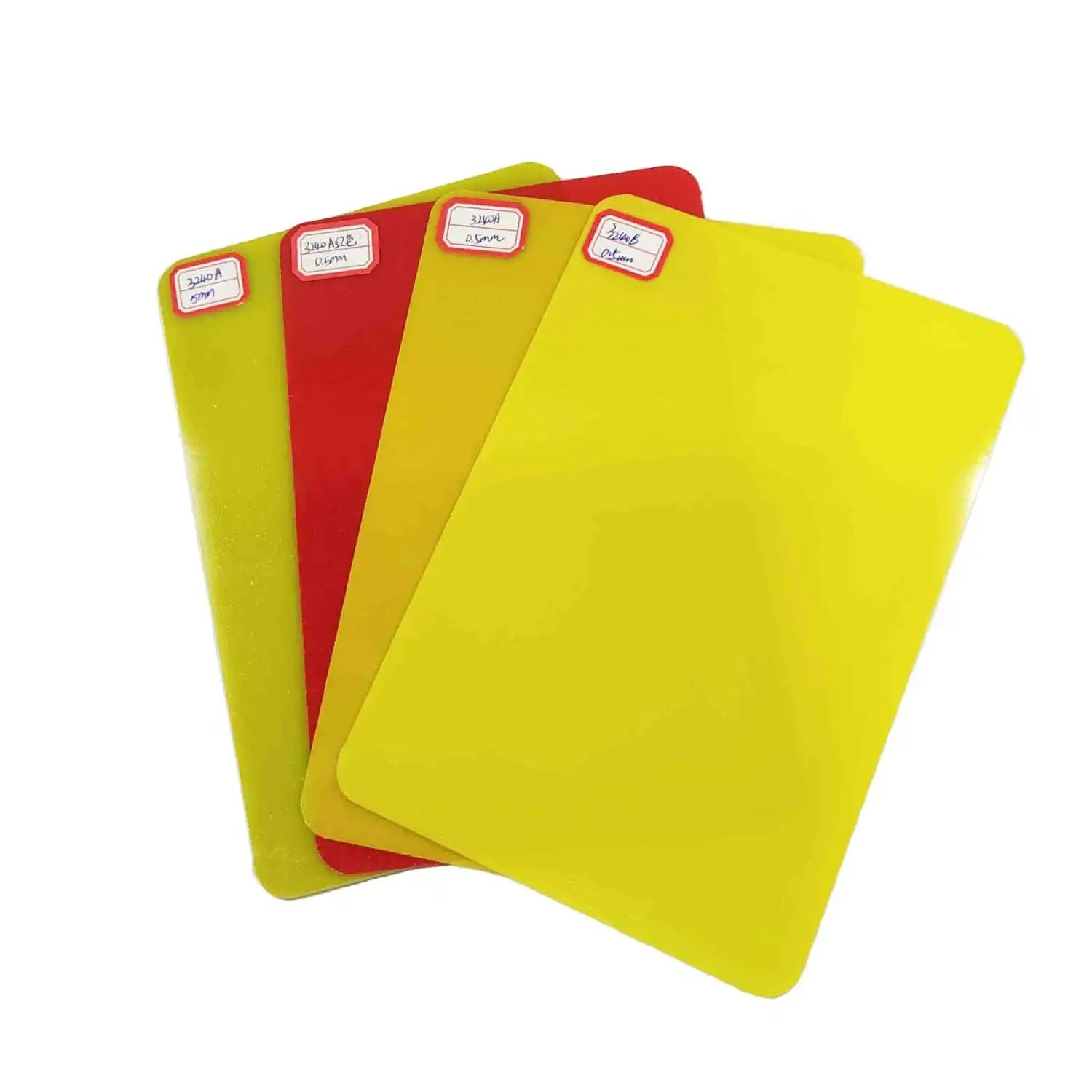
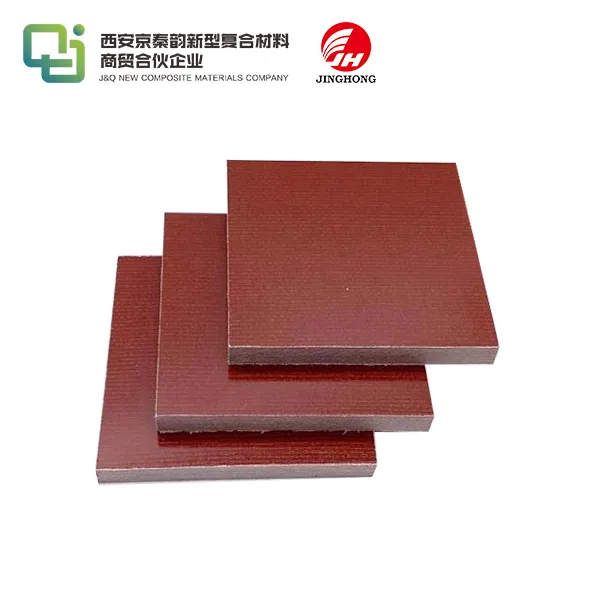
Phenolic Sheet: Lightweight, Durable, and Flame-Resistant
2026-04-22 17:24:44
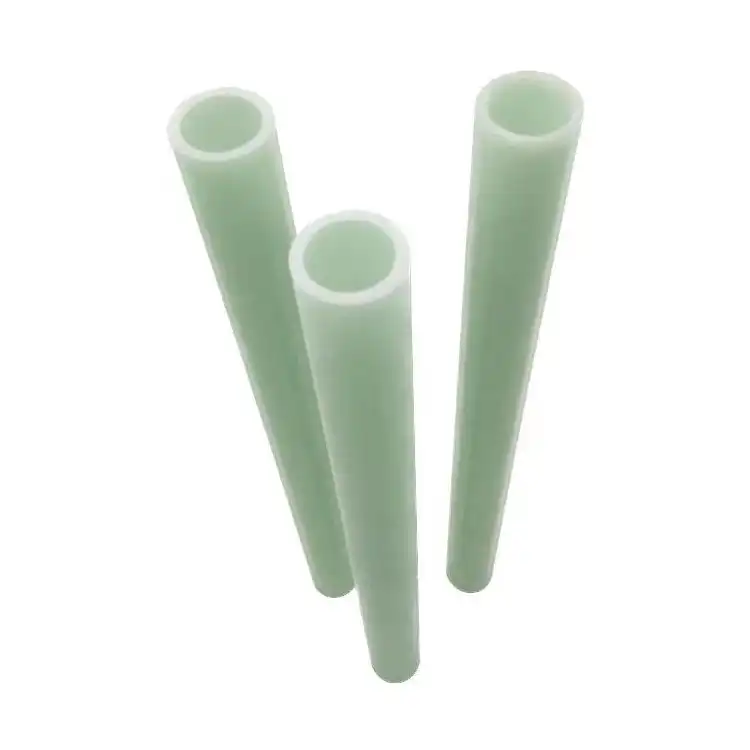
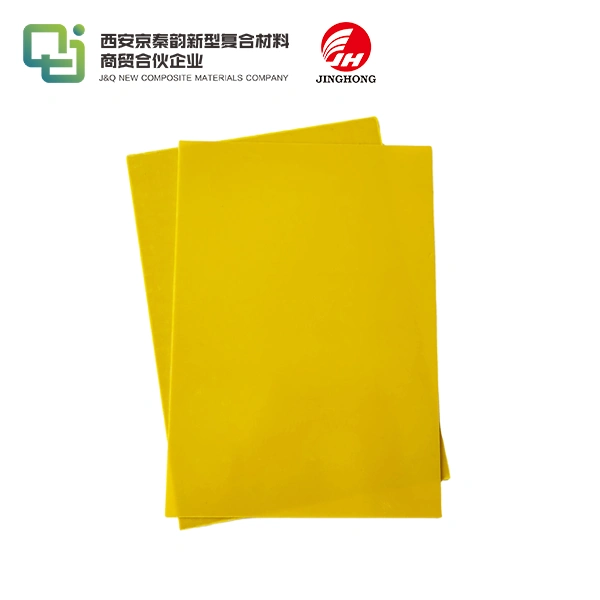
Phenolic sheets are widely used across industries due to their lightweight structure, durability, and inherent flame resistance. These thermoset composites perform reliably in demanding electrical, mechanical, and high-temperature applications where safety and long-term performance are critical. It is often challenging for procurement managers and engineering teams to select materials that meet both safety standards and technical requirements while remaining cost-effective. Understanding the composition, types, and performance benefits of phenolic laminates enables more informed decisions that support both immediate needs and long-term operational value.
Understanding Phenolic Sheets – Composition and Properties
The Foundation: Phenolic Resin Chemistry
Phenolic sheets come from phenolic resin, a thermosetting polymer that is made when phenol and formaldehyde combine in a controlled way. This molecule structure is cross-linked, which makes it very stable in terms of size even when heated or put under mechanical stress. While thermoplastics soften when heated, thermoset phenolic materials stay rigid even at high temperatures. This makes them perfect for uses where they will be exposed to heat all the time or could come into touch with flames.
In the production process, reinforcement substrates like cellulose paper, cotton canvas, or linen cloth are soaked in liquid phenolic resin. Carefully controlled cycles of heat and pressure turn these impregnated layers into polymers. Usually, temperatures hit between 300°F and 350°F and pressures go above 1,000 psi. Using hot pressing to join the layers together makes a single laminate that has the same mechanical properties all the way through.
Core Performance Characteristics
Considering how light it is, the material that was made is incredibly strong. A normal paper-based phenolic laminate weighs 30 to 40 percent less than similar metal parts while still being rigid enough for structural uses. This advantage in weight immediately translates into lower shipping costs, easier installation, and a lower overall system weight in applications that care about weight, such as aerospace and automotive parts.
One of the most valuable qualities is flame protection. Because they are made of fragrant chemicals, phenolic resins naturally don't catch fire. When they are exposed to fire, they create a protective char layer. This ability to put out fires on its own meets the UL94 V-0 rating standards in many formulations, giving electrical enclosures and fire barriers important safety margins. Compared to many plastic alternatives, this material doesn't make as much smoke, which is important for use in crowded areas and vehicles.
How well electrical insulation works depends on the grade and type of base. Paper-based phenolic grades usually have a dielectric strength of 300 to 500 volts per mm thickness, which is good for a lot of low- and medium-voltage uses. When it comes to cotton canvas types, mechanical impact resistance is more important than ultimate dielectric performance. This means that they can be used for structural electrical parts that need moderate insulation properties to meet high mechanical demands.
Chemical and Environmental Resistance
Oils, weak acids, and most organic solvents that are common in industrial settings don't damage phenolic laminates very well. This chemical stability makes the product last longer in places like transformers where mineral oil is normally present, as well as in machinery parts that come into contact with cutting fluids and hydraulic oils. In contrast to hygroscopic materials, which swell or twist when they absorb water, this material stays the same size across a wide range of humidity levels.
Temperature performance for phenolic sheet varies on both the type of resin used and the material used for reinforcement. Standard grades can withstand constant operating temperatures of up to 250°F, and some special formulations can handle temperatures up to 350°F or higher. This thermal stability stops creep deformation under long-term load at high temperatures, which is a typical way for thermoplastic alternatives to break.
Key Applications of Phenolic Sheets in Industry
Electrical and Electronics Manufacturing
Phenolic laminates are used by companies that make electrical equipment for PCB support structures, terminal blocks, arc barriers, and insulation plates in switchgear systems. The dielectric strength and flame resistance of the material meet important safety standards, and its ability to be machined makes it possible to make complicated shapes at a low cost. Paper-based phenolic grades work well in dry transformer situations where they don't get wet very often, while cotton canvas grades give high-voltage switchgear parts the strength they need to withstand switching forces and possible arc flash events.
Another important area where phenolic sheets are used is in the making of motors, where they are used to insulate slots, block phases, and support coils. The material can handle the changing temperatures and mechanical vibrations that come with spinning machinery. It also keeps the electrical connection between the windings and the grounded parts. Its dimensional stability makes sure that the motor's air gaps and openings stay the same over time, which has a direct effect on how well it works and how reliable it is.
Industrial Machinery and Equipment
Builders of machinery use phenolic cotton laminates for structural insulation, wear plates, and precision spacers in all kinds of mechanical systems. Because the material has a high compressive strength (usually more than 25,000 psi), thin-profile parts can be made that make the whole piece of equipment smaller and lighter. Manufacturers of gears love phenolic cotton grades because they make gears that are light and quiet. These gears are used in timing mechanisms, conveyor systems and low-speed power transfer where metal gears would be too expensive or likely to rust.
Phosphoric is very easy to machine and stays the same size, which makes it useful for fixing things and making tools. Manufacturers use phenolic fixture plates as backup surfaces on CNC machine tables to protect expensive metal surfaces and hold workpieces at the same time. The non-abrasive nature of the material keeps cutting tools sharp, which cuts down on the number of times they need to be changed and speeds up production in high-volume industrial settings.
Power and Energy Sector
Manufacturers of both dry-type and oil-filled transformers use phenolic sheets to protect the coils, separate the layers, and stop arcs. The material works well with transformer oils and keeps its shape even when heated and cooled many times. This means it will last for a long time and do its job. Phenolic's natural resistance to flame adds an extra safety cushion. This is especially important in indoor settings where fire spread must be limited.
Phenolic laminates are used by electrical utilities in parts like switchgear barriers, busbar supports, and circuit breaker components that need to be electrically insulated, strong, and not catch fire. The material meets industry standards for spark resistance and tracking resistance, which are important factors in high-voltage distribution equipment where insulation failure can lead to terrible things happening.
Automotive and Transportation Components
Automotive suppliers use phenolic sheet in battery pack insulation barriers, especially for electric vehicles where controlling heat and flame protection are the most important safety factors. The material is lightweight, which helps reduce the total weight of the vehicle, and it is also thermally stable, which keeps nearby parts from getting too hot during charging and discharging cycles.
Phosphoric's heat resistance is useful for insulation pads, heat shields, and mounting clamps that go under the hood of an engine and need to withstand high temperatures while still isolating electrical components. The material's dimensional stability keeps it from warping or distorting, which could make it hard to put together or cause problems with noise, vibration, and roughness.
Home Appliances Manufacturing
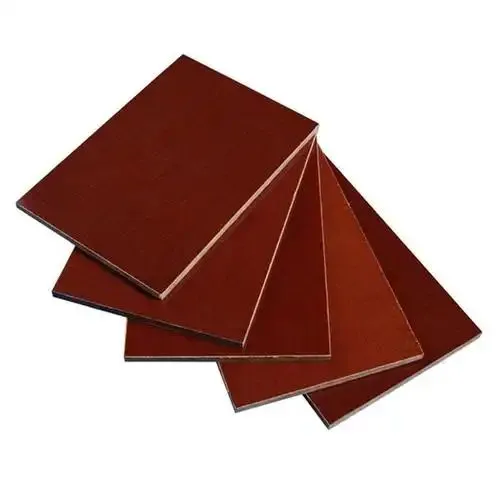
Manufacturers of cooking appliances, washing machines, and HVAC systems use phenolic and Bakelite sheets to produce insulation supports for heating elements, motor mounting brackets, and thermal insulation components. These materials perform reliably in medium-temperature applications and offer a cost-effective solution, making them well-suited for high-volume consumer goods where cost efficiency and consistent performance are critical.
Stability during mass production is very important in the appliance industry, where uniform material properties allow for predictable automated assembly processes. Phenolic laminates keep tight thickness tolerances and constant mechanical properties from batch to batch, which keeps production from stopping and quality from slipping.
Procuring Phenolic Sheets – Guidance for B2B Buyers
Evaluating Supplier Capabilities and Quality Systems
Getting phenolic sheets that work well starts with carefully checking out the suppliers' production skills, quality assurances, and technical help options. As a basic sign of good quality control, look for suppliers who still have ISO 9001 certification. Suppliers who work with the electrical industry should show that their products are UL-recognized for electrical shielding materials. This is to make sure that the products are safe for the uses they were made for.
A production capacity review helps you make sure that your suppliers can meet your growing volume needs without sacrificing quality or delivery times. Find out how many presses they have, how long the cure cycle takes, and if they have inventory control systems that can handle supply problems. When compared to converters who buy resins from different suppliers, suppliers who make their own resins often offer better batch-to-batch stability.
The ability to provide technical help sets exceptional suppliers apart from commodity vendors. Look for partners who do more than just fill orders. They should be able to help you choose materials, make suggestions for cutting, and help with application engineering. This consultative method helps you choose the best materials and process parameters, which lowers your overall costs and makes the end product work better.
Understanding Grades, Standards, and Specifications
When defining phenolic laminates, North American markets mostly use NEMA standards. The grade numbers show the type of reinforcement and what it will be used for. For example, X, XX, and XXX grades use paper reinforcement that increases the dielectric strength, LE grades use linen cloth for a smooth surface in precise applications, and CE grades use cotton canvas for the highest mechanical impact strength. By knowing these differences, you can make sure that your specifications exactly match the needs of the application without stating too many expensive grades when economy grades will do.
International standards for phenolic sheet, like IEC designations (PF CP 201 for paper phenolic), may show up in equipment specs from international companies or that was brought in from another country. Make sure that the providers you work with know both the NEMA and IEC systems. This will help you make sure that you can accurately substitute and match materials when drawings use standards you don't know.
In defence, aircraft, and other regulated fields, military standards like MIL-I-24768/16 for CE grade phenolic are used. Suppliers to these markets keep records of the history of materials, test certifications, and compliance records that are needed for quality system checks.
Pricing Structures and Commercial Terms
The price of phenolic sheets depends on the grade, thickness, and size of the sheet. Economy paper grades are the cheapest, while speciality cotton canvas grades are the most expensive because they have better mechanical qualities. When you make a volume promise, you can usually get graduated price discounts. These discounts happen at quarter-sheet, half-sheet, and full-sheet purchase amounts. Setting up blanket buy agreements with scheduled releases is a good way to get good prices and keep your inventory flexible.
For standard grades and thicknesses, the minimum order quantity starts at a quarter sheet, but this can change from seller to supplier. For custom sizes or widths that aren't standard, full-sheet minimums may be needed to cover the costs of setup. When you involve suppliers early on in the development of a product, you can make changes to the design that use standard sheet sizes. This saves money on custom cutting costs and shortens lead times.
Shipping costs affect the total landed cost, especially for full sheets that are 48 inches by 96 inches and, based on their thickness, weigh several hundred pounds. For large cities in the United States, domestic sellers often offer prices that include freight. When you buy something from another country, you need to carefully consider the shipping method, customs duties, and total transit time. Because thin phenolic sheets are fragile, they need to be properly packed to keep the edges from breaking and the corners from getting damaged during shipping.
Quality Assurance and Testing Requirements
Set clear quality standards that include acceptable dimensional ranges, standards for how things should look, and rules for performance testing. Commercial-grade phenolic sheets usually have thickness tolerances of ±10% on the nominal thickness. For uses that need tighter control, precision-ground options are available at a higher cost. The specifications for the surface finish should say what amounts of resin richness, fibre show-through, and cosmetic flaws are acceptable.
Ask for test results or certificates for phenolic sheet that show the dielectric strength, flexural strength, and flammability ratings that are needed for your project. Suppliers who want to keep their UL recognition have to show proof that they keep up with electricity safety standards through regular follow-up testing. This paperwork is very helpful for customer checks and product safety certifications.
Why Choose J&Q as Your Phenolic Sheet Supplier?
J&Q has been making and selling industrial insulation materials for more than twenty years. They are especially good at phenolic laminates that are used for electrical, mechanical, and thermal management tasks. Modern press equipment and automated quality control systems are used in our production processes to make sure that the properties of the materials and the tolerances for size are always the same from batch to batch. Our excellent manufacturing skills and more than ten years of experience in international trade allow us to provide smooth cross-border transactions and dependable shipping schedules to customers all across North America.
Our wide range of products includes all standard NEMA grades, from cheap phenolic paper to high-end cotton canvas laminates. The sizes range from thin insulation sheets to thick structural plates. We keep a lot of stock of grades and sizes that are frequently asked for, so we can quickly meet urgent needs. Our flexible production plan also lets us make custom sizes and special formulations for specific uses. Before being shipped, every product goes through strict inspection and testing procedures, and you will receive all the paperwork you need to support your quality system standards.
What really sets J&Q apart is our ability to handle integrated transportation. Our in-house logistics operations get rid of the coordination problems and delays that come with supply chains with multiple vendors. This means that we can provide true one-stop service from the initial request to the final delivery. This vertical integration means faster reaction times, better visibility of shipments, and easier problem-solving when changes to the schedule are needed. Our technical support team has a lot of experience with applications in the electrical, mechanical, and OEM markets. They can help you choose the right materials and make suggestions for processes that will help your manufacturing run more smoothly.
Our dependability and service quality are backed up by long-term partnerships with many domestic and foreign trading partners. We keep these partnerships going because we care about the success of our customers and see each transaction as the start of a long-term relationship rather than a one-time sale. Our dedication to clear communication, low prices, and quick service has earned us a good name, which we keep up by consistently delivering results and working to make things better all the time.
Conclusion
Because they are lightweight, mechanically durable, and don't catch fire, phenolic sheets are a great choice for a wide range of uses in electrical, industrial, automotive, and consumer markets. By knowing the differences between paper-based and cloth-reinforced grades, you can choose the right material to meet your needs while staying within your budget. To make a good purchase, you need to carefully evaluate each seller, paying special attention to their quality systems, technical skills, and reliable logistics, as well as their prices. Due to its natural benefits, such as being easy to machine, resistant to chemicals, and stable in shape, phenolic laminates are a cost-effective choice in situations where luxury composites would be too expensive. The worth of phenolic materials is maximised throughout the lifecycles of products by forming strategic partnerships with experienced suppliers who offer full technical support and flexible payment terms.
FAQ
What makes phenolic sheets not catch fire?
Because they are made up of aromatic molecules, phenolic resins naturally keep fires from starting. When the material is exposed to flame, it creates a protective char layer that keeps the material below it warm and puts out the fire itself when the source of burning is taken away. This property meets the flammability requirements of UL94 V-0 in a lot of different formulas without the need for halogenated additives.
Can phenolic sheets be changed to fit certain needs?
Precision cutting, CNC machining, and speciality grinding are common ways for manufacturers to change the dimensions of phenolic sheets to meet specific needs. Depending on the purpose and order volume, material formulations can be changed to improve certain properties, such as making them more resistant to heat, easier to machine, or with different surface finishes.
How does phenolic compare to other insulation materials in terms of their impact on the environment?
Compared to PVC-based materials, phenolic laminates don't contain any halogens or heavy metals, so when they burn, they produce fewer harmful byproducts. Thermosetting resins can't be recycled by melting them down again, but phenolic materials can be ground up and used as fillers in other composite projects, which means they can be used for longer after their initial purpose.
Partner with J&Q for Reliable Phenolic Sheet Solutions
J&Q can help you with your phenolic sheet needs by giving you expert technical advice, offering low prices, and making sure you get your orders on time. Our team has a lot of experience and knows what problems electrical equipment makers, industrial machinery builders, and OEM procurement experts in North America face. Please feel free to email us at info@jhd-material.com to talk about your needs, ask for samples of our materials, or get full quotes on both standard and custom phenolic laminates. As a well-known company that makes phenolic sheets and also handles logistics, we can give you the quick service and consistent quality that your production plans need. Get in touch with us right away to find out how J&Q's 20 years of experience making things and dedication to customer satisfaction can help improve your supply chain and make your products work better. You can look at all of our products and scientific information at jhd-material.com.
References
National Electrical Manufacturers Association. "Industrial Laminating Thermosetting Products: NEMA LI 1-2019 Standards Publication." National Electrical Manufacturers Association, 2019.
Harper, Charles A. "Handbook of Plastics, Elastomers, and Composites." McGraw-Hill Professional, 2002.
Pilato, Louis. "Phenolic Resins: A Century of Progress." Springer-Verlag Berlin Heidelberg, 2010.
Underwriters Laboratories. "Standard for Safety of Polymeric Materials - Industrial Laminates, Filament Wound Tubing, Vulcanized Fibre, and Materials Used in Printed-Wiring Boards: UL746E." Underwriters Laboratories, 2017.
American Society for Testing and Materials. "Standard Test Methods for Phenolic Molding Compounds: ASTM D700-17." ASTM International, 2017.
Goodman, Sidney H., and Dodiuk, Hanna. "Handbook of Thermoset Plastics." William Andrew Publishing, 2014.