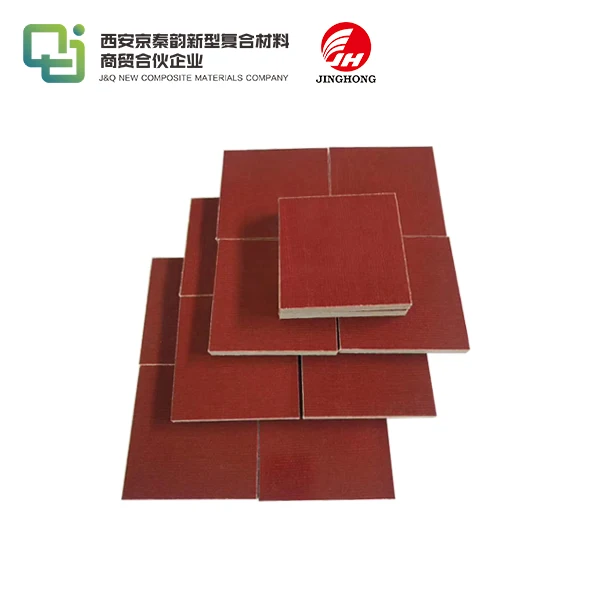
Are There Different Grades of Phenolic Paper Laminate?
2026-04-23 16:47:34
Yes, phenolic paper laminate comes in different grades that work very differently and are used for very different things. According to NEMA standards, these grades are usually written as X, XX, XXX, XP, XXP, and XXXP. They are different depending on the amount of resin in the paper, the density of the paper layers, the processing conditions, and the mechanical and electrical qualities that are produced. It is important to understand these differences because each grade has its own benefits. For example, standard X grades offer cheap electrical insulation, while XXX grades offer better mechanical strength and "P" suffix grades offer special oil-resistant properties. This helps procurement professionals match material specifications exactly to their application needs, regulatory compliance requirements, and budget constraints.
Understanding Phenolic Paper Laminate and Its Grading System
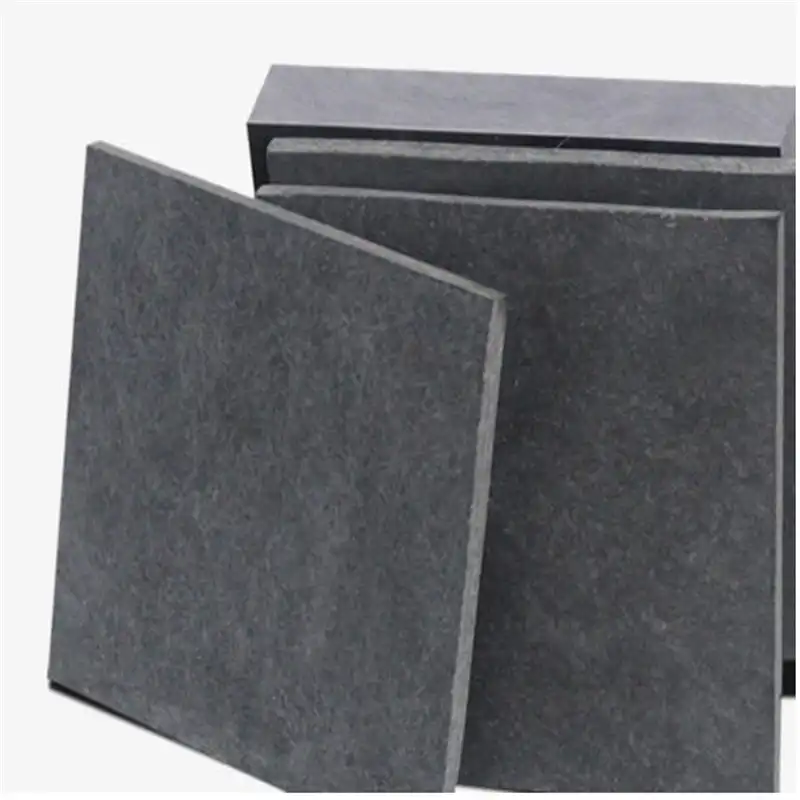
Phenolic paper laminate is an example of a thermosetting composite material that has been used in industry for many years. To make this material, manufacturers soak several layers of high-quality kraft paper in phenolic resin binders and then put the whole thing through carefully controlled processes of heat and pressure. This process starts a chemical reaction called polymerisation, which joins the layers together forever to make a stiff, even structure that can't be shaped or softened again.
The grading method for these laminates takes into account differences in how they were made, which have a direct effect on how well they work. Changing the amount of resin to paper, the number and quality of paper layers, the curing temperature, the pressure, and the processes done after the paper is made can all produce different grades. The finished material's density, porosity, mechanical strength, and electrical properties are all affected by these manufacturing variables.
NEMA Grade Classifications and Industry Standards
Standardised grade classes were set by the National Electrical Manufacturers Association (NEMA) so that the whole industry could use the same standards. Standard grades like X, XX, and XXX show that the quality level is getting better and the mechanical features are getting better. With a "P" after the grade name, it means that it was made to be used in oily conditions. Grades like XP, XXP, and XXXP are very resistant to transformer oils and other petroleum-based fluids.
International standards from groups like IEC and ASTM give makers more details to work with when they're making things. These standards spell out how to test important qualities like flexural strength, dielectric breakdown voltage, moisture absorption rates, and the ability to keep its shape when temperatures change. Following these rules makes sure that materials are consistent and reliable in supply lines around the world.
How Composition Affects Material Properties
When you mix phenolic resin with cellulose paper, you get phenolic paper laminates, which have a different material profile than other industrial laminates. When compared to phenolic composites made from cotton, those made from paper are better at insulating electricity and retaining less water, but they are less resistant to impact. Because of this trade-off, paper-based grades work best in electrical settings where insulating strength is more important than mechanical shock resistance.
The resin content is a key factor in choosing the final properties. Higher resin amounts usually make the material stronger, more resistant to water, and more stable in its shape, but they also make it more expensive. Lower resin grades work well enough for less demanding uses without breaking the bank, meeting the needs of manufacturers looking for cheap insulation solutions that don't require too much engineering.

Key Differences Between Grades: A Dimensional Analysis Approach
To understand the exact differences between grades of phenolic paper laminate, you need to look at a number of performance factors that affect how well they work in real-world situations. These differences happen because of carefully planned changes made during production that make materials work best in certain conditions and meet certain technical needs.
Mechanical Strength and Density Variations
Grade X is the least expensive choice, but it has less mechanical strength and less density than higher grades. This grade is good for uses where mechanical loads are low and cost is the main factor in the choice to buy. For stamped insulation parts, junction boards, and non-structural electrical barriers, companies that make a lot of electrical parts often choose Grade X.
Additionally, Grade XX is a good compromise because it has better mechanical qualities while still keeping costs low. This grade can handle mild mechanical stresses and is better at resisting wear and compression than Grade X. Manufacturers of industrial equipment often choose Grade XX for mechanical spacers, mounting brackets, and other parts that are regularly handled or put together with stresses.
In the normal paper-based laminate family, Grade XXX has the best mechanical performance. Because it is denser and has the right amount of resin, it has better flexural strength, impact resistance, and load-bearing ability. Grade XXX specifications are good for things like high-torque motor parts, heavy-duty terminal blocks, and carefully machined parts that need both electrical insulation and structural integrity.
Electrical and Thermal Performance Characteristics
Different grades have different levels of dielectric strength, which affects how well they work for different voltage uses. All phenolic paper laminates are great at keeping electricity from moving, but better grades usually have more consistent dielectric properties and less variation between batches. This consistency is very important for medium-voltage motors and switchgear, where insulation fails can be dangerous and cause problems with operations.
Another important point of difference is thermal stability. Standard grades keep their shape and electrical properties stable at temperatures up to 105°C and up to 120°C for short periods of time. This range can be widened with special formulations, but makers have to weigh thermal performance against other properties of the material and costs.
Flame protection is different for each grade and formulation. Phenolic resins naturally don't catch fire as easily as many thermoplastics, but some types have extra flame-retardant chemicals added to them to meet UL 94 V-0 ratings or other fire safety standards. Power distribution equipment and transformer makers like these flame-resistant grades for arc barrier uses where reducing the chance of fire is very important.
Moisture Absorption and Chemical Resistance
Paper-based laminates soak up water more easily than glass-reinforced ones, but phenolic resin makes this much less likely to happen than with raw cellulose. Different grades have different rates of water absorption, with denser, higher-resin classes absorbing less water. If you need something to stay the same size in humid places or when the humidity changes, you should mention higher grades or grades with a "P" suffix that are made to resist moisture.
Different grades also have different chemical protection profiles. Most of the time, phenolic laminates can handle weak acids, alkaline solutions, and most organic solvents well. Oil-resistant "P" grades are made for transformer and hydraulic uses where normal grades would break down after being exposed to oil for a long time. These special mixtures keep their mechanical and electrical qualities even after being immersed in insulating oils for a long time. This makes them an important part of power distribution infrastructure.
Selecting the Right Grade for Your Application: Decision Support Guide
When buying different types of phenolic paper laminate, you need to carefully compare the needs of the application with the capabilities of the material. This method guarantees the best performance while avoiding the extra costs that come with using materials that are too specific.
Identifying Core Application Parameters
Material choices for most uses are based on how well they insulate against electricity. The people in charge of engineering should figure out the highest voltage that can be used, any temporary voltage spikes, and the safety limits that need to be used. Most low to medium-voltage uses can be handled well by standard phenolic grades. However, some high-voltage systems may need glass-reinforced alternatives or thicker material cross-sections.
When thinking about mechanical loads, you should think about things like compression forces, flexural pressures, impact exposure, and wear patterns. Higher-grade specs are better for parts that are constantly under mechanical stress, while lower-grade specifications can be used for parts that aren't under much mechanical stress without affecting their performance. Long-term dependability and maintenance needs are directly affected by this review.
Grade selection is greatly affected by environmental factors such as temperature extremes, humidity levels, chemical exposure, and whether the placement will be indoors or outdoors. Manufacturers of transformers that work in oily environments need grades with a "P" suffix, but standard grades may be fine for indoor switchgear uses. An accurate assessment of the environment keeps materials from breaking down too quickly and makes sure that the design service life standards are met.
Industry-Specific Use Cases and Best Practices
Dielectric strength, heat resistance, and CNC machinability are usually the most important things for electrical and electronics makers. For PCB support structures, motor slot insulation, and switchgear barriers, these buyers usually choose Grade XX or XXX. The material is very easy to machine, which makes it perfect for mass production settings where precise punching and routing are needed. It also meets UL and ROHS standards, which are needed for both domestic and international markets.
Builders of industrial tools look for parts that are mechanically durable and keep their shape when they're loaded. Grade XXX is often the standard for structural insulation parts, precise gears, and wear-resistant parts where the choice of material is based on how well it works mechanically. The self-lubricating qualities of the material lower friction in bearing applications. This makes parts last longer in paper mills, equipment for processing aluminium, and farm equipment.
Applications in the power and energy field need systems that have been tested and proven to work well. In this business, procurement specialists usually need full material certifications, the ability to track batches, and proof that the products meet industry standards. In the building of transformers, Grade XXP and XXXP are often used because they provide reliable coil insulation and arc barriers that keep working well for decades.
Customization Options and Specification Flexibility
Engineers can get the most out of a material's use and efficiency by changing its thickness. Standard widths are between 0.5 mm and 100 mm, but custom sizes can be made to fit specific design needs. When room is limited, thinner materials are better for applications because they reduce the weight and volume of parts while also increasing their mechanical strength and electrical standoff distances.
Special resin formulations for phenolic paper laminate meet performance needs that go beyond what normal grades can do. Some of the formulation changes that experienced manufacturers can make are for better flame retardancy, better arc resistance, or less outgassing for hoover uses. Most of the time, these customisations come with longer wait times and minimum order quantities, but they can solve problems in applications that standard grades can't.
You can change the machining tolerances and surface finish specs while the product is being made or afterward. Precision-ground surfaces, chamfered edges, or pre-punched hole patterns lower the costs of production further down the line and speed up the assembly process. When you talk about these choices with suppliers during the quotation phase, you can often find ways to save money and improve the supply chain.
Procurement Tips for Phenolic Paper Laminates: Trusted Sources and Best Practices
When buying phenolic paper laminates, it's important to find a balance between the quality of the materials, the trustworthiness of the suppliers, the cost, and the ease of the supply chain. To come up with these strategies, you need to know how the market works and set standards for evaluating manufacturing partners that are qualified.
Supplier Evaluation and Quality Assurance
Manufacturing certifications show that a supplier can do what they say they can do and has good quality management methods in place. ISO 9001 certification shows that quality processes have been established, and industry-specific certifications like UL recognition or ROHS compliance documentation show that the product meets all safety standards. When evaluating suppliers, asking for copies of certifications helps procurement teams narrow down the list of candidates to makers who meet basic quality standards.
A supplier's ability to meet ongoing demand and accommodate calls for customisation depends on their production capacity and technical know-how. Companies that have their own testing labs, CNC machines, and engineering support staff are better than those that just give materials. These tools help people work together to solve problems, make prototypes, and fix technical issues, which makes relationships between buyers and sellers stronger.
Traceability systems let producers keep track of batches of materials from the time they receive the raw materials to the time they are shipped out. When quality problems happen, this skill is very important because it lets you quickly find the root cause and take corrective action. Suppliers who keep detailed records of tracking show that their operations are mature and that they are committed to always getting better.
Cost Management and Volume Strategies
The prices of phenolic paper laminate are based on the grade, the number of orders, the level of customisation needed, and the state of the market. Most of the time, Grade X costs 30–40% less than Grade XXX. This can save you a lot of money in situations where better grades don't improve the function. Knowing about these differences in cost helps procurement pros make the best specifications without sacrificing performance.
When you commit to a certain amount of volume, you can often get better prices and sure capacity allocation. Setting up blanket purchase orders with planned releases lets buyers get discounts for buying in bulk while still having the freedom to change their inventory as needed. This method works best for makers whose customers' needs can be predicted and who have enough storage space for regular bulk deliveries.
The price of the goods themselves are only one part of the total cost of ownership. Other costs include freight, customs taxes, inventory holding costs, and quality risk. While domestic suppliers may charge more per unit, they also offer shorter lead times, easier logistics, and fewer contact problems. To balance these factors against other options for foreign sourcing, you need to do detailed cost modelling that includes all the important factors.
Logistics and Technical Support Considerations
The minimum order amounts depend on the supplier and the grade of the material, which limits the flexibility of procurement and the investment in inventory. Some makers are willing to take small trial orders to help with the development of new products, while others set minimums based on how much it costs to make the product. Making these requirements clear early on in the supplier talks keeps expectations from being misaligned and makes project planning more realistic.
Delivery times depend on how much material is available, how much can be made, and how the goods are shipped. Standard grades from reputable sources usually ship within one to two weeks. Custom specifications, on the other hand, may take four to eight weeks or longer. By adding these lead times to production schedules and keeping smart inventory buffers, manufacturers can keep their operations running smoothly even when materials run out.
Technical help after the sale is what sets strategic manufacturing partners apart from commodity suppliers. Having access to application engineers, advice on how to machine things, and help with fixing problems is more valuable than just getting materials. When manufacturers are having trouble with processing or are thinking about making changes to the design, suppliers with strong expert support are very helpful.
Conclusion
Different types of phenolic paper laminate are used for different things in the electrical, industrial, power, automotive, and appliance making industries. When engineering managers and procurement workers know the technical differences between standard grades X, XX, and XXX, as well as the oil-resistant "P" variants, they can choose materials that meet performance needs while staying within budget. For specification to go well, it's important to carefully look at things like the need for electrical insulation, the conditions of mechanical loading, the surroundings, and government rules and regulations. Material buying can be turned from a transactional activity into a strategic advantage that improves product reliability and manufacturing efficiency by working with experienced manufacturers who offer technical support, keep quality certifications up to date, and allow for customisation.
FAQ
What makes Grade X phenolic paper laminate different from Grade XXX?
Grade X is the least expensive phenolic paper laminate choice. It has a lower density and less mechanical strength, making it good for uses with little mechanical stress and a main focus on electrical insulation. Grade XXX has the best mechanical performance, with high flexural strength, impact resistance, and load-bearing capacity. This makes it perfect for structural insulation parts and finely machined parts that have to withstand high mechanical loads. The price difference between these grades is usually between 30 and 40 percent. This is because Grade XXX has better material properties and tighter production tolerances.
Can different types of phenolic paper laminate be made to fit different needs?
They can make it in a wide range of sizes (from 0.5mm to 100mm), with precision-ground surfaces, special resin formulations for better flame retardancy or arc resistance, and pre-machined features like punched holes or chamfered edges. Most of the time, these changes come with longer wait times and minimum order quantities, but they work well to solve problems in specific applications that standard grades can't. Working together with suppliers during the design phase can often show ways to make changes that improve both performance and the efficiency of production.
What's the difference between normal phenolic laminates and oil-resistant "P" grades?
Phenolic paper laminates with "P" names (XP, XXP, and XXXP) have special resin formulations and processing treatments that make them more resistant to transformer oils and fluids made from petroleum. Standard grades may grow, soften, or lose their electrical properties after being immersed in insulating oils for a long time, but these grades keep their mechanical integrity and electrical properties. Power distribution equipment, transformer makers, and hydraulic system builders depend on these oil-resistant grades to make sure their systems will work reliably for a long time in places with a lot of fluids.
Partner with J&Q for Reliable Phenolic Paper Laminate Solutions
Every phenolic paper laminate project that J&Q works on is backed by more than twenty years of experience making things and more than ten years of experience trading with other countries. Because we understand electrical insulation needs so well and have our own transportation services, we can offer one-stop solutions that make your supply chain easier. As a well-known company that makes phenolic paper laminates, we have strict quality control systems, a wide range of grades from X to XXXP, and the ability to make changes that are exactly what you need. Our technical support team is trusted by engineering managers and procurement professionals to suggest the best types of materials that meet performance needs and stay within budget. Email us at info@jhd-material.com to talk about the needs of your application, get samples of the material, or get full quotes. You can look through our full catalogue of products at jhd-material.com and learn how our certified materials, flexible minimum orders, and reliable shipping schedules can help your manufacturing processes and the quality of your products.
References
National Electrical Manufacturers Association (NEMA), "Industrial Laminating Thermosetting Products Standards," NEMA LI 1-1998 (R2020), covering grade specifications and performance requirements for phenolic and other industrial laminates.
ASTM International, "Standard Specification for Paper-Base Phenolic Laminated Sheets," ASTM D229-17, defining physical and electrical property requirements for commercial phenolic paper laminates.
International Electrotechnical Commission (IEC), "Specifications for Industrial Rigid Laminated Sheets Based on Thermosetting Resins for Electrical Purposes," IEC 60893-2, establishing international performance benchmarks.
Underwriters Laboratories (UL), "Polymeric Materials - Industrial Laminates, Filament Wound Tubing, Vulcanized Fibre, and Materials Used in Printed-Wiring Boards," UL 746E, addressing flammability and electrical performance testing protocols.
Materials Engineering Magazine Technical Report (2019), "Comparative Analysis of Phenolic Laminate Grades in High-Temperature Electrical Applications," examining thermal stability and dielectric performance across grade classifications.
Industrial Composites Manufacturing Journal (2021), "Evolution of Phenolic Paper Laminates: From Traditional Bakelite to Modern Engineering Specifications," tracing material development and current application trends across manufacturing sectors.