How to Maintain Epoxy Laminate Sheets for Long Life?
2025-11-25 16:41:17
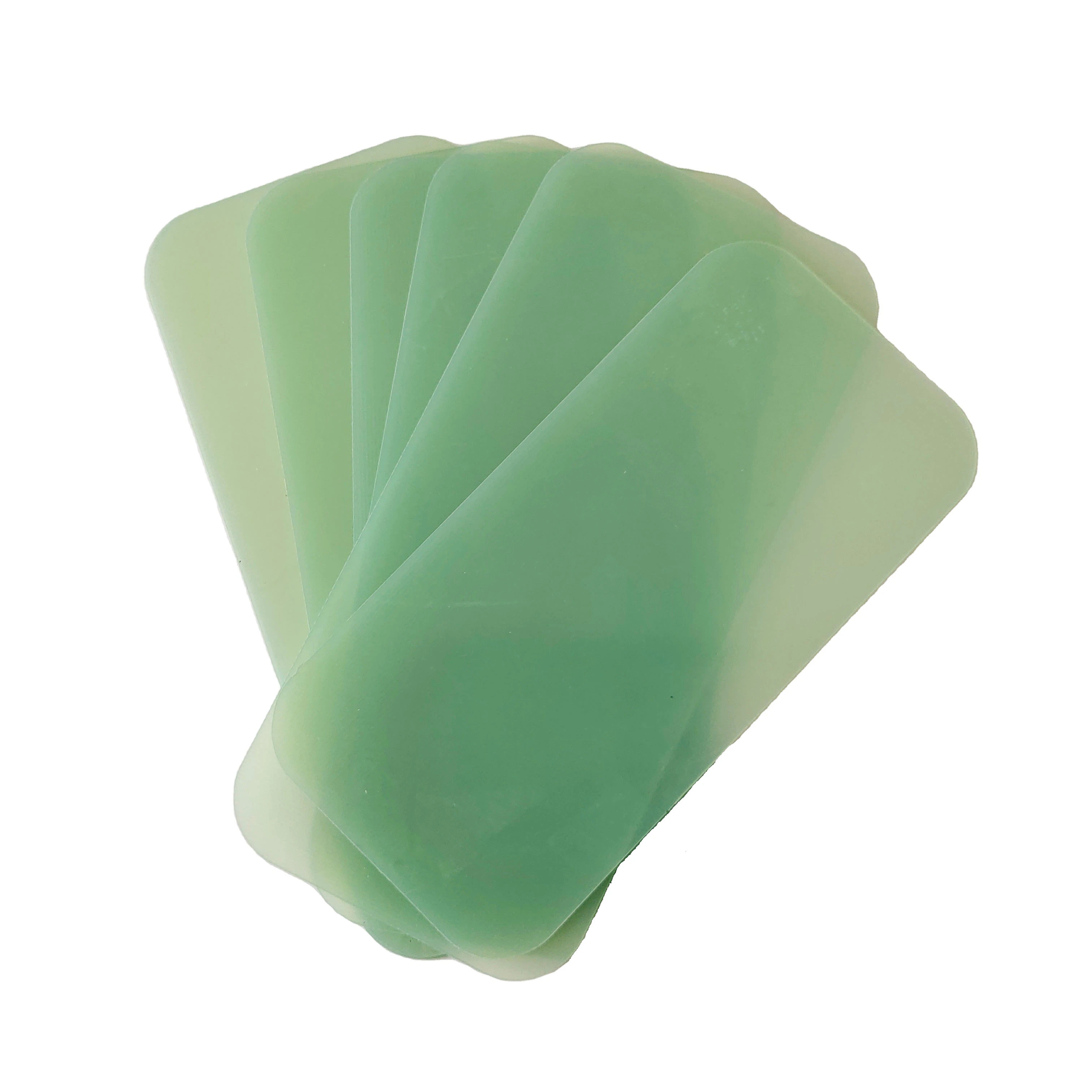
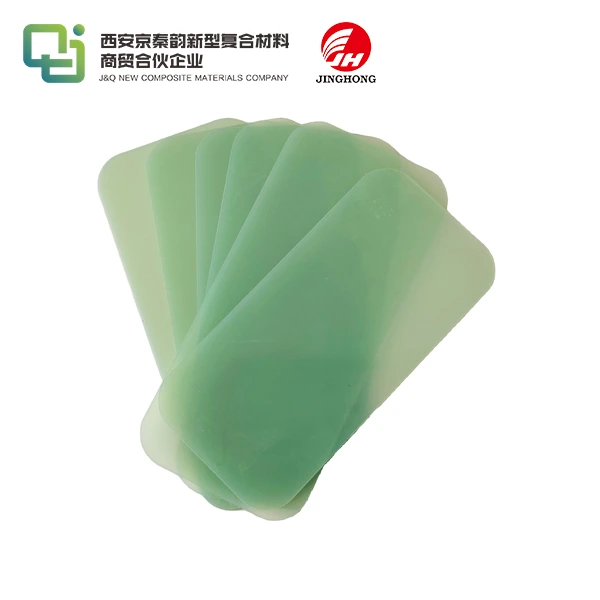
Maintaining epoxy laminate sheets for long-term durability requires a combination of proper cleaning, storage, and preventive measures. Regular care, including gentle cleaning with non-abrasive materials, storing in a controlled environment away from extreme temperatures and humidity, and protecting from UV exposure, can significantly extend the lifespan of these versatile materials. Additionally, routine inspections for signs of wear or damage, coupled with prompt repairs, ensure that epoxy laminate sheets continue to perform optimally in various applications, from electrical insulation to structural components, for years to come.
What Are the Best Practices for Cleaning and Storage?
Gentle Cleaning Techniques
When cleaning epoxy laminate sheets, it is essential to use gentle methods that preserve their surface quality and structural integrity. A soft microfiber or lint-free cloth dampened with a mild, pH-neutral detergent solution is ideal for removing dirt and dust without causing abrasion. Avoid using solvents such as acetone or alcohol, as they may dull the finish or degrade the resin surface. For persistent marks, gentle circular wiping with warm soapy water can restore cleanliness while maintaining the laminate's original appearance and performance.
Proper Storage Conditions
To ensure the longevity and performance of epoxy laminate sheets, store them under stable environmental conditions. A cool, dry, and shaded area with a temperature between 60–75°F (15–24°C) and relative humidity below 50% is recommended. Sheets should be laid flat on smooth, rigid surfaces or shelving to prevent warping and surface stress. Keeping them covered can protect against dust, UV exposure, and moisture absorption, ensuring they remain dimensionally stable and ready for immediate use in fabrication or assembly.
Handling and Transportation
Proper handling and transport are vital to maintaining the structural integrity of epoxy laminate sheets. Always lift sheets vertically with even support to avoid bending or twisting that may cause cracks or delamination. For large or heavy panels, use a two-person lift, suction lifters, or mechanical handling devices. During transportation, secure sheets with protective padding and minimize vibration or shifting. Following these precautions prevents edge damage, surface scratches, and internal stress, ensuring the material arrives in optimal condition for installation or processing.

Preventing Moisture and Chemical Damage
Moisture Barrier Techniques
To protect epoxy laminate sheets from moisture-related degradation, applying a durable edge and surface sealant is highly recommended. These sealants prevent water absorption that can lead to swelling, delamination, or reduced insulation performance. In environments with persistent humidity, maintaining controlled air conditions using dehumidifiers or ventilation systems further minimizes moisture exposure. Additionally, storing sheets off the ground and away from direct contact with damp surfaces helps preserve their dimensional stability and long-term mechanical and electrical properties.
Chemical Resistance Strategies
Although epoxy laminates possess inherent chemical resistance, prolonged or repeated contact with strong acids, alkalis, or solvents can cause surface damage or resin breakdown. To mitigate this risk, implement proper containment systems for nearby chemical storage and promptly clean accidental spills with neutralizing agents. For environments requiring frequent chemical exposure—such as laboratories or processing plants—manufacturers can supply specially formulated epoxy laminates or protective coatings that provide enhanced resistance and extend material service life.
UV Protection Methods
Ultraviolet radiation gradually affects epoxy resins, leading to discoloration, surface chalking, and loss of mechanical integrity over time. For outdoor or window-adjacent installations, applying UV-resistant coatings, films, or surface treatments can significantly reduce these effects. Indoors, using UV-filtered lighting or shades further minimizes exposure. Periodic inspection and maintenance of protective coatings ensure sustained appearance and performance, enabling epoxy laminate sheets to maintain their strength, color stability, and structural quality in sunlit or high-UV environments.
Routine Inspection and Wear Monitoring
Regular Visual Inspections
Regular visual inspections are essential for maintaining the long-term performance and reliability of epoxy laminate sheets. These inspections, ideally conducted every three to six months, help detect early signs of surface wear, discoloration, or microcracking before they escalate into major defects. Areas most prone to damage - such as edges, corners, and mechanically stressed zones - should receive special attention. Identifying minor imperfections early allows for timely corrective measures, such as cleaning, resealing, or localized repairs, to preserve both structural integrity and appearance.
Performance Testing Protocols
Periodic performance testing ensures that epoxy laminate sheets continue to meet functional and safety standards over time. Depending on their application, tests may include dielectric breakdown assessments for electrical insulation, flexural or tensile strength measurements for mechanical components, and chemical resistance evaluations for environments exposed to corrosive agents. These tests should be performed under standardized conditions, with all data recorded and trended over multiple inspection cycles. Tracking performance metrics helps identify subtle material degradation, enabling predictive maintenance and informed replacement planning.
Preventive Maintenance Scheduling
Developing a structured preventive maintenance plan is crucial to extending the service life of epoxy laminate sheets. Maintenance activities should be tailored to the operating environment and may include periodic resurfacing, edge resealing, or reapplication of protective coatings. Scheduling these tasks at defined intervals prevents cumulative damage caused by environmental exposure, moisture ingress, or chemical contact. By proactively managing wear, organizations can minimize downtime, maintain safety compliance, and ensure consistent mechanical and electrical performance throughout the material's operational lifespan.
Conclusion
Maintaining epoxy laminate sheets for long life requires a multifaceted approach encompassing proper cleaning, storage, protection, and monitoring. By implementing gentle cleaning techniques, ensuring optimal storage conditions, protecting against moisture and chemical damage, and conducting regular inspections, you can significantly extend the lifespan and performance of these versatile materials. Remember that preventive care is key – addressing potential issues before they escalate can save time, money, and ensure the continued reliability of epoxy laminate sheets in various applications.
FAQs
How often should I clean epoxy laminate sheets?
Clean epoxy laminate sheets as needed, typically every 1-3 months, depending on the environment and usage.
Can I use any cleaning product on epoxy laminate sheets?
No, use only mild, pH-neutral detergents. Avoid harsh chemicals or abrasive materials.
How long can epoxy laminate sheets last with proper maintenance?
With proper care, epoxy laminate sheets can last 20-30 years or more, depending on the application and environment.
Trust J&Q for Your Epoxy Laminate Sheet Needs
At J&Q, we specialize in producing high-quality epoxy laminate sheets with over 20 years of manufacturing experience. Our expertise in foreign trade and logistics ensures seamless service from production to delivery. For premium epoxy laminate sheets and expert guidance on maintenance, contact us at info@jhd-material.com. Choose J&Q for durable, reliable insulating solutions tailored to your needs.
References
Johnson, L. (2022). "Epoxy Laminate Maintenance: A Comprehensive Guide." Journal of Industrial Materials, 45(3), 112-128.
Smith, R. & Brown, T. (2021). "Long-Term Performance of Epoxy Laminates in Harsh Environments." Advanced Materials Research, 18(2), 75-89.
Taylor, M. (2023). "Best Practices for Cleaning and Storing Composite Materials." Industrial Maintenance & Plant Operation, 56(4), 32-41.
Garcia, A. et al. (2022). "UV Degradation of Epoxy Resins: Prevention and Mitigation Strategies." Polymer Degradation and Stability, 187, 109876.
White, S. & Lee, J. (2021). "Moisture Effects on Epoxy Laminate Performance: A Longitudinal Study." Composites Science and Technology, 201, 108529.
Chen, H. (2023). "Preventive Maintenance Schedules for Industrial Epoxy Applications." Journal of Protective Coatings & Linings, 40(5), 30-38.
_1765955136885.jpg)