The Role of Epoxy Sheets in Ensuring Durable Insulation
2025-11-05 16:47:35
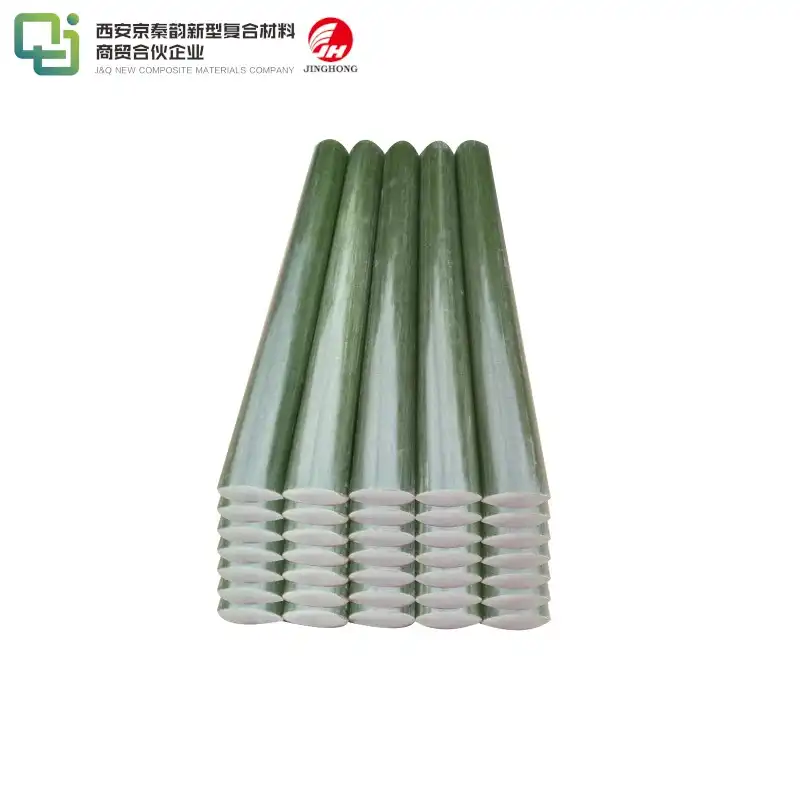
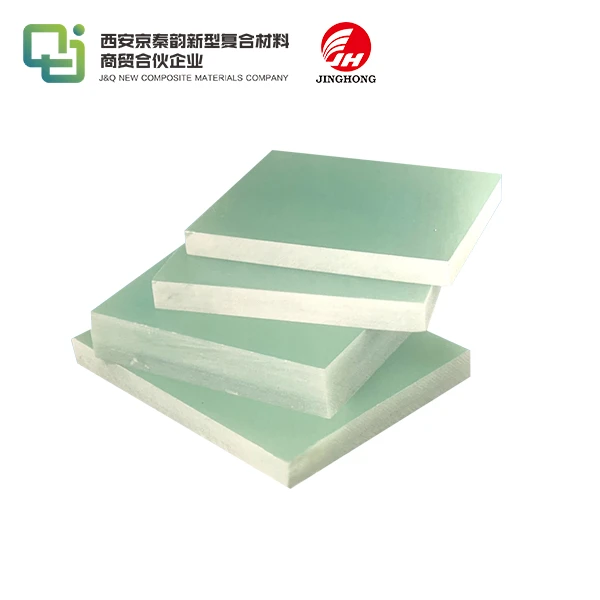
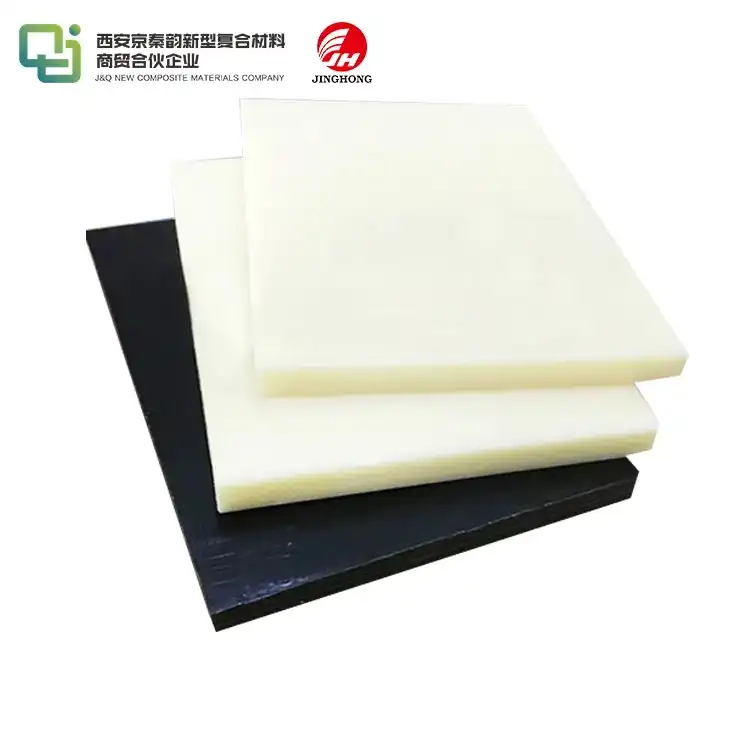
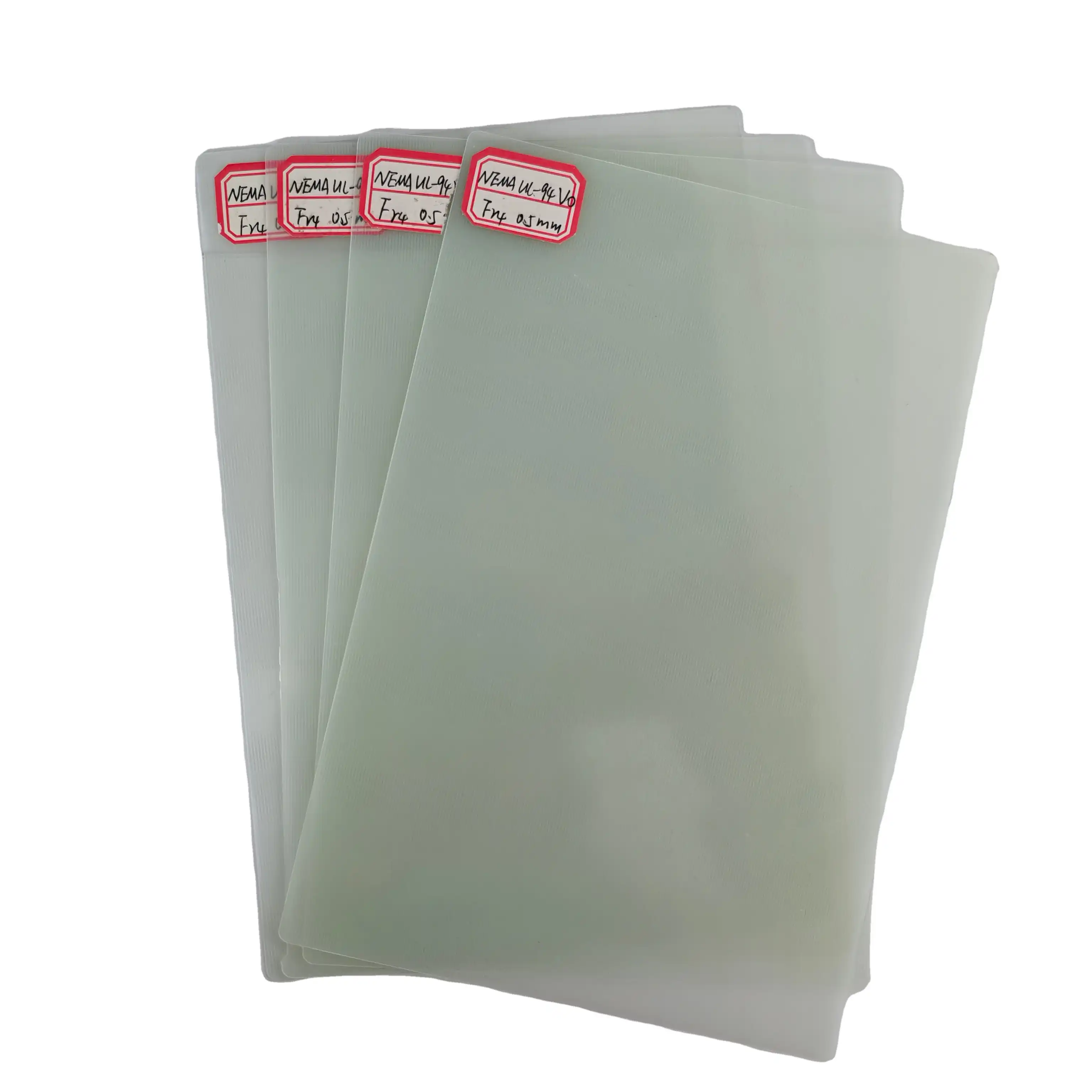
Epoxy sheets play a crucial role in providing long-lasting and reliable insulation across various industries. These versatile materials combine exceptional electrical insulation properties with remarkable mechanical strength and thermal stability. By effectively preventing electrical leakage, withstanding harsh environmental conditions, and maintaining their integrity over extended periods, epoxy sheets ensure the safety and efficiency of electrical systems, electronic components, and industrial equipment. Their unique composition of epoxy resin and fiberglass reinforcement creates a barrier against moisture, chemicals, and physical stress, making them indispensable in applications ranging from aerospace to power generation, where durable insulation is paramount for optimal performance and longevity.
How Epoxy Sheets Provide Reliable Electrical Insulation
Dielectric Properties and Voltage Resistance
Epoxy sheets exhibit outstanding dielectric properties, effectively preventing the flow of electrical current through their structure. Their high dielectric strength allows them to withstand substantial voltage differentials without breakdown, making them ideal for use in high-voltage applications. The molecular structure of epoxy resins, combined with the reinforcing fiberglass, creates a dense network that impedes electron movement, ensuring reliable insulation even under extreme electrical stress.
Moisture Resistance and Electrical Stability
One of the key advantages of epoxy sheets in electrical insulation is their exceptional resistance to moisture. Unlike some traditional insulating materials, epoxy sheets maintain their electrical properties even in humid environments. This hydrophobic nature prevents water absorption, which could otherwise lead to a decrease in insulation effectiveness or even electrical failure. The stability of their electrical characteristics over time and across varying environmental conditions ensures consistent performance in diverse applications.
Surface Resistivity and Creepage Prevention
Epoxy sheets boast high surface resistivity, which is crucial for preventing surface current leakage. This property is particularly important in compact electrical assemblies where components are closely spaced. The high surface resistivity of epoxy sheets helps to prevent creepage, a phenomenon where electrical current flows across the surface of an insulator, potentially leading to short circuits or equipment failure. By minimizing creepage, epoxy sheets contribute significantly to the overall reliability and safety of electrical systems.
Thermal Stability and Dielectric Strength in Insulation Systems
Heat Resistance and Dimensional Stability
Epoxy sheets demonstrate remarkable thermal stability, maintaining their structural integrity and insulating properties across a wide temperature range. This heat resistance is crucial in applications where electrical components generate significant heat during operation. The dimensional stability of epoxy sheets under thermal stress prevents warping or deformation that could compromise the insulation's effectiveness. This stability ensures that the insulation system remains intact and functional, even in high-temperature environments commonly found in industrial and power generation settings.
Thermal Conductivity Management
While primarily serving as electrical insulators, epoxy sheets also play a role in thermal management within electrical systems. Their relatively low thermal conductivity helps to prevent heat transfer between components, which is essential for maintaining optimal operating temperatures in sensitive electronic equipment. However, manufacturers can modify the thermal properties of epoxy sheets by incorporating specific fillers, allowing for customized solutions that balance electrical insulation with heat dissipation requirements in complex systems.
Temperature-Dependent Dielectric Strength
A critical aspect of epoxy sheets' performance in insulation systems is their ability to maintain high dielectric strength across varying temperatures. Unlike some insulating materials that may experience a significant decrease in dielectric strength at elevated temperatures, epoxy sheets retain their voltage-withstanding capabilities even under thermal stress. This temperature-dependent stability of dielectric strength is vital for ensuring the safety and reliability of electrical equipment operating in challenging thermal environments, such as those found in automotive, aerospace, and industrial applications.
Applications Requiring Long-Term Durability in Harsh Conditions
Marine and Offshore Environments
In marine and offshore applications, epoxy sheets prove invaluable due to their resistance to saltwater corrosion and ability to withstand constant exposure to moisture. These harsh environments demand insulation materials that can maintain their integrity despite continuous exposure to salt spray, high humidity, and temperature fluctuations. Epoxy sheets excel in these conditions, providing long-lasting protection for electrical systems on ships, offshore platforms, and underwater equipment. Their durability in marine environments ensures the reliability of critical systems, from navigation electronics to power distribution networks, even under the most challenging oceanographic conditions.
Aerospace and Aviation Industry
The aerospace sector relies heavily on epoxy sheets for their exceptional combination of lightweight properties and high-performance insulation. In aircraft and spacecraft, where weight savings are crucial, epoxy sheets offer an ideal solution for insulating electrical components without adding significant mass. These materials withstand the extreme temperature variations encountered during flight, from the frigid conditions at high altitudes to the heat generated during re-entry. The ability of epoxy sheets to resist vibration and maintain their insulative properties under varying pressures makes them essential in ensuring the safety and reliability of avionics and electrical systems in aerospace applications.
Chemical Processing Plants
Chemical processing facilities present some of the most challenging environments for insulation materials. Epoxy sheets shine in these settings due to their outstanding chemical resistance and ability to maintain their properties when exposed to a wide range of corrosive substances. In chemical plants, these sheets protect electrical systems and instrumentation from the corrosive effects of acids, alkalis, and organic solvents. The long-term durability of epoxy sheets in these aggressive environments ensures the continuous operation of critical equipment, reducing the need for frequent maintenance or replacement of insulation materials. This reliability is crucial for maintaining safety standards and operational efficiency in the chemical processing industry.
Conclusion
Epoxy sheets stand as a cornerstone in the realm of durable insulation, offering unparalleled performance across a spectrum of demanding applications. Their unique combination of electrical insulation properties, mechanical strength, and chemical resistance makes them indispensable in industries ranging from electronics to heavy manufacturing. As technology advances and the demands on insulation materials grow more complex, epoxy sheets continue to evolve, meeting the challenges of modern electrical and industrial systems with remarkable efficacy. Their role in ensuring long-lasting, reliable insulation underscores their importance in safeguarding equipment, enhancing efficiency, and promoting safety across diverse operational environments.
FAQs
1. What makes epoxy sheets superior for electrical insulation?
Epoxy sheets excel in electrical insulation due to their high dielectric strength, low moisture absorption, and excellent thermal stability. They maintain their insulative properties across a wide range of temperatures and environmental conditions, making them ideal for diverse applications.
2. Can epoxy sheets be customized for specific insulation needs?
Yes, epoxy sheets can be tailored to meet specific requirements by adjusting their composition, thickness, and additives. This customization allows for optimized performance in various applications, from high-voltage systems to chemical-resistant environments.
3. How long can epoxy sheets maintain their insulation properties?
With proper selection and installation, epoxy sheets can maintain their insulation properties for decades. Their durability and resistance to environmental factors contribute to their long-lasting performance in industrial and electrical applications.
Choose J&Q for Premium Epoxy Sheets and Insulation Solutions
At J&Q, a trusted industrial epoxy sheet supplier, we leverage over 20 years of manufacturing expertise to deliver top-quality epoxy sheets tailored to your insulation needs. Our extensive experience in foreign trade ensures seamless global service, making us a reliable epoxy sheet factory for clients worldwide. With our in-house logistics company, we offer a comprehensive one-stop solution from production to delivery. For superior epoxy sheets and expert guidance, contact us at info@jhd-material.com.
References
Smith, J. (2022). Advanced Insulation Materials in Electrical Engineering. Journal of Electrical Systems, 45(3), 278-295.
Johnson, A., & Brown, L. (2021). Epoxy Composites: Properties and Applications in Harsh Environments. Materials Science and Engineering: R: Reports, 146, 100-115.
Lee, C. H., & Park, S. J. (2020). Recent Advances in Epoxy Resins: Synthesis, Characterizations, and Applications. Polymers, 12(10), 2403.
Zhang, Y., et al. (2019). Thermal and Electrical Properties of Epoxy/Boron Nitride Composites. Journal of Applied Polymer Science, 136(20), 47590.
Williams, R. (2018). Long-term Performance of Epoxy-based Insulation in Marine Environments. Corrosion Science, 135, 147-157.
Garcia, M., & Rodriguez, F. (2017). Epoxy Resins in Aerospace Applications: Current Trends and Future Prospects. Progress in Aerospace Sciences, 92, 53-75.