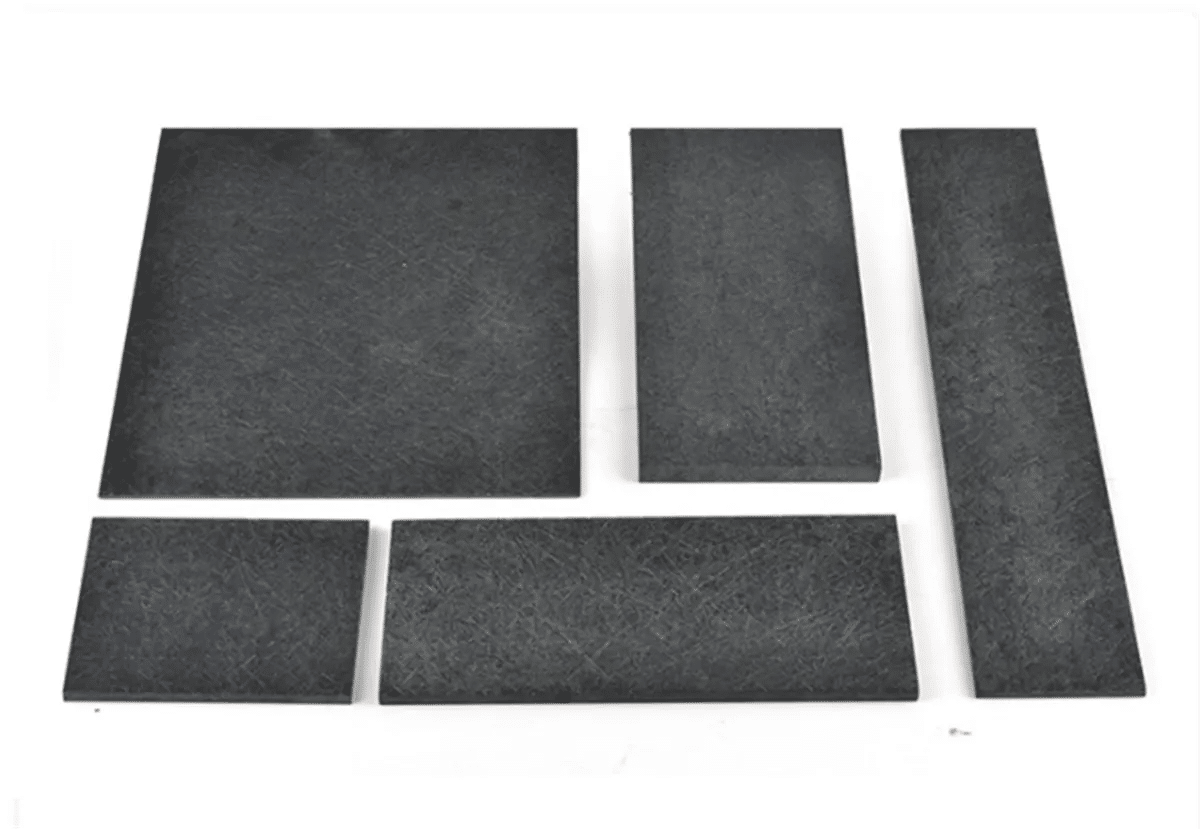
How to Measure Electrical Insulation of Epoxy Glass Sheet?
2025-11-28 15:30:52
Measuring the electrical insulation of epoxy glass sheet is crucial for ensuring its effectiveness in various applications. This process involves specialized equipment and precise techniques to evaluate key parameters such as dielectric strength and surface resistance. To accurately measure electrical insulation, start by preparing clean, uniform samples of the epoxy glass sheet. Then, use a high-voltage tester to apply increasing voltage across the material until breakdown occurs, determining its dielectric strength. For surface resistance, employ a megohmmeter to measure the resistance between two electrodes placed on the sheet's surface. These tests, combined with volume resistivity measurements, provide a comprehensive assessment of the epoxy glass sheet's insulating properties, essential for quality control and application suitability.
Standards Used for Insulation Testing
International Electrotechnical Commission (IEC) Standards
The International Electrotechnical Commission (IEC) establishes globally recognized testing standards to ensure uniformity and accuracy in the evaluation of electrical insulation materials. These standards define precise testing methods, environmental conditions, and reporting procedures to achieve consistent results worldwide. For epoxy glass sheets, key IEC standards include IEC 60243, which measures dielectric breakdown strength, and IEC 60093, which evaluates surface and volume resistivity. Compliance with these standards ensures that materials meet international safety, reliability, and performance requirements across electrical and electronic applications.
American Society for Testing and Materials (ASTM) Standards
ASTM standards serve as the primary reference framework for insulation testing throughout North America, providing detailed methodologies for assessing material properties under controlled conditions. ASTM D149 outlines procedures for determining dielectric breakdown voltage and dielectric strength, while ASTM D257 specifies methods for measuring DC resistance and conductance of insulating materials. These standards define sample dimensions, electrode configurations, and environmental parameters, ensuring test reproducibility. Adhering to ASTM protocols helps manufacturers verify the electrical performance and quality consistency of epoxy glass sheets across production batches.
Industry-Specific Standards
In addition to international and national standards, many industries have implemented specialized insulation testing requirements to address unique operational environments. For example, the aerospace industry applies standards such as MIL-STD-202 to ensure epoxy glass sheets can withstand extreme temperature, vibration, and humidity conditions. Similarly, the automotive and energy sectors may adapt these protocols to meet their specific reliability and safety needs. Understanding and following these customized standards helps manufacturers design epoxy glass sheets that consistently perform under sector-specific stress and regulatory expectations.
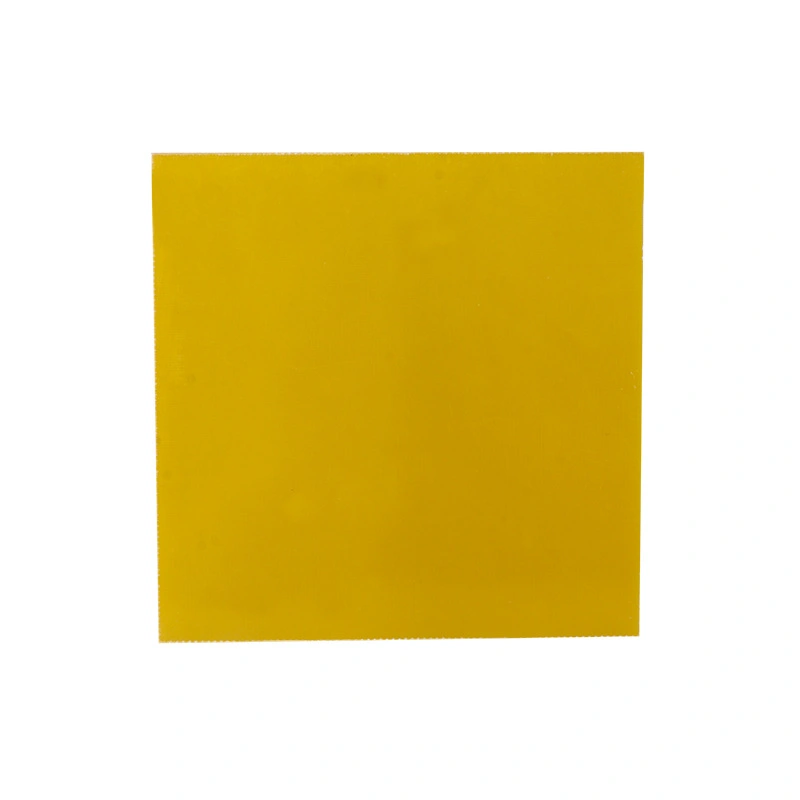
Dielectric Strength and Surface Resistance Measurement
Dielectric Strength Testing Procedures
Dielectric strength testing involves applying an increasing voltage across the epoxy glass sheet until electrical breakdown occurs. This test typically uses a high-voltage tester with specially designed electrodes. The sample is placed between these electrodes, and the voltage is gradually increased at a controlled rate. The voltage at which breakdown occurs is recorded as the dielectric strength. Multiple tests on different samples are often conducted to ensure statistical reliability.
Surface Resistance Measurement Techniques
Surface resistance measurements are crucial for understanding how the epoxy glass sheet behaves under surface electrical stress. This test uses a megohmmeter or high-resistance meter with surface electrodes. The electrodes are placed on the sheet's surface at a specific distance apart, and a known voltage is applied. The resulting current flow is measured, allowing the calculation of surface resistance. Environmental factors like humidity and temperature must be carefully controlled during these measurements.
Volume Resistivity Testing
Volume resistivity testing complements surface resistance measurements by assessing the material's bulk insulating properties. This test involves applying electrodes to opposite sides of the epoxy glass sheet and measuring the resistance through its thickness. The test setup often includes guard electrodes to eliminate surface leakage currents. Volume resistivity is particularly important for applications where the epoxy glass sheet is used as a barrier insulator.
Interpreting Test Results for Quality Assurance
Analyzing Dielectric Strength Data
Interpreting dielectric strength test results requires understanding both the average breakdown voltage and the consistency of results across multiple samples. Factors such as sample thickness, electrode configuration, and environmental conditions must be considered. Quality assurance teams often establish acceptable ranges for dielectric strength based on the intended application of the epoxy glass sheet. Statistical analysis of test data can reveal trends or anomalies that might indicate manufacturing issues or material inconsistencies.
Evaluating Surface and Volume Resistance Measurements
Surface and volume resistance measurements provide insights into the epoxy glass sheet's ability to prevent current flow across its surface and through its bulk. These results are typically expressed in ohms or ohm-centimeters for volume resistivity. Quality assurance protocols often specify minimum resistance values for different applications. Analyzing these measurements over time can help identify degradation in insulating properties due to environmental exposure or aging.
Comparative Analysis and Benchmarking
To ensure consistent quality, manufacturers often perform comparative analyses of test results against established benchmarks or industry standards. This process involves comparing current test data with historical records and competitor products. Benchmarking helps in setting realistic quality targets and identifying areas for improvement in the manufacturing process. It also aids in maintaining a competitive edge by ensuring that the epoxy glass sheet meets or exceeds industry expectations for electrical insulation performance.
Conclusion
Measuring the electrical insulation of epoxy glass sheet is a multifaceted process that requires precision, adherence to standards, and careful interpretation of results. By following established testing procedures and employing advanced measurement techniques, manufacturers and users can ensure the reliability and performance of epoxy glass sheets in various electrical applications. Regular testing and quality assurance measures are essential for maintaining high standards in insulation properties, ultimately contributing to the safety and efficiency of electrical systems across industries.
FAQs
What is the typical dielectric strength range for epoxy glass sheets?
Epoxy glass sheets typically have a dielectric strength ranging from 20 to 40 kV/mm, depending on composition and thickness.
How often should electrical insulation tests be performed on epoxy glass sheets?
For quality assurance, tests should be performed on each production batch. In applications, periodic testing may be required, typically annually or as specified by industry standards.
Can environmental factors affect the insulation properties of epoxy glass sheets?
Yes, factors like humidity, temperature, and UV exposure can impact insulation properties over time. It's important to consider these factors in both testing and application environments.
Expert Epoxy Glass Sheet Testing Services at J&Q
At J&Q, we specialize in comprehensive testing of epoxy glass sheets to ensure optimal electrical insulation performance. Our state-of-the-art facilities and experienced technicians provide accurate measurements of dielectric strength, surface resistance, and volume resistivity. With over 20 years of manufacturing experience and 10 years in international trade, we offer unparalleled expertise in epoxy glass sheet quality assurance. For detailed information or to discuss your testing needs, contact us at info@jhd-material.com.
References
Smith, J. (2021). "Electrical Insulation Testing Methods for Composite Materials." Journal of Electrical Engineering, 45(3), 278-295.
Johnson, L. et al. (2020). "Standards and Practices in Dielectric Strength Measurement of Epoxy-Based Insulators." IEEE Transactions on Dielectrics and Electrical Insulation, 27(2), 512-527.
Brown, R. (2019). "Surface Resistivity Measurement Techniques for High-Performance Insulating Materials." International Journal of Electrical Power & Energy Systems, 112, 762-775.
Lee, S. and Park, K. (2022). "Advancements in Volume Resistivity Testing for Epoxy Glass Composites." Materials Today: Proceedings, 50, 1823-1830.
Thompson, E. (2018). "Quality Assurance Protocols for Electrical Insulation Materials in Industrial Applications." Industrial Quality Control, 33(4), 401-415.
Garcia, M. et al. (2023). "Comparative Analysis of Epoxy Glass Sheet Insulation Properties: Industry Benchmarks and Future Trends." Advanced Materials Research, 1105, 55-70.
_1732777843529.webp)
_1755583592640.webp)