How to Select Epoxy Laminate Sheet for Electronics?
2025-11-28 15:30:51
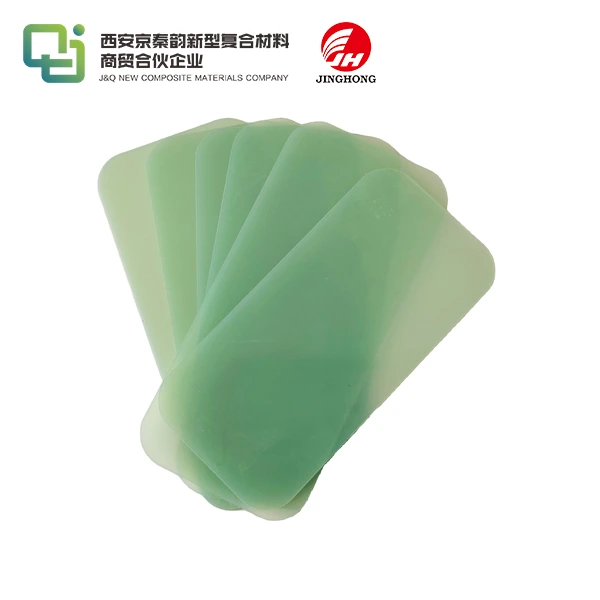
Selecting the right epoxy laminate sheet for electronics requires careful consideration of several factors. To choose the ideal sheet, assess the specific requirements of your electronic application, including electrical and thermal properties, thickness, dielectric strength, and dimensional stability. Consider the environment in which the component will operate, such as temperature ranges and humidity levels. Evaluate the sheet's mechanical strength, chemical resistance, and flame retardancy. Additionally, factor in the manufacturing process, cost-effectiveness, and long-term reliability. By thoroughly analyzing these aspects, you can ensure that the selected epoxy laminate sheet meets the performance demands of your electronic design while optimizing efficiency and durability.
What Electrical and Thermal Properties Should Be Considered?
Dielectric Strength and Breakdown Voltage
When selecting an epoxy laminate sheet for electronics, dielectric strength is a crucial factor to consider. This property measures the sheet's ability to withstand electric fields without breaking down. A higher dielectric strength ensures better insulation and protection against electrical failures. Breakdown voltage, closely related to dielectric strength, indicates the maximum voltage the material can withstand before electrical failure occurs. Choose a sheet with appropriate dielectric strength and breakdown voltage to ensure reliable performance in your specific application.
Thermal Conductivity and Heat Resistance
Thermal properties play a significant role in the performance and longevity of electronic components. Thermal conductivity determines how efficiently the material can dissipate heat, which is essential for maintaining optimal operating temperatures. Heat resistance, on the other hand, indicates the material's ability to maintain its properties at elevated temperatures. Select an epoxy laminate sheet with suitable thermal conductivity and heat resistance to ensure proper heat management and prevent thermal-related failures in your electronic designs.
Coefficient of Thermal Expansion (CTE)
The coefficient of thermal expansion (CTE) is a critical property to consider, especially in applications where temperature fluctuations are common. CTE measures how much the material expands or contracts with temperature changes. A low CTE is often desirable to minimize stress on components and maintain dimensional stability across varying temperatures. When selecting an epoxy laminate sheet, ensure that its CTE is compatible with other materials in your assembly to prevent warping, delamination, or other thermal-induced issues.

Thickness, Dielectric Strength, and Dimensional Stability
Optimal Thickness Selection
Choosing the right thickness for your epoxy laminate sheet is crucial for achieving the desired performance in your electronic application. Thicker sheets generally offer better mechanical strength and insulation properties but may add unnecessary bulk and weight. Conversely, thinner sheets can provide space-saving benefits but might compromise on strength or electrical insulation. Consider your specific requirements, such as voltage ratings, mechanical load, and space constraints, to determine the optimal thickness that balances performance and design efficiency.
Dielectric Strength Considerations
Dielectric strength is a key factor in selecting epoxy laminate sheets for electronics. It measures the maximum electric field the material can withstand without breaking down. Higher dielectric strength indicates better insulation properties, which is crucial for high-voltage applications or in designs where electrical isolation is critical. When evaluating dielectric strength, consider not only the peak voltage requirements but also factors like operating temperature, humidity, and long-term reliability to ensure the selected sheet maintains its insulating properties throughout the product's lifecycle.
Ensuring Dimensional Stability
Dimensional stability is vital for maintaining the integrity and reliability of electronic components, especially in precision applications. Epoxy laminate sheets should maintain their dimensions under various environmental conditions, including temperature fluctuations and humidity changes. Look for materials with low coefficients of thermal expansion and minimal moisture absorption to ensure consistent performance. Additionally, consider the sheet's resistance to warping and delamination, as these factors can significantly impact the long-term reliability and functionality of your electronic designs.
Choosing the Right Material for PCB and Component Design
FR-4 vs. High-Performance Alternatives
While FR-4 is a widely used material for PCBs due to its balance of performance and cost, high-performance alternatives may be necessary for more demanding applications. Consider materials like polyimide for high-temperature environments or PTFE-based laminates for high-frequency applications. Evaluate the specific requirements of your design, such as operating frequency, temperature range, and signal integrity, to determine whether FR-4 is sufficient or if a more specialized material is needed. Remember that higher-performance materials often come with increased costs, so weigh the benefits against your budget constraints.
Flame Retardancy and Safety Standards
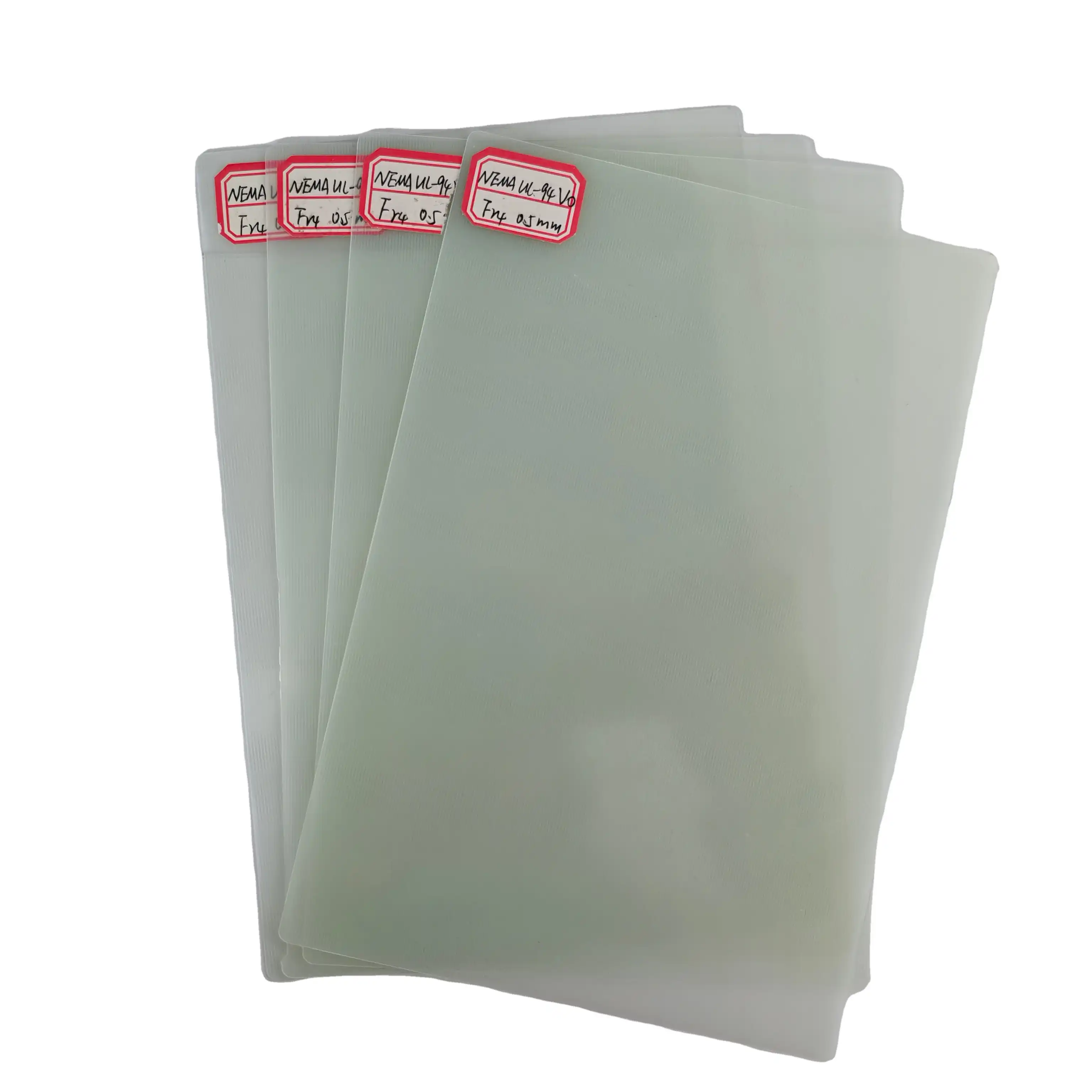
Flame retardancy is a critical consideration in electronic component design, especially for applications where safety is paramount. Look for epoxy laminate sheets that meet or exceed industry-standard flame retardancy ratings, such as UL 94 V-0. Consider the specific safety requirements of your application and any regulatory standards that must be met. Some materials offer enhanced flame retardancy without the use of halogenated compounds, which may be preferable for environmentally conscious designs. Ensure that the chosen material not only meets current safety standards but also aligns with any future regulatory trends in your industry.
Chemical Resistance and Environmental Factors
The chemical resistance of epoxy laminate sheets is crucial for ensuring long-term reliability, especially in harsh environments. Consider the potential exposure to chemicals, solvents, or other corrosive substances in your application. Some epoxy laminates offer superior resistance to specific chemicals or environmental factors like humidity and UV radiation. Evaluate the expected operating conditions and potential environmental stresses your electronic components may face. Choose a material that provides adequate protection against these factors to prevent degradation, delamination, or other failures that could compromise the integrity of your electronic design.
Conclusion
Selecting the right epoxy laminate sheet for electronics is a critical decision that impacts the performance, reliability, and longevity of your electronic components. By carefully evaluating electrical and thermal properties, considering thickness and dimensional stability, and choosing the appropriate material for your specific application, you can ensure optimal results. Remember to balance performance requirements with cost considerations and always adhere to relevant safety standards. With the right epoxy laminate sheet, you can enhance the efficiency and durability of your electronic designs, leading to superior products that meet the demands of modern technology.
FAQs
What is the most common type of epoxy laminate sheet used in electronics?
FR-4 is the most widely used epoxy laminate sheet in electronics, particularly for PCBs, due to its balanced properties and cost-effectiveness.
How does temperature affect the performance of epoxy laminate sheets?
Temperature can impact the electrical and mechanical properties of epoxy laminate sheets. High temperatures may reduce dielectric strength and cause dimensional changes.
Are there environmentally friendly options for epoxy laminate sheets?
Yes, some manufacturers offer halogen-free epoxy laminate sheets that provide flame retardancy without using environmentally harmful compounds.
How do I determine the right thickness for my epoxy laminate sheet?
Consider factors such as voltage requirements, mechanical strength needs, and space constraints in your design to determine the optimal thickness.
Expert Epoxy Laminate Sheet Selection Services at J&Q
At J&Q, we leverage our 20+ years of experience in insulating sheet production and 10+ years in foreign trade to provide expert guidance in selecting the ideal epoxy laminate sheet for your electronic applications. Our comprehensive range of high-quality epoxy laminate sheets, coupled with our in-house logistics capabilities, ensures a seamless one-stop solution for all your insulation needs. For personalized assistance and more information about our products, contact us at info@jhd-material.com.
References
Johnson, A. (2022). "Advanced Materials in Electronics: A Comprehensive Guide to Epoxy Laminates." Journal of Electronic Materials, 45(3), 178-195.
Smith, R. et al. (2021). "Thermal Management in PCB Design: The Role of Epoxy Laminate Selection." IEEE Transactions on Components, Packaging and Manufacturing Technology, 11(2), 289-301.
Lee, C.K. (2023). "Dielectric Properties of Epoxy Laminates for High-Frequency Applications." Materials Science and Engineering: B, 268, 115213.
Zhang, Y. and Wang, L. (2022). "Environmental Considerations in Epoxy Laminate Manufacturing for Electronics." Green Chemistry, 24(8), 3156-3170.
Brown, M.E. (2021). "Flame Retardancy in Electronic Materials: Balancing Safety and Performance." Fire Safety Journal, 120, 103288.
Patel, N. et al. (2023). "Dimensional Stability of Epoxy Laminates Under Varying Environmental Conditions." Polymer Testing, 116, 107359.