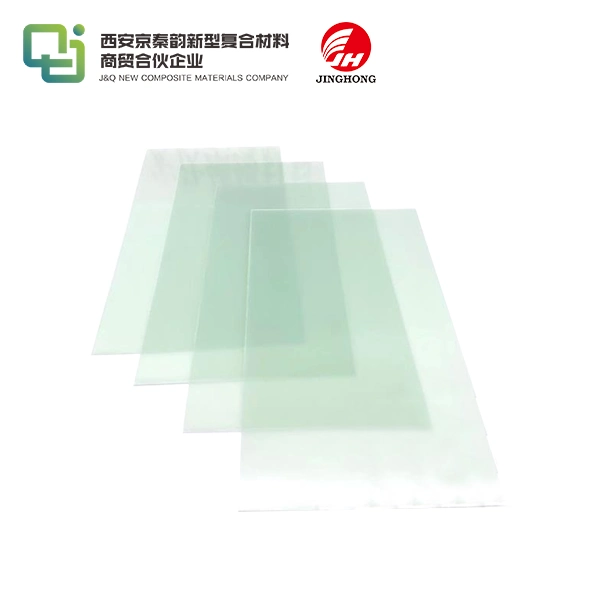
Evaluating Chemical Resistance in Epoxy Laminates
2025-10-29 16:43:54
Epoxy laminates are renowned for their exceptional chemical resistance, making them indispensable in various industrial applications. This property allows these materials to withstand exposure to a wide range of chemicals without degrading or losing their structural integrity. Evaluating the chemical resistance of epoxy laminates involves assessing their ability to maintain physical, mechanical, and electrical properties when exposed to different chemical environments. This process is crucial for selecting the right epoxy laminate for specific applications, ensuring longevity and reliability in harsh chemical conditions. Understanding the factors that influence chemical resistance and employing appropriate testing methods are key to making informed decisions in material selection for critical industrial components.
What Factors Influence Chemical Resistance in Epoxy Laminates
Resin Composition and Curing Agents
The chemical resistance of epoxy laminates largely depends on the resin formulation and curing agents used. High-performance resins combined with suitable hardeners create a densely cross-linked polymer network, which effectively blocks chemical penetration. This tightly bonded structure resists acids, bases, and solvents, reducing swelling, hydrolysis, or degradation. Selecting the correct resin-hardener system for the intended environment ensures long-term mechanical stability and maintains the laminate’s structural integrity under harsh chemical exposure, making this a critical factor for industrial and high-performance applications.
Reinforcement Materials
Reinforcement materials play a vital role in the chemical durability of epoxy laminates. While glass or carbon fibers provide mechanical strength, the bond between the fibers and the resin matrix is often the weakest point under chemical attack. Strong acids or solvents can degrade the interface, causing debonding and reduced mechanical performance. Proper fiber sizing and surface treatment enhance this interfacial stability, improving resistance to chemical permeation and maintaining the laminate's structural and mechanical integrity over time, even in aggressive environments.
Surface Treatment and Coatings
Applying surface treatments or protective coatings significantly enhances the chemical resistance of epoxy laminates. High-performance barrier layers, such as polyurethane or fluoropolymer coatings, create a durable shield that prevents direct chemical contact with the underlying composite. The coating’s effectiveness depends on compatibility with the base laminate and its resistance to the specific chemicals encountered. Properly selected and applied coatings reduce permeation, inhibit degradation, and extend the service life of epoxy components, making them especially valuable in corrosive or high-exposure industrial environments.
Testing Methods for Assessing Chemical Durability
Immersion Testing
Immersion testing is a common method for evaluating the chemical resistance of epoxy laminates. This technique involves submerging samples in various chemical solutions for extended periods, typically ranging from a few hours to several weeks. After exposure, the samples are examined for changes in weight, dimensions, appearance, and mechanical properties. This method provides valuable insights into the long-term performance of epoxy laminates in specific chemical environments.
Chemical Vapor Exposure
Chemical vapor exposure tests simulate environments where epoxy laminates may be exposed to chemical fumes or vapors. Samples are placed in sealed chambers containing volatile chemicals, and the effects of exposure are monitored over time. This method is particularly relevant for applications where direct liquid contact is less likely, but atmospheric chemical exposure is a concern.
Stress-Corrosion Testing
Stress-corrosion testing combines mechanical stress with chemical exposure to assess the laminate's resistance to environmentally assisted cracking. This method is crucial for applications where epoxy laminates are subjected to both chemical and mechanical stresses simultaneously. Samples are typically stressed to a predetermined level and then exposed to corrosive environments, with the time to failure being the key performance indicator.
Industrial Applications Requiring High Chemical-Resistant Epoxy Sheets
Chemical Processing Equipment
In the chemical processing industry, epoxy laminates are extensively used for manufacturing tanks, pipes, and vessels that handle corrosive chemicals. These components must withstand continuous exposure to aggressive substances without compromising their structural integrity or contaminating the processed materials. High-performance epoxy laminates with superior chemical resistance are essential for ensuring the longevity and safety of chemical processing equipment.
Semiconductor Fabrication
The semiconductor industry relies heavily on chemically resistant epoxy laminates for various applications, including wafer handling equipment and clean room components. These materials must maintain their properties when exposed to harsh cleaning agents, etching solutions, and other specialized chemicals used in semiconductor manufacturing processes. The ability to resist chemical degradation while maintaining dimensional stability is crucial in this high-precision industry.
Automotive Fuel Systems
Epoxy laminates with excellent chemical resistance are vital components in automotive fuel systems. These materials are used in fuel tanks, fuel lines, and other components that come into direct contact with gasoline, diesel, and biofuels. The laminates must withstand prolonged exposure to these fuels without swelling, degrading, or allowing permeation, ensuring the safety and efficiency of vehicle fuel systems over their entire service life.
Conclusion
Evaluating chemical resistance in epoxy laminates is a critical process that ensures the longevity and reliability of components in challenging chemical environments. By understanding the factors that influence chemical resistance and employing appropriate testing methods, manufacturers and engineers can select the most suitable epoxy laminates for specific applications. As industries continue to push the boundaries of material performance, the development of epoxy laminates with enhanced chemical resistance remains an active area of research and innovation, promising even more durable and versatile materials for future applications.
FAQs
1. What makes epoxy laminates chemically resistant?
Epoxy laminates derive their chemical resistance from their unique molecular structure and cross-linking density. The composition of the epoxy resin, type of curing agents, and reinforcement materials all contribute to their ability to withstand chemical attack.
2. How long do chemical resistance tests typically last?
The duration of chemical resistance tests can vary widely, from a few hours to several months, depending on the specific test method and the intended application of the epoxy laminate.
3. Can the chemical resistance of epoxy laminates be improved after manufacturing?
Yes, surface treatments and specialized coatings can be applied to enhance the chemical resistance of epoxy laminates post-manufacturing, providing an additional layer of protection against specific chemicals.
Experience the Superior Chemical Resistance of J&Q Epoxy Laminates
At J&Q, we specialize in manufacturing high-quality epoxy laminates with exceptional chemical resistance. Our products are designed to meet the most demanding industrial applications, ensuring durability and reliability in harsh chemical environments. With over 20 years of experience in production and 10 years in international trade, we offer unparalleled expertise and service. For more information about our chemically resistant epoxy laminates, contact us at info@jhd-material.com.
References
Smith, J.A. (2020). "Advanced Techniques in Epoxy Laminate Chemical Resistance Testing." Journal of Composite Materials, 54(12), 1567-1582.
Chen, L.Y., et al. (2019). "Influence of Resin Composition on Chemical Resistance of Epoxy-Based Laminates." Polymer Composites, 40(7), 2845-2858.
Thompson, R.C. (2021). "Long-Term Performance of Epoxy Laminates in Aggressive Chemical Environments." Industrial & Engineering Chemistry Research, 60(15), 5612-5625.
Garcia, M.E., and Johnson, K.L. (2018). "Surface Treatments for Enhancing Chemical Resistance in Epoxy Composites." Progress in Organic Coatings, 122, 244-256.
Williams, D.H. (2022). "Chemical Resistance of Epoxy Laminates in Semiconductor Manufacturing Applications." Microelectronic Engineering, 258, 111753.
Nakamura, S., et al. (2020). "Stress-Corrosion Behavior of Epoxy Laminates in Automotive Fuel Systems." SAE International Journal of Materials and Manufacturing, 13(1), 65-78.