Insulation Boards – The Ultimate Guide to Sizes, Types & Applications
2026-04-17 16:32:26
It is very important for engineering managers and procurement teams to understand insulation board specs when they are looking for solid electrical insulation options. An insulation board is a basic material that is designed to prevent heat, keep electricity from flowing, and provide structural support in a wide range of industry settings. These hybrid materials, which include FR4 epoxy laminates and phenolic cotton sheets, consistently provide the dielectric strength, heat resistance, and machinability that modern manufacturing needs. Choosing the right board type, thickness, and material grade has a direct effect on product safety, operating efficiency, and regulatory compliance, no matter if you're looking for parts for PCB assemblies, transformer barriers, or car battery packs.
Understanding Insulation Boards – Types and Core Characteristics
Several different types of insulation boards are used in industry. Each type is designed to answer a different set of temperature, electrical, and mechanical problems. Knowing about these types of materials helps expert buyers match performance characteristics to application needs.
FR4 Epoxy Glass Cloth Laminates
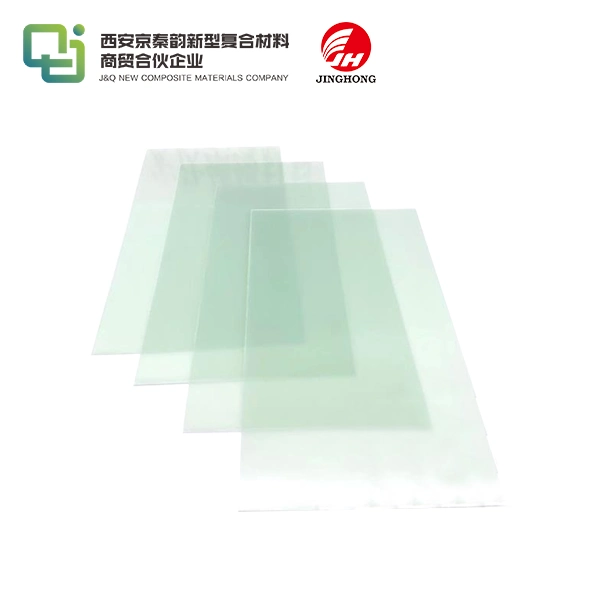
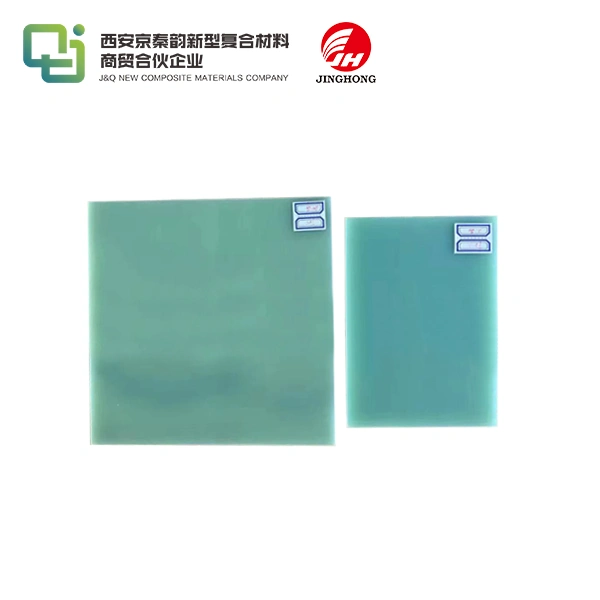
Because it is so good at resisting flame and electricity, FR4 is still the standard in electrical and computer uses. The woven fiberglass cloth and epoxy resin in this glass-reinforced epoxy laminate work together to make a material that stays strong at temperatures up to 130°C for long periods of time. The material has a dielectric strength of more than 20 kV/mm and is very easy to machine with a CNC machine, so it can be used to make complicated PCB support structures and switchgear components. Because it is compliant with ROHS and has a UL94 V-0 flame grade, FR4 is very appealing to makers who work with regulated markets. Standard sheet sizes are 1020mm x 1220mm, but special sizes are also possible. Thicknesses range from 0.5mm to 100mm, based on the mechanical load needs.
3240 Epoxy Phenolic Boards
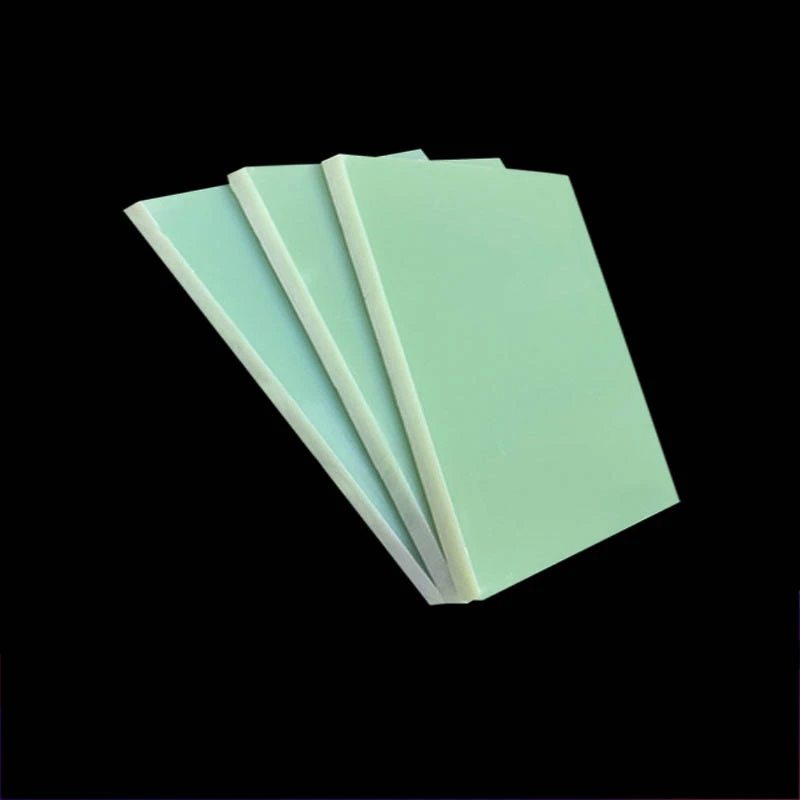
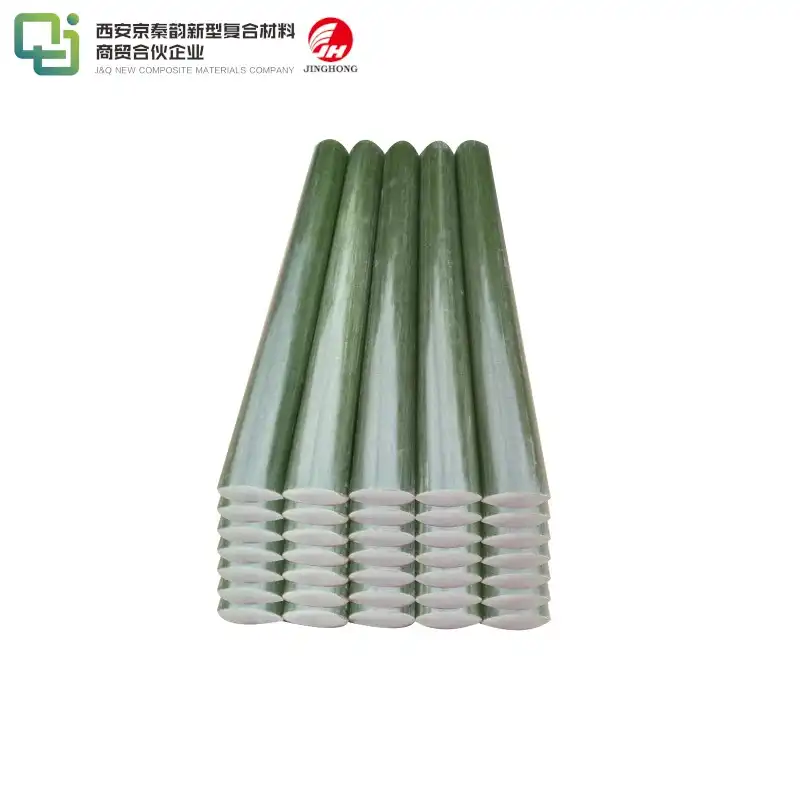
When working with motor parts and high-voltage uses, engineering teams often choose 3240 epoxy boards because they can handle more heat and are easier to punch. This yellow laminate can work at temperatures as high as 155°C for long periods of time (Class F insulation), which makes it perfect for motor slot wedges and transformer coil insulation. The epoxy resin and electrical-grade glass cloth that make up the material give it a tensile strength of over 340 MPa and an accurate tracking resistance. Manufacturers like that it has a constant thickness limit of ±0.1mm, which makes sure that automatic assembly lines can always put things together in the same way.
Phenolic Cotton Cloth Laminates
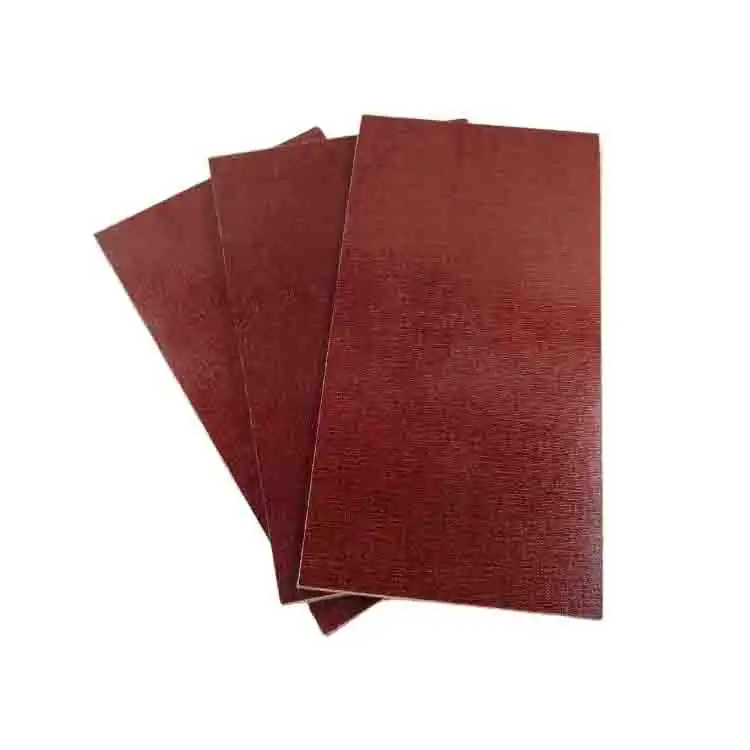
Industrial gear makers like phenolic cotton sheets for uses that need both good mechanical strength and electrical insulation. Under heat and pressure, these brown-to-black laminates join layers of cotton cloth with phenolic glue. This makes them very resistant to wear and good at absorbing shock. Their compressive strength usually goes up to 200 MPa, which lets them be used in gears, mechanical spacers, and structural insulators that are constantly under mechanical stress. The material cuts cleanly without delamination and keeps its shape even when the temperature changes from -40°C to 120°C.
Bakelite Composite Sheets
Manufacturers of home products that want to save money often choose Bakelite sheets for insulation frames and thermal separation parts. This phenolic resin-based material is a good electrical insulator that doesn't cost too much. Its dielectric breakdown voltage is between 12 and 16 kV/mm. Even though Bakelite doesn't work as well at high temperatures as epoxy alternatives, it's still good enough for many device uses up to 90°C. The material doesn't absorb much water—below 1.5%—so it works well in damp places, and it's easy to work with in pressing and cutting, making it good for mass production.
Knowing how R-values are used in electricity insulation helps buying teams figure out how well thermal management works. Electricity insulation boards focus on dielectric strength and arc resistance, while thermal insulation boards measure how much heat can flow through them. Choosing the right thickness relies on the voltage class, the mechanical load, and the available space. Typical thickness ranges range from 0.3mm for thin PCB panels to 50mm for heavy-duty industrial barriers.
Choosing the Right Insulation Board – A Practical Decision Support Guide
To choose the right electrical insulation board materials, you need to carefully look at them from a number of scientific and practical points of view. Structured models that match the qualities of materials with the needs of a specific application are helpful for engineering managers.
Application Environment Assessment
The working setting has a big impact on the choice of material. When it comes to heat, electrical and electronics makers who put parts in sealed boxes have different problems than power distribution equipment that is out in the elements. There are more material options for indoor switchgear that works in a steady 25°C environment, but Class F or Class H laminates are needed for transformer barriers that see temperature changes during the load cycle from 60°C to 140°C. Exposure to humidity is also important. For coastal locations, materials must absorb less than 0.5% of wetness, but controlled-environment PCB circuits can handle slightly higher rates of absorption.
Performance Criteria Matrix
Technical buying teams should use these main criteria to judge candidates:
Dielectric Performance: FR4 and 3240 resin boards work great in high-voltage situations because they have breakdown strengths higher than 18 kV/mm, making them perfect for switchgear rated above 1000V. When 10–14 kV/mm of safety cushion is enough for lower-voltage motor insulation, phenolic laminates are enough.
Thermal Stability: The glass transition point of FR4 is above 130°C, which keeps the barriers in automotive battery packs from melting while they are in use. Standard Bakelite grades work well with motor brackets for home appliances that can handle service temperatures of 80 to 100°C.
Mechanical Demands: Gears and spacers in industrial machinery are loaded and unloaded many times, so they need phenolic cotton's high impact strength and resistance to wear. Electronics mounting plates that hold together lightweight PCB assemblies put accuracy in dimensions and smoothness ahead of total mechanical strength.
Machinability Requirements: Epoxy glass laminates that are easy to drill, mill, and route without breaking work best for complicated shapes with tight standards. The good punching properties of phenolic materials are used to make simpler punched parts in large quantities.
Regulatory Compliance Verification
In regulated businesses, people who make decisions must make sure that products meet the standards that apply. UL certification, like UL94 for flammability and UL746 for electrical qualities, is very important for goods that want to sell in North America. ROHS compliance makes sure that there are no banned chemicals, and CE marking paperwork makes it easier to sell in Europe. People who buy things in the power sector often need IEC 60893 type testing documents that confirm the mechanical, thermal, and electrical performance factors. More and more, auto suppliers want insulation board makers to have IATF 16949 quality system approval.
Cost factors for insulation board include more than just unit price. They also include the total value of ownership. Premium FR4 types are 40–60% more expensive than regular phenolic sheets, but they work better at high temperatures and are easier to machine, which cuts down on waste and problems in the field. Thickness standardization across product lines helps volume buyers who negotiate yearly contracts because it simplifies inventory and gives them more price power.
Installation and Application Best Practices
The best way to get the most out of insulation boards in harsh industrial settings is to handle and make them correctly. Paying attention to the working needs and environmental limits of a material is important for getting good results.
Material Preparation and Storage
Even though insulation laminates are delivered with the right amount of wetness, they are still hygroscopic to different degrees. To keep their sizes stable, epoxy boards should be left in the production area for 24 to 48 hours before they are machined. Keeping storage areas between 18 and 25°C and 40 to 60% relative humidity stops swelling caused by moisture. Phenolic materials can be stored in a wider range of conditions, but they still need to be kept out of direct sunlight and away from big changes in temperature that could cause internal stresses.
Fabrication Techniques for Optimal Results
To keep the resin from spreading and FR4 and epoxy laminates from delaminating, CNC machines must run carbide tools at modest speeds (1500 to 2500 RPM for cutting and 8000 to 12000 RPM for routing). Enough chip drainage through the right feed rates keeps cutting zones cool, which keeps the accuracy of the dimensions. When cutting phenolic materials with HSS tools at slightly slower speeds, clean lines are made because the sharp tools keep the fabric support layers from tearing.
For high-volume production, die gaps must be 5 to 8 percent of the thickness of the material. Heated dies (40 to 60°C) improve the edge quality of phenolic cotton laminates. Laser cutting gives designers more freedom when making prototypes, but in high-voltage situations, edges may need to be sealed to keep water out of uncovered fiber structures.
Assembly and Installation Guidelines
When engineers put up insulation boards as generator barriers or motor slot wedges, they should make sure the surface is clean to make sure the glue sticks well. Epoxy-based structural glue make strong, temperature-resistant bonds for long-lasting structures, while non-conductive hardware for mechanical fastening works best for situations that need to be serviced every so often. Tracking problems in high-voltage systems can be avoided by keeping the suggested creepage and clearance distances according to IEC 60664 standards.
Placement choices for insulation board are affected by thermal control issues. Barriers around battery packs need 2-3 mm of air space to allow convective cooling to happen. Motor slot insulation, on the other hand, needs to fit tightly to get rid of air pockets that stop heat from moving. Material compression limits (usually no more than 10-15% maximum) are often set in automotive uses to keep cracks from forming during assembly that are caused by stress.
Maintenance and Lifecycle Management
Insulation systems last longer when they are inspected on a regular basis. Visual checks that find surface pollution, mechanical damage, or tracking proof allow replacements to be made before they fail. Power distribution equipment that works in dusty places should be cleaned on a regular basis with approved solvents that don't break down plastic structures. Temperature tracking with thermal imaging finds hotspots that mean the insulation is wearing down or isn't thick enough for the loads being applied.
Procurement Strategies for Industrial Buyers
To successfully navigate the insulation board supply chain, you need to know how the market works, what manufacturers can do, and what kinds of value-added services each provider offers.
Supplier Qualification and Selection
Finding reliable sources for materials starts with evaluating vendors on both technical and practical levels. Manufacturers with ISO 9001 quality systems show they can control the production process, and ISO 14001 certification shows they care about environmental management. Technical buyers should check to see if the company has its own testing labs. Companies that run material testing labs can quickly confirm mechanical, electrical, and heat qualities that help engineers validate their work.
When planning volume ramps or dealing with supply chain problems, production ability is important. Facilities with more than one press line have better backup and extra ability than those with only one line. Being close to your manufacturing centers cuts down on wait times and freight costs, but you have to weigh this benefit against the cost and quality of the materials you use.
Bulk Purchasing and Volume Negotiations
When you sign an annual deal for insulation board that locks in prices for expected amounts, you usually get 12–18% off of spot purchases. For bigger commitments, you get bigger rebates. To get the most out of volume, engineering managers should work together across all product lines to standardize thickness and size requirements. For normal sizes, the minimum order quantity is usually between 50 and 100 sheets. For special sizes, it can be between 200 and 500 sheets.
Just-in-time supply programs make sure that materials are available while lowering the costs of keeping stockpiles. Suppliers who offer contract inventory plans cover the costs of keeping materials until they are used in production. This makes the use of working capital more efficient. These programs work best with well-known providers who have shown they can consistently meet quality and service requirements over a number of years.
Custom Specifications and Technical Support
Suppliers who offer technical teamwork are helpful for applications that need to meet specific size, performance, or certification standards. Custom thickness limits that are tighter than the standard ±10% specifications, special resin formulations for better chemical resistance, or specific certification testing to customer standards are all examples of services that add value and support supplier partnerships.
Technical support that goes beyond material datasheets can help fix problems with processing and application fails. Suppliers who offer on-site cutting advice, help with failure analysis, and suggestions for replacement materials are no longer just transactional suppliers, but strategic partners. This knowledge is especially helpful when testing new materials or figuring out problems with how they work in the field.
Logistics and Supply Chain Optimization
When compared to local suppliers, international sourcing from Asian makers can save you 20–35% on costs. However, longer lead times (6–10 weeks vs. 2–4 weeks), minimum order amounts, and quality consistency risks can make this less appealing. Cost and response are balanced by hybrid strategies that use domestic suppliers for quick-turn samples and foreign sources for high-volume production.
International shipping is easier when you work with sellers who run their own logistics networks or with freight forwarders who specialize in that kind of work. When you combine container loads and share room with products that go well together, the cost of freight per unit goes down. Buyers should be clear on Incoterms right away. DDP (Delivered Duty Paid) pricing makes planning easier because it includes all costs to your dock. EXW (Ex Works) pricing is more open, but it requires managing foreign logistics.
Conclusion
To choose the right insulation boards, you have to carefully weigh their electrical, thermal, and mechanical performance against the needs and working conditions of the application. FR4 epoxy laminates, 3240 epoxy boards, phenolic cotton sheets, and Bakelite materials are all useful for different industrial tasks, from putting together PCBs to insulating heavy machinery. Structured decision models that look at dielectric strength, temperature ratings, machinability, and regulatory compliance can help technical buyers balance performance requirements with cost limits. Lifecycle cost analysis, smart supplier relationships, and the right way to make things all help to maximize material value and meet sustainable goals. Understanding these factors helps engineering managers and buying professionals choose the best solutions that will work reliably in challenging electrical, electronics, power distribution, automobile, and appliance manufacturing situations.
FAQ
What thickness of insulation board should I specify for high-voltage switchgear applications?
How thick the insulation barrier is based on the voltage class and the safety gaps that need to be met. Medium-voltage switchgear (4.16–15 kV) usually uses 3-6 mm FR4 or 3240 epoxy boards, which have safety factors above 2:1 and enough dielectric strength. As the voltage class goes up, so do the thickness standards. For example, 25 kV circuits usually call for 8–12 mm walls. The choice of width is also affected by the need for mechanical support and the amount of room that is available. By looking at the IEC 60694 standards and working with experienced insulation board suppliers, you can be sure that the specs meet both the safety and efficiency needs for electrical systems.
How do I compare R-values across different electrical insulation materials?
The thermal R-value measures how much heat can't move through something. It's mostly used in building insulation and not in electrical uses. When it comes to electrical insulation boards, dielectric strength, spark resistance, and thermal stability are more important than thermal insulation characteristics. Engineers should pay attention to comparative thermal index (CTI) scores that show tracking resistance, glass transition temperatures that show when something starts to soften, and thermal conductivity values that show how heat moves through a material. These electrical and thermal qualities can be found on material datasheets from makers, which lets you compare performances correctly.
Can insulation boards be recycled at end of life?
How easy it is to recycle depends on the type of object and the infrastructure in the area. Thermoset laminates, such as epoxy and phenolic boards, don't break down easily, which makes it harder to recycle in the usual ways. Scrap metal that is clean and doesn't have any glue or metal parts can be ground up and used as filler in composite materials. Some expert recyclers use pyrolysis to get glass fibers out of epoxy laminates. If procurement teams want to work toward the circular economy, they should talk to suppliers about end-of-life choices and look into area industry recycling networks. Recyclability is improved by making things that are easy to take apart and not using permanent glues or mixed materials.
Partner with J&Q for Reliable Insulation Board Solutions
With more than 20 years of experience making great products and 10 years of experience trading internationally, J&Q is a great company to offer electrical insulation boards. We have a wide range of products, such as FR4 epoxy laminates, 3240 epoxy boards, phenolic cotton sheets, and Bakelite materials that meet UL and ROHS standards. These are important for uses in electronics, power distribution, cars, and industrial machines. Our technical consulting services help engineering teams choose the right materials, get them made to fit their needs, and fix problems with their applications. Our combined transportation network lets you get service from production to delivery all in one place, which makes your supply chain run more smoothly. When purchasing managers are looking for a reliable provider of insulation boards, our constant quality, flexible volume choices, and quick customer service give them a competitive edge. Email our team at info@jhd-material.com to talk about your needs and get thorough quotes that are made just for your project.
References
Institute of Electrical and Electronics Engineers (2019). IEEE Standard for Electrical Insulation Systems in Rotating Machinery, IEEE Std 117-2019, New York: IEEE Press.
Smith, R.J. & Wallace, M.H. (2021). Industrial Insulation Materials: Properties, Applications, and Selection Criteria, 4th Edition, London: Technical Publishing International.
International Electrotechnical Commission (2020). IEC 60893: Insulating Materials – Industrial Rigid Laminated Sheets Based on Thermosetting Resins for Electrical Purposes, Geneva: IEC Central Office.
Anderson, K.L. (2022). "Thermal Management in High-Voltage Electrical Systems: Material Selection and Design Considerations," Journal of Electrical Engineering and Technology, Vol. 17, No. 3, pp. 1247-1265.
National Electrical Manufacturers Association (2018). NEMA LI 1: Industrial Laminated Thermosetting Products, Rosslyn: NEMA Standards Publication.
Chen, W. & Rodriguez, M. (2023). Sustainable Manufacturing Practices in Composite Insulation Production, Cambridge: Materials Science Monographs, MIT Press.
.webp)