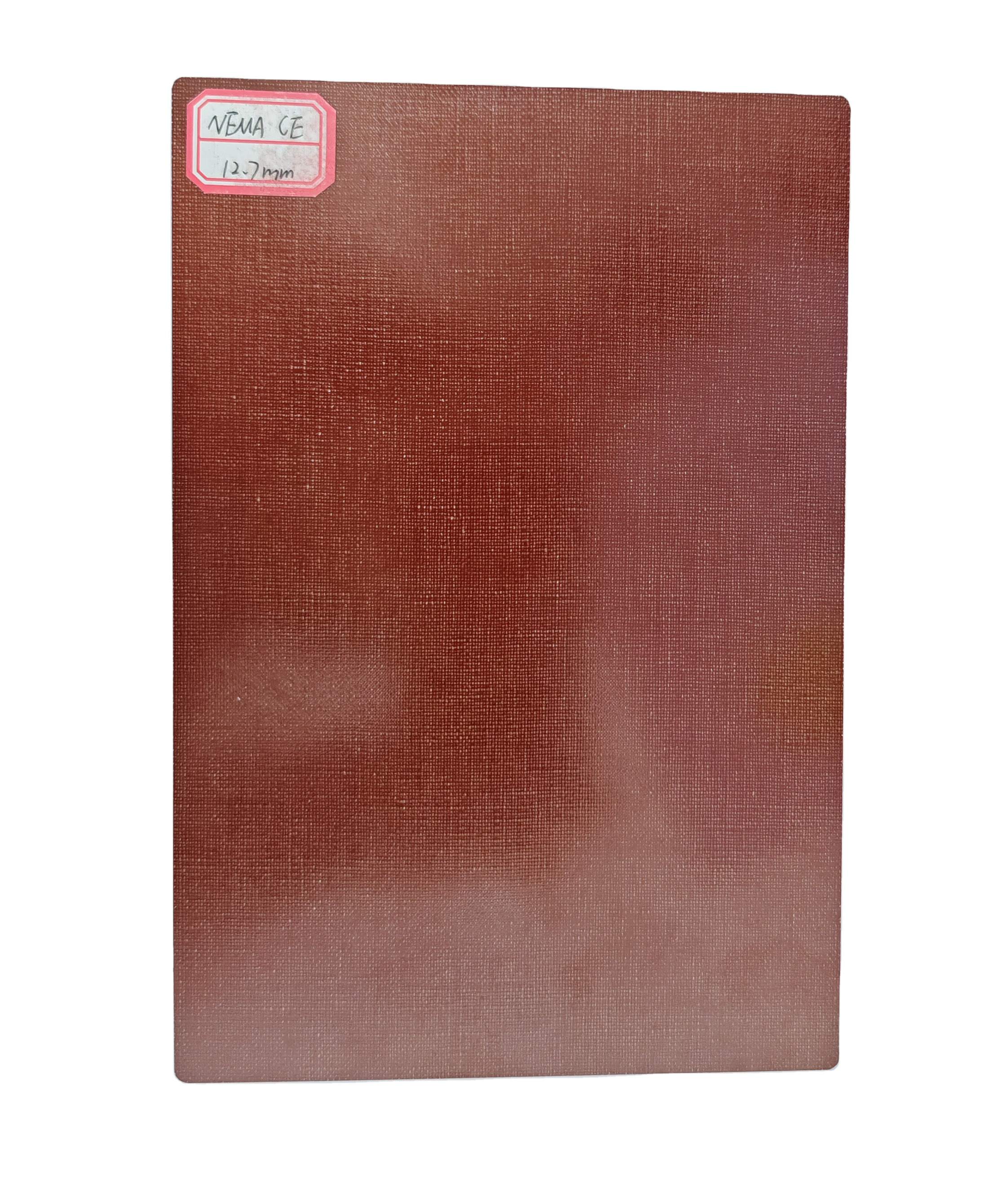
What is G10 Made Of and the Manufacturing Process?
2026-04-17 16:32:23
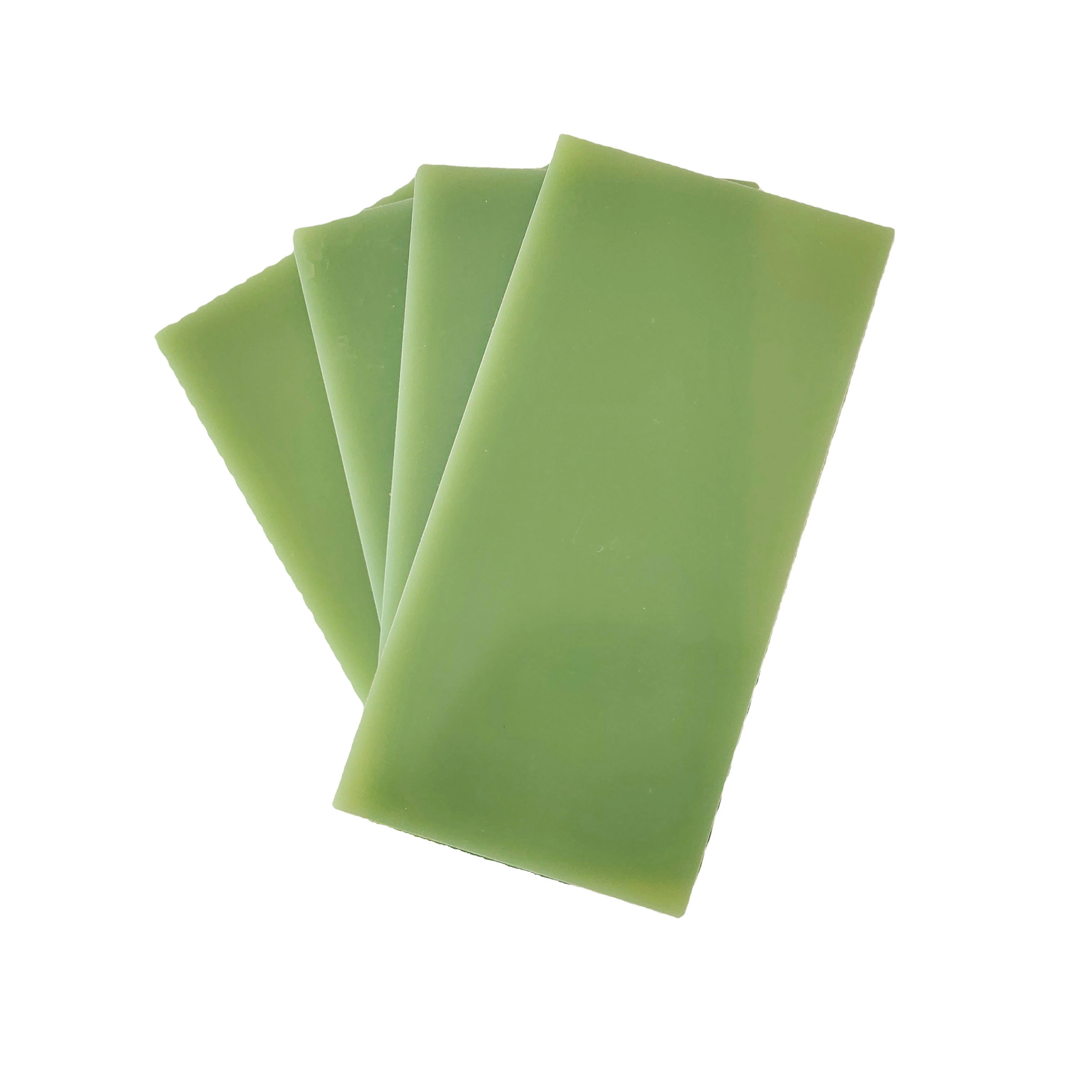
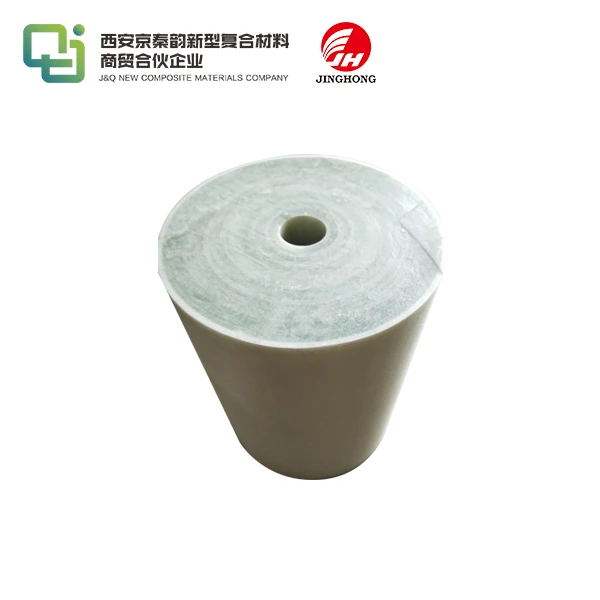
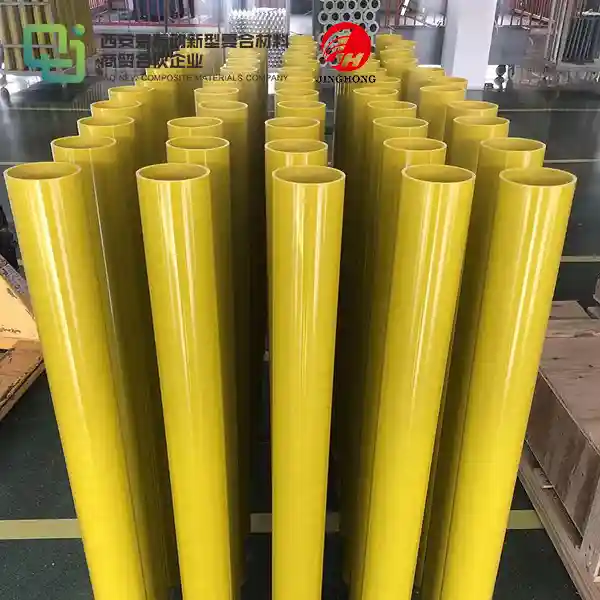
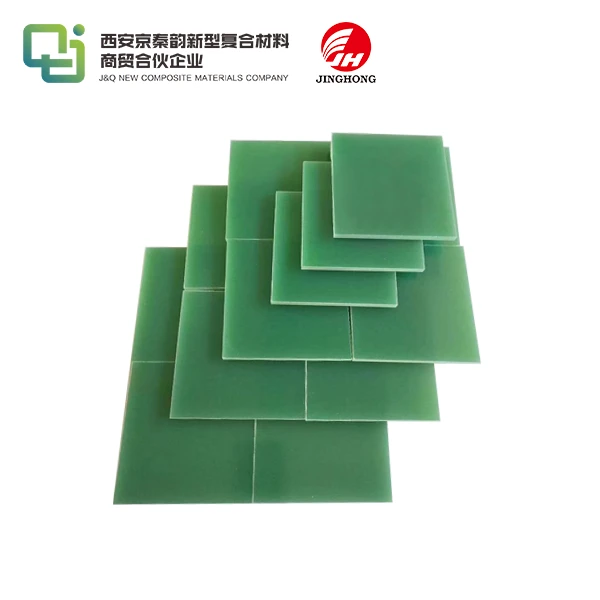
G10 sheet is a strong, high-pressure thermoset laminate made from several layers of woven fiberglass cloth that has been mixed with epoxy glue and then pushed together under a lot of heat and pressure. This design makes a material that is both very strong and very good at keeping electricity from flowing through it. The fiberglass strengthens the structure, and the epoxy binder joins the layers together to make a hybrid that is stable in shape and doesn't absorb water. G10 sheet is perfect for tough jobs where both dielectric performance and mechanical stability are important in industrial production settings because of its unique makeup.
Understanding G10 Material Composition
Core Materials: Fiberglass Cloth and Epoxy Resin
G10 sheet's base is made up of carefully chosen raw materials. The reinforcement structure is made of continuous filament fiberglass cloth that is braided into specific designs. Most of the time, this fiberglass is made up of E-glass strands, which have good electrical and mechanical qualities. The epoxy glue method holds the fibers together by encasing each one and making a matrix that stays together. This glue chemistry is designed to have low moisture absorption rates below 0.1%. This means that the shape will stay the same even when it's wet or muggy. When these two parts work together, they make a material that is stronger and more resistant to the elements than regular phenolic laminates.
Material Properties That Matter to Your Operations
When purchasing teams look at soundproofing materials, G10 sheet stands out from others because of how well it works in a number of ways. The ratio of strength to weight is higher than that of many aluminum alloys, so it can be used for structural purposes without adding extra weight to the parts. Volume resistance is usually higher than 10^14 ohm-cm, which means it can be used in high-voltage situations where current leaks could hurt safety or performance. This substance keeps its qualities at temperatures ranging from very cold (cryogenic) to about 130°C (continuous operation). G10 sheet doesn't soften or bend under heat stress like thermoplastics do. It keeps its shape and ability to insulate throughout its service life.
Comparing G10 to FR4 and Phenolic Alternatives
Knowing the differences between materials that look the same helps engineering managers make smart choices about where to get materials. UL94 V-0 self-extinguishing qualities are achieved by adding brominated chemicals to G10 sheet to make it less likely to catch fire. Many current providers offer G10 sheet/FR4 material that is rated for both mechanical performance and fire safety. Even though phenolic laminates are cheaper, they take a lot more water and have lower mechanical strength when they are loaded. Paper-based phenolic materials change size a lot when they are exposed to moisture, which can make it hard for electrical openings to work in switchgear. The glass support in G10 sheet makes it more stable in terms of size, which makes it better for precision-machined parts that need to keep their specs the same no matter what the environment is like.
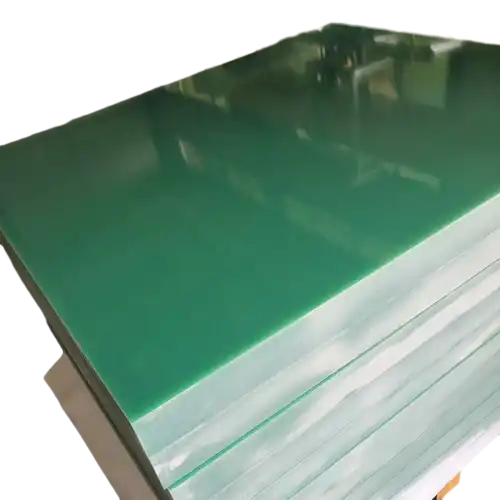
The Manufacturing Process of G10 Sheets
Material Preparation and Quality Control
The process of making something starts with carefully checking the raw materials that come in. The weave uniformity, thread count, and surface flaws that could weaken the laminate's integrity are checked on fiberglass cloth. To make sure the best impregnation and bonding, each batch of epoxy glue is tried for its viscosity, how it cures, and how long it lasts. This quality control up front stops problems later on that could affect the mechanical or electrical performance. Traceability procedures are used by suppliers whose quality systems are ISO-certified. This lets each production lot be tracked from the time the raw materials are received until the final review.
Impregnation and Layup Process
For G10 sheet, epoxy glue is carefully spread out on fiberglass cloth as it goes through tools for impregnation. The resin content, or "prepreg" makeup, needs to be just right—usually between 35 and 45% resin by weight—so that the mechanical strength and electrical protection are both good. Too much resin makes it weak, and not enough resin leaves holes that lower the dielectric strength. The material is partly fixed to a B-stage state after being impregnated, but it is still flexible enough to stack. Technicians carefully stack these prepreg sheets on top of each other, switching the directions of the fibers to make the mechanical properties even in both the longitudinal and crosswise directions. This layout design has a direct effect on how resistant the end laminate is to warping and how well it can handle mechanical loads in multiple directions.
Hot Press Lamination and Curing
The stacked prepreg unit goes into a hydraulic hot press, which changes it. Temperatures usually hit 150°C to 180°C, and pressures are higher than 1000 psi. This pushes extra resin out from between layers and gets rid of any air spaces. For another 60 to 90 minutes, this process of consolidation continues, giving the epoxy time to fully cross-link and join the fiberglass layers into a single structure. Changes in pressure and temperature must be carefully managed because they can cause internal stresses or partial healing that hurt performance. Modern factories use programmed presses with multiple heating zones to make sure that all big sheets have the same properties. The curing cycle is the last step in the chemical change from liquid resin to solid thermoset polymer. This is what holds the fiberglass in place and gives the material its stiffness and heat stability.
Post-Cure Processing and Surface Finishing
Once the sheets are taken out of the press, they are put in ovens for post-cure treatment to finish any cross-linking that is still there and make the mechanical features stable. In this step, internal pressures are lowered and temperature resistance is raised. The next step is to finish the surface. Abrasive grinding is used to get rid of any resin-rich layers on top and reveal the glass-epoxy mixture below. This process makes the measurements more accurate and makes the surface smooth so it can be machined or bonded further. Some uses need extra treatments. For example, edge sealing keeps water out in marine settings, and surface texture makes it easier for mechanical parts to grip. Carbide or diamond tools are used for precise cutting to customer specs because the glass quickly wears down regular cutting tools.
Quality Standards and Testing of G10 Sheets
International Certifications and Compliance
NEMA standards describe the qualities of G10 sheet material with the grade number LI-1. These standards set minimum requirements for mechanical strength, electrical properties, and resistance to the environment. UL certification makes sure that materials meet safety standards for electrical protection and being flammable in certain situations. ASTM testing procedures set standard ways to measure things like dielectric breakdown voltage, bending strength, and compressive strength. International electrical tools must follow IEC standards, which means that makers who want to sell their products abroad must do so. Reliable sellers keep certificates for a number of different standards. This shows that they are committed to quality and can serve markets around the world.
Mechanical and Electrical Performance Testing
Tensile strength testing checks how much lengthwise stress the material can handle before breaking. For good G10 sheet, this stress level is usually higher than 40,000 psi. Flexural testing checks how much strong something is against bending forces, which is very important for structure uses where parts need to cross gaps or hold up loads. During dielectric strength tests, the voltage is raised until the material breaks. This proves that it can stop electrical discharge. Values for good laminates usually go above 20 kV/mm. Impact resistance testing mimics rapid mechanical shocks, which is important for places that are often vibrated, like transportation. These numeric tests give engineering managers information they can use to compare sources and make sure materials are right for certain uses.
Moisture Absorption and Environmental Resistance
For water absorption tests on G10 sheet, samples are weighed both before and after being submerged in water for a set amount of time, usually 24 hours at 23°C. Quality G10 sheet gains less than 0.1% of its weight in wetness, so it doesn't change size and its electrical properties stay the same in damp places. Arc resistance testing checks how long the surface can handle electrical arcing before it makes a way for electricity to flow, which is very important for high-voltage switchgear uses. Chemical resistance testing puts samples through a series of oils, solvents, and cleaning agents that are commonly used in factories. This makes sure that the materials are safe to use in those conditions. These outdoor tests tell the difference between high-quality materials and cheaper ones that might break down too soon in the real world.
Applications and Benefits of G10 in Industrial Use
Electrical and Electronics Manufacturing
G10 sheet and its flame-resistant cousin FR4 are used as substrates by circuit board makers to support electrical tracks and electronic parts. The low dielectric constant and dissipation factor of the material keep signal loss to a minimum in high-frequency settings, which makes it good for RF and microwave systems. In control panels, G10 sheet is used for terminal blocks and bus bar supports because it is electrically isolated and mechanically rigid. This keeps safe spacing even when the temperature and pressure change. To stop winding-to-frame problems, motor makers use G10 sheet slot wedges and phase insulation. They do this because the material is stable at low temperatures and strong under centrifugal forces.
Power Distribution and Transformer Applications
Electrical companies and transformer makers have special problems to deal with because spark flashes and high temperatures can damage equipment and put people in danger. Arc chutes made of G10 sheet can handle the intense heat and plasma that are made when a fault interrupts. They keep their form and insulating qualities throughout the event. Turn-to-turn shorts can happen in high-voltage windings, but coil insulation walls stop them. Even a small failure in the insulation can cause huge problems with the equipment. The material doesn't catch fire easily and doesn't make a lot of smoke, which makes sealed switchgear setups safer. In designs with limited room, phase barriers and mounting brackets combine mechanical and electrical functions to support structures and keep charged wires electrically isolated from each other.
Industrial Machinery and Precision Components
Machine builders use G10 sheet to make wear-resistant parts like gears, bushings, and thrust washers. Because it is self-lubricating and stable in its dimensions, it requires less upkeep. Jigs and fittings made from G10 sheet keep their precise standards even when the temperature changes. This makes sure that the quality of the parts being made is always the same. Because the material is easy to machine, even complicated shapes can be CNC-machined with close tolerances. However, carbide tools are needed because the material contains sharp glass. Because G10 sheet is an insulator, it can safely hold charged parts during quality control processes in test stands for electrical equipment. Because it is strong mechanically and doesn't conduct electricity, it's perfect for uses where metal parts could cause short circuits or unwanted electrical paths.
Automotive and Transportation Innovations
Manufacturers of electric vehicles have to meet strict standards for the protection of battery packs, where heat runaway events can spread between cells without proper barriers. G10 sheet separates cell units in a way that doesn't catch fire, keeping the structure's stability during thermal events. In order to meet safety standards for the automotive industry, motor controller housings have G10 sheet insulation frames that separate high-voltage power electronics from grounded chassis components. Because the material is resistant to coolants, oils, and cleaning agents, it will last for a long time in tough underhood settings. The strength-to-weight ratio of G10 sheet makes it a good choice for weight-reduction efforts because it lets designs be lighter than with metal options without losing safety.
Cost-Effectiveness and Lifecycle Value
Even though the starting prices of materials are higher than those of common plastics and paper-based phenolics, G10 sheet is more cost-effective over its entire lifecycle. Longer service lives mean that parts don't need to be replaced as often, which saves money on work costs for upkeep tasks. Failure prevention in important applications keeps them from going down, which costs a lot of money and could lead to a safety issue, which could cost even more and hurt the company's image. Because the material is dimensionally stable, parts that are warped or swollen don't need to be fixed, which increases industrial outputs. Customization options, such as thickness, size, and surface processes, make the best use of materials and cut down on waste compared to over-engineered solutions that use standard parts.
How to Select High-Quality G10 Sheets for Your Business Needs?
Evaluating Material Grades and Specifications
Not all G10 sheet materials work the same, and knowing the differences between grades keeps you from making expensive design mistakes. Minimum property requirements are set by NEMA grades, but top makers go above and beyond these by using better resin formulations and tighter process controls. Check to see if the material being offered is pure G10 sheet or dual-rated G10 sheet/FR4, as flame-retardant versions may be needed for certain uses or because of regulations. Check the data sheets for qualities that are important for your use. For example, dielectric strength is more important for high-voltage uses, while flexural strength is very important for structure uses. Request certified test reports from independent laboratories rather than relying solely on manufacturer claims, ensuring objective validation of performance characteristics.
Assessing Supplier Capabilities and Reliability
Your supply chain stability is directly affected by how much you can produce and how flexible your lead times are. Suppliers who make their own products have more control over the quality of the raw materials and the schedule for production. Distributors, on the other hand, count on outside sources that could cause delays. Find out about minimum order amounts and stocking programs. Some makers keep popular sizes in stock so they can ship quickly, but special sizes need production runs with longer wait times. Quality management systems that are approved to ISO 9001 or similar standards show that a company is dedicated to using consistent methods. Having long-term partnerships with electrical and machinery makers shows that you are reliable and technically skilled in a wide range of challenging situations.
Customization and Technical Support
Having engineering help choose materials speeds up the project schedule and stops design mistakes. Knowledgeable sellers help balance different needs, such as cost, thickness limits, and surface finish. Custom sizes cut down on waste and cutting time, and sheets that are cut to near-net forms cut down on extra work. Surface treatments, such as edge sealing or roughness designs, add value when they are used during production instead of after the product has been delivered. Using rapid prototyping services lets you try and confirm your ideas before committing to large-scale production, which lowers the risk of creating a new product. Suppliers who take the time to learn about your application offer answers instead of just filling orders.
Balancing Cost and Performance Requirements
When making a purchase choice, you shouldn't just look at the lowest unit price. The total cost of ownership also takes into account quality risks, delivery reliability, and the value of expert support. Material from sources that haven't been checked out may have inconsistent qualities, which can lead to production mistakes or failures in the field that cost a lot more than the initial savings. Check the thickness limits and dimensional accuracy. Cheap material often doesn't meet the requirements when it comes, so it needs to be fixed or thrown away. When you buy something from another country, think about how you will pay and how stable the currency will be. Changes in the exchange rate can make obvious cost benefits disappear. Building ties with domestic suppliers may help with communication, lead times, and response in ways that make up for the slightly higher prices compared to suppliers farther away.
Conclusion
G10 sheet has been used for many years in situations where electrical protection, industrial strength, and resistance to the elements are all important. Procurement professionals can make smart choices about where to get materials by knowing what they are made of (woven fiberglass joined with epoxy resin) and how they are precisely manufactured to make consistent, reliable materials. Following international quality standards makes sure that products will work as planned in a wide range of industry settings. G10 sheet has a long life because it is durable and doesn't change size. It can be used to support PCB circuits, separate high-voltage power distribution equipment, or make structure parts for harsh settings. To find the best supplier, you need to look at more than just the specs of the materials. You also need to look at the supplier's manufacturing skills, ability to accommodate customizations, and technical support. This is what turns a simple buy into a strategic relationship.
FAQ
Can G10 sheet withstand high-temperature applications?
Up to about 130°C of constant activity, standard G10 sheet keeps its mechanical and electrical properties. For uses that need to withstand higher temperatures, G11 grade material is a good choice. It has a different epoxy structure that keeps its power at temperatures close to 180°C.
How does moisture affect G10 performance?
G10 sheet absorbs less than 0.1% of its weight in water, which means it doesn't change size and keeps its insulating strength even when it's wet or humid. This makes it better than phenolics made from paper and many thermoplastics for uses outside or in the water where wetness is inevitable.
What tooling is required to machine G10 sheet?
The glass fiber content makes it very rough, and regular tools wear out very quickly. For drilling, turning, and grinding, you need cutting tools with carbide or diamond tips. Using the right dust cleaning systems will keep your tools and people safe from the fiberglass particles that are made during the cutting process.
Is G10 sheet suitable for food contact applications?
In general, G10 sheet is not affected by chemicals and can stand up to most cleaning products, but it is not usually approved for direct food contact. In food processing equipment, chemical resistance is needed for mechanical parts or electrical protection that don't come into direct contact with food but still need to be able to withstand cleaning solutions.
Partner with J&Q for Reliable G10 Sheet Supply
Navigating the complexities of industrial laminate sourcing requires a G10 sheet manufacturer who understands both material science and your operational realities. J&Q has been making insulation materials for more than 20 years and has also been trading internationally for ten years, working with the electrical, machinery, and car industries on a world scale. Our factories have strong quality controls that make sure that every batch has the same mechanical traits, dielectric performance, and accurate measurements. In addition to production, our integrated logistics skills make delivery planning easy, so you don't have to deal with the problems that come with working with multiple providers. Our technical team works directly with your engineering and buying departments to make sure that the right materials are chosen and that the supply chain works as efficiently as possible. This is true whether you need standard sheets right away or materials that are machined to your exact specs and in the right size. Get in touch with us at info@jhd-material.com to talk about how our G10 sheet options can help you make your products more reliable and make the buying process easier.
References
National Electrical Manufacturers Association. (2018). Industrial Laminating Thermosetting Products: NEMA Standards Publication LI 1-1998. Rosslyn: NEMA.
Harper, C.A. (2006). Handbook of Plastics, Elastomers, and Composites. Fourth Edition. New York: McGraw-Hill Professional.
Lubin, G. (1982). Handbook of Composites. New York: Van Nostrand Reinhold Company.
American Society for Testing and Materials. (2020). ASTM D229-20: Standard Specification for Laminated Thermosetting Materials. West Conshohocken: ASTM International.
Underwriters Laboratories. (2019). UL 746C: Standard for Polymeric Materials - Use in Electrical Equipment Evaluations. Northbrook: UL LLC.
Chung, D.D.L. (2010). Composite Materials: Science and Applications. Second Edition. London: Springer-Verlag.