What is the Purpose of an Insulation Sheet? Complete Guide
2026-04-16 17:25:53
An insulation sheet serves as a specialized barrier material engineered to prevent electrical current leakage, manage thermal conditions, and provide structural support in industrial equipment. These rigid composite materials—including phenolic laminates, epoxy glass cloth sheets, and FR4 boards—are essential for maintaining safety and operational efficiency in electrical distribution systems, manufacturing machinery, and consumer electronics. By combining dielectric strength with mechanical durability, insulation sheets enable engineers to design equipment that withstands high voltage, extreme temperatures, and demanding operational environments while meeting strict safety certifications.
Understanding the Purpose of Insulation Sheets
Defining Electrical Insulation Sheets and Their Core Functions
Thermal building insulation and electrical insulation sheets are very different. To make these industrial-grade laminates, thermosetting resins like phenolic or epoxy chemicals are mixed with support materials like kraft paper, woven glass cloth, or cotton fabric. The composite that is made goes through high-pressure hardening at high temperatures. This makes a strong material that doesn't change shape when the temperature changes. Electrical separation is the main job, stopping current flow between conductive parts in switches, transformers, and motor systems.
How Dielectric Properties Protect Critical Equipment
The ability of an insulation sheet to withstand electrical breakdown is determined by its dielectric strength, which is measured in kilovolts per millimeter. Good epoxy glass sheets usually have a 14.2 MV/m vertical dielectric strength in transformer oil, which means they will work well in high-voltage situations. When building phase barriers for power distribution equipment, this feature is very important because arc tracking between powered parts could cause catastrophic failures. To make sure that things will work for a long time in dirty or wet places, engineering managers look at both the breakdown voltage and the surface resistance.
Thermal Management Beyond Electrical Isolation
Electrical protection is still very important, but temperature stability has a big effect on the choice of material. Class F materials keep their structure solid at constant working temperatures of up to 155°C, keeping nearby parts from breaking down because of the heat. Phenolic laminates don't change much in size when they're heated and cooled many times. This keeps them from twisting, which could affect the accuracy of installation in precision setups. Because they can handle high temperatures, they are perfect for motor end plates and heat-resistant parts in car battery systems.
Mechanical Support in Demanding Applications
In addition to insulating, insulation sheet materials like phenolic cotton laminates help keep industrial machinery's structure strong. Phenolic cotton laminates have a bending strength of more than 100 MPa perpendicular to the laminations. This means they can support mechanical loads in gears, wear plates, and structural spacers. Industrial equipment makers like it when electrical separation and load-bearing ability work together because it lets them make small designs that don't need extra support structures. Because the material is easy to machine, complicated shapes can be made on a CNC without the risk of delamination that comes with lower grades.
Key Types of Insulation Sheets and Their Applications
Phenolic Paper Laminates for Cost-Effective Solutions
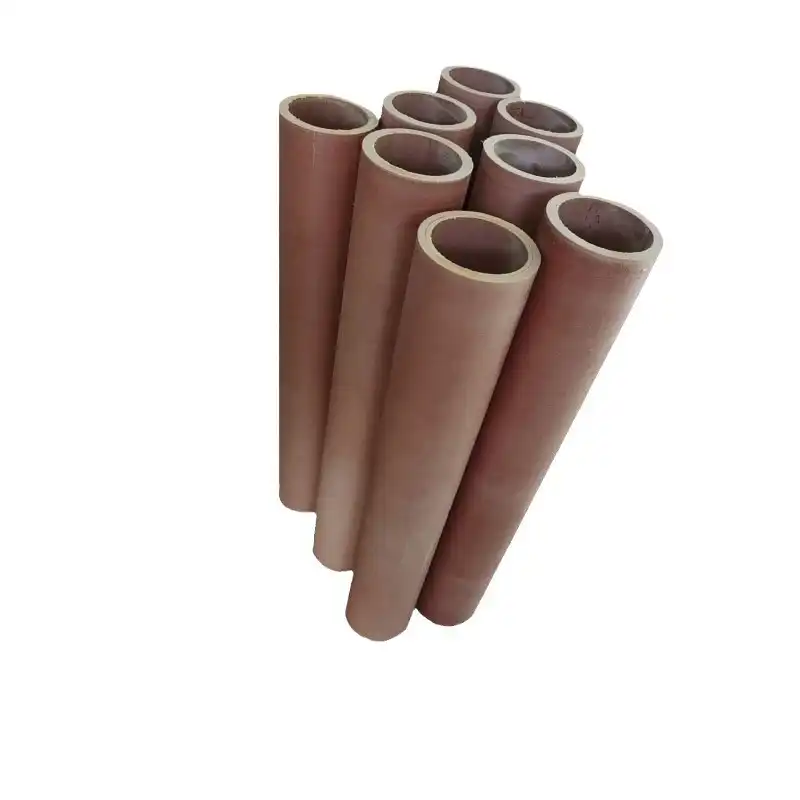
Phenolic paper strips, which are usually black or brown in color, are the cheapest way to insulate electrical equipment for general use. These materials meet the requirements of NEMA Grade XX and XXX. Grade XXX is better at resisting wetness in damp places. Their specific gravity of about 1.45 g/cm³ makes them stiff enough without being too heavy, so they can be used for switchboard walls and utility motor frames. Mineral oil protection makes them last longer in oil-filled transformers, but long-term UV exposure turns the surface carbonized in outdoor installations.
When making home appliances, procurement teams like it when cost and performance are balanced. Standard woodworking tools can be used to cleanly cut the material, but widths greater than 1.5mm should be heated to 80-100°C before drilling to keep the layers from separating. To keep the workplace safe, the phenolic chemicals that are released during cutting need to be ventilated properly.
Epoxy Glass Cloth Sheets for High-Performance Demands
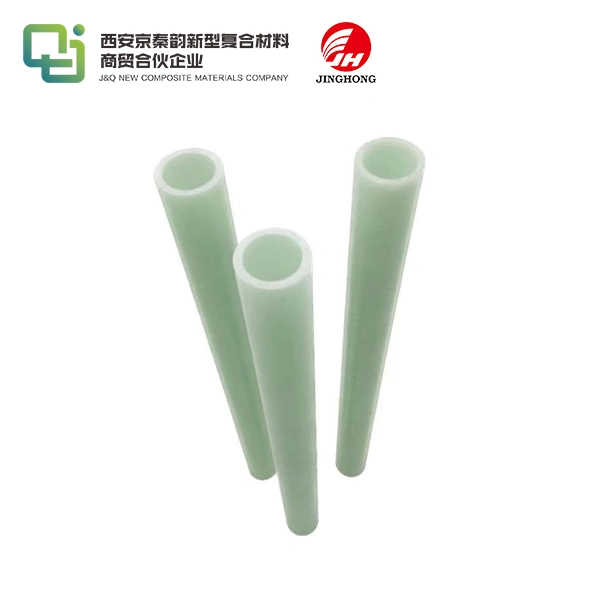
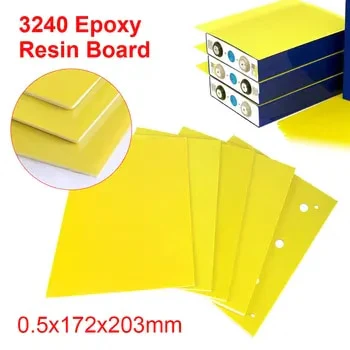
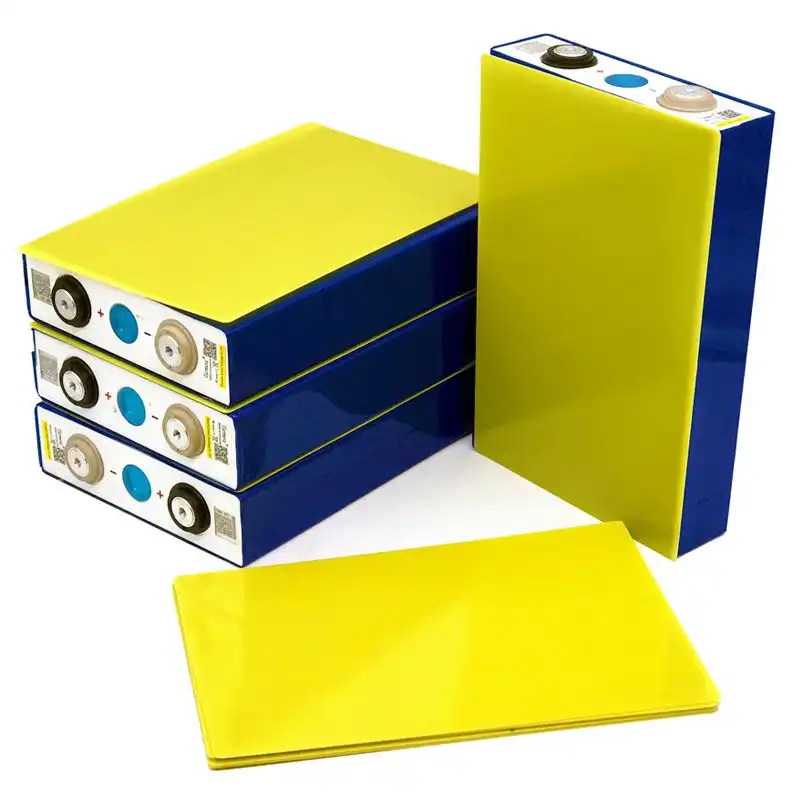
Epoxy glass cloth laminates, which are rated 3240 grade by international standards, are made up of woven fiberglass support and epoxy resin structures. This arrangement has great mechanical qualities, with a bending strength of more than 340 MPa and an impact resistance that works well in places where vibrations are common. The low water absorption rate (below 0.5%) makes sure stable dielectric performance in humid environments, which is important for marine and outdoor electrical covers.
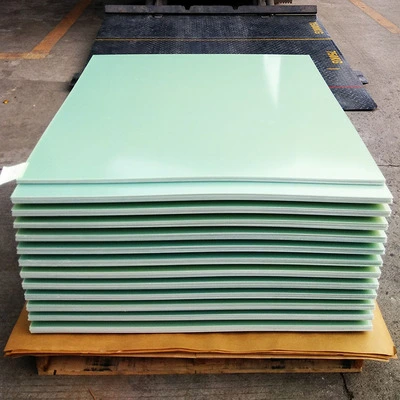
Electrical engineers choose this grade for precise jigs and PCB substrates where the accuracy of the dimensions has a direct effect on the quality of the result. The material looks clear and green, which means it has the right amount of glass to resin. However, differences in color between runs of production don't affect its electrical properties. Following the UL94 V-0 flammability grades takes care of fire safety rules in equipment for consumers and transportation systems.
FR4 Sheets for Electronics Manufacturing
FR4 is a special kind of epoxy glass that has flame-retardant chemicals and meets the strict standards of the electronics industry. The marking "FR" means that the material is resistant to flames, which is important for PCB uses where failed components could cause localized heating. This material doesn't shrink much when the temperature changes, so made holes on complicated layered circuit boards stay in the same place.
Electronics makers like that FR4 works with automatic tools for cutting and routing. The uniform hardness across sheet width keeps tools from deformation during high-speed machining, which lowers the amount of scrap in mass production. Boards can get as hot as 260°C during lead-free soldering, which is well within the thermal limit of FR4 when the right preheating profiles are used.
Specialty Grades for Extreme Conditions
For some uses, insulation sheet materials that aren't normally available are needed. Arc-resistant phenolic grades have special fillers that stop carbon paths from forming when there are electrical problems. This means that equipment doesn't need to be serviced as often. For heating uses in aircraft and industry, high-temperature epoxy formulations keep their mechanical strength at temperatures close to 200°C. These specialized versions cost more than regular ones, but they work very well in situations where regular grades would fail too soon.
Decision Factors for Choosing the Right Insulation Sheet
Evaluating Electrical Performance Requirements
People who work in procurement have to make sure that the requirements for materials match the real working voltages and environmental conditions. A 10kV distribution panel needs a dielectric strength that is very different from a 400V motor control center. To figure out how thick of insulation is needed, engineers divide the working voltage by the material's known dielectric strength. They then use safety factors that take into account things like altitude, pollution levels, and short-term exposure to overvoltage. It is important to make sure that materials meet the design assumptions by asking for approved test results that confirm the breakdown voltage and comparative tracking index.
Mechanical Properties and Load-Bearing Capacity
For uses that involve supporting structures, it is important to carefully check both the compression and tensile strengths. When building machinery, people who use insulation sheets as fillers need to think about both static loads and dynamic shaking forces. Materials with a tensile strength of less than 150 MPa may break when bolts are tightened on thick sections. Because laminated materials aren't uniform, the strength perpendicular to layers is usually lower than the strength parallel to layers. This can affect the installation direction in important parts.
Thermal Stability Across Operating Ranges
Ratings for continuous working temperature are based on long-term thermal endurance testing, which usually lasts for 20,000 hours at the stated temperature with little property degradation. Class B materials (130°C) work well in most industrial settings. However, Class F (155°C) or Class H (180°C) grades are needed near parts that generate heat. When soldering or welding, short-term changes in temperature must be taken into account, as the highest temperature tolerance may be 50-100°C higher than the continuous values for short periods of time.
Certification Compliance and Quality Standards
Meeting regulatory standards keeps makers from being sued and lets them get into the market. UL recognition means that the product's flammability and electrical properties have been checked by a third party under normal test settings. ROHS compliance proves that there are no banned chemicals on the European market. This is becoming more and more important as environmental rules get stricter around the world. Maintaining ISO 9001 approval shows that suppliers follow similar quality management practices. This lowers variation from batch to batch, which makes planning production more difficult.
Cost-Benefit Analysis for Long-Term Value
Even though phenolic laminates are much cheaper than epoxy glass options, the total cost of ownership includes the cost of labor to machine them, the amount of waste they produce, and how long they last. Harder materials need carbide tools and slower cutting speeds, which may make the cost of making the product higher and cancel out any saves from using less raw materials. Equipment downtime caused by insulation failing too soon often costs more than the extra money it costs to choose better materials at the start. When engineering teams try to make ideas more reliable and easy to make, they shouldn't just look at the buy price. They should also look at the costs over the product's entire life.
Conclusion
In order to choose the right insulation sheet materials, you have to weigh the cost, electrical performance, mechanical qualities, and thermal stability of each material against the needs of the particular application. For general industrial equipment, phenolic laminates are a cheap option. However, epoxy glass and FR4 types offer better performance, which justifies their higher prices in demanding electronics and power distribution applications. Building ties with skilled suppliers who can offer expert help, consistent quality, and on-time delivery is key to successful procurement. When engineering teams know about the properties of materials and the licensing standards, they can make decisions that improve the safety, longevity, and total cost of ownership of equipment.
FAQ
What factors influence the dielectric strength of insulation sheets?
Dielectric effectiveness is affected by the type of material used, how regular the thickness is, the amount of moisture present, and the working temperature. Most of the time, epoxy resins have a higher breakdown voltage than phenolic binders. Low water absorption rates are important for humid areas because absorbed water forms conductive lines that lower insulation resistance. As the temperature rises, the dielectric strength drops, so equipment that works above ambient circumstances needs to be rated differently.
How long do insulation sheets typically last in industrial applications?
When used in the right conditions and with the right materials, materials often last longer than 20 years. Thermal age is the main way that things break down. When materials are used close to their estimated temperature limits, they gradually become less strong. When systems aren't planned well, mechanical stress from vibration or thermal cycles speeds up wear and tear. Regular checks for surface tracking, darkening, or physical damage allow for preventative maintenance that can be done before insulation fails.
Can insulation sheets be recycled after equipment decommissioning?
Thermosetting laminates can't be melted down again like thermoplastics can, which limits the types of materials that can be recycled. Some specialized facilities turn phenolic trash into filler material that can be used in lower-grade projects. Incineration with energy recovery is a more usual way to get rid of trash, but adding flame-retardants may make it harder to control fumes. Using modular building to reuse materials has environmental benefits that go beyond the lifetime of a single product.
Partner with J&Q for Your Insulation Sheet Requirements
J&Q has been making electrical insulation materials for more than twenty years and works with engineering managers and buying teams in the car, electronics, industrial machinery, power distribution, and home appliances industries. Our expert team knows the important performance requirements that separate setups that work from those that fail too soon. We keep a large stock of phenolic, epoxy glass, and FR4 types that are certified to meet UL and ROHS standards.
As a well-known company that makes insulation sheets, we can help you speed up your output by custom cutting, precise drilling, and application engineering. Our integrated transportation network makes sure that arrival times are always the same, whether you need a small sample or a lot of products for production. Email our team at info@jhd-material.com to talk about your unique needs, ask for samples of the material, or get full quotes. We give procurement workers the detailed information and quick help they need to make smart choices about where to get things.
References
National Electrical Manufacturers Association. (2019). Industrial Laminated Thermosetting Products: NEMA Standards Publication LI 1-2019. Rosslyn, VA: NEMA.
International Electrotechnical Commission. (2018). Insulating Materials - Industrial Rigid Laminated Sheets Based on Thermosetting Resins for Electrical Purposes: IEC 60893 Series. Geneva: IEC.
Chen, W., & Liu, H. (2020). Polymer Composites for Electrical Engineering Applications. Cambridge: Woodhead Publishing.
American Society for Testing and Materials. (2021). Standard Test Methods for Electrical Insulating Materials: ASTM D149 and Related Standards. West Conshohocken, PA: ASTM International.
Harper, C.A. (ed.). (2017). Handbook of Materials for Product Design: Third Edition. New York: McGraw-Hill Professional.
Tanaka, T., & Imai, T. (2019). "Advances in Nanodielectric Materials for Electrical Insulation Systems," IEEE Transactions on Dielectrics and Electrical Insulation, 26(4), pp. 1137-1156.