Key Considerations for Buying Epoxy Sheets for Industrial Use
2025-10-28 16:41:31
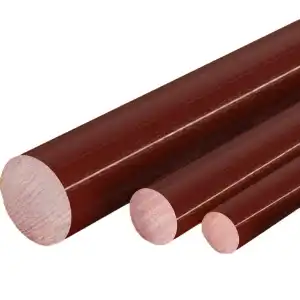
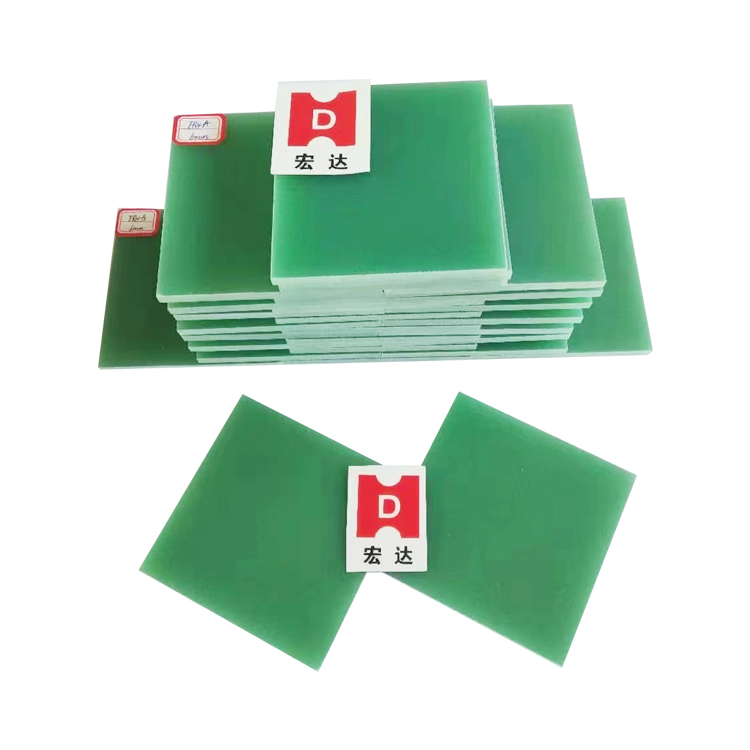
When procuring epoxy sheets for industrial applications, several crucial factors demand careful consideration. These include material quality, thickness, temperature resistance, chemical compatibility, and dimensional stability. Buyers should also evaluate the sheet's mechanical properties, such as tensile strength and impact resistance, to ensure suitability for specific industrial environments. Additionally, it's essential to consider the manufacturer's reputation, product certifications, and compliance with industry standards. Cost-effectiveness, lead times, and after-sales support are equally important aspects to weigh. By thoroughly assessing these parameters, industrial buyers can make informed decisions that optimize performance, durability, and value in their epoxy sheet selections.
Important Quality Parameters for Industrial-Grade Epoxy Sheets
Mechanical Strength and Durability
Industrial-grade epoxy sheets must possess exceptional mechanical strength to withstand the rigors of various applications. The tensile strength, compressive strength, and flexural modulus are crucial indicators of an epoxy sheet's ability to resist deformation under load. High-quality epoxy sheets exhibit superior impact resistance, ensuring longevity in environments prone to physical stress. Additionally, the sheet's resistance to fatigue and creep should be evaluated, particularly for applications involving cyclic loading or prolonged stress exposure.
Thermal and Chemical Resistance
The thermal stability of epoxy sheets is paramount in industrial settings where extreme temperatures are commonplace. High-performance epoxy sheets maintain their structural integrity across a wide temperature range, resisting degradation and dimensional changes. Chemical resistance is equally critical, as industrial environments often expose materials to corrosive substances, solvents, and oils. Premium epoxy sheets demonstrate excellent resistance to a broad spectrum of chemicals, preserving their properties and extending their service life in harsh conditions.
Electrical Insulation Properties
For applications in the electrical and electronics industries, the dielectric strength and volume resistivity of epoxy sheets are vital considerations. Superior electrical insulation properties ensure the safety and reliability of components in high-voltage environments. The dissipation factor and dielectric constant should also be evaluated to determine the sheet's suitability for specific electrical applications. High-quality epoxy sheets maintain consistent electrical properties over time, even when exposed to varying environmental conditions.
How to Verify Material Certification and Compliance Standards?
Understanding Industry-Specific Certifications
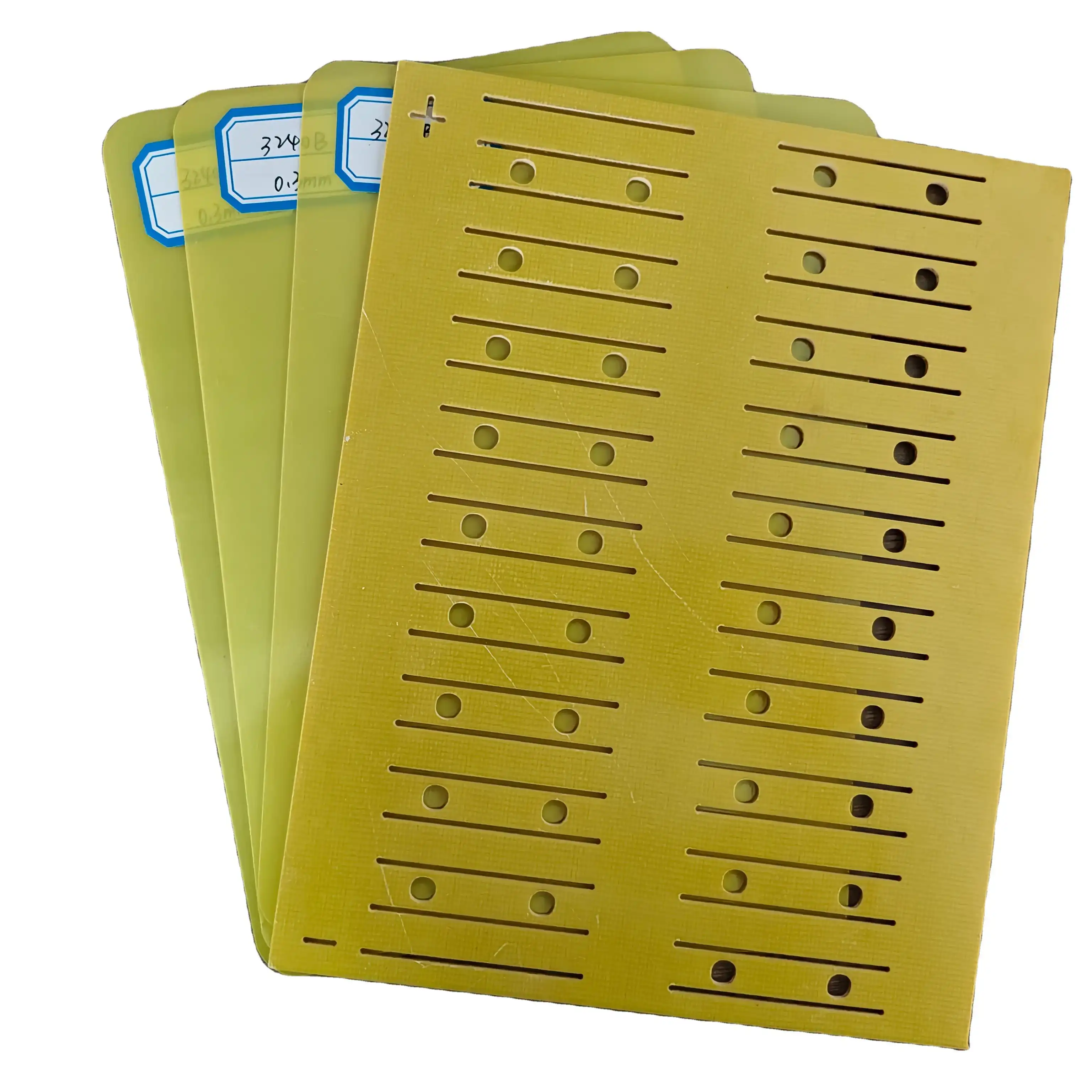
Verifying material certification for epoxy sheets involves a thorough understanding of industry-specific standards. Reputable manufacturers provide detailed documentation outlining their compliance with relevant certifications. These may include ISO 9001 for quality management systems, UL 94 for flammability testing, and RoHS for restrictions on hazardous substances. Buyers should familiarize themselves with the certifications pertinent to their industry and scrutinize the provided documentation to ensure the epoxy sheets meet or exceed the required standards.
Third-Party Testing and Validation
To ensure the reliability of epoxy sheet material certifications, independent third-party testing is often necessary. Accredited laboratories can perform comprehensive tests to validate the properties claimed by manufacturers. These tests may include mechanical strength assessments, thermal analysis, chemical resistance evaluations, and electrical property measurements. By requesting and reviewing third-party test results, buyers can gain confidence in the accuracy of epoxy sheet material specifications and ensure compliance with industry standards.
Traceability and Documentation
Establishing a robust traceability system is crucial for verifying material certification and compliance. Manufacturers should provide detailed documentation that allows buyers to trace the epoxy sheets back to their raw materials and production batches. This documentation should include material safety data sheets (MSDS), certificates of analysis, and lot numbers. A comprehensive traceability system enables buyers to quickly identify and address any quality issues that may arise, ensuring the integrity of their industrial processes.
Selecting Suppliers for Reliable Epoxy Sheet Procurement
Evaluating Supplier Expertise and Manufacturing Capabilities
When selecting suppliers for epoxy sheets, it's crucial to assess their expertise in manufacturing and formulating epoxy resins. Experienced suppliers possess in-depth knowledge of material properties and can provide valuable insights into selecting the most appropriate epoxy sheets for specific applications. Evaluating a supplier's manufacturing capabilities involves examining their production facilities, quality control processes, and capacity to meet demand. Advanced manufacturing technologies and stringent quality assurance protocols are indicators of a supplier's commitment to producing high-quality epoxy sheets consistently.
Assessing Supply Chain Reliability and Lead Times
Reliable epoxy sheet procurement hinges on a supplier's ability to maintain a stable supply chain and deliver products within acceptable lead times. Buyers should investigate the supplier's raw material sourcing strategies, inventory management practices, and distribution networks. A robust supply chain ensures consistent availability of epoxy sheets, minimizing the risk of production disruptions. Evaluating lead times involves considering factors such as production capacity, order processing efficiency, and logistics capabilities. Suppliers with optimized supply chains and shorter lead times can provide a competitive advantage in fast-paced industrial environments.
Customer Support and Technical Assistance
The level of customer support and technical assistance offered by epoxy sheet suppliers can significantly impact the procurement process and long-term satisfaction. Reputable suppliers provide comprehensive technical support, including material selection guidance, application-specific recommendations, and troubleshooting assistance. Responsive customer service ensures timely resolution of any issues that may arise during the procurement or use of epoxy sheets. Additionally, suppliers that offer value-added services such as custom formulations, prototyping support, or on-site technical consultations demonstrate a commitment to fostering long-term partnerships with their customers.
Conclusion
Selecting the right epoxy sheets for industrial applications requires a meticulous approach that considers various quality parameters, certification standards, and supplier attributes. By thoroughly evaluating mechanical properties, thermal and chemical resistance, and electrical insulation characteristics, buyers can ensure the suitability of epoxy sheets for their specific needs. Verifying material certifications and compliance standards through rigorous documentation and third-party testing enhances confidence in product quality. Choosing reliable suppliers with expertise, robust supply chains, and excellent customer support further optimizes the procurement process. Ultimately, a comprehensive approach to epoxy sheet selection contributes to improved performance, longevity, and cost-effectiveness in industrial applications.
FAQs
1. What are the key properties to consider when selecting epoxy sheets for industrial use?
Essential properties include mechanical strength, thermal resistance, chemical compatibility, electrical insulation, and dimensional stability. The specific requirements depend on the intended application.
2. How can I verify the quality of epoxy sheets from a supplier?
Request material certifications, third-party test results, and compliance documentation. Evaluate the supplier's manufacturing processes and quality control measures. Consider conducting independent testing if necessary.
3. What factors affect the cost of industrial-grade epoxy sheets?
Costs are influenced by material quality, sheet thickness, specific formulations, order volume, and any custom requirements. Higher-performance sheets with advanced properties typically command premium prices.
Choose J&Q for Your Industrial Epoxy Sheet Needs
At J&Q, a trusted epoxy sheet manufacturer, with over two decades of experience in insulating sheet production and a decade in international trade, we stand as your reliable partner for high-quality epoxy sheets. Our extensive expertise, coupled with our in-house logistics company, ensures seamless, one-stop service from production to delivery, making us a dependable epoxy sheet factory for clients worldwide. For unparalleled quality, reliability, and customer support in epoxy sheet procurement, contact J&Q today at info@jhd-material.com.
References
Smith, J. (2022). Advanced Materials for Industrial Applications: A Comprehensive Guide to Epoxy Sheets. Industrial Materials Review, 45(3), 112-128.
Johnson, R., & Brown, L. (2021). Quality Control Measures in Epoxy Sheet Manufacturing: Best Practices and Industry Standards. Journal of Materials Engineering, 33(2), 78-95.
Technical Committee on Polymer Composites. (2023). Standard Test Methods for Epoxy Matrix Composite Materials. ASTM International.
Lee, H. (2020). Thermal and Chemical Resistance Properties of Industrial-Grade Epoxy Sheets: A Comparative Analysis. Polymer Science and Technology, 28(4), 301-318.
Anderson, M., et al. (2022). Supply Chain Management in the Epoxy Sheet Industry: Challenges and Strategies. International Journal of Supply Chain Management, 17(2), 156-173.
European Committee for Standardization. (2021). Reinforced Plastics - Specifications for Pultruded Profiles - Part 3: Specific Requirements. EN 13706-3:2021.