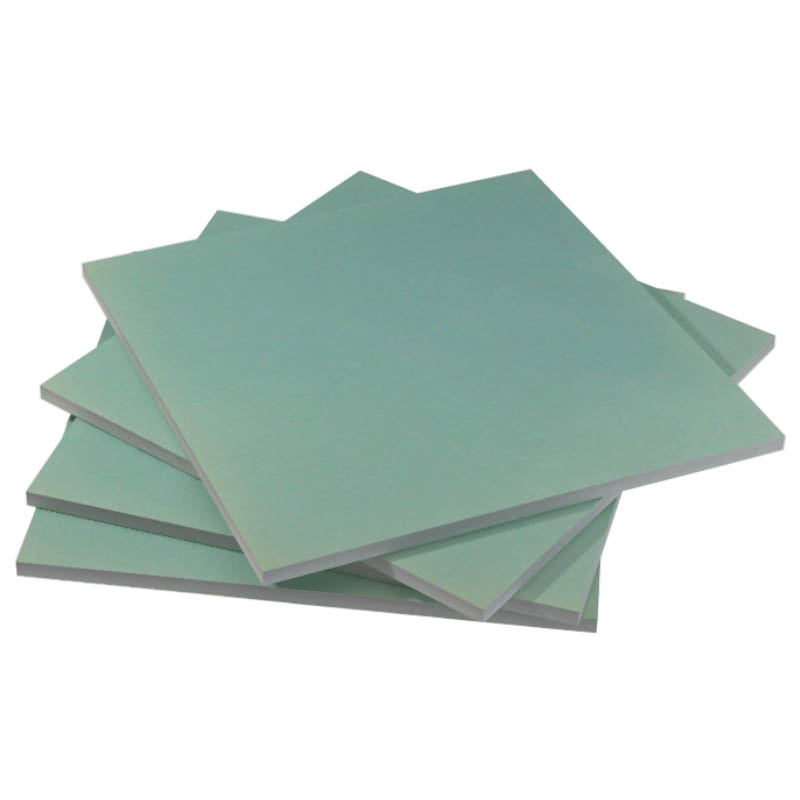
Mechanical Properties of Fine-Weave vs. Coarse-Weave Cotton Phenolic Sheet
2026-07-09 17:30:43
It is important for procurement teams looking at phenolic cotton sheet choices for industrial uses to know how the mechanical performance of fine-weave and coarse-weave versions is different. Fine-weave materials, which are usually rated as NEMA L or LE, have a smoother surface and more accurate dimensions, which makes them perfect for made parts with tight tolerances. Types with a coarse weave, like those marked with NEMA C or CE, offer great resistance to impact and load-bearing capacity. They are especially useful in heavy-duty mechanical transmission systems where structural stability is more important than looks.
Understanding Phenolic Cotton Sheet Fundamentals
Composition and Manufacturing Process
Phenolic laminated sheets are made by carefully controlling the process of impregnating and curing cotton cloth support with phenolic resin. Depending on the mechanical properties we want, we start with either fine cotton cloth that feels like linen or rougher cotton cloth that feels like canvas. The cotton base is soaked with a pure phenolic resin that comes from manufactured petrochemical sources. It is then dried to get rid of any extra water and volatiles. Several layers are stacked on top of each other and then heated and pressed under controlled temperature and pressure. This turns the stack into a hard, strong composite material with a density of 1.35 to 1.45 g/cm³.
Structural Differences Between Weave Types
The weave design changes these industrial laminates' real-world performance in big ways. Fine-weave construction uses cotton fibers that are tightly woven together, with few gaps between them. This makes the base denser and more uniform, which makes it easier to machine and allows for smaller tolerances in size. Coarse-weave materials have thicker yarns that are spread out more widely. This makes a fabric structure that absorbs resin differently and can handle more pressure. This difference in structure sets the stage for all future differences in performance between the two types of materials.
Key Material Properties Across Both Types
All cotton phenolic laminates, no matter what kind of weave they have, have some basic qualities that make them useful to electrical and mechanical engineers. The substance is very resistant to natural oils, hydraulic fluids, and most organic solvents. This means it can be used in situations where oil is present and metal parts would quickly rust. With constant operating temperatures up to 120°C, the thermal performance gets a Class E insulation grade. There is some flame protection in the phenolic resin matrix, but not as much as in brominated FR4 products. Most importantly, these laminates have qualities that make them self-lubricating when they slide against steel peers. This makes friction coefficients in dynamic mechanical assemblies much lower.
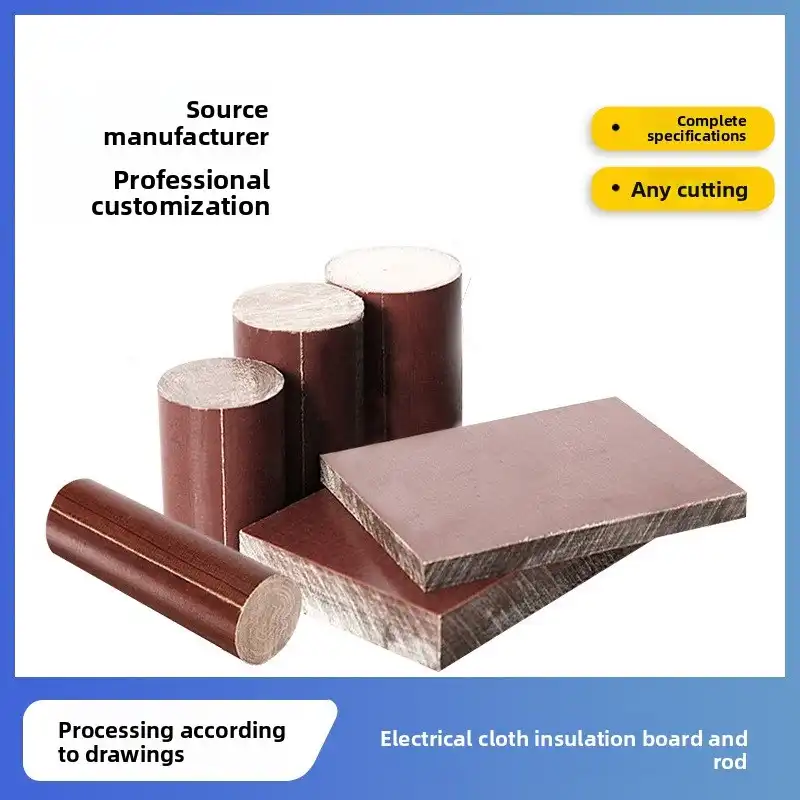
Comparing Mechanical Properties: Fine-Weave vs. Coarse-Weave Cotton Phenolic Sheets
Tensile and Flexural Strength Analysis
Fine-weave phenolic cotton sheet usually has a higher tensile strength because the fibers are spread out more evenly across its cross-section. The tightly packed cotton threads make more even stress transfer paths, which makes the material better at resisting pulling forces. Fine-weave laminates can reach tensile forces of more than 70 MPa in the best testing circumstances. On the other hand, coarse-weave types have lower tensile strength but higher bending strength, which is usually above 100 MPa. The bigger yarn bundles in coarse-weave construction make these materials better at resisting bending loads. This makes them better for structural uses where parts need to hold weight without moving too much.
Impact Resistance and Shock Absorption
When high impact protection is needed, coarse-weave materials are the best choice. The open weave structure lets the phenolic resin create stronger bonding zones between fiber bundles. This makes a matrix that can better absorb and spread out quick shock loads. This feature is very helpful for industrial gear that experiences vibration or occasional contact stress. Charpy impact testing regularly shows that coarse-weave grades absorb 20–30% more energy before they break than fine-weave options. Because of this, NEMA CE grades are the best choice for silent gears in textile machines and parts that are loaded and unloaded many times in power transfer systems.
Surface Finish and Machinability Considerations
After being machined, fine-weave laminates have a much better surface finish. The thick fiber structure reduces surface pores and makes individual thread patterns less noticeable. This makes it possible to make parts that meet strict requirements for appearance and size. When carbide tools are used correctly, they can achieve surface roughness values below 1.6 Ra during CNC machining processes. Even though coarse-weave materials can still be machined, they leave behind noticeable texture patterns and may have small surface irregularities because the yarns are bigger. Both types are easier to make than glass-reinforced epoxy laminates, which means they wear out tools less quickly and let you cut things faster. But engineers have to think about the phenolic dust that is made during grinding and choose the right tools to keep the resin from burning at high spinning speeds.
Thermal Performance and Flame Behavior
The heat resistance of both weave types stays the same, working successfully in the Class E temperature range. When temperatures stay above 120°C for a long time, the cotton base starts to carbonize. On the other hand, the phenolic resin matrix slowly breaks down when temperatures stay high for a long time. Fine-weave construction might be a little better at transferring heat because the material mass is more evenly distributed, but this difference isn't very important in most real-world situations. When it comes to flame resistance, both materials put out their own fires when the cause of the fire is taken away. This means they can be used in low-voltage electrical components and relatively fire-critical environments. Neither type is as flame-resistant as certain FR4 mixtures or paper phenolic grades that are made to be used as high-voltage insulation barriers.
Application Scenarios and Decision-Making for Procurement
Mechanical Power Transmission Components
When noise reduction and mechanical efficiency are important, coarse-weave phenolic cotton sheet has become the standard for quiet gears, pinions, and pulleys. Compared to all-metal assemblies, the material works easily with metal mating gears, lowering operating decibel levels by a large amount. Some places that make textiles and paper rely on these parts to handle heavy pressure loads while keeping the workplace quiet. Because they are self-lubricating, they don't need to be greased all the time. This cuts down on upkeep times and keeps sensitive production areas from getting dirty.
Marine and Hydraulic Systems
Fine-weave grades work great as stern tube bearings and rudder bushes in naval settings where they need to be resistant to rust and work with fluids to keep them moving smoothly. After being soaked in water or hydraulic oils, the material works very well because it uses the fluid as a natural lubricant and doesn't grow or change size too much. Metal bearings stop up if they aren't greased properly, but properly chosen cotton phenolic bearings keep working effectively even when it's hard to get to them for maintenance. Fine-weave construction gives the surface a better finish, which lowers friction against spinning steel shafts and increases the component's life in tough marine environments.
Electrical Infrastructure Components
In low- to medium-voltage systems, power distribution companies use cotton phenolic laminates for busbar supports, terminal boards, and switchgear panels. Even though epoxy glass or paper phenolic don't insulate electricity as well, these materials are better at withstanding mechanical stress, which makes them perfect for circuit breakers that need to keep their structure strong during activation cycles. Components can handle both electrical stress and mechanical shock during switching operations because they have a good insulating strength and a high impact resistance. Most of the time, coarse-weave types are used for these tasks because they are strong enough to last for a long time in industrial electrical settings.
Automotive Battery Systems
More and more, the car industry uses phenolic laminates for battery pack barriers and insulation pads in the creation of electric vehicles. When it comes to custom-fitted parts, fine-weave materials allow for precise cutting while also keeping sensitive electronics away from areas with high temperatures. Tier-1 car suppliers like how experienced makers can make changes to the quality of each batch and keep the standard stable. The material is resistant to battery electrolytes and can keep its shape across a wide range of automobile temperatures. This makes it a good choice for next-generation vehicle designs that need to reduce weight and control temperature.
How to Choose the Right Phenolic Cotton Sheet for Your Business
Critical Technical Specifications
When choosing between weave types, engineering managers have to look at a number of factors when selecting phenolic cotton sheets. The first thing you should do is figure out whether the most important thing for your application is surface finish and exact dimensions, or whether it's impact protection and load-bearing capacity. Compare the required flexural strength to the expected bending forces. This is especially important for parts that are placed on a cantilever or that support loads that are spread out. Take a look at the working temperature curve and make sure that the constant exposure stays below 120°C. Carefully look at the chemical environment to make sure it is safe to use with mineral oils, hydraulic fluids, and other process chemicals that come into touch with the material while it is being used.
Supplier Qualification and Certifications
Suppliers you can trust have written quality control systems that make sure the properties of the materials used in each production batch are the same. Look for companies that have ISO approval, which shows that they can control the process. Make sure that sellers can give you test results on the materials that include important information about their mechanical properties, how well they handle heat, and how well they resist chemicals. When the material is used for electrical shielding, make sure it meets the right NEMA grades and has the right dielectric strength values. Suppliers who have been making things for decades usually keep tighter controls on the production process. This makes the properties of the materials more regular and the differences between delivery runs smaller.
Logistics and Customization Options
Knowing the minimum order numbers helps procurement teams balance the costs of stocking materials with the time it takes to get them ready for production. Manufacturers with a lot of experience can usually handle smaller orders at first for sample development before starting to make more of them. Lead times for delivery depend on the type of material, its thickness, and any customizations that need to be made. Custom-cut pieces or parts that have already been made take longer to ship than standard sheet sizes. Talk about customization options early on in the buying process, especially if the job needs thicknesses that aren't standard, special surface treatments, or tight limits for measurements. Manufacturers that offer CNC cutting can send you finished parts instead of raw sheets, which could make your supply chain more efficient and lower the costs of preparing things in-house.
Quality Assurance and After-Sales Support
Strong relationships with suppliers include full after-sales help that answers technical questions and solves problems with the application. When a manufacturer has their own expert teams, they can help with choosing the right materials and recommending the best types for different uses. Warranty policies should make it clear what kinds of material defects are covered and how to get replacements for goods that don't meet the standards. When production problems happen and need a quick study of the materials or suggestions for a different grade, responsive customer service is especially helpful. When suppliers keep enough extra goods on hand, they can quickly fill urgent orders and avoid costly production delays that happen when unexpected material needs come up.
Conclusion
When choosing between fine-weave and coarse-weave phenolic cotton sheets, you have to weigh the needs for mechanical performance against the needs of the application. Fine-weave laminates give machined parts in naval bearings and precision systems a better surface finish and more accurate measurements. Coarse-weave materials are great at resisting impacts and carrying loads, which is why they are used to make quiet gears and structural power transmission parts. Both types are very resistant to chemicals, can lubricate themselves, and work reliably at high temperatures within the Class E working limits. For procurement to go well, the properties of the materials must match the real working conditions, and experienced suppliers must be partnered with to ensure uniform quality and quick expert support.
FAQ
What determines whether I should choose NEMA CE or LE grade materials?
Canvas-weave cotton is used in NEMA CE grades because it gives gears and other large mechanical parts that are subject to shock loads the best impact strength. Linen-weave construction is used in NEMA LE grades, which gives finely made parts a smoother surface finish and better resistance to moisture. If you care most about structural stability and shock absorption, choose CE. If you care more about tight tolerances and smooth surfaces, choose LE.
Can these materials function in continuously submerged oil environments?
Mineral oils don't damage phenolic cotton sheets very much, and they are the standard material for oil-immersed control parts and hydraulic wear pads. The material keeps its shape and mechanical qualities even when it is exposed to oil-based oils over and over again. This makes it perfect for situations where metal parts would rust or need to be oiled all the time.
How does machinability compare with epoxy glass laminates and metals?
These materials are much easier to work with than FR4 epoxy glass. They wear down tools less quickly and allow for faster cutting speeds. Processing it is easier than working with steel, and it has enough tensile power for many uses. To keep the resin from burning during high-speed operations, use carbide-tipped or diamond tools. Also, make sure that the right amount of dust is collected because phenolic particles are made during cutting.
Partner with J&Q for Premium Phenolic Cotton Sheet Solutions
J&Q has been making high-quality phenolic cotton sheets for more than twenty years, mixing technical know-how with full supply chain capabilities. Our engineering team helps procurement managers choose the best weave types for electrical, industrial machinery, and automobile uses based on their mechanical and thermal needs. As a well-known provider of phenolic cotton sheets, we keep a large stock of both NEMA CE and LE grades, so we can handle both small trial orders and large production runs with consistent batch quality. Our combined logistics network makes sure that deliveries are always on time in all of North America's markets, and our in-house expert support team is always ready to help with application problems and suggest material solutions. Get in touch with our experts at info@jhd-material.com to talk about your technical needs, ask for samples of the material, or look into custom cutting options that will make your supply chain for parts easier.
References
Harper, Charles A. Handbook of Plastics, Elastomers, and Composites, Fifth Edition. McGraw-Hill Education, 2020.
National Electrical Manufacturers Association. NEMA Standards Publication LI 1-1998: Industrial Laminated Thermosetting Products. NEMA, 1998.
Richardson, Terry L. Industrial Plastics: Theory and Applications, Sixth Edition. Cengage Learning, 2017.
Mallick, P.K. Fiber-Reinforced Composites: Materials, Manufacturing, and Design, Third Edition. CRC Press, 2007.
Mazumdar, Sanjay K. Composites Manufacturing: Materials, Product, and Process Engineering. CRC Press, 2001.
Schwartz, Mel M. Composite Materials Handbook, Second Edition. McGraw-Hill Professional, 1997.
_1753952475136.jpg)