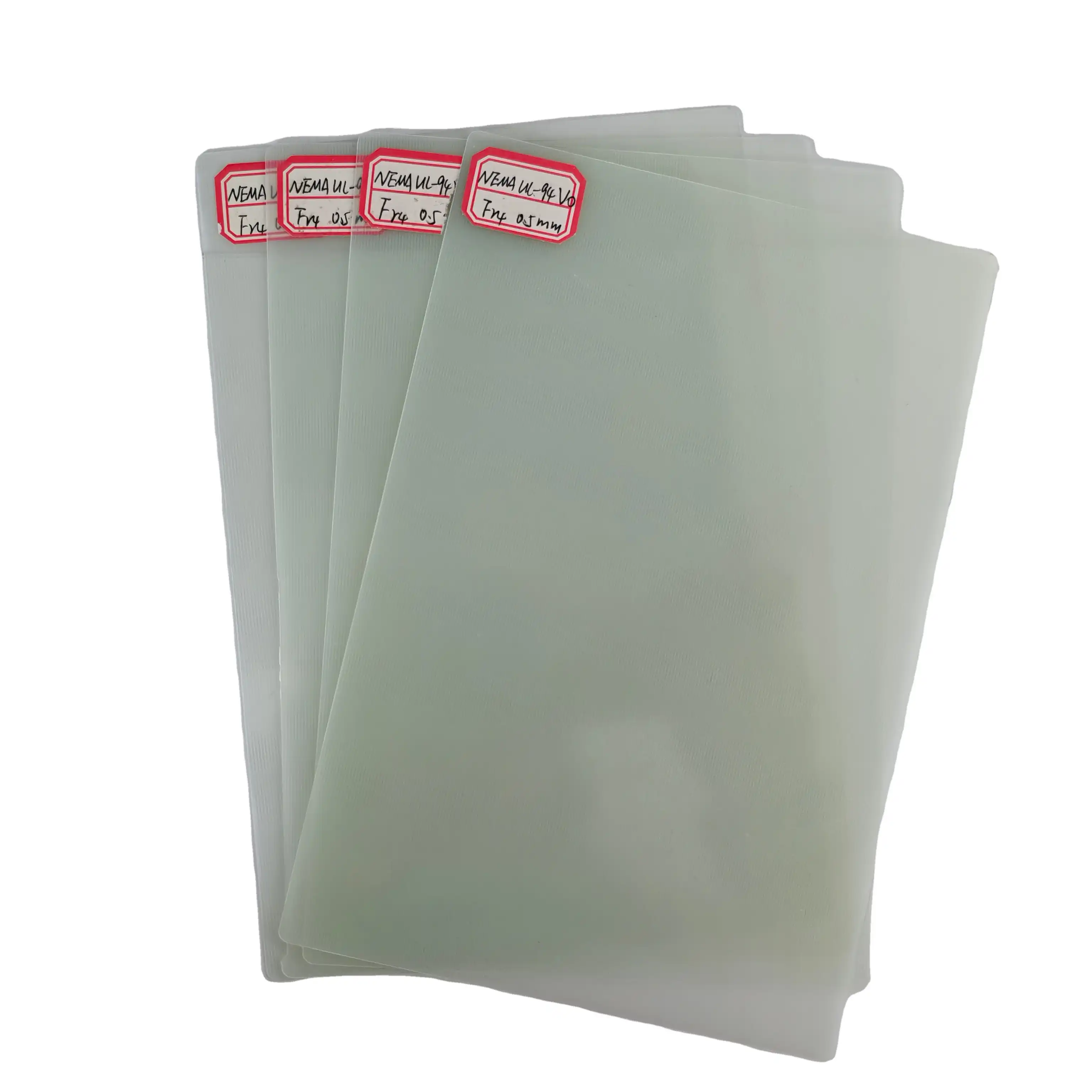
Why G10 Sheet is the Superior Choice for Knife Handles and Handguards?
2026-07-09 17:30:42
Procurement managers and engineering teams expect the best performance when choosing materials for knife handles and handguards. G10 sheet, which is a high-pressure fiberglass laminate joined with epoxy glue, always works better than other options because it is stronger, stays the same size, and doesn't get damaged by harsh weather. This hybrid material solves important problems in industry, like being sensitive to moisture, having uneven batch quality, and wearing out too quickly. G10 sheet is reliable over the long term, unlike wood that warps or metals that corrode. This is important for manufacturers who need to be able to scale up production and have reliable supply lines for demanding uses.
Understanding G10 Sheet: Composition and Properties
The G10 sheet is a high-quality glass-epoxy laminate that is made using an exact manufacturing method. Epoxy glue is mixed with several layers of continuous fiber glass cloth. The mixture is then heated and pressed very hard until it hardens into a single, solid structure. This way of making things makes a compound with almost no empty spaces, so the mechanical properties are the same in every sheet.
Material Architecture and Performance Metrics
The thermoset epoxy core gives the material chemical protection and dimensional stability, while the glass fabric support gives it great tensile strength. NEMA standards say that this laminate has very low water absorption rates—usually less than 0.1%—so it doesn't swell or break down when it comes into direct touch with wetness or humidity. The material keeps its shape over a wide temperature range and can be used continuously up to 130°C. This makes it useful in situations where heat stress would normally damage traditional plastics.
Comparative Material Analysis
Industrial buyers who are familiar with FR4 sheets know that these two products are very similar. Both are made of glass-epoxy, but FR4 has flame retardants that are brominated and meet UL94 V-0 standards for flammability. Standard G10 sheet puts mechanical properties and the ability to be machined ahead of fire protection, but many current sources offer sheets that are rated for both. Micarta and other phenolic laminates use paper or cloth mixed with phenolic resin. G10 sheet is better at resisting moisture and has more reliable machining properties, which means CNC processes use fewer tools and wear them out less.
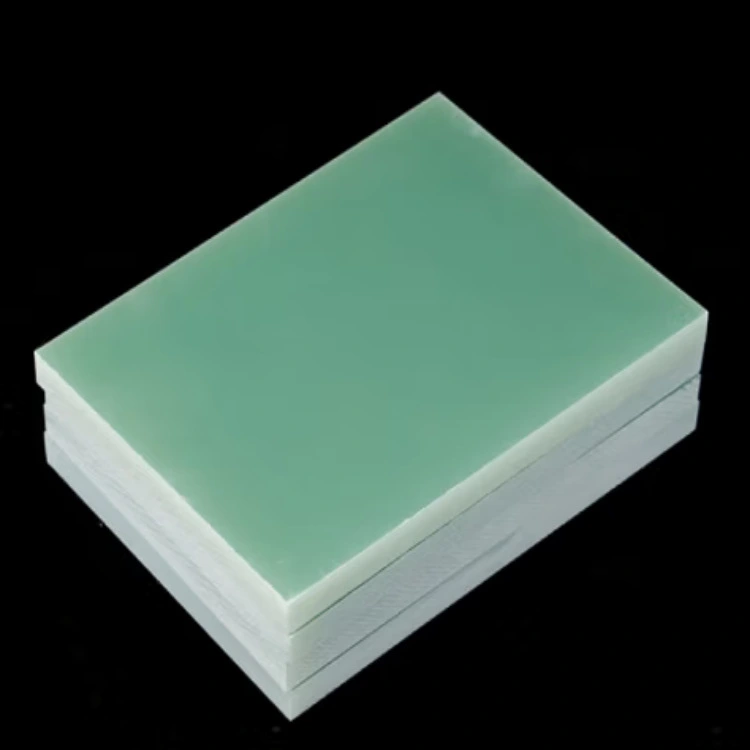
Why Traditional Handle Materials Fall Short Compared to G10
The traditional materials used for knife handles all have flaws that make them less useful in business and industry settings. When buying teams know about these problems, they can see the strategic benefits of switching to designed composites.
Limitations of Natural Materials
While wood is still visually pleasing, it is very hard to work with. Natural fibers soak up water, which changes their shape and makes it harder to keep up with upkeep. Changes in temperature make bending happen faster, and fungus and bacteria break down materials biologically, which shortens their useful life. Natural materials also have grain patterns that aren't always the same, which makes it hard for makers to control quality from batch to batch when they need to make sure that all of their products meet the same standards.
Metal Handle Drawbacks
Aluminum and stainless steel are strong, but they are also heavy, which can make long-term use less comfortable. When wet or oily, metal surfaces become slippery, making it less safe to hold on to them. Corrosion is still a problem, especially in places where chemicals or water are present. Because metals carry heat well, they can be uncomfortable in very cold or very hot temperatures. For example, handles can get extremely cold in the winter or too hot when they are in direct sunlight or near heat sources.
Plastic Material Deficiencies
Standard plastics that are injected don't have the mechanical strength needed for tough jobs. Over time, ABS and polypropylene materials become weak, especially when exposed to UV light, which can cause cracks and catastrophic failure. These thermoplastics also expand a lot when heated, which makes precise structures less stable and less accurate. Chemical resistance varies a lot between types of plastic, and many of them break down when they come in contact with oils or acids that are common in industrial settings.
The glass-epoxy lamination structure takes these problems into account in a planned way. Its hybrid structure makes it strong without being too heavy, and the cured epoxy material doesn't break down easily in water, chemicals, or living things. The material's dimensional stability stays the same across a wide range of temperatures, and it can be precisely machined without the tool wear problems that come with abrasive-filled plastics.
Core Advantages of G10 for Knife Handles and Handguards
The properties of glass-epoxy laminates directly translate into useful benefits for both producers and end users. Not only are these benefits long-lasting, they cover the whole span of the product, from buying it to how well it works in the field.
Exceptional Strength-to-Weight Engineering
The mechanical qualities of the hybrid frame are very good, and the density is doable. Impact resistance is higher than that of solid plastics because the glass support spreads stress throughout the structure of the material instead of gathering it at weak spots. Because handles are often roughly handled or hit by mistake, this feature is especially useful in military and industrial settings. The strength-to-weight ratio lets designers choose thinner cross-sections without lowering the longevity, which improves handling and makes better use of materials.
Superior Surface Texturing Capabilities
One big benefit is that the material responds well to processes that involve precise cutting. CNC routing and laser etching make rough texturing patterns (checkering, stippling, or custom shapes) that make the grip stronger in tough situations. Machined G10 sheet can accept three-dimensional texture designs that give physical feedback even when surfaces are wet, oily, or dirty, while molded plastics are limited by draft angles and surface finish limits. This feature meets important safety needs in places like food processing, the sea, and factories, where safe handling stops accidents.
Environmental Resistance Profile
The epoxy material that has been finished is very chemically stable across a wide range of industrial substances. Oils, gentle acids, alkaline solutions, and common solvents don't change the qualities of materials or weaken their structures. This protection includes biological factors; bacteria and fungus can't grow on the inert composite surface, so there are no worries about cleanliness in hospital and food service settings. UV stability is higher than that of many thermoplastics, so outdoor gear doesn't get discolored or break down.
Customization and Aesthetic Flexibility
There are a lot of different colors of materials available, from basic colors to layered designs made by selectively adding pigments to resin. Manufacturers can choose colors that fit a brand's image or meet the needs of an application without having to rely on finishes that chip or wear off. The layered construction makes for striking visual effects—the rotating colored layers can be seen at the edges and through the texturing, giving goods unique looks that help them stand out in a crowded market. This tailoring also includes the mechanical properties; buyers can choose specific weave patterns and resin formulations that work best for their particular needs.
These combined advantages position glass-epoxy laminates as the best choice for companies that want to make sure their products are reliable, safe for users, and of uniform quality across all production levels.
Selecting the Right G10 Sheet for Your Applications
Making choices about what to buy means meeting the requirements of the application with the material's specs. Understanding technical factors will help your whole line of products work better and cost less.
Critical Specification Parameters
The range for thickness has a direct effect on how quickly and well the product is made. Tight tolerances—usually ±0.005 inches for sheets less than 0.250 inches thick—are needed for precision uses so that there is no need for shimming and adjusting during assembly. When handles are machined from stock, stability in thickness is especially important because differences in thickness affect fit tolerances as they move through the production process. Buyers should make sure that the seller follows the NEMA LD-3 or ASTM D709 standards, which spell out the accepted ranges of dimensions.
The choice of weave design affects both the mechanical qualities and the look of the surface. Standard weaves have balanced properties that make them good for most uses. Custom weave angles can be requested by buyers who need better impact protection in certain directions, but they usually come with a minimum order quantity. The weight of the glass cloth, which is given in ounces per square yard, changes the density and strength of the material. Denser and stronger materials are made from heavy fabrics.
Application-Specific Grade Selection
Standard grade material that has been shown to last and is priced competitively is best for industrial knife handles that are used over and over again. Premium grades with better temperature protection or special resin formulations might be needed for tactical uses in harsh settings. Utility handles for medical or food service tools need to be made from plastic systems that are FDA-compliant and have been shown to be biocompatible.
Quality approvals give buyers more peace of mind than just basic material requirements. ISO 9001 certification shows that a seller is committed to consistent production processes, and RoHS compliance shows that the product does not contain any banned hazardous chemicals. Buyers who work with controlled industries should ask for material safety data sheets and legal documents that support their unique needs.
Supplier Evaluation Criteria
Making sure that the materials used in different orders are the same stops production problems and quality differences. Building partnerships with providers and enforcing strict quality control measures, such as ultrasonic tests for internal delamination and dielectric strength verification, can help keep expensive field failures from happening. Suppliers who offer expert support during product development add value by helping to choose the best materials and set the best settings for machining. Reliable deliveries and a ready supply of goods help keep production plans on track, which is especially important for holiday products or quickly growing businesses.
Successful Implementation of G10 Handles in Industry
The useful advantages of switching to glass-epoxy laminate handle materials can be seen in real-life situations. These cases show how choosing the right materials can affect both how well a product is made and how well it does in the market.
OEM Manufacturer Quality Improvement
A company that makes combat knives for law enforcement was getting more and more guarantee claims about handle wear and tear. Their old material, a fiber-reinforced nylon blend, cracked at the holes for fasteners and lost its grip pattern after a lot of use in the field. In the eighteen months after switching to precision-cut G10 sheet handles, guarantee returns dropped by 73%. Dimensional stability got rid of problems with loose fasteners, and the durable surface texture kept grip secure for the whole life of the product. Even though the prices of materials went up a little, manufacturing costs stayed about the same because less repair and guarantee costs cancelled out the difference in material costs.
Distributor Market Differentiation
A company that sells industrial tools wanted to make their line of products stand out in a market where prices were competitive. By working with a maker to make custom-colored G10 sheet handles with rough gripping patterns, they made goods that stood out and were priced higher than others. Customers said that the handles were easier to use than competitors' rubber-overmolded handles, which broke down when exposed to solvents, which is common in repair settings. The material's ability to resist chemicals became one of its main selling points, which led to sales in industrial and manufacturing facilities.
Quality Assurance Best Practices
Common procurement techniques are used in successful applications. Buyers set clear material requirements, such as standards for thickness, dielectric strength needs, and water absorption limits. As the goods come in, inspection procedures check the supplier's credentials and test samples to make sure they meet technical requirements. During development, cutting speeds, tool selection, and dust collection are all adjusted to keep edges from delaminating and make sure they are always of good quality. Even though they require an initial investment, these methods avoid expensive production problems and keep the quality of the product while it is being scaled up.
Conclusion
The unique mix of mechanical strength, environmental protection, and production uniformity in glass-epoxy laminates, including G10 sheet, makes them the best choice for knife handles and handguards. The material gets around the problems that come with standard choices and lets you make changes that help your brand stand out and make the best use of your materials. Supply quality that can be predicted, stable dimensions, and long-term dependability are all good for procurement teams because they lower guarantee risk and boost customer happiness. By carefully selecting specifications matched to application demands and partnering with qualified suppliers maintaining rigorous quality standards, manufacturers position their products for sustained market success in demanding industrial, tactical, and commercial environments.
FAQ
Can G10 sheet withstand outdoor and marine environments?
Of course. The very low moisture absorption—less than 0.1% by weight—keeps the property from breaking down or growing when it's wet, humid, or rainy. The material doesn't rust in saltwater, which is a big advantage over metal parts used in marine uses. UV stability is higher than that of most thermoplastics; it keeps its shape and color even after years of being in the sun. Because of these qualities, glass-epoxy laminates are perfect for fishing gear, safety tools for the water, and outdoor gear that will be used in bad weather.
How does G10 sheet compare to Micarta for grip and durability?
When correctly textured, both materials are very good for grip, but their qualities are different. Micarta uses phenolic resin on paper or cloth materials to make a slightly softer surface feel that some users like. Glass-epoxy laminates are better at resisting wetness and staying stable in harsh environments. They keep their shape while Micarta might take a little moisture. When it comes to edge wear and pressure strength, durability tests usually favor G10 sheet. Material choice is often based on the needs of the program and the user's personal tastes. Both materials can handle demanding tasks well.
What customization options exist for G10 sheet manufacturing?
You can choose from solid colors and stacked designs made by coloring resin in a smart way. Manufacturers can ask for unique color matching to keep the look of their brands consistent. Thickness ranges cover a wide range of needs, from very thin scales (less than 0.060 inches) to solid parts that are more than 1.000 inches thick. Surface finishing choices include treatments that are smooth, matte, or textured that are done during production. Custom machining lets you add complex shapes, names, and grip patterns that make the product more useful and more appealing to look at, which helps it stand out in crowded markets.
Partner with J&Q for Premium G10 Sheet Solutions
J&Q can help you with your knife handle and handguard material needs. They have been making insulated sheets for over 20 years and have been trading internationally for 10 years. Because we have long-term partnerships with top makers, we can always get approved G10 sheet materials that meet NEMA standards and foreign quality standards. As both a producer and a provider of G10 sheets, we follow strict quality control procedures for every production lot. These include checking the thickness, testing for dielectric properties, and checking for delamination. Our combined logistics operations provide one-stop service from finding materials to final delivery, making the buying process easier and making sure your goods arrive on time. Technical consulting services help you choose the best grades and sizes for your specific needs, which speeds up the development process and keeps you from having to pay a lot of money for material mistakes. You can email our sourcing experts at info@jhd-material.com to get examples, talk about unique specs, or get full quotes for your next project.
References
National Electrical Manufacturers Association. "NEMA Standards Publication LD 3-2005: High-Pressure Decorative Laminates." Rosslyn: NEMA, 2005.
Davis, Joseph R. "Composite Materials: Epoxy Resins and Their Applications." Materials Park: ASM International, 2003.
Richardson, Terry L. "Industrial Plastics: Theory and Applications, 6th Edition." Boston: Cengage Learning, 2016.
American Society for Testing and Materials. "ASTM D709-17: Standard Specification for Laminated Thermosetting Materials." West Conshohocken: ASTM International, 2017.
Harper, Charles A. "Handbook of Plastics, Elastomers, and Composites, 4th Edition." New York: McGraw-Hill Education, 2002.
Campbell, F.C. "Structural Composite Materials: Processing, Properties and Performance." Materials Park: ASM International, 2010.
_1747991245292.webp)