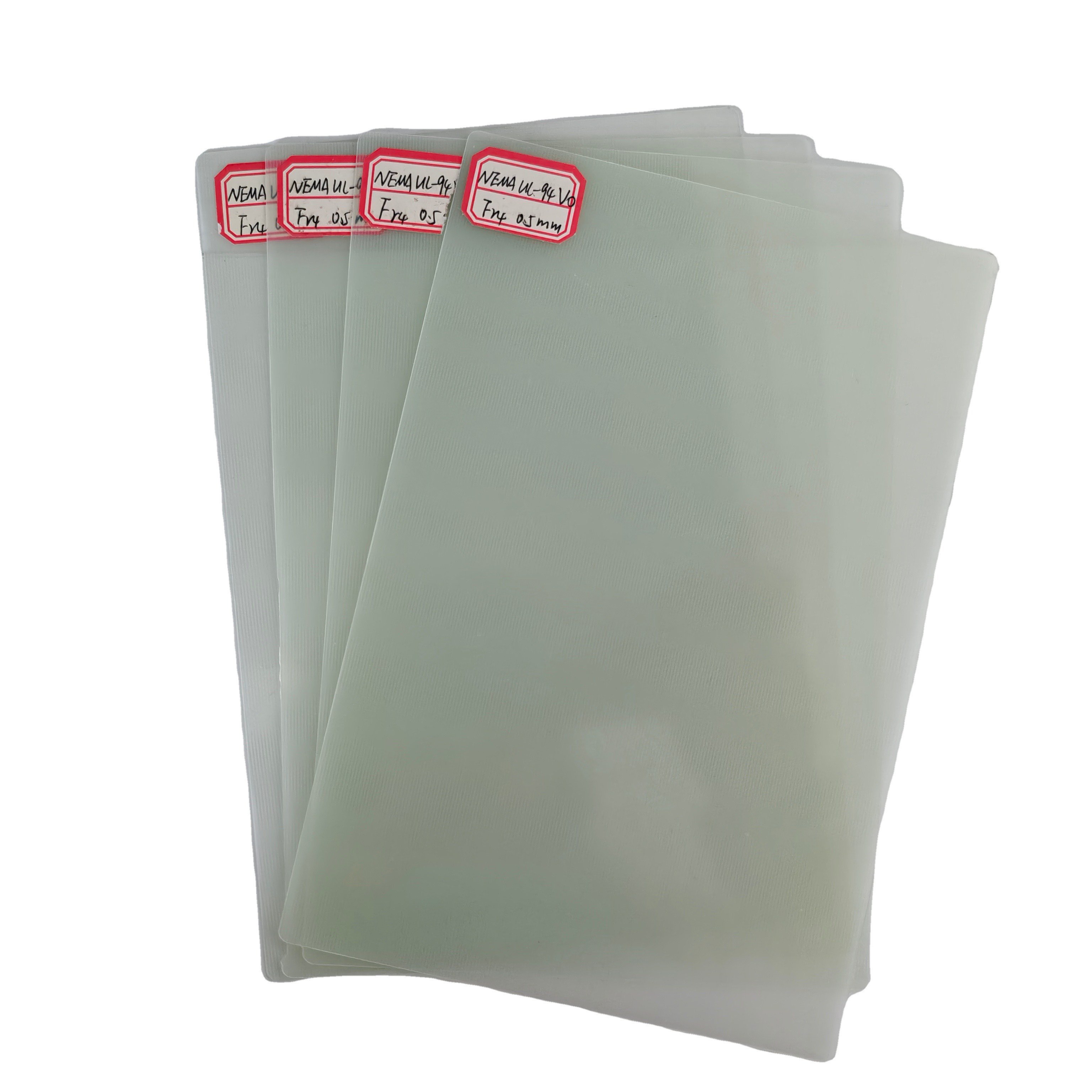
Understanding the Impact of Grain Direction in Cotton Cloth Sheets
2026-07-09 17:30:39
Many procurement managers forget to consider a key structural factor that has a direct effect on performance when choosing industrial insulation materials: the direction of the grain in cotton cloth sheet laminates. The cotton cloth sheet is used as a reinforcement in phenolic and epoxy composite materials. The mechanical strength, physical stability, and cutting behavior are all affected by the direction of its warp and weft threads. If you know how the direction of the grain affects the material you choose, you can avoid costly production delays and make sure your parts meet strict engineering standards for use in power, machinery, and electrical applications.
What Is Grain Direction in Cotton Cloth Sheets?
The basic structure of cotton cloth sheet materials used in industrial laminates is shown by the direction of the grain. There are two main ways that threads can be oriented: the warp runs lengthwise during the sewing process, and the weft crosses across it at right angles. Anisotropic traits are caused by this structural arrangement. This means that the material acts differently based on which way you measure or cut it.
The Structural Foundation of Industrial Cotton Cloth Laminates
Cotton cloth sheets are made of tightly woven cotton fabric that has thermosetting resins embedded in it. They are used in phenolic laminates and epoxy boards. During production, many layers are stacked on top of each other and pushed together using controlled heat and pressure. During weaving, the warp threads are usually under more strain, which makes the alignment tighter and the density higher in that direction. This basic difference has direct effects on performance traits that are important for mechanical and electrical protection.
Historical Evolution of Weaving Techniques in Industrial Materials
Over many years, methods for making cotton-based insulation products have improved grain optimization. Early phenolic sheets had qualities that were all over the place because they were woven in an uneven way. Precision looms are used in modern factories to keep the tension even across thousands of threads. This makes sure that the grains are aligned the same way in every batch of fabric. Because of this change, cotton cloth sheets can now meet strict standards like UL recognition and ROHS compliance. This means they can be used safely in switchgear and transformer shielding.
Why Procurement Teams Should Prioritize Grain Direction Knowledge
If engineering managers and technical procurement experts know about grain direction, they can better judge the skills of suppliers and the quality of their products. When looking at technical datasheets, qualities that are specific to the grain, such as parallel versus vertical tensile strength, show if the material is right for a certain job. It is normal for an anisotropic material like a cotton phenolic cloth sheet to have 25,000 psi of tensile strength in the warp direction but only 18,000 psi across the weft. Knowing these differences helps buyers match materials to the stresses of the job, whether it's for motor insulation parts or PCB support structures.
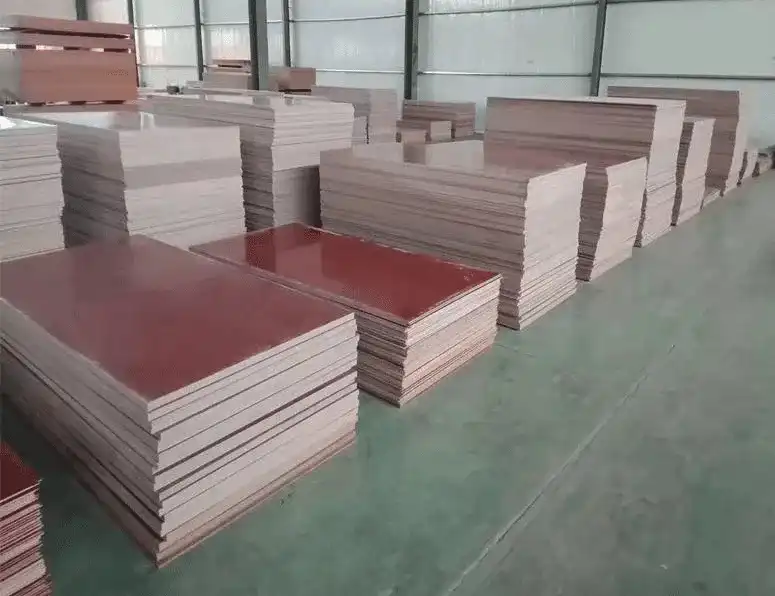
How Grain Direction Affects the Quality and Functionality of Cotton Cloth Sheets
The direction of the grain has a big impact on how well cotton cloth sheet work in real life. The direction properties affect everything from the mechanical strength to how the material expands and contracts when heated or cooled. This has a direct effect on the stability and lifespan of the component.
Mechanical Strength Variations Across Grain Orientations
Due to their parallel orientation and better thread density, warp direction threads in cotton cloth sheets offer superior tensile strength. The tensile strength of phenolic cotton laminates is usually 30–40% higher along the warp direction than along the weft direction. When building structural insulation parts that will be subject to mechanical stress, this property becomes very important. When machinery builders use phenolic sheets to make gears or wear-resistant spacers, they have to match the grain direction to get the highest strength and main load vectors. This keeps the materials from breaking too soon under high-load cycling conditions.
Impact on Dimensional Stability and Thermal Expansion
Depending on the direction of the grain, cotton cloth sheet laminates have different heat expansion factors. The warp direction usually has lower growth rates because the threads are more closely packed together and make it harder for them to move. For precision electronics parts, this trait is very important. Aligning the critical dimension with the warp direction reduces dimensional drift when building PCB support structures or motor frames that will be used in temperatures ranging from 25°C to 155°C. Power sector engineers who define coil insulation barriers can use this information to make sure that transformer units stay in the right place over time.
Machining Behavior and Surface finish Quality
Depending on the direction of the grain, CNC machining processes have very different cutting properties. When you cut parallel to the warp, the sides are usually smoother and there is less chance of delamination. When you cut across the grain, you may need to change the feed rates and use special tools. Suppliers of automotive parts that make battery pack barriers from FR4 or phenolic materials say that knowing the direction of the grain cuts down on scrap by 15 to 20 percent during precision cutting. The quality of the surface finish has a direct effect on the next steps in the assembly process and the stability of the parts in settings where vibrations are common in cars.
Key Considerations When Choosing Cotton Cloth Sheets: Grain Direction and Beyond
To choose the right cotton cloth sheet materials, you have to balance the properties of the grain direction with other important factors that decide their suitability for the purpose and their purchase value.
Material Composition and Resin System Compatibility
There are different types of resins that are soaked into cotton cloth sheets, such as phenolic, epoxy, or modified formulas. Each type changes how the direction of the grains affects the end properties. Phenolic cotton sheets, like 3025 grade, have good resistance to arcs and average mechanical strength. This means that grain direction is not as important for simple insulation barriers. On the other hand, 3240 epoxy cotton laminates have better mechanical qualities when grain direction has a big effect on load-bearing capacity. When electrical makers choose materials for switchgear parts, they have to make sure that the resin systems they use match the voltage needs and that they think about how the grain orientation affects the consistency of the dielectric strength across production runs.
Thickness Tolerances and Grain Direction Uniformity
For precision mechanical spacers, tight thickness limits, usually ±0.1mm, are needed for industrial machinery uses. During the lamination process, the consistency of thickness is directly affected by how similar the grain direction is across all sheet lengths. Manufacturers with a good reputation control the tension of the fibers and the spread of the resin to keep thickness changes to a minimum, no matter the grain direction. When evaluating sources, OEM sourcing managers should ask for thickness mapping data in both grain directions. This will make sure that mechanical parts stay within the right tolerances throughout their useful life.
Certification Standards and Quality System Requirements
Buyers in the power and energy field put a high value on materials that meet safety standards. UL-recognized cotton cloth sheet laminates show uniform performance, with qualities that depend on the direction of the grain that are checked using standard testing methods. Materials that are approved to IEC standards, which include grain direction testing requirements, are good for transformer makers who need arc-resistant barriers. Long-term procurement experts should make sure that the quality systems of suppliers include tracking of grain direction as part of their process controls. This will make sure that consistency from batch to batch is maintained, which is important for safety-critical uses.
Customization Capabilities for Grain-Oriented Applications
Engineers in automotive research and development who are working on next-generation battery systems often need special grain orientations to make the best use of both thermal management and mechanical safety. When a supplier makes unique cotton cloth sheet configurations, they can line up the grain direction with certain thermal paths or load patterns in the structure. This ability to be customized is especially useful for tier-1 supply chain managers who have to balance improving performance with keeping costs low during high-volume production runs. Making sure a seller is flexible about grain orientation during the quote stage saves money on redesign costs later on.
Care and Maintenance Guidance Based on Grain Direction
When you store and handle cotton cloth sheets the right way, you protect their engineered features and make sure they work the same way every time during manufacturing and assembly.
Storage Conditions That Preserve Grain Integrity
Cotton cloth sheet laminates take in water from the air around them, which can change their physical stability in different ways along the warp and weft lines. Keeping materials in climate-controlled spaces with 40–60% relative humidity stops them from expanding and contracting differently, which could cause internal stresses. Home appliance companies that keep sheets in stock for making motor brackets should stack them so that the grain directions are always matched. This will keep the sheets from twisting because of uneven moisture absorption across the layers. Following the right storage rules cuts down on wasted materials and keeps the accuracy of measurements needed for automatic assembly processes.
Handling Practices During Fabrication Operations
When you cut and machine-finish cotton cloth sheets, you need to pay attention to the direction of the grain to keep the edge quality and reduce the risk of delamination. Setting up rules on the shop floor that tell operators the way of the grain before they set the CNC makes sure they choose the right cutting strategies. When cutting processes take grain orientation into account, industrial machinery makers who use phenolic sheets to make wear-resistant parts say their tools last longer and they make less waste. Markings on arriving materials that show the direction of the grain make work easier and stop costly mistakes from happening during high-volume production.
Guidelines for End-User Application Environments
Depending on their use, parts made from cotton cloth sheets are subject to different external stresses. Electrical insulation parts in outdoor switches go through changes in humidity that cause bigger changes in size across the weft direction. Parts last longer if they come with fitting instructions that show how to place the grains in the best way for temperature gradients or mechanical loads. Power distribution engineers like it when providers include installation tips for specific grains in their technical documents. This shows that they know what they're talking about and gives engineers more confidence in their choices about which materials to use.
Procurement Insights: Grain Direction's Role in Sourcing Superior Cotton Cloth Sheets
When business-to-business buyers look at suppliers based on grain direction, they get a big competitive edge because the materials they buy are more consistent and there is less risk in production.
Critical Questions to Ask Potential Suppliers
During seller qualification, technical procurement teams should ask about grain direction testing methods in particular. It shows how sophisticated the process control is when you ask makers how they keep an eye on warp-to-weft strength ratios, physical stability across grain orientations, and batch-to-batch consistency. Suppliers who include test data that is special to the grain direction with material approvals show that they care about quality in more ways than just following the rules. When electrical makers buy FR4 sheets for PCB uses, they need sellers who can show that the grain orientation stays the same across all sheet dimensions. This makes sure that CNC machining results are reliable.
Sample Evaluation Techniques for Quality Assessment
By asking for samples that have been cut both parallel to and perpendicular to the grain direction, you can directly compare the material and machining features. Simple flexural tests that compare stiffness across directions are a quick way to find out about the quality and uniformity of a material. When makers of automotive parts look at new sources of phenolic sheets, they put grain-oriented samples through accelerated thermal cycle tests and measure how much their dimensions change to figure out how stable the sheets will be in battery pack uses in the long run. This hands-on method of testing gives faith that goes beyond what's written on the manual.
Batch Consistency Verification for OEM Applications
OEM buyers who make thousands of the same parts need to know for sure that the materials will be the same across multiple production runs. Setting up rules for buying things that check the grain direction features of each lot of materials that come in stops shocks in the middle of production. Manufacturers of machinery and equipment have cut quality problems by 25% by putting in place receiving inspection methods that check specific properties of grains against source certifications. This step of proof keeps production plans safe and upholds quality standards for the finished product.
Conclusion
Understanding the way of the grain in cotton cloth sheet materials turns buying things from a business task into a strategic benefit. The direction of the warp and weft threads has a direct effect on the material's mechanical strength, stability in dimensions, ability to be machined, and long-term dependability in a wide range of industrial settings. When technical procurement specialists and engineering managers look at grain direction along with standard specs like dielectric strength and temperature rating, they can make better choices that lower the risk of production and boost the performance of parts. When looking for phenolic sheets for industrial machinery, epoxy laminates for electrical insulation, or special grades for car uses, knowing the direction of the grain is what makes the difference between choosing the right materials and finding the best engineering solutions that give you real competitive advantages.
FAQ
How does grain direction affect the durability of cotton cloth sheet laminates?
The way of the grain has a big effect on how long something lasts because it determines how it reacts to mechanical stress and external factors. Loading parts along the warp direction usually gives them 30–50% longer fatigue life than cross-grain loading because the tensile strength is higher and there are fewer stress peaks inside the parts during cycle loading.
Can grain direction influence the dielectric properties of electrical insulation materials?
Grain direction mostly impacts mechanical properties, but it also has a secondary effect on dielectric performance through maintaining steadiness in dimensions. When temperatures change, materials that keep their tolerances tighter have more consistent dielectric spacing in electrical systems. This means that voltage gradient changes that could cause early breakdown in high-voltage uses are less likely to happen.
What grain orientation considerations apply to bulk purchasing decisions?
Bulk buyers should make sure that sellers align the grain in the same way across all production runs and sheet sizes. Asking for grain-specific property documentation for representative samples from each production batch makes sure that materials work the same way no matter when they were made. This prevents specification drift in the middle of a project, which could lower the quality of the assembly or require expensive process changes.
Partner with J&Q for Superior Cotton Cloth Sheet Solutions
Our company has been making high-quality phenolic and epoxy cotton cloth sheets for over 20 years, and they are designed to work in tough industrial settings. Our technical team knows how the direction of the grain affects your specific needs, whether they are for PCB support structures that need precise CNC cutting or transformer insulation that needs to be very stable in terms of size when temperatures change. As a well-known provider of cotton cloth sheets to electrical manufacturers, machinery builders, power sector companies, automotive suppliers, and appliance brands around the world, we keep strict quality systems in place to make sure that every production batch has the same grain-oriented properties. Our integrated logistics skills allow us to offer a smooth one-stop service from the original technical advice to delivery, complete with UL and ROHS compliance paperwork. Email our engineering support team at info@jhd-material.com to talk about your needs and get samples that are optimized for grain direction. This will show that we are committed to technical quality and a procurement relationship.
References
ASTM D709-19, "Standard Specification for Laminated Thermosetting Materials," ASTM International, 2019.
Harper, Charles A., "Handbook of Materials for Product Design, Third Edition," McGraw-Hill Professional, 2001.
IEC 60893-3-2, "Specifications for individual materials - Specifications for materials for electrical purposes based on different resins and cellulose paper," International Electrotechnical Commission, 2016.
MacDermott, C.P. and Dukes, W.H., "Selection and Application of Thermosetting Plastics," Materials Engineering Series, Marcel Dekker Inc., 1984.
Sarkar, Amit Kumar, "Advances in Industrial Textiles: Applications of Woven Fabric Composites," Textile Institute Publications, 2010.
UL Standard 94, "Tests for Flammability of Plastic Materials for Parts in Devices and Appliances," Underwriters Laboratories, Current Edition.
.webp)
_1740986340093.webp)