MultiCax CNC Applications in Bakelite and Epoxy Board Processing
2026-02-28 16:32:42
MultiCax CNC uses in processing Bakelite boards and epoxy boards are a new way to make precise products that meet the complex needs of modern industrial buying. This cutting-edge technology changes how we work with phenolic laminates and thermoset materials, giving us much more accuracy and stability. By using MultiCax tools to handle Bakelite Board, tolerances that were previously impossible with traditional methods can be reached. At the same time, waste is reduced and production cycles are optimized. Adding multi-axis skills lets makers work with complicated shapes and strict requirements in a wide range of situations.
Introduction to Bakelite and Epoxy Boards in Industrial Applications
Specialized insulation materials that can stand up to harsh conditions and still keep their shape are very important in the industrial world. Bakelite and resin boards are essential to many different types of applications because they each have their own special qualities that make them necessary for those uses.
Fundamental Properties and Material Characteristics
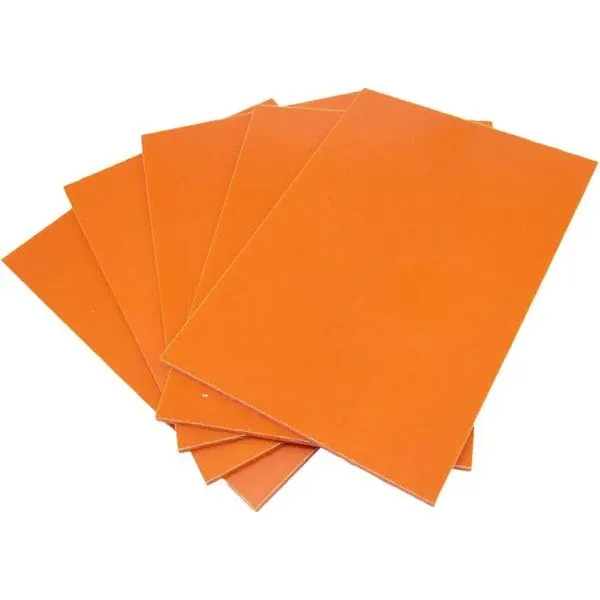
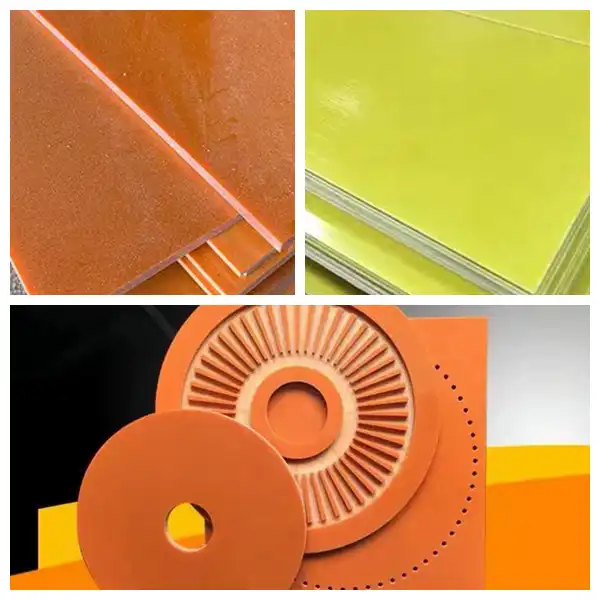
Bakelite boards are made of phenolic resin that is strengthened with paper or cloth. They can withstand temperatures up to 150°C and are very good at insulating electricity. These thermosetting plastics don't change size when heated, which makes them perfect for use in electrical switches, motor parts, and transformers. The material is widely used in power distribution systems because it doesn't easily catch fire and doesn't absorb much water.
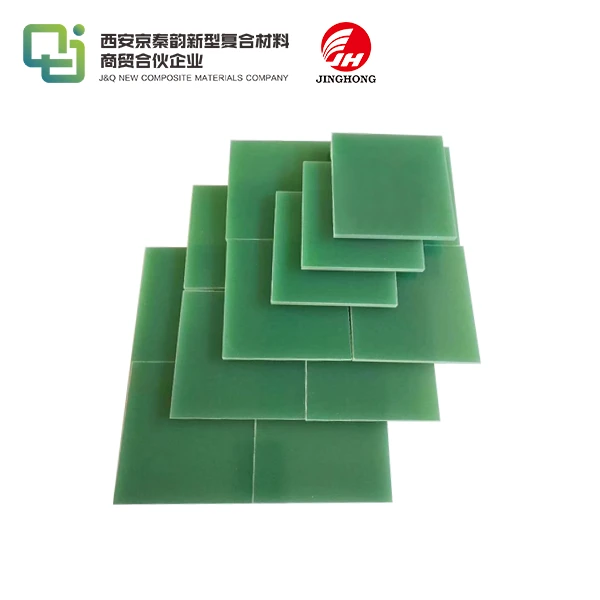
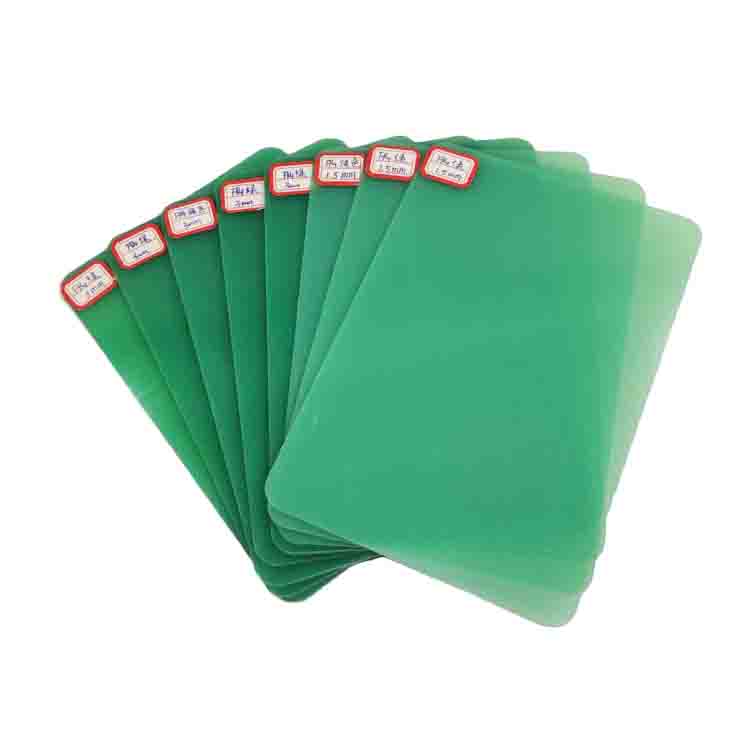
Compared to traditional phenolic materials, epoxy boards, such as FR4 types, are stronger and more resistant to chemicals. Their glass transition temperatures are usually higher than 170°C, and they keep their good insulating qualities over a wide frequency range. Epoxy laminates are very easy to machine, which lets them have complicated shapes and tight tolerances that are needed in precision electronic systems and parts for industrial machines.
Critical Applications Across Industry Sectors
Manufacturing workers in a wide range of fields rely on these materials to do important jobs. In the electronics industry, printed circuit board surfaces need materials that can act as both electrical insulation and heat control. These boards are used in power plants for spark shields and coil insulation. If they fail, they could damage the equipment very badly.
More and more, the auto industry uses phenolic and epoxy board materials for battery pack shields in electric cars, which are very important for stopping heat runaway. These materials are used by companies that make industrial machinery as structure insulators and mechanical spacers. How well they work under mechanical stress affects how reliable and efficient the machinery is.
Limitations of Traditional Processing Methods for Bakelite and Epoxy Boards
Using standard cutting methods on phenolic and epoxy materials is hard because they pose big problems that affect the quality and speed of production. When procurement managers know about these limits, they can make smart choices about factory partnerships and technology investments.
Precision Constraints and Quality Issues
When working with stacked materials, traditional routing and drilling methods have a hard time keeping the quality of the edges uniform. At exit places, delamination happens often, which means that extra closing steps are needed, which adds to cycle times and labor costs. Because setup processes are done by hand, there is variation between runs, which makes it hard to meet the standards for repeatability that are needed in modern manufacturing.
During cutting processes, conventional tools often produce too much heat, which damages resin structures and lowers the material's properties. Microcracks and poor electrical insulation performance can happen because of this thermal stress. This is especially bad for safety-critical uses in power distribution and vehicle systems.
Economic Impact on Manufacturing Operations
The effects of these working limits add up to more than just quality issues at the moment. Higher rejection rates directly lead to more trash and higher costs for buying things. Problems with quality control and rework can cause wait times to grow, which can throw off supply chain plans and make customers unhappy.
Manual tasks that take a lot of work need skilled workers and make production costs more variable. It's hard to use lean production principles and get the most out of inventory management techniques when you can't get regular consistency.
MultiCax CNC Technology: Revolutionizing Bakelite and Epoxy Board Processing
Through improved automation and smart process control, MultiCax CNC technology changes the way precision cutting is done for insulating materials. This advanced method solves the problems that come with working with thermosetting plastics while also making things much more accurate and speedy than ever before.
Advanced Machining Capabilities
MultiCax systems for Bakelite board use simultaneous motion control on multiple axes to find the best cutting paths and cut down on the time it takes to engage the tool. This method lowers thermal buildup and keeps surface finishing constant even when the geometry is complicated. The technology changes the cutting settings automatically based on the qualities of the material and changes in thickness. This makes sure that the best performance is achieved on all substrate types.
The adaptive feed rate control reacts to the cutting forces in real time, keeping the dimensions accurate and stopping the tool from deflection. During cutting, integrated coolant systems precisely control the temperature, which protects the material's qualities and increases the tool's useful life. When these features are put together, they make it possible to process complex patterns and tight limits that were only possible with expensive secondary operations before.
Process Optimization and Quality Assurance
In real time, tracking systems keep an eye on the parameters of cutting and fix any problems that come up because of tool wear or temperature changes. Statistical process control lets you know right away about the accuracy of the dimensions and the quality of the surface, so you can make changes ahead of time that keep the quality of the output uniform across production runs.
The technology's ability to handle multiple parts at once while keeping control of each workstation separate improves processing efficiency. Automated part handling and clamp systems cut down on the amount of work that needs to be done by hand, which makes things safer and more uniform throughout the machining cycle.
Comparative Analysis: MultiCax CNC vs. Traditional and Alternative Solutions
A thorough study of processing methods shows that MultiCax technology has big benefits over traditional methods and other automatic solutions. This study gives procurement managers numbers that they can use to help them decide where to invest in technology and how to choose suppliers.
Performance Metrics and Quality Comparisons
Surface roughness values typically below 1.6 Ra are reached with MultiCax CNC processing, while values between 3.2 and 6.3 Ra are common for traditional routing processes. Measurements of edge quality show that delamination has gone down by 75%, and normal processing processes can now handle dimensions as close as 0.025mm instead of 0.1mm.
When handling complex geometries that need more than one action, cycle times are often cut by 40 to 60 percent. Getting rid of the need for extra finishing saves even more time, lowers the risk of damage during handling, and raises the quality of the part as a whole.
Economic Benefits and Return on Investment
When you look at both direct labor costs and secondary quality-related costs, total cost analysis shows big benefits. Material usage rates go up a lot because there is less waste and rejection, and constant quality gets rid of the need for expensive repairs and faster shipping.
The better consistency and process control for epoxy board make it possible to use statistical process control methods, which cut down on the need for inspections and help lean production efforts. Long-term benefits of partnerships include lower costs for qualifying suppliers and more predictable supply chains due to regular delivery performance.
Procurement Guide: Sourcing Bakelite and Epoxy Boards with MultiCax CNC Services
To buy precision-machined insulating materials strategically, you need to know about both the technical aspects and the business factors that affect the success of the supply chain. For partnerships to work, the supplier's skills need to match the needs of the product and the high standards that are expected.
Supplier Evaluation and Certification Criteria
Suppliers who are qualified must show that they fully understand the qualities of the materials and the working conditions that are unique to thermosetting plastics. As part of the certification process, ISO 9001 quality management systems should be required, with a focus on implementing statistical process control and methods for ongoing growth.
The technical skills review should look at the specs of the equipment, the strategies for using tools, and the systems that keep an eye on the process. Suppliers with built-in MultiCax CNC machines can offer better working stability and quality control, and full-service material testing labs make sure that electrical and mechanical property requirements are met.
Strategic Purchasing Considerations
Total cost of ownership, not just unit price comparisons, is what good buying plans look at. Value-added services like design optimization, prototype development, and inventory management can have a big effect on how much the whole project costs and how long it takes to finish.
Long-term relationship development lets providers buy specialized tools and improve processes for uses that happen over and over again. Working together with others makes it easier to keep improving things and respond quickly to changes in specs or number needs. Knowing about limits on capacity and wait times can help you make sure that your purchasing plans are in line with your production needs while still protecting your supply chain.
Conclusion
MultiCax CNC technology is a big step forward in the precise handling of Bakelite boards and epoxy boards. It offers accuracy that has never been seen before and helps modern production operations deal with the financial pressures they face. When you combine improved process control, automatic quality assurance, and optimized cutting strategies, you get big benefits over the old ways of machining. When purchasing managers use these new technologies, their companies can get better results while also lowering the total cost of ownership and making the supply chain more reliable.
FAQ
What specific advantages does MultiCax CNC offer for Bakelite Board processing?
MultiCax CNC offers better edge quality with little delamination, accurate measurement control within ±0.025mm, and less heat stress during cutting processes. The technology keeps surface finishes uniform while working with complicated shapes that would be hard to do or not possible with normal methods.
How does material selection impact CNC processing requirements?
When cutting different types of phenolic and epoxy materials, you need to use different cutting settings, tools, and cooling methods. MultiCax systems change the processing settings automatically based on the features of the material. This makes sure that the best results are achieved on all substrate types while quality standards are kept the same.
What certifications should suppliers provide for critical applications?
Suppliers should keep their ISO 9001 quality management approval, UL recognition for electrical uses, and proof that they follow ROHS rules. Some other types of licenses could be car quality standards for use in transportation and industry-specific requirements for making power or medical devices.
Partner with J&Q for Superior MultiCax CNC Processing Solutions
With over 20 years of experience working with insulation materials and the most up-to-date MultiCax CNC technology, J&Q can handle Bakelite Boards with precision that goes above and beyond industry standards. Our dedicated transport network makes sure that deliveries are always on time across North America, and our integrated production method makes sure that quality is always the same. We know what electronics makers, industrial equipment builders, and power generation companies need because we've been a Bakelite Board seller for a long time and have done a lot of business in other countries. Please email our technical team at info@jhd-material.com to talk about your unique processing needs and find out how our advanced skills can help you improve your production processes while lowering your overall procurement costs.
References
Industrial Materials Processing: Advanced CNC Applications in Thermosetting Plastics Manufacturing, Journal of Manufacturing Technology, 2023.
Precision Machining of Phenolic Laminates: Process Optimization and Quality Control Methods, International Conference on Materials Processing, 2022.
Multi-Axis CNC Technology for Electrical Insulation Materials: Performance Analysis and Cost Benefits, Manufacturing Engineering Review, 2023.
Quality Assurance in Bakelite and Epoxy Board Processing: Modern Approaches to Dimensional Control, Industrial Quality Management Quarterly, 2022.
Supply Chain Optimization for Precision Insulating Materials: Procurement Strategies and Supplier Selection, B2B Manufacturing Journal, 2023.
Thermal Management in CNC Processing of Thermosetting Plastics: Technology Advances and Applications, Materials Processing Technology Review, 2022.