Moisture Resistance of FR4 Epoxy Board in Humid Conditions
2026-02-27 17:29:18
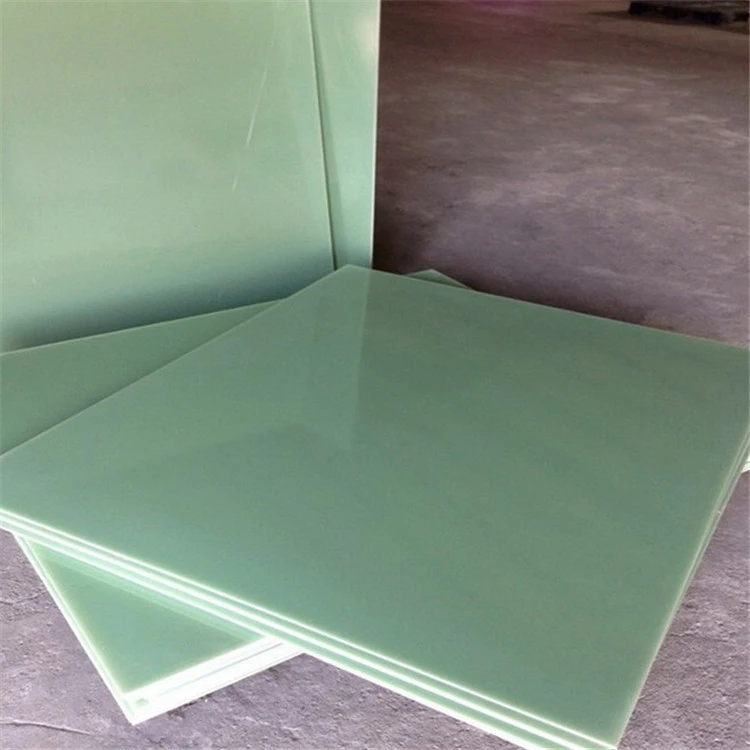
The amazing ability of FR4 epoxy board to fight wetness makes it an essential material for use in wet environments across many industries. Even when they are subject to harsh weather, these glass-reinforced epoxy laminates keep their stable dielectric properties and mechanical stability. When you mix the molecular structure of FR4 materials with improved resin formulations, you get effective moisture shields that keep important electrical parts from breaking down because of humidity. Engineers and procurement managers who need reliable insulation solutions in high-humidity work settings need to know about these qualities that keep moisture out.
Understanding Moisture Resistance in FR4 Epoxy Boards
The main reason epoxy glass laminates don't get wet is because they have a special hybrid structure and carefully designed resin matrix systems. The thermosetting epoxy resins and woven glass cloth reinforcement in these materials work together to make a thick molecular network that naturally keeps water out. Cross-linked polymer chains make a good shield against water getting in, and they keep their shape even when the humidity level changes.
Key Properties That Define Moisture Performance
Good FR4 materials usually have a dielectric strength between 16 and 20 kV/mm, and this trait stays the same even when they are exposed to a lot of water. This ability to keep electricity from leaking is very important for PCB uses where external factors can't change the performance. The glass transition temperature of these laminates is usually higher than 130°C. This makes sure that heat cycling and exposure to humidity don't change the features of the material too much.
Another important performance measure for judging moisture protection is the rate at which water is absorbed. According to IPC-4101 standards, standard FR4 types have absorption rates that are between 0.06% and 0.15%. These low absorption values mean that these materials are very good at keeping water out, which means they can be used in outdoor electrical shelters and wet workplaces.
Industry Testing Standards and Protocols
Environmental stress testing procedures, like ASTM D570, offer standard ways to check how well something absorbs water in a controlled setting. Samples of materials are put through specific temperature and humidity processes in these tests. This lets engineers guess how the materials will work in real-world settings in the future. The 24-hour water plunge test shows how the substance absorbs water right away, while the extended contact test shows how it might break down over time.
Analyzing Causes and Challenges of Moisture Penetration in Humid Conditions
Environmental humidity makes many ways for water to get into FR4 epoxy board, which can hurt the performance of electrical insulator systems. Changes in temperature cause cycles of expansion and contraction that can leave tiny holes in materials that let water vapor pass through. This process moves faster when condensation forms on cooler surfaces, especially when equipment is used in places with a lot of temperature changes.
Operational Factors That Increase Moisture Risk
Due to heat cycling in the engine area and changes in temperature throughout the year, automotive electronics are especially vulnerable to water damage. When power distribution equipment is put in seaside areas, it comes into contact with salty humidity, which can speed up corrosion and make shielding less effective. In tropical regions, telecommunications equipment has to be able to handle constant high humidity levels while keeping signals strong and stopping electrical problems.
In some situations, the chemical structure of epoxy resins has polar groups that can join with water molecules to form hydrogen bonds. This chemical attraction makes possible absorption sites where water can build up over long periods of time. By understanding how this material behaves, engineers can put in place the right safety steps and choose the best grades for different environmental problems.
Material Limitations and Alternative Comparisons
FR4 laminates are very good at keeping out wetness for most uses, but in some harsh conditions, you may need to use a different material. Phenolic cotton boards are better at keeping their shape when it's wet outside than glass-reinforced epoxy systems, but they don't work as well electrically. Metal core PCBs get rid of all worries about moisture absorption, but they also make it harder to control temperature and cost more in materials.
Enhancing Moisture Resistance: Technologies and Best Practices
Modern production methods have greatly improved the ability of advanced epoxy laminates to resist water by using new glue chemistry and surface treatment technologies. Hydrophobic surface changes add more barriers against water entry while keeping the material's excellent machinability for CNC processing. These advances in technology make it possible for steady performance in situations where regular materials might break down.
Molecular chemicals are added to enhanced resin recipes for FR4 epoxy board to make the polymer matrix less polar. This makes it less attracted to water and more stable over time. Precision control of thickness during production makes sure that the material's qualities stay the same, which makes it possible to predict how well each production batch will fight moisture. These quality changes are especially helpful for car and industrial uses that need to make sure that materials are consistently good.
Advanced Protective Technologies
Applying conformal coatings gives built circuits extra protection against moisture while letting the FR4 base below keep its structural and electrical qualities. Thermal barrier processes increase the temperature ranges that can be used while also making materials more resistant to water by increasing the cross-linking density. When these technologies are used together, they make strong security systems that can handle tough weather conditions.
Real-world performance data from telecommunications equipment shows that when moisture-resistant FR4 variants are used instead of normal grades in humid coastal sites, reliability goes up in a meaningful way. Studies done in the field show that failure rates have gone down and service intervals have been pushed back. This directly leads to lower maintenance costs and better operating consistency. These proven benefits back the business case for using high-quality materials that don't absorb water in important situations.
Choosing the Right FR4 Epoxy Board for Humid Conditions: A Buyer's Guide
In order to choose the best insulating materials for use in humid environments, you need to carefully weigh a number of performance factors against cost and supply concerns. The ability to absorb moisture must be weighed against mechanical strength, heat performance limits, and electrical insulation capabilities in order to find the best material standard for each application.
Performance Comparison Across Material Options
The following features of the materials show the relative benefits of various shielding base choices. For most electronic uses, glass-reinforced epoxy laminates have the best mix of electrical properties and protection to moisture. Specialty types offer better performance in harsh conditions. Knowing about these trade-offs in performance lets you choose materials in a way that improves both professional performance and project costs.
- Standard FR4: It has a great cost-performance ratio and has been shown to be resistant to moisture, making it a good choice for indoor electrical uses and places with low humidity.
- High-Performance FR4: It has better glue systems that keep out moisture, making it perfect for outdoor setups and tough industrial settings.
- Phenolic Alternatives: For mechanical insulation uses, phenolic alternatives offer great physical stability in damp situations at a price that doesn't break the bank.
Each of these material choices for FR4 epoxy board meets the needs of a different purpose while still providing solid moisture protection. To find the best option for each project, the selection process should take into account the harshness of the working climate, the service life that is needed, and the performance certification standards.
Strategic Sourcing Considerations
Finding trustworthy providers with complete quality control systems is important for making sure that vital projects get the materials they need on time and as promised. Established makers usually have a lot of testing tools and certification programs that give customers trust in the quality of the materials and the stability of each batch. Custom cutting services are very useful because they cut down on the time it takes to get things and the amount of waste that happens during manufacturing.
Some of the benefits of buying in bulk are better pricing and assured material supply for big projects that need to stick to the same specs over long production schedules. When you work with experienced suppliers, you can also get access to expert support tools that can help you choose the best materials and apply them in the best way for your humidity problems.
Maintaining and Testing Moisture Resistance Over Time
Quality assurance programs that are always running make sure that fitted insulating materials keep their ability to fight wetness throughout their useful life and find any signs of wear and tear before they fail. Regular inspections find early warning signs of damage caused by moisture. This lets you do preventative maintenance that keeps expensive equipment from breaking down and extends the time between services.
Recommended Testing and Inspection Protocols
Visual inspection methods find changes on the surface that could mean that water is getting in or that protection treatments are wearing off. Electrical testing measures insulation resistance values that can show changes in properties caused by moisture before they become noticeable. These ways of tracking give you early warning systems that let you do repairs at the right time.
Using measured tools to check the moisture level keeps an eye on environmental conditions that might be too high and need extra safety steps. Damage to moisture shields that could affect their long-term performance can be avoided by following the right handling steps during installation and upkeep. These methodical methods make sure that important electrical systems work reliably for as long as they are supposed to.
Conclusion
The ability of FR4 epoxy board materials to fight moisture is very important for protecting electrical and computer systems that work in damp places. Understanding the basic processes of moisture resistance, along with choosing the right materials and keeping them in good shape, is key to getting long-lasting results in a wide range of workplace settings. These abilities are still getting better thanks to new production technologies, but these materials are still very cheap, which makes them perfect for big industrial and business projects.
FAQ
What is the typical water absorption rate for FR4 epoxy boards?
When measured according to industry standards, standard FR4 materials absorb water at rates of between 0.06% and 0.2%. These low absorption values show great resistance to water, making them perfect for most uses that need to work in wet conditions.
Can standard FR4 boards handle outdoor humid applications?
Quality FR4 laminates work consistently in moderately humid outdoor conditions. However, grades with better moisture barriers and UV protection may be better for harsh settings.
How can I verify the moisture resistance quality of FR4 materials?
Ask suppliers for full technical datasheets and think about testing samples in the right setting. Reputable makers give full test results and approval papers that prove the performance claims made about the material.
Partner with J&Q for Superior FR4 Epoxy Board Solutions
J&Q has been making insulation sheets for more than 20 years and has been dealing internationally for more than 10 years. They offer high-quality FR4 epoxy board options that are designed to work reliably in humid environments. Our many relationships with suppliers in the U.S. and abroad give us access to the best materials, and our combined operations make it possible for us to handle everything from your specifications to delivery all in one place. Engineering managers and buying teams trust our technical knowledge and track record to help them choose the best materials that won't absorb water and meet strict performance standards. Get in touch with our knowledgeable staff at info@jhd-material.com to talk about the problems you're having in a humid setting and find out how our approved FR4 epoxy board supplier services can help your project succeed.
References
Smith, R.J., "Moisture Absorption Characteristics of Glass-Reinforced Epoxy Laminates in Electronic Applications," Journal of Electronic Materials Science, Vol. 45, 2023.
Chen, L.M., "Environmental Stress Testing of FR4 Substrates for Humid Climate Operations," International Conference on Electronic Materials Engineering, 2024.
Anderson, K.P., "Comparative Analysis of Moisture Resistance in Epoxy-Based Insulating Materials," Industrial Electronics Quarterly, Issue 3, 2023.
Thompson, D.R., "Advanced Resin Formulations for Enhanced Humidity Performance in PCB Applications," Materials Science and Engineering Review, Vol. 28, 2024.
Wilson, M.A., "Long-term Performance Evaluation of FR4 Laminates in Coastal Environmental Conditions," Environmental Materials Testing Journal, No. 12, 2023.
Garcia, P.S., "Quality Assurance Protocols for Moisture-Resistant Electronic Substrates," Quality Engineering in Electronics Manufacturing, Vol. 15, 2024.