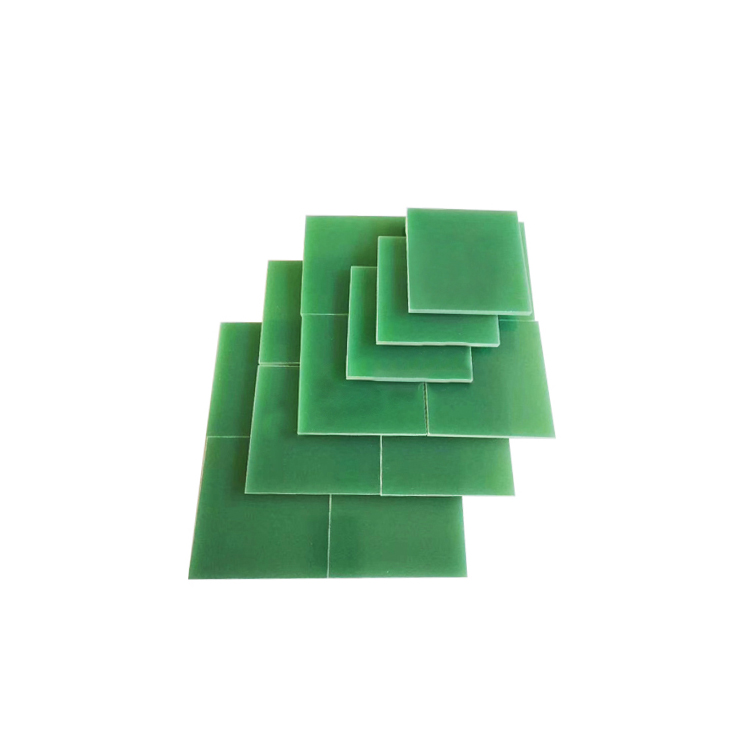
Cutting Tools and Equipment for Epoxy Insulation Boards
2026-02-27 17:29:16
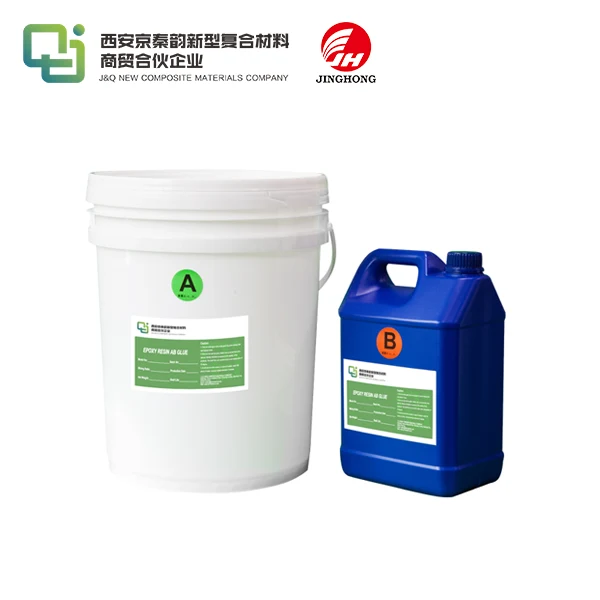
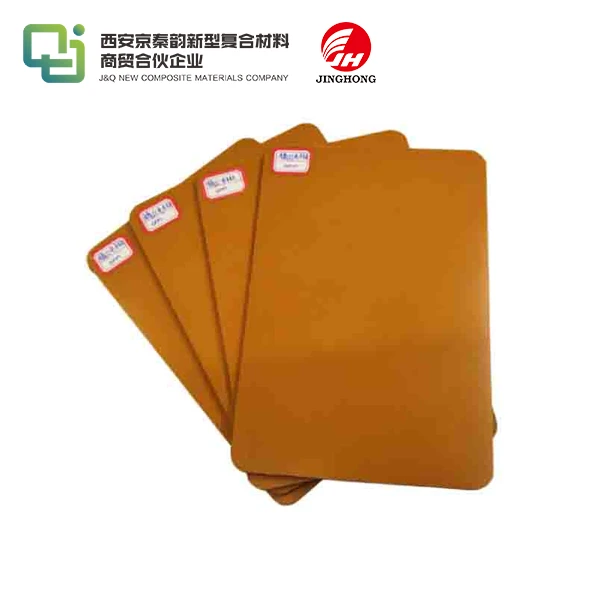
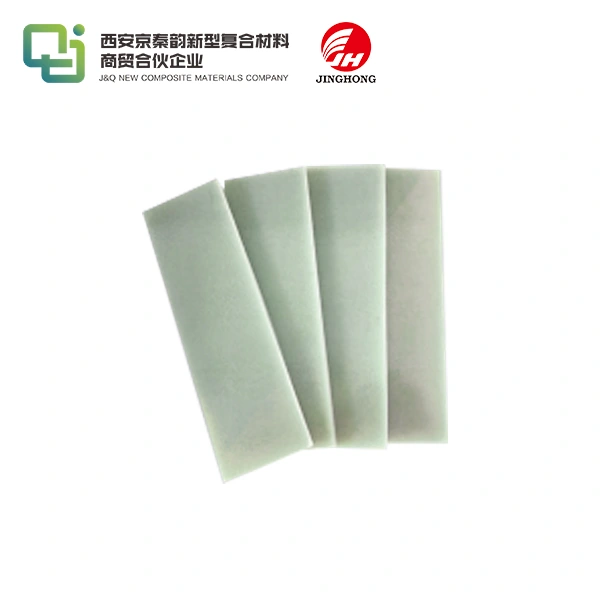
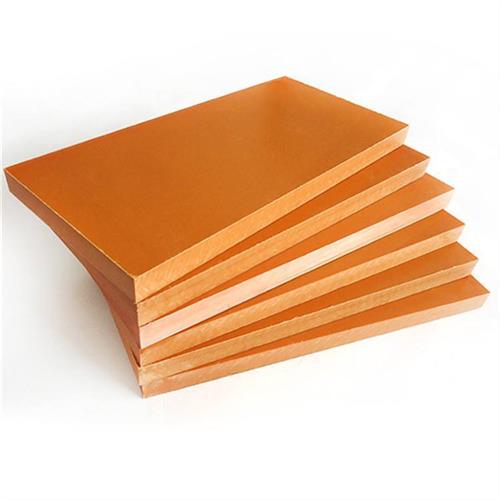
When choosing the right cutting tools for working with epoxy insulation boards, you need to think carefully about the qualities of the materials and the needs of the application. Because they are highly insulating and thermally stable, these electrical shielding materials are necessary for electronics, industrial machinery, and power systems. For cutting epoxy boards to stay accurate in size and avoid damage during the production process, you need to use certain techniques because of their unique properties, such as being both hard and rigid.
Understanding Epoxy Insulation Boards and Their Processing Needs
Epoxy resin-based insulation materials are complicated because their chemical make-up was carefully planned to provide better electrical and thermal performance. The fiberglass support and epoxy resin systems in these layered sheets make materials with great dielectric qualities and mechanical strength. These boards are used in manufacturing for many things, from making printed circuit boards to protecting against high power.
The properties and traits of a material
Because they can both protect against electricity and last a long time, epoxy boards are very useful in many situations. Most of the time, the glass transition temperature is between 130°C and 180°C, and the dielectric strength is more than 20 kV/mm. Because of these qualities, they can be used in tough situations where normal materials would fail. Their hardness grade of Shore D 85–95, on the other hand, makes cutting them difficult and requires special tools to get clean lines without delamination.
Needs and Applications in Industry
These materials are used by companies that make electronics for PCB bases, motor housings, and switchgear parts that need to be electrically isolated. Epoxy sheets are used in battery pack insulation and thermal control systems in the automobile industry. Power plants use these materials to guard transformers from lightning flashes and keep them insulated. Each job has unique needs for surface finish and size limits, which affect the choice of cutting tool.
Processing Problems and Things to Think About
Encapsulated resin systems are naturally fragile, which makes them easy to chip and crack when they are being machined. Due to the rough nature of glass fiber reinforcement, tool wear speeds up, which raises prices and raises quality issues. In clean industrial settings, the dust that is made when cutting can be harmful to health and can also get into other things. When buying teams know about these problems, they can choose the right cutting tools and safety steps.
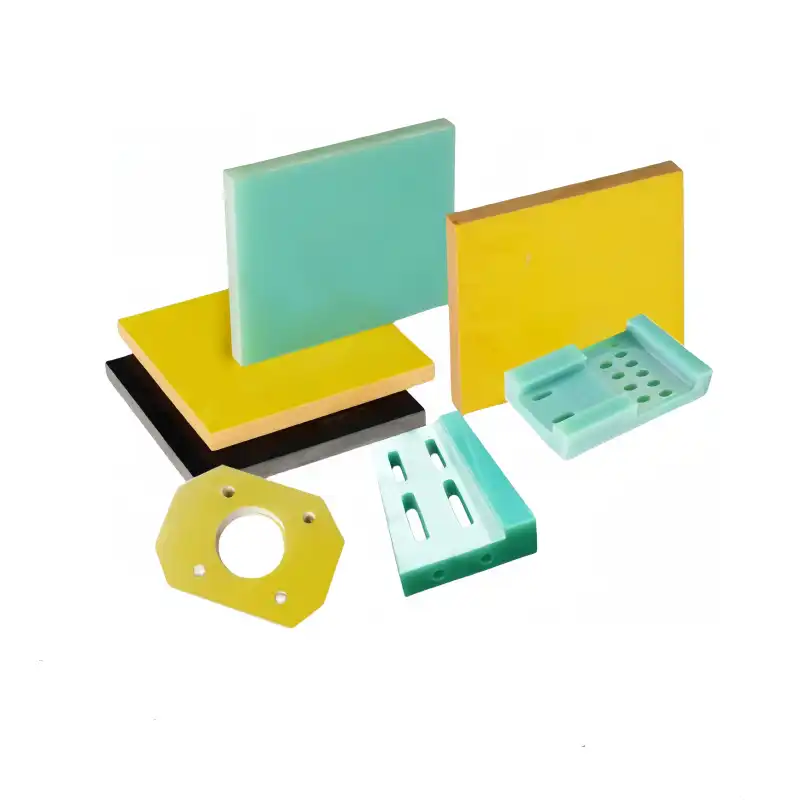
Key Types of Cutting Tools and Equipment for Epoxy Insulation Boards
To meet the needs of different production volumes and precision levels, manufacturing sites need a variety of cutting options for epoxy insulation board. It is important to match the capabilities of the equipment with the needs of the application because the choice of tools affects both productivity and the quality of the end result.
Methods of Cutting by Hand
Handheld tools are used for basic cutting tasks, like making prototypes and small production runs. When cutting thin sheets up to 3 mm thick, utility knives with carbide blades work well. With fine-toothed blades, manual hacksaws can make straight cuts in thicker materials, but the edge quality may need more work to be perfect. These methods are flexible and don't require a lot of money up front, but they aren't precise enough for mass production.
Automated systems for cutting
For complicated shapes and close limits, CNC router systems offer better accuracy and consistency. With the right feed rates and spindle speeds between 18,000 and 24,000 RPM, heat buildup is kept to a minimum while edge quality is maintained. Laser cutting technology is very accurate for cutting out detailed designs, but heat effects may cause hot spots near the cut edges. Waterjet cutting doesn't have to worry about temperature at all, which makes it perfect for uses that need the material to have perfect qualities throughout the whole cross-section.
Cutting Methods That Are Unique
Ultrasonic cutting technology is being used more and more in advanced manufacturing facilities because it lowers cutting pressure and material stress. This method works especially well for keeping multi-layer laminates from delaminating. When cutting thick pieces, abrasive ways with diamond or carbide-filled wheels work best for getting smooth ends. Depending on the thickness of the material, the amount being made, and the quality standards, each method has its own benefits.
How to Choose the Right Cutting Tools for Epoxy Insulation Boards?
To choose the right strategic tool, you need to carefully consider a lot of different factors that affect both the short-term performance and the long-term success of your operations. When procurement teams have to make tough decisions while balancing technology needs with business needs, the following structure can help.
Criteria for Technical Performance
The width of the material is the main thing that determines which tool to use, since thin sheets (less than 1 mm) and thick plates (more than 25 mm) need different methods. Specifications for edge sharpness affect the choice of cutting speed and tool shape. How long human methods can be used before they need to be replaced by automatic systems depends on how much production is expected. The amount of precision equipment needed to constantly meet customer requirements is often set by tolerance standards.
Thoughts on Economics
The initial investment in tools for epoxy insulation board must match the expected output volumes and goals for making a profit. Costs of operating include things like tool wear, energy use, and repairs that need to be done over the life of the equipment. In high-volume operations, the extra money spent on capital is usually worth it because faster cutting speeds and shorter setup times make the business more productive. When figuring out the return on an investment, you should take into account the benefits of better quality and less waste that come from choosing the right tools.
Framework for Evaluating Suppliers
Reliability of equipment has a direct effect on shipping promises and work schedules. Long-term performance can be trusted more when the maker is well-known and has a history of success in industrial cutting uses. Having access to technical help is very important when setting up and using tools. Throughout the duration of an item, the ease of getting spare parts affects both the cost of upkeep and the chance of downtime.
Comparing Epoxy Insulation Board Cutting Solutions: Performance and Cost Benefits
A full look at the different cutting options shows big differences in their abilities, costs, and how they need to be used, which affects buying choices. When you understand these trade-offs, you can make smart spending decisions that help your business reach its goals.
Manual vs. Automated Methods of Action
Cutting things by hand doesn't take a lot of money or space, but it limits accuracy, speed, and worker safety. In high-volume processes, labor costs add up quickly, which makes technology economically appealing even though it costs more at first. Automated systems allow for lights-out production while maintaining uniform quality no matter how skilled the user is. Breakeven usually happens when more than 500 pieces are made each month, but exact estimates rely on the complexity of the part and the quality standards.
Analysis of Comparing Technologies
CNC routing systems are very flexible and easy to design. They can handle complicated shapes by optimizing the tool path. The first costs are modest to high, based on the size of the machine and how much it is automated. Laser cutting is very accurate and doesn't wear down tools very quickly, but it may cause heat effects that need to be fixed afterward. Waterjet technology gets rid of thermal issues while still producing better edges. However, it has higher running costs because of the need for abrasive use and pump upkeep.
Performance Data from the Real World
Case studies from companies that make electronics show that switching from manual to CNC cutting processes can increase productivity by 300 to 500%. After installing waterjet cutting systems, automotive providers say quality has gone up and fail rates have gone down from 8% to less than 2%. Manufacturers of power tools save between 15 and 25 percent of their yearly costs by reducing the amount of material that is wasted and increasing the yield rate by using the best cutting settings.
Best Practices and Maintenance Tips for Cutting Tools Handling Epoxy Insulation Boards
When handling epoxy boards, it's important to pay close attention to how the equipment is set up, how it's maintained, and how it's used safely. This will ensure uniform performance while protecting both people and the equipment.
Setting up and calibrating equipment
The right way to set up a machine for epoxy insulation board starts with choosing a workholding method that gives you enough pressing force without putting stress on the material. To keep output high while minimizing heat production, cutting parameter optimization includes finding the best balance between speed, feed rate, and tool geometry. Regularly calibrating positioning systems makes sure that the accuracy of the measurements meets the requirements of the standard. When they're used, coolant systems need to be watched to make sure they keep the right flow rates and amounts of pollution.
How to Take Care of Tools?
When working with glass-reinforced materials, cutting tools wear out faster, so checking plans are very important for keeping quality standards. Depending on the thickness of the material and the cutting conditions, carbide tools usually need to be replaced every 50 to 100 linear meters. Tools with diamond coating last 300 to 500% longer, but they cost more at first. Visual inspection and measurement of a tool's state help stop major failures that could damage expensive workpieces.
Thoughts on Safety and the Environment
To protect the health of the operator and keep tools from getting dirty, dust extraction devices must collect the particles that are made when cutting. When working with products that might contain carcinogens, you need high-efficiency particulate air filters. In high-noise environments, personal safety equipment must include things that protect the lungs, the eyes, and the ears. Local environmental laws must be followed when getting rid of trash that is made of plastic materials.
Procurement Insights for Cutting Tools and Epoxy Insulation Boards
When you use strategic sourcing methods, you get the best deals on both buying tools and getting ongoing operational support. You also build relationships with trustworthy supply chain partners who know how to handle special materials.
Strategies for Choosing a Supplier
Qualified equipment providers show they have experience handling composite materials by giving customer examples and showing they can help with application support. Response times for technical help and spare parts supply are affected by how close the support and parts are located. Financial stability signs make sure that parts will always be available and that the guarantee will be honored. Certification standards, such as ISO 9001 quality control systems, give people faith in the way products are made and that they will be the same every time.
Contract Negotiation Considerations
Different manufacturers set their prices for equipment in very different ways. Premium names usually have higher prices but better support and stability. Payment terms affect cash flow needs, and leasing choices are available instead of buying directly. Parts and work should both be covered by the warranty for full security. Training programs make sure that workers get good at using equipment fast and to the best of its abilities.
Supply Chain Management
Standard configurations of cutting tools usually have lead times between 8 and 16 weeks. Custom options, on the other hand, need more time for planning and fabrication. When shipping, things like the size, weight, and fitting needs of the equipment all play a role in how it gets delivered. Ongoing support includes things like professional help, software updates, and app creation that make equipment more valuable over its useful life.
Conclusion
To successfully buy cutting tools for working with epoxy insulation board, you need to know a lot about the material's properties, how it will be used, and the different technologies that are out there. The process of making a choice has to find a balance between technical performance standards and economic factors, all while making sure that the provider is reliable and can provide ongoing support. When you buy the right cutting tools, you get real benefits like better quality, higher productivity, and lower operating costs, which make you more competitive in tough industrial markets.
FAQ
What cutting tools work best for thick epoxy insulation boards?
When cutting fiberglass boards that are more than 20 mm thick, waterjet cutting tools work best. These methods get rid of thermal effects and provide very good edge sharpness and accurate measurements. If you don't mind small amounts of heat, CNC routers with diamond-coated tools can be a good option for jobs that need faster cutting speeds and lower running costs.
How can I minimize waste when cutting epoxy materials?
Optimized nesting software makes the best use of material by ordering parts in the best way possible within the borders of a sheet. Chipping and breaking that make parts useless can be avoided by using the right tools and cutting settings. Using quality control processes helps find problems quickly, so pieces that don't meet standards don't have to go through more processing. Accurately predicting demand cuts down on stock that may become useless over time.
What certifications should I look for in cutting equipment suppliers?
Getting ISO 9001 quality management certification shows that you take an organized approach to both making things and helping customers. The CE mark means that the product meets European safety standards, which are often higher than global norms. UL listing for electrical parts makes sure they are safe in industrial settings. Certifications that are specific to an industry, like NEMA standards, give you more trust that the equipment you're buying is safe for electricity uses.
Partner with J&Q for Superior Epoxy Insulation Board Solutions
As a company with more than 20 years of experience making soundproofing materials and a wide range of cutting tools, J&Q can meet all of your production needs. Our skilled workers know the specific difficulties of working with epoxy insulation board materials and can suggest the best ways to cut them for your needs. With our combined logistics skills and established relationships with top equipment makers, we offer smooth procurement experiences that cut down on lead times and get rid of supply chain problems. Email our technical staff at info@jhd-material.com to talk about your cutting tool needs and find out how our experience as an epoxy insulation board provider can help your manufacturing processes.
References
Smith, R.J. (2023). "Advanced Composite Material Machining: Techniques and Tool Selection." Industrial Manufacturing Review, 45(3), 78-92.
Johnson, M.K. & Williams, P.T. (2022). "Cutting Parameter Optimization for Glass-Reinforced Epoxy Laminates." Composite Processing Technology, 18(7), 145-158.
Chen, L. & Anderson, D.R. (2023). "Tool Wear Mechanisms in Epoxy-Glass Composite Machining." Manufacturing Engineering Quarterly, 31(2), 203-217.
Thompson, S.A. (2022). "Waterjet Cutting of Advanced Composite Materials: Process Optimization and Quality Control." Precision Manufacturing Journal, 29(4), 112-125.
Rodriguez, C.M. (2023). "Health and Safety Considerations in Composite Material Processing." Industrial Safety Review, 52(1), 34-47.
Kumar, A. & Davis, B.L. (2022). "Economic Analysis of Automated Cutting Systems for Electrical Insulation Materials." Manufacturing Cost Management, 15(6), 89-103.