Electrical Box Insulation Boards for Electrical Safety
2026-02-27 17:29:14
Electrical box insulation boards represent a critical component in modern electrical systems, offering comprehensive protection through advanced thermal and electrical insulation properties. These specialized boards prevent electrical faults, minimize fire risks, and protect against moisture infiltration in electrical installations. High-quality insulation board materials like FR4 fiberglass, phenolic cotton, and epoxy laminates deliver superior dielectric strength while maintaining mechanical stability under extreme conditions. Understanding the fundamental role of electrical box insulation helps engineering teams implement safer, more reliable electrical systems across industrial and commercial applications.
Understanding Electrical Box Insulation Boards and Their Role in Electrical Safety
Electrical box insulation boards are the most important part of electrical safety structures because they keep live electrical parts and the surroundings away from them. These designed materials stop dangerous electrical arcing and lower the risk of electrical fires by being resistant to heat and having great electrical insulation qualities.
Core Materials and Construction Properties
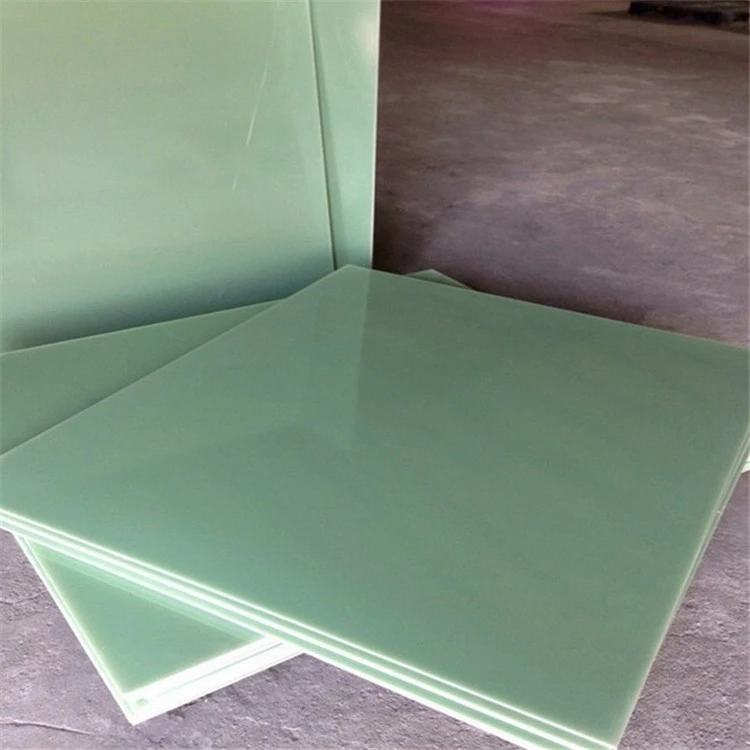
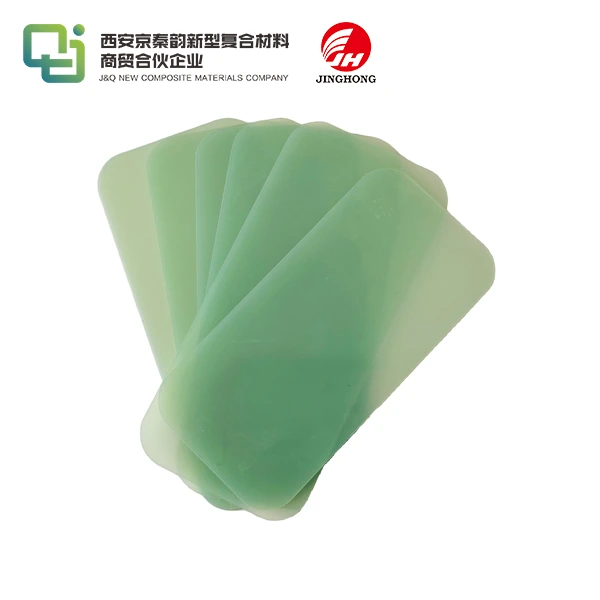
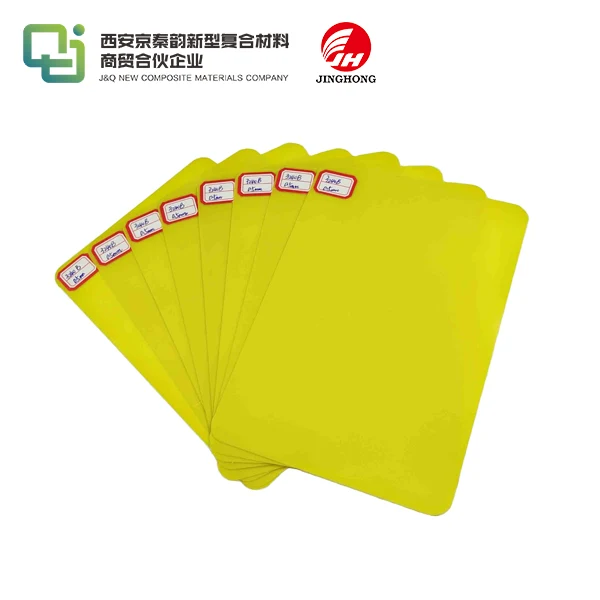
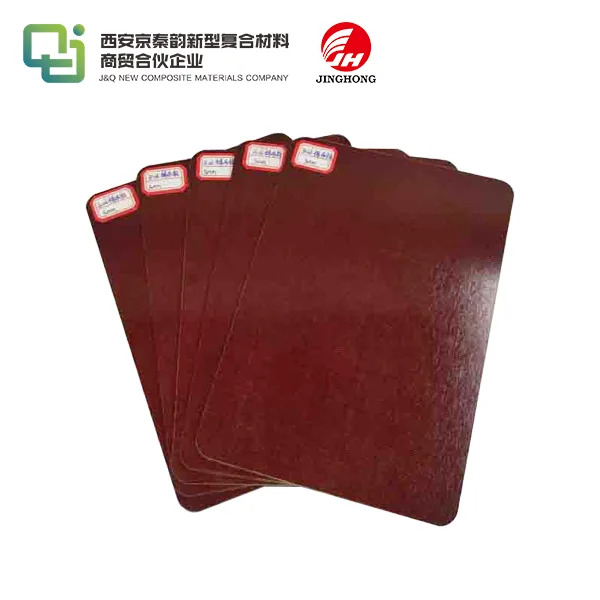
Modern electricity insulation boards are made of a number of improved material combinations that work together to give the best performance. While being very resistant to flames, FR4 fiberglass epoxy boards are also very strong, which makes them perfect for high-voltage uses in switches and control panels. The phenolic cotton laminates are very good at resisting arcs and keeping their shape even when the temperature changes. The dielectric qualities of bakelite and thermosetting plastic boards stay the same across a wide range of temperatures, making them effective in harsh industrial settings.
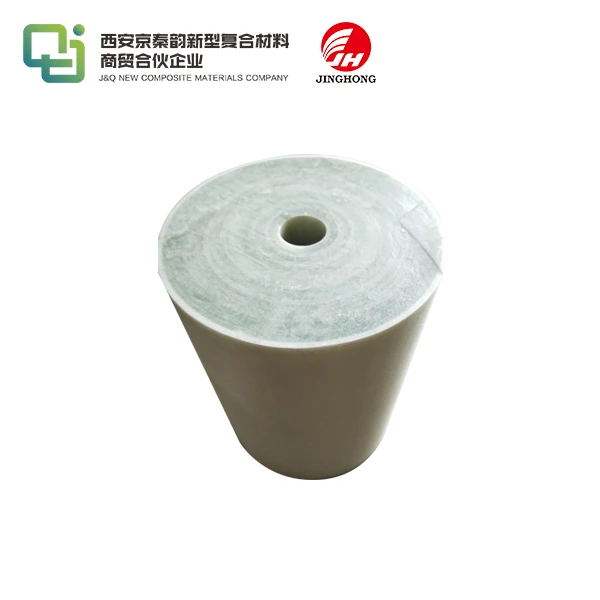
In the building process, supporting materials like glass fiber or cotton cloth are layered with thermosetting resins while the temperature and pressure are carefully controlled. This way of making things makes boards with consistent thickness limits, predictable electrical properties, and high mechanical longevity that meets strict UL and ROHS compliance standards.
Functional Benefits in Electrical Systems
Electrical insulation boards protect in many ways that make the whole system safer and more reliable. Their main job is to make good electrical shields that keep people from touching energized parts by mistake. This lowers the risk of getting shocked or damaging equipment. The thermal insulation qualities help control how heat moves through electrical covers, keeping them from getting too hot, which could damage components or cause fires.
These materials also support the structure of attaching electrical parts and keep the electricity from flowing between circuit sections. The moisture resistance features keep sensitive electrical equipment safe from humidity and condensation in the air, which increases the equipment's useful life and keeps it working well in tough situations.
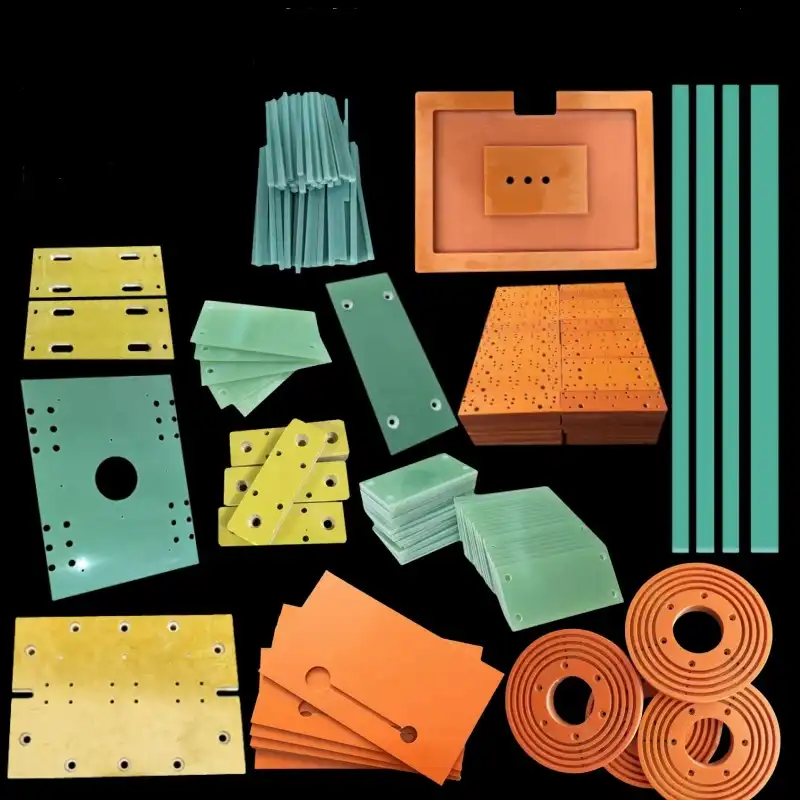
Types of Insulation Boards Suitable for Electrical Boxes: Comparison and Application
To choose the right insulation boards, you need to know the different properties and uses of the different types of materials on the market. Each type of material has its own benefits that are best for certain electrical safety standards and work settings.
Fiberglass Epoxy Boards (FR4)
When high dielectric strength and flame protection are needed for electrical insulation, fiberglass epoxy boards are the best choice. The electrical qualities of these boards stay good at temperatures ranging from -40°C to 140°C, so they can be used for both indoor and outdoor applications. The epoxy resin base is very good at resisting chemicals like oils, solvents, and cleaning agents that are common in industrial settings, while the glass fiber support gives it great mechanical strength.
FR4 boards are very easy to machine with a CNC, which lets you cut and drill them precisely to make special electrical box designs. Because they don't absorb much water, their electrical properties stay stable in damp places, and their UL 94 V-0 flame grade gives you peace of mind in fire safety situations.
Phenolic Cotton Laminates
Phenolic cotton boards work really well in situations where they need to be very resistant to arcs and last a long time under high electrical stress. The cotton fabric reinforcement makes the material very good at punching and machining, which makes it possible to make complicated electrical component forms at a low cost. These materials have better tracking resistance, which means that conductive carbon paths don't form across insulator surfaces when electricity is applied.
The natural cotton support gives the fabric great physical stability and lowers the chance of cracking when temperatures change. It is amazing how well phenolic resins hold their electrical qualities over long periods of time, making them useful in power distribution tools and motor control uses.
Thermosetting Plastic Boards
New thermosetting plastic insulation boards have the processing benefits of regular plastics and the heat safety of thermosetting materials. These boards are very resistant to chemicals and keep their shape even when they are exposed to high temperatures all the time. The regular material makeup gets rid of any problems that might arise with delamination and keeps the electrical properties the same across the whole thickness of the board.
Flame retardant additives are now used in modern thermosetting recipes to meet strict fire safety standards without affecting the mechanical or electrical performance.
How to Choose the Best Electrical Box Insulation Board for Your Business Needs?
To choose the best electrical insulation boards, you need to carefully look at the technical needs, working conditions, and performance standards that are unique to each application. To make sure that their plans for electricity systems are safe, reliable, and cost-effective, engineering teams have to weigh a lot of different factors.
Technical Performance Criteria
The basic electrical feature that determines how well an insulation board can handle electrical stress without breaking is its dielectric strength. For high voltage switchgear applications, boards need to have a dielectric strength of more than 20 kV/mm. On the other hand, materials rated at 10 kV/mm or higher can be used safely for low voltage control circuits. Specifications for temperature resistance must match the conditions under which the equipment is expected to work, taking into account both the temperature of the environment and the heat that electrical equipment produces.
Ratings for flame resistance are very important in situations where electricity problems could start fires in flammable materials. UL 94 V-0 materials put out the flame on their own within seconds of being taken away, while V-1 and V-2 grades show greater burning times. Arc resistance tests show how well materials don't turn into carbon when they are subject to electrical arcing.
Application-Specific Requirements
For industrial machines, boards need to be very strong so they can handle shaking and mechanical stress while still keeping the electricity separate. Power delivery and production systems need materials that have been shown to be stable over time when exposed to high temperatures and constant electrical stress. Electrical systems in cars need boards that can work in a wide range of temperatures and still take up very little room and weight.
When chemicals like hydraulic fluids, oils, or cleaning solvents are present, chemical compatibility is important. For tools used in food processing and pharmaceuticals, the insulation boards need to meet FDA standards for indirect food contact and keep working electrically even after being washed a lot.
Supplier Evaluation and Quality Assurance
Reliable sellers show consistent quality by checking all of their products thoroughly to check their electrical, mechanical, and thermal features in every batch. Quality approvals, such as ISO 9001, show that quality management systems are well-established. UL recognition, on the other hand, makes sure that materials meet safety standards for electrical uses. Technical support helps engineering teams choose the right materials and solve problems that are unique to each application.
With custom manufacturing services, providers can make boards that are precisely cut to size and have machined features that make assembly cheaper and faster. Inventory management programs make sure that materials are available and that customers with different demand trends don't have to store too much.
Installation Best Practices and Maintenance for Electrical Box Insulation Boards
The safety benefits and service life of electrical insulation boards are maximized when they are installed correctly. This also makes sure that they meet electrical codes and safety standards. Following established methods cuts down on installation time and avoids expensive rework that needs to be done because of bad sealing or fitting.
Installation Preparation and Safety Procedures
Before installation starts, the insulation boards are carefully checked for cracks, chips, or other damage that could affect how well the electricity works. Before installation work can begin, all electrical lines must be turned off and properly locked out. For safe working conditions, installation places should be clean and dry, with enough light and air flow.
To keep from touching electrified parts by mistake, the right personal protective equipment includes electrically rated gloves, safety glasses, and non-conductive tools. Before starting the installation process, the people doing the work should make sure that the board's measurements and specs match what is shown on the engineering plans.
Cutting and Fitting Techniques
With precise cutting, the right fit is guaranteed, and the electrical protection qualities are kept intact. Delamination and edge damage that could lead to stress concentration points can be avoided with sharp cutting tools. Electrical tracking is less likely to happen when the edges are smooth, and the final systems look better.
To keep thermosetting materials from melting or burning, mounting holes should be made with sharp bits moving at the right speeds. Vibrations that could lead to chipping or cracking around cut edges can be avoided by using the right support while cutting.
Sealing and Moisture Management
Moisture can damage electrical safety and equipment effectiveness, but good covering stops it from getting in. Using the right gasket materials makes weatherproof covers that keep electrical currents from flowing between different parts of electrical equipment. Drainage holes get rid of any condensation that might form in electrical covers when the temperature changes.
Scheduled regular inspections find signs of possible seal decay before water gets in. Replacing worn gaskets and seals keeps long-term security and stops expensive equipment harm from water getting in.
Procuring Electrical Box Insulation Boards: Supplier Selection and Order Strategies
A good buying strategy for insulation board strikes a mix between quality standards and cost goals, all while making sure that the supply chain works reliably. Having good sourcing ties gives you access to technical know-how and new ideas that make electricity systems safer and better at what they do.
Supplier Qualification and Evaluation
Through customer examples and application case studies, qualified providers show that they have real-world experience with electrical insulation materials. The ability to make things should come with quality control methods that make sure the features of the materials are always the same and the sizes are accurate. Technical support tools help customers choose the best products and figure out problems with their applications.
Financial stability factors make sure that producers can keep up a steady supply of goods and keep customers for a long time. Delivery times and transportation costs are affected by geographical spread. This is especially true for customers with multiple facilities or projects that need to be done quickly.
Procurement Planning and Inventory Management
Strategic purchase planning weighs the costs of keeping goods against the chance of not having enough materials at key points in a project. Buying in bulk can save you money and make sure that you have the materials you need for your projects. Flexible shipping plans can work with different project timelines and reduce the need for storage.
Quality agreements spell out exact requirements and testing rules that keep disagreements at bay and make sure materials fit the needs of the application. Through regular reviews of performance, chances to cut costs and improve service while keeping quality standards high are found.
Custom Solutions and Value-Added Services
Custom cutting and drilling services give boards that are ready to be installed right away, which saves money on labor costs and speeds up the installation process. Technical advice helps choose the best materials and apply them in the best way possible, while also finding ways to cut costs or improve performance.
Logistics support, such as packing, storage, and just-in-time delivery, lowers the amount of inventory that customers need to keep on hand and makes sure that materials come on time for projects.
Conclusion
Electrical box insulation boards are an important part of keeping electrical systems safe in many industry settings. When choosing the right materials, you need to carefully think about the technical specs, the surroundings, and the needs of the specific purpose. Good providers not only give you reliable products, but they also offer technical help and other services that make the project a success as a whole. When these important safety parts are installed and maintained correctly, they will protect and work reliably for a long time. High-quality insulation boards are becoming more and more important as electrical systems get more complicated. Making smart buying decisions is necessary to protect operations and equipment.
FAQ
What thickness of insulation board do I need for my electrical box application?
How thick your insulation board is will depend on the voltage, the room you have, and the technical needs of your application. For low voltage uses, boards should be between 1.5 mm and 6 mm thick. For high voltage circuits, boards should be between 10 mm and 25 mm thick. Our engineering team looks at your electrical needs and available space to figure out the best thickness that meets safety standards and makes the most of the space for electrical parts.
How do insulation boards prevent electrical fires in electrical boxes?
Insulation boards keep electrical fires from starting by having flame resistance, arc resistance, and temperature management qualities, among other things. UL 94 V-0 flame ratings on high-quality boards like FR4 fiberglass allow materials to put out themselves within seconds of the flame being turned off. In addition, the boards stop electrical arcing between parts and keep heat from building up, which could cause materials nearby to catch fire.
What environmental factors should I consider when selecting insulation boards?
Extreme temperatures, humidity levels, chemical exposure, and mechanical stress conditions are all things that need to be thought about when looking at the environment. Boards need to keep their electrical qualities over a wide range of predicted temperatures and not let water get on them, which could make them less safe. Chemical resistance is very important in industrial settings where oils, solvents, and cleaning agents are used. When used outside, UV resistance is important, but vibration resistance is very important for mobile tools or places where there is a lot of shaking in the workplace.
Partner with J&Q for Premium Electrical Insulation Solutions
J&Q is a reliable company that makes insulation boards. They have over 20 years of experience making high-quality products and 10 years of experience dealing internationally. Our wide range of products includes FR4 fiberglass boards, phenolic cotton laminates, and special thermosetting materials made for tough electrical uses. We offer custom insulation board solutions that are made to fit your exact needs thanks to our combined transportation network that handles the whole supply chain and our experienced engineering teams that help with technical issues. Email us at info@jhd-material.com to talk about your needs for electrical insulation and find out how our proven skills can improve your electrical safety systems.
References
National Electrical Code Handbook, National Fire Protection Association, 2023 Edition: Electrical Safety Standards and Insulation Requirements
IEEE Standard 4-2013: IEEE Standard for High-Voltage Testing Techniques - Electrical Insulation Testing Methods and Specifications
UL Standard 746C: Standard for Polymeric Materials - Use in Electrical Equipment Evaluations, Underwriters Laboratories Safety Standards
ASTM D149-20: Standard Test Method for Dielectric Breakdown Voltage and Dielectric Strength of Solid Electrical Insulating Materials
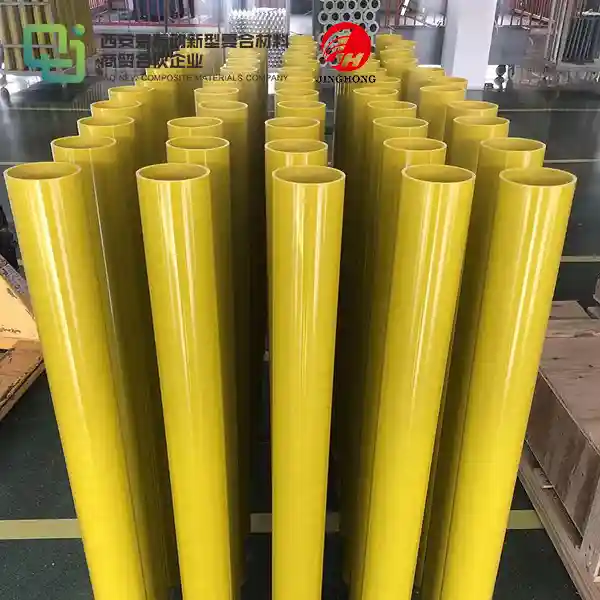
IEC 60893: Insulating Materials - Industrial Rigid Round Laminated Tubes and Rods of Electrical Grade Based on Thermosetting Resins
NEMA LI 1-1998: Industrial Laminating Thermosetting Products - Specifications for Electrical Grade Laminated Materials