
The Evolution of Flame Retardant Materials: A Technological Leap from V2 to V0
2025-12-25 16:42:14
One of the biggest safety improvements in modern production is the development of flame-resistant materials such as flame retardant material. As fire safety rules become more strict in industries around the world, moving from V2 to V0 rated materials has become very important for producers who want to keep their operations running smoothly while making their products safer. This advance in technology solves the biggest problems with older fire-resistant methods. It also meets the strict needs of industries from electronics to car making. Procurement managers and tech teams can make good choices that directly affect the safety of their products, compliance with regulations, and the long-term success of their businesses when they understand this evolution.
Understanding Flame Retardant Materials and Ratings
Flame retardant materials are carefully designed substances that stop or slow down the spread of fire. They are very important for making things safer and following the rules in fields like electronics, cars, construction, and textiles. Fire-resistant materials stand up to fire. Flame retardants, on the other hand, chemically interfere with burning in several ways, such as gas-phase inhibition, char formation, and heat absorption.
Classification of Fire Retardant Systems
There are different types of modern fire safety materials, and each type has its own specific uses and performance traits. Because they are good at stopping combustion reactions, halogenated chemicals have historically been the most popular choice on the market. Systems that use phosphorus form safe layers of char that keep the materials underneath them from getting hot. When intumescent coatings are heated, they swell up and form walls that insulate and protect the parts that make up the structure. These different methods give makers the freedom to choose materials that meet the needs of their applications while also taking performance, cost, and environmental factors into account.
UL94 Rating System Fundamentals
The UL94 standard is what the industry uses to rate how flammable materials are in controlled test settings. Materials with a V2 rating can resist flames to some extent, but they might drip flames during tests, which can start new fires. V1 materials work better overall; they drip less and extinguish their flames more quickly. V0 is the highest level. It requires materials to stop burning on their own within ten seconds and without dripping flames. Understanding these differences helps buying teams correctly figure out how safe things are and how much they need to follow the rules.
Limitations of Traditional Flame Retardant Materials and the Need for Advancement
Common V2-rated materials have big performance issues that affect safety and environmental sustainability. These materials often take longer to self-extinguish, which lets fires grow in the very beginning stages. The tendency to make flaming drips means that secondary ignition risks are higher, which is especially bad for electrical uses where material that is molten can hurt sensitive parts or make new fire sources.
Environmental and Health Concerns
Long-lasting halogenated flame retardant material are very bad for the climate and people's health, which leads to changes in rules around the world. These chemicals can last in the environment, build up in living systems, and release poisonous gases when they catch fire. The European Union's RoHS directive and similar rules around the world have led manufacturers to look for safer options that keep fire protection useful while also being better for the environment.
Regulatory Pressure and Market Demands
Fire safety rules are getting tougher in every industry, which makes the use of modern materials good for business. Electronics is one of the pickiest industries; PCB makers need materials that have great dielectric properties and resist flame better than others. Automotive uses need materials that work reliably under very high and low temperatures while also meeting standards for crashworthiness. These changing needs go beyond the performance limits of standard V2 materials.
The Technological Leap: From V2 to V0 Flame Retardant Materials
A new breed of flame retardants has recently been released. These can achieve the very strict V0 rating, which means they extinguish themselves quickly without dripping and while giving off very little smoke and toxic chemicals. This is a big change in material science. It makes things safer and better for the world at the same time.
Advanced Formulation Technologies
Today's V0-rated products use newer chemical methods that work better than older ones. Synergistic additive mixtures use multiple ways of stopping flames at the same time, making materials that work better than just the sum of their parts. Nano-enhanced formulations include particles that have been carefully designed to improve thermal stability and mechanical strength after exposure. These new methods let makers get better fire protection while lowering the amount of additives in the mix and keeping the way the material is processed the same.
Performance Comparison and Industry Applications
Data-driven studies show that the V2 flame retardant material work a lot better than the V0 materials in important ways. V0 materials have self-extinguishing times of less than ten seconds, while V2 options take thirty seconds or more. In more modern formulations, the rates of heat release have been lowered by 40% to 60%, which greatly lowers the chance that fires will spread. When electronics companies switch to V0-rated substrates and enclosures, they say thermal cycling performance and long-term stability get better.
Selecting the Right Flame Retardant Material for Your Business Needs
It is important to consider the environmental effect, the rules, the performance requirements, and the cost when buying flame retardants. Choosing the right materials for a job depends on knowing what it needs and picking sources based on a wide range of factors, not just the prices they charge.
Industry-Specific Requirements and Considerations
Different material traits affect how businesses choose to buy things. Along with flame resistance, dielectric strength, thermal conductivity, and CNC machinability are important factors that electrical part makers focus on. The tools used to make power need materials that keep their shape when the temperature changes and are good at resisting arcs. Automotive uses require materials that work the same way in very hot and very cold conditions. These materials must also meet strict emissions standards during combustion testing.
Supplier Evaluation and Quality Assurance
A thorough source evaluation includes many things that affect the long-term success of getting goods. Quality standards like ISO 9001, UL recognition, and RoHS compliance make sure that products are made in a consistent way. When you add new materials to production processes that are already in place, you need to be able to get technical help. The dependability of the supply chain, including the ability to transport goods and handle inventory, has a direct impact on the continuity of production and the timelines of projects.
J&Q: Your Trusted Partner for Advanced Flame Retardant Solutions
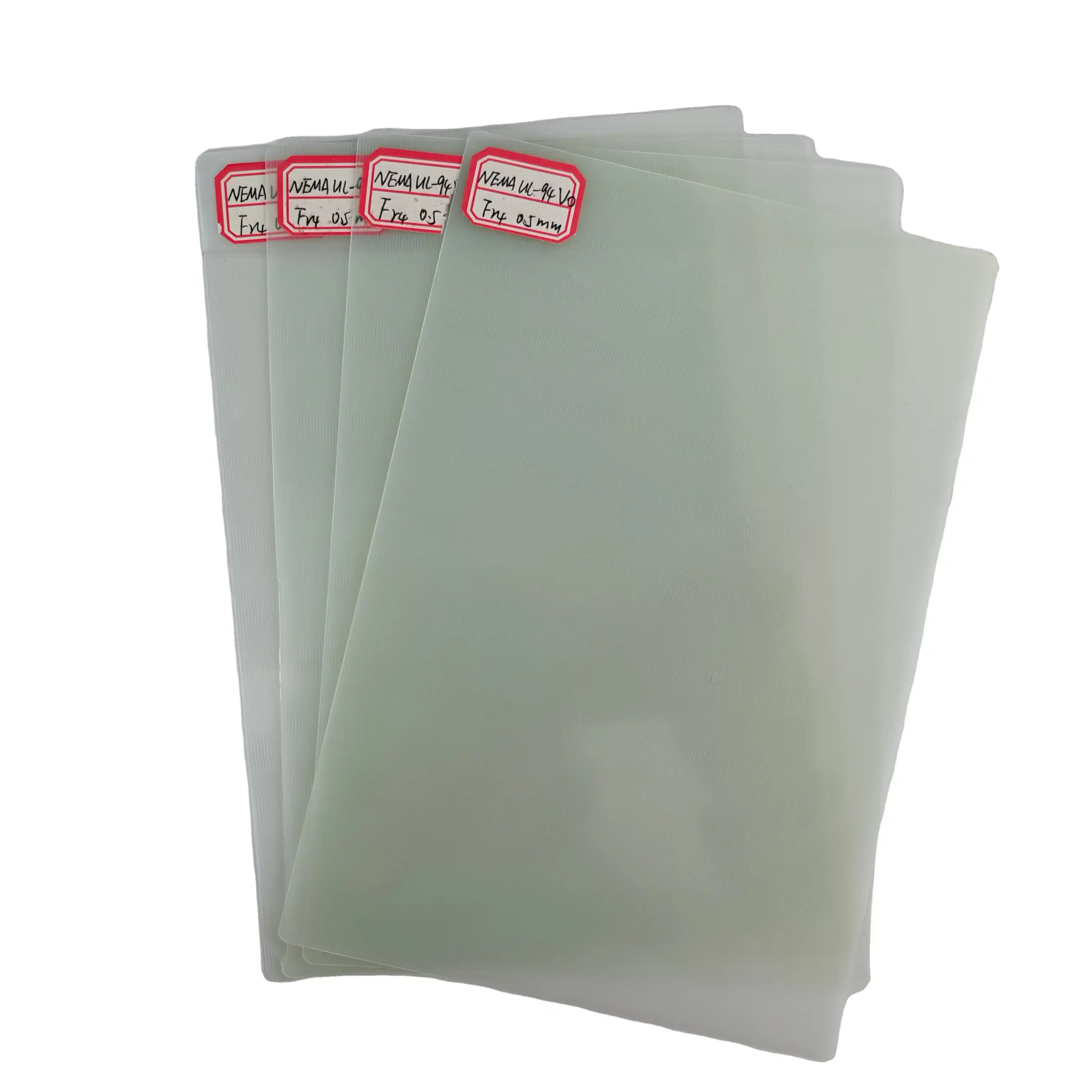
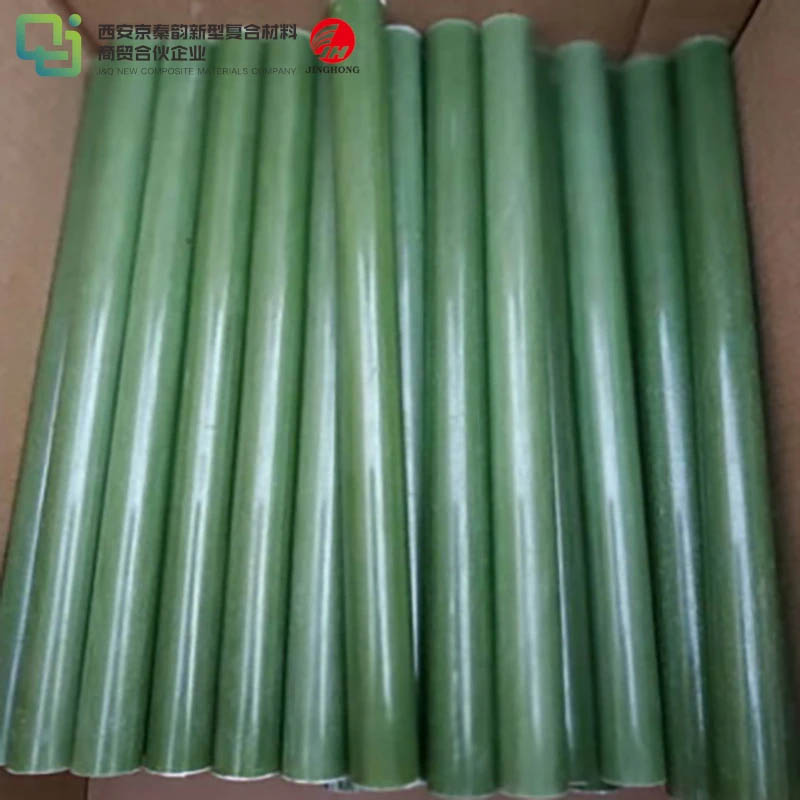
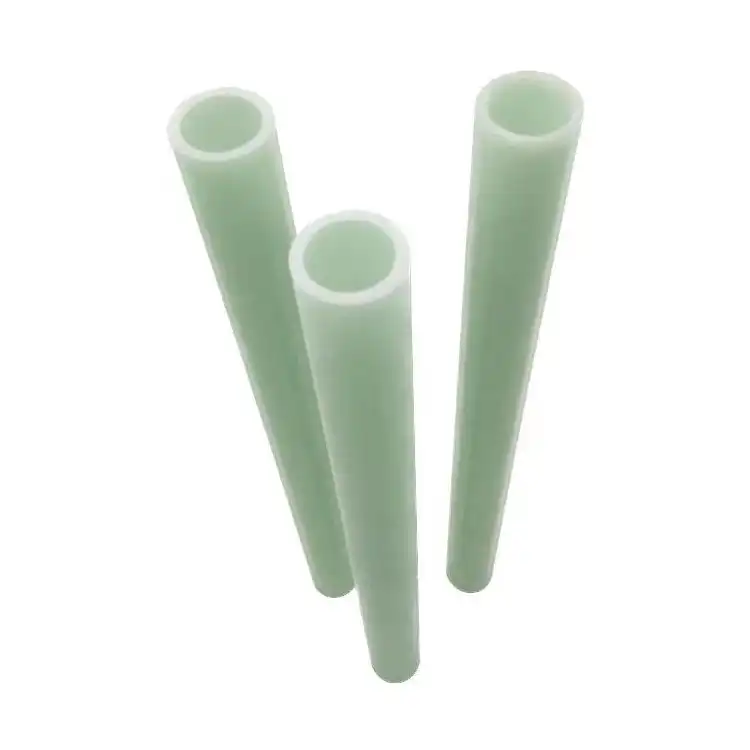
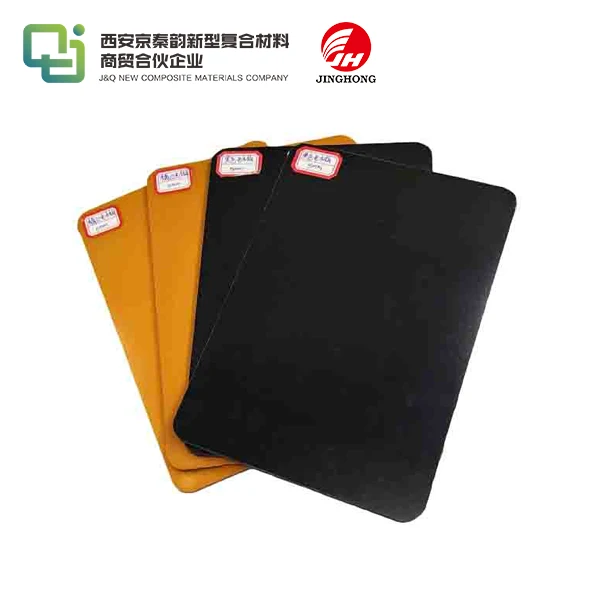
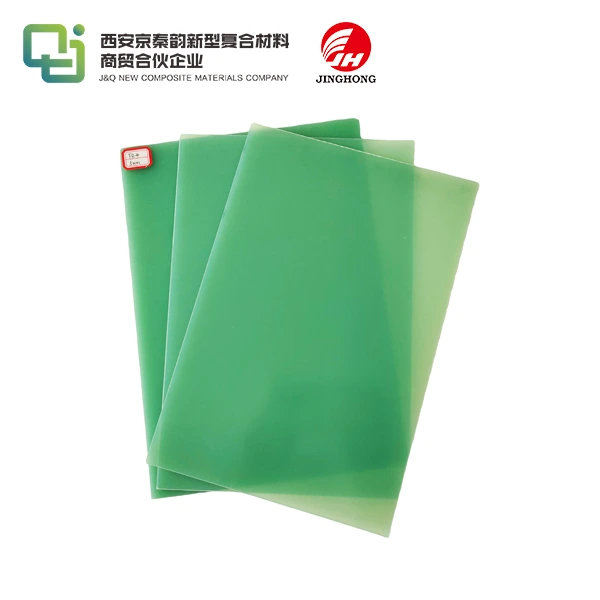
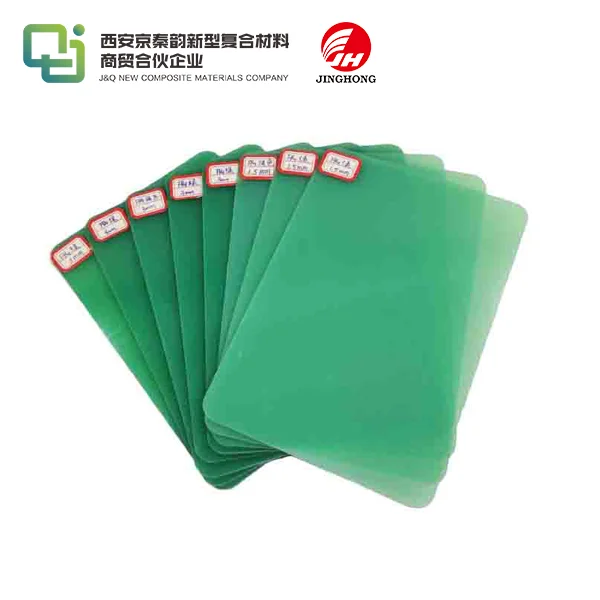
J&Q is a top maker and supplier of high-performance flame retardant material. They have a lot of experience making V0-rated products for a wide range of industrial uses. Our wide range of products includes FR4 sheets, 3240 epoxy boards, and phenolic laminates that meet the strict standards of the electronics, automotive, power generation, and machinery production sectors.
Proven Manufacturing Excellence and Technical Capabilities
Our manufacturing operations combine over twenty years of experience making high-quality insulating materials with over ten years of experience in foreign trade. Our deep knowledge of both technical details and the way the global market works helps us understand how these factors impact choices on procurement. We work with both U.S. and foreign trading companies, which helps the supply chain run smoothly and lets us offer support in a variety of markets.
Comprehensive Service Portfolio and Logistics Integration
J&Q's integrated service approach offers unique benefits, such as the ability to make custom formulas that solve particular problems. Customers around the world can get all of their logistics needs met by our in-house business, which makes things easier and improves the reliability of delivery. This vertical integration helps us keep the quality of all parts of the supply chain, offer good prices, and be able to deliver in a way that supports different production schedule needs.
Conclusion
The change from V2 to V0 flame retardant material is a big step forward in safety technology for the business world. This step-by-step approach tackles major performance issues and meets the needs of a wide range of businesses where the rules are becoming more strict. Today's V0-rated materials offer better fire protection, environmental friendliness, and dependable production. These benefits help businesses stay successful in the long run. Understanding these technology advances helps people make smart choices about what to buy. These choices can make products safer, make sure rules are followed, and give companies an edge in tough market conditions.
FAQs
What specific performance differences exist between V2 and V0 rated flame retardant materials?
V0 materials demonstrate significantly superior performance with self-extinguishing times under ten seconds compared to thirty seconds for V2 alternatives. V0 materials eliminate flaming drips that create secondary ignition risks, while also reducing smoke generation and toxic gas emission during combustion testing.
Are V0 flame retardant materials suitable for high-temperature industrial applications?
Modern V0 materials excel in high-temperature environments, maintaining structural integrity and fire resistance across extended temperature ranges. These materials undergo rigorous thermal cycling tests to ensure consistent performance in demanding applications including automotive engine compartments and power generation equipment.
How can procurement teams verify flame retardant material quality and certification compliance?
Verification requires reviewing comprehensive documentation including UL recognition marks, IEC test reports, and RoHS compliance certificates. Request certified material samples for independent testing, evaluate supplier quality management systems, and confirm traceability documentation that supports audit requirements and regulatory compliance verification.
Partner with J&Q for Superior Flame Retardant Material Solutions
Transform your product safety and compliance capabilities with J&Q's advanced V0-rated flame retardant (94V0 FR4 Fiberglass Sheet,Flame Resistance FR4 Fiber Glass Laminate Sheet,Fr4 94v0 Epoxy Board) material solutions. Our experienced engineering team provides comprehensive technical support and customized formulations that address specific application challenges across electronics, automotive, and industrial sectors. As a trusted flame retardant material supplier with proven international expertise, we deliver consistent quality and reliable supply chain performance. Contact us at info@jhd-material.com to discuss your specific requirements and receive detailed technical specifications for our complete product portfolio.
References
Morgan, Alexander B., and Charles A. Wilkie. "Flame Retardant Polymer Nanocomposites: Recent Advances and Future Prospects." Fire and Materials Journal, 2019.
Hull, T. Richard, and Anna A. Stec. "Fire Toxicity Assessment: Comparison of Asphyxiant Yields from Laboratory and Large-Scale Flammability Tests." Fire Safety Science, 2018.
Laoutid, Fouad, et al. "New Prospects in Flame Retardant Polymer Materials: From Fundamentals to Nanocomposites." Materials Science and Engineering Reports, 2020.
Schartel, Bernhard. "Phosphorus-Based Flame Retardancy Mechanisms: Old Hat or a Starting Point for Future Development?" Materials, 2021.
Vahabi, Henri, et al. "Flame Retardancy Index for Thermoplastic Polymers." Polymers for Advanced Technologies, 2019.
Wang, Xiaodong, et al. "Recent Progress in Flame Retardant Technology of Fiber Reinforced Polymer Composites: A Review." Composites Part B: Engineering, 2020.
_1753952475136.jpg)
