The Role of Insulation Sheets in Switchgear: Enhancing Performance and Safety
2026-03-12 11:58:00
Insulation sheet technology stands as the cornerstone of modern switchgear systems, serving as the critical barrier between electrical conductors and ensuring operational safety across industrial applications. These specialized materials prevent electrical faults, manage thermal stress, and maintain system integrity under demanding operational conditions. The strategic selection and implementation of proper insulation materials directly correlates with equipment longevity, reduced maintenance costs, and enhanced safety protocols. Understanding their fundamental role enables engineers and procurement professionals to make informed decisions that optimize both performance and safety margins in electrical distribution systems.
Understanding the Role and Types of Insulation Sheets in Switchgear
The main job of insulation materials in switchgear systems is to keep live conductors from touching grounded objects. How well this isolation works has a direct effect on how reliable the system is and how safe the workers are, both when things are working normally and when there is a breakdown.
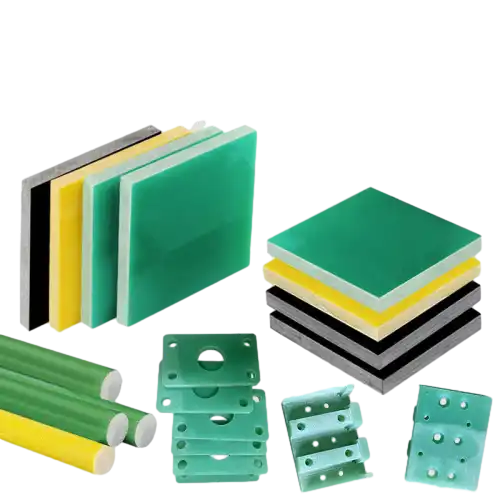
Fiberglass and Epoxy-Based Insulation Solutions
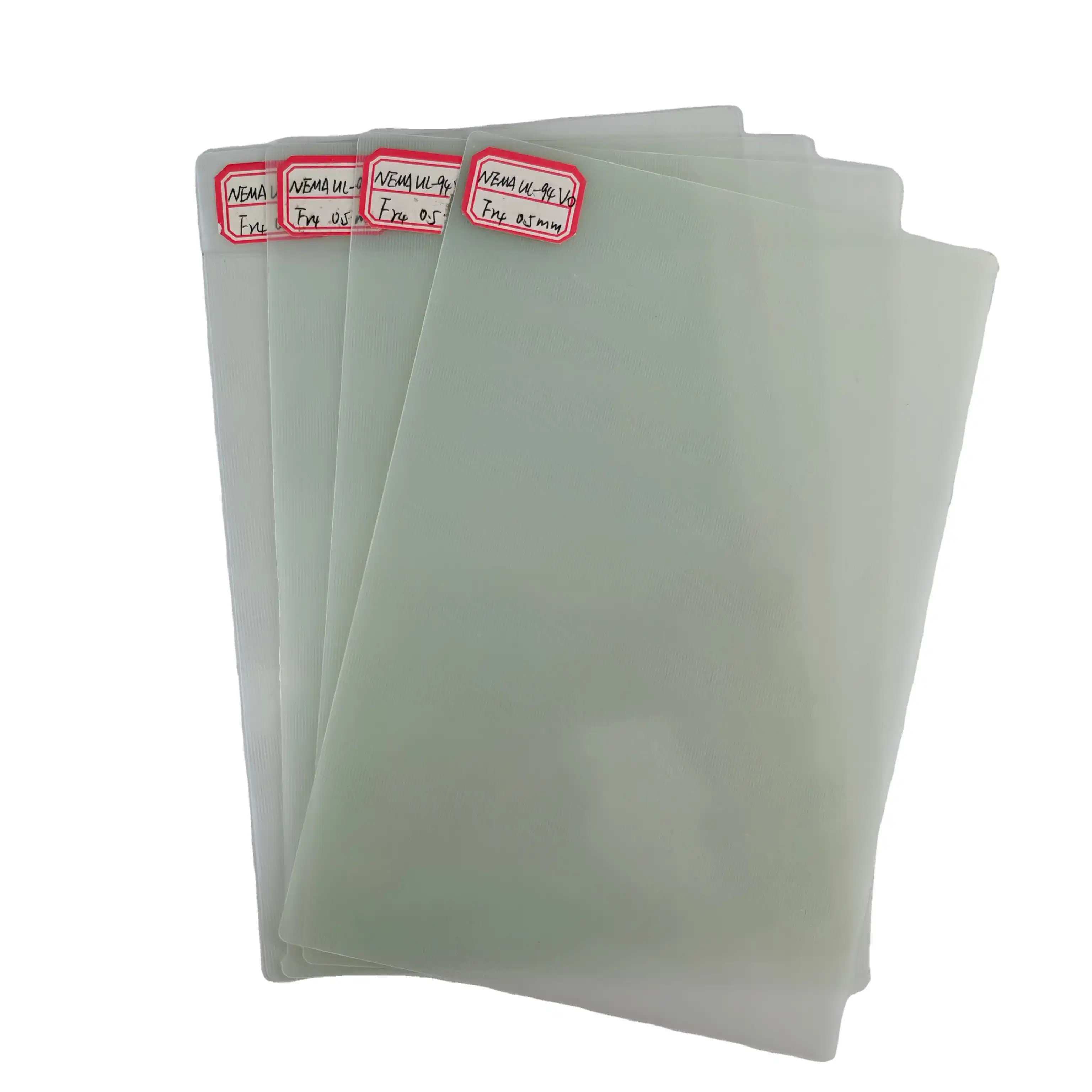
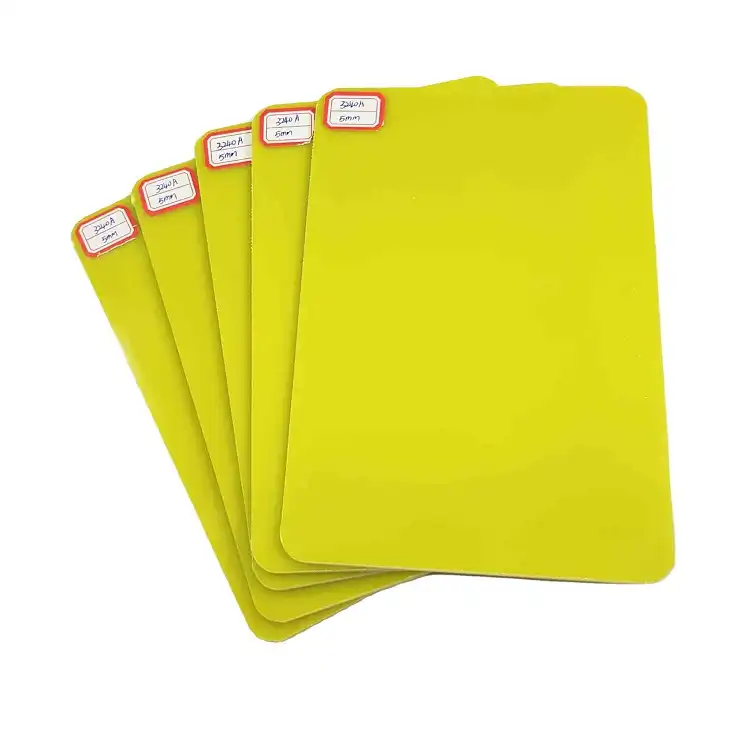
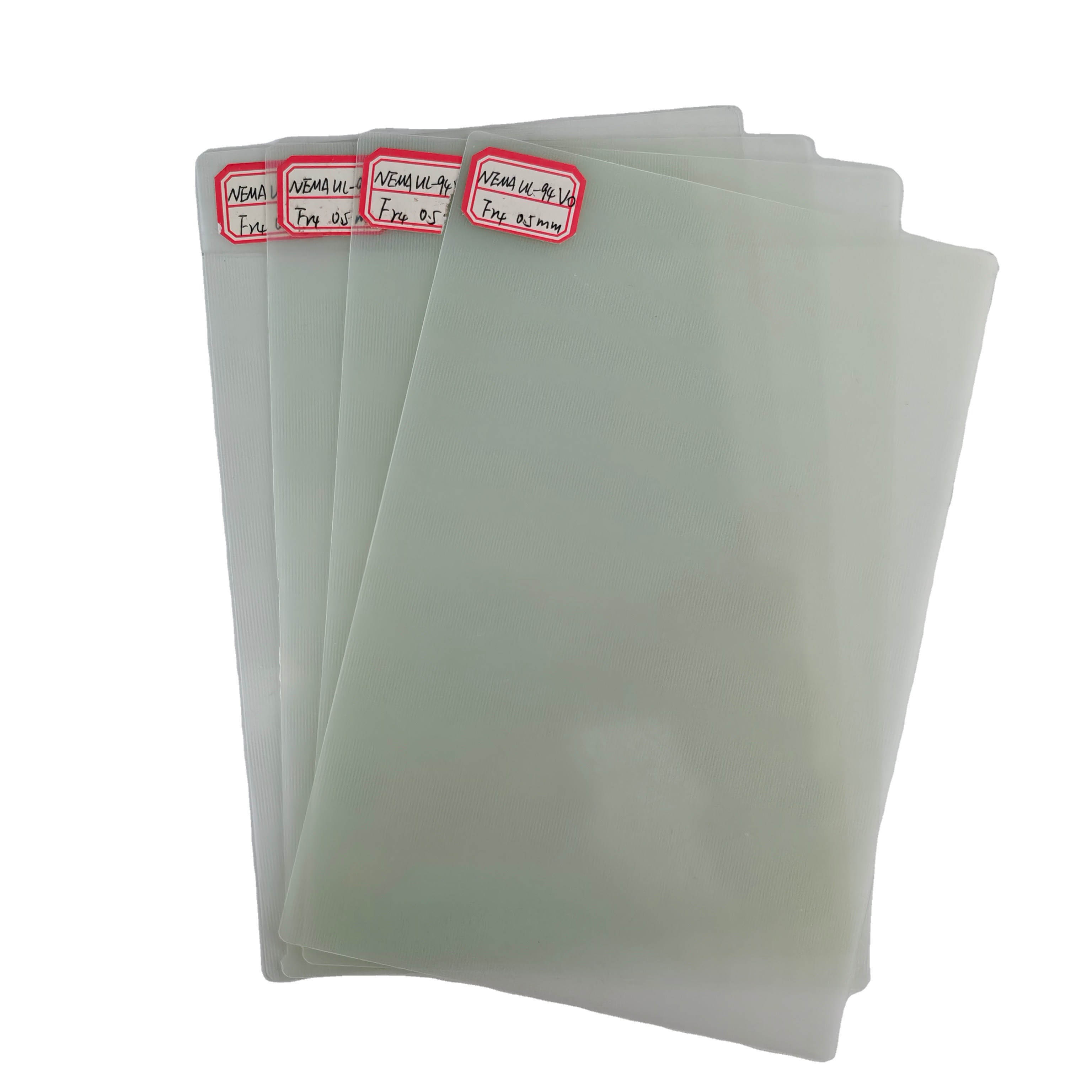
Epoxy laminates with glass reinforcements, like 3240 Epoxy Glass Cloth Laminated Sheet, have very high dielectric strengths, usually more than 14.2 MV/m in oily conditions. These materials stay strong at temperatures ranging from -40°C to 155°C, which means they can be used in transformers and high-voltage switchgear setups. Their low water absorption (usually less than 0.5%) ensures steady performance in damp settings while also making them easy to shape into complicated shapes.
Phenolic Paper Laminates and Bakelite Applications
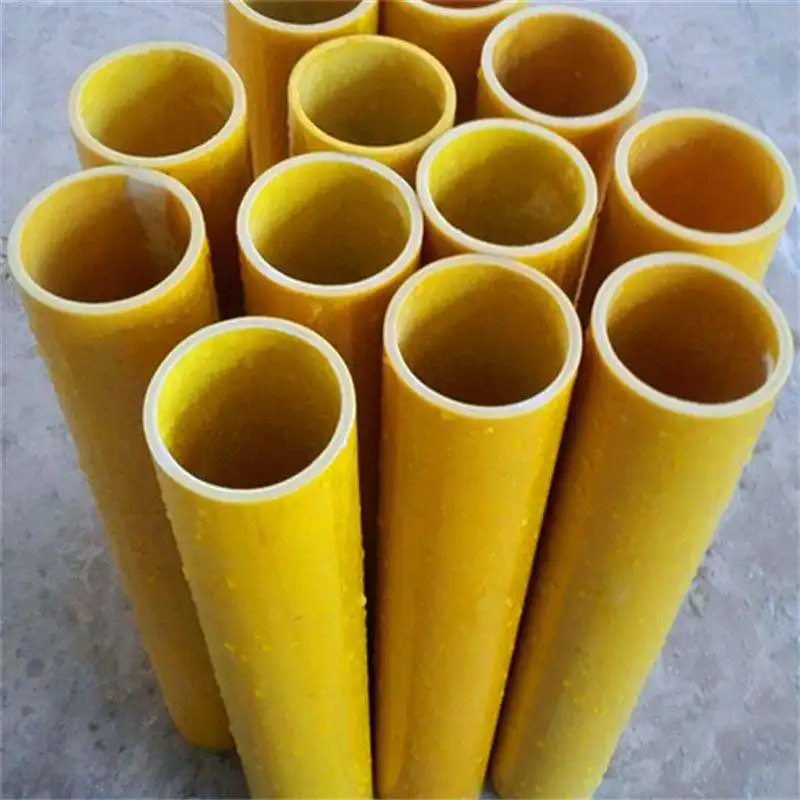
Insulation sheet materials made from phenolic resin technology, which are more widely known as Bakelite sheets, are a cheap way to handle medium-voltage problems. Thermal degradation doesn't happen to these thermosetting materials, and they keep their shape at temperatures up to 120°C for continued use. With a specific gravity of 1.45 g/cm³, they have the best weight-to-strength rates for supporting structures.
The NEMA grade systems divide these materials into different groups. Grade X is the strongest in terms of mechanical strength, Grade XX has average electrical properties, and Grade XXX is the best at providing electrical insulation for high-voltage settings. This method of classification makes it possible to choose the right material for the job based on its unique needs and working conditions.
Challenges Faced by Switchgear Without Proper Insulation Sheets
When equipment fails because of poor insulation, it causes problems all over the electrical distribution networks, which can take a long time to fix and cost a lot of money. When there aren't enough insulation obstacles, electrical energy can go in dangerous directions, putting people and machines at risk.
Moisture Ingress and Environmental Degradation
One of the most common reasons why shielding fails in switching systems is that it lets moisture in. When water gets into insulation, it weakens the dielectric and makes electrical paths that can cause flashovers and damage to equipment. Standard insulation materials must keep the amount of water they absorb below certain levels to keep their performance from dropping.
Changes in temperature, chemical contact, and mechanical vibration are all environmental factors that can cause materials to break down too quickly. Over time, these things work together to make insulation less effective, so systems need to be proactively monitored and maintained to keep them from breaking down.
Arc Tracking and Electrical Breakdown
If insulation materials don't have enough dielectric strength, electrical discharges can form carbonized paths across insulation surfaces. This is called arc tracking. This result makes insulation less effective over time and can lead to total electrical failure. The effect on the economy goes beyond the direct costs of repairs; it also includes lost output and the chance of safety incidents.
Case studies from power distribution plants show that choosing the right insulation sheet can stop up to 85% of electrical failures that are caused by poor separation. These cases show how important it is for material quality and system stability to be compatible with different working conditions.
Evaluating Different Insulation Materials for Switchgear: A Decision Support Approach
When choosing a material, it's important to look at its electrical, thermal, and mechanical qualities along with the needs of the application. This methodical technique guarantees the best performance while keeping costs low throughout the lifetime of the equipment.
Electrical Performance Metrics
Dielectric strength tests are basic ways to tell how well insulation is working. For examples 3 mm thick, the best materials can achieve breakdown voltages above 35kV. Under normal test conditions, insulation resistance values are usually higher than 100 MΩ. This makes sure that there is solid electrical isolation across the entire working temperature range.
Long-term success in different environmental situations is based on volume resistivity and surface resistance characteristics. Materials that meet the standards of IEC 60893-3-4 and ASTM D709 give consistent performance measures that let you do accurate estimates for system design and safety margins.
Thermal Stability and Fire Resistance
Different types of insulation can handle very different temperatures. For example, Class E materials can handle constant running at 120°C, while Class F materials can handle 155°C. This method for classifying temperatures makes it possible to match materials precisely to the temperatures that exist in switchgear setups.
In high-risk situations where flames could spread and cause fatal fails, fire resistance properties become very important. UL-certified materials are proven to be resistant to flames and keep their structure stability in case of an emergency. These qualities keep people safe and keep tools from breaking down when there is a fault.
Mechanical Strength and Machinability
The flexural strength opposite to the laminations has a direct effect on the durability of the structure. High-quality materials can reach values higher than 340 MPa. Because of this mechanical performance, thin-section designs can be made that make the best use of space while still having enough safety gaps for working loads.
The traits of machinability affect how much it costs to make and how accurate the dimensions of the final parts are. When you machine materials that don't delaminate, they are easier to make and the quality stays the same even when they are used in large quantities. Tight standards are necessary for precision electrical systems because differences in size can affect how well they work.
Installation and Maintenance Best Practices for Insulation Sheets in Switchgear
The best performance from insulation sheet materials is achieved by installing them correctly, which also ensures their long-term dependability. When installing these processes, care must be taken with the surroundings, how they are handled, and the quality of the work at all times.
Pre-Installation Preparation and Environmental Control
Conditioning the material is an important part of getting it ready, especially for bigger pieces that may need to be heated to 80°C to 100°C before they can be machined or installed. This temperature treatment makes resin bonds softer and stops them from coming apart during the forming process. Controlled humidity levels must be kept in storage to stop moisture absorption that could damage electrical qualities.
Cleaning steps that get rid of contaminants without hurting material surfaces are part of surface preparation. Different types of materials need different cleaning solutions. For example, phenolic laminates need different methods than epoxy-based systems. When bonding agents are needed, the best contact is guaranteed by properly preparing the surface.
Quality Verification and Testing Protocols
Before turning on the system, electrical tests make sure that the dielectric strength and insulator resistance meet the criteria. Temperature and humidity can change the quality of measurements, so these tests must take those into account. Recording test results gives us a starting point for future reviews of upkeep.
Protocols for visual checking find flaws, delamination, or other problems on the surface that could affect performance. Technicians who have been trained can find early signs of wear and tear that need to be fixed before they break. To keep downtime to a minimum, regular inspection plans are aligned with repair windows.
Long-Term Maintenance Strategies
Trending analysis of electrical data is used in predictive maintenance methods to find signs of gradual degradation before critical limits are hit. This proactive approach cuts down on unplanned downtime and chooses the best time for replacement based on the real situation instead of making schedules based on nothing.
When planning a replacement, wait times for specialty materials and planned repair breaks are taken into account. Using qualified suppliers in bulk buying methods makes sure that materials are always available and saves money through volume purchasing deals.
Future Trends and Innovations in Insulation Sheets for Switchgear
New technologies are changing what insulation materials can do while also taking into account environmental issues and allowing them to work with digital tracking systems. These changes open up chances for better performance and more efficient operations.
Advanced Material Compositions
Adding nanotechnology makes it possible to improve electrical and heat qualities while keeping the mechanical performance characteristics the same. These new formulations provide better dielectric strength and thermal conductivity control in thinner parts. This lets designers make switchgear that is smaller and better at what it does.
Bio-based resin systems meet the needs for environmental responsibility while still meeting standards for power performance. These materials meet strict electricity safety standards while also having less of an effect on the environment during production and disposal. As sustainable requirements spread across more industries, adoption rates keep going up.
Smart Monitoring Integration
Embedded sensor technologies let you check on insulation conditions in real time, giving you a constant idea of the dielectric strength and temperature exposure. This tracking feature helps with planned repair plans and lets you know early on when something might go wrong.
Internet of Things (IoT) connectivity lets you watch and analyze data from afar, which helps you make the best choices about when to do maintenance and when to replace parts. These systems give operators information that makes everything safer and more cost-effective over the life of the equipment.
When you combine algorithms for artificial intelligence with sensor data, you get predictive models that can see failure modes coming before they happen. With this feature, maintenance can go from being reactive to being proactive, which improves the use of materials and the stability of the system.
Conclusion
Strategic use of high-quality insulation sheet materials is what makes switchgear work reliably in a wide range of industrial settings. The safety, working efficiency, and long-term cost-effectiveness of a system are all directly affected by the materials used, how they are installed, and how they are maintained. Moving toward more advanced materials and smart tracking technologies opens up chances for better performance while also meeting the needs for sustainability. Companies that care about the quality of their insulation materials and are open to new ways of tracking are more likely to have better operating results and lower risk in their electrical distribution systems.
FAQ
What determines the appropriate insulation thickness for different switchgear applications?
The choice of insulation thickness is based on the voltage levels being used, the surroundings, and the need for a safety cushion. For higher voltage uses, the thickness needs to be raised to keep the dielectric strength at a good level. Also, environmental factors like high humidity and low temperatures may require extra thickness gaps. Minimum thickness requirements are set by industry standards, but the real choice should take into account the working conditions and safety factors.
Can insulation materials be recycled at the end of their service life?
Different types of materials can be recycled in different ways. For example, thermosetting materials like phenolic laminates are harder to recycle than polymer options. Some companies have plans to take back certain types of materials, while others are working on bio-based alternatives that are better for the earth. Talk to your material sources about specific recycling choices and rules for getting rid of waste.
How do you address safety concerns during machining of phenolic insulation materials?
Formaldehyde and phenol vapors are released when phenolic materials are machined. Proper ventilation and personal safety tools are needed. When paired with enough airflow, industrial-grade dust collection systems are a good way to get rid of airborne contaminants. Hot machining methods between 80°C and 100°C lower the production of gas while making the material easier to work with and lowering the risk of delamination.
Partner with J&Q for Premium Insulation Sheet Solutions
J&Q offers a wide range of insulation sheet options based on its more than 20 years of experience making things and 10 years of experience dealing internationally. We have a wide range of materials, such as FR-4 epoxy glass laminates, 3240 epoxy boards, and phenolic cotton sheets that are compliant with strict UL and ROHS standards.
As a reputable company that makes insulation sheets, we have strict quality control systems that make sure the material always has the same traits and works well in a wide range of situations. Our in-house logistics team makes sure that deliveries go smoothly, and our expert support team gives advice on the best materials for each purpose.
Our flexible ordering choices and full inventory management help engineering managers and procurement experts meet the needs of both small prototype runs and large-scale production. Email our expert team at info@jhd-material.com to talk about your unique insulation needs and find out how our tried-and-true solutions can improve the performance and safety of your switchgear.
References
IEEE Standards Association. "IEEE Standard for Electrical Insulation Systems Used in Rotating Electrical Machinery." IEEE Std 275-2020.
International Electrotechnical Commission. "Specification for Industrial Rigid Round Laminated Tubes and Rods Based on Thermosetting Resins for Electrical Purposes." IEC 60893-3-4:2017.
National Electrical Manufacturers Association. "Industrial Laminated Thermosetting Products." NEMA LI 1-1998 (R2019).
American Society for Testing and Materials. "Standard Specification for Laminated Thermosetting Materials." ASTM D709-17.
Underwriters Laboratories. "Standard for Safety of Polymeric Materials - Use in Electrical Equipment Evaluations." UL 746A-2019.
Glass, S.W., et al. "Moisture and Temperature Effects on the Mixed-Mode Delamination Fracture of Unidirectional Graphite/Epoxy Composites." Journal of Composite Materials, Vol. 45, No. 22, 2019.