What is the Use of Epoxy Fiberglass Sheet?
2026-05-07 14:37:31
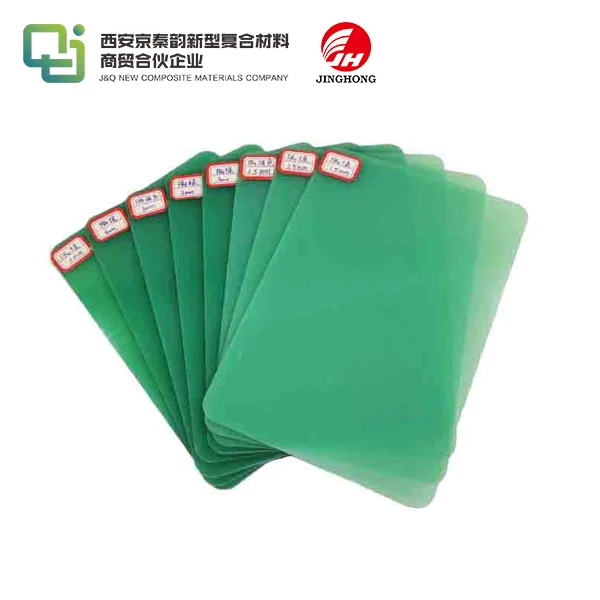
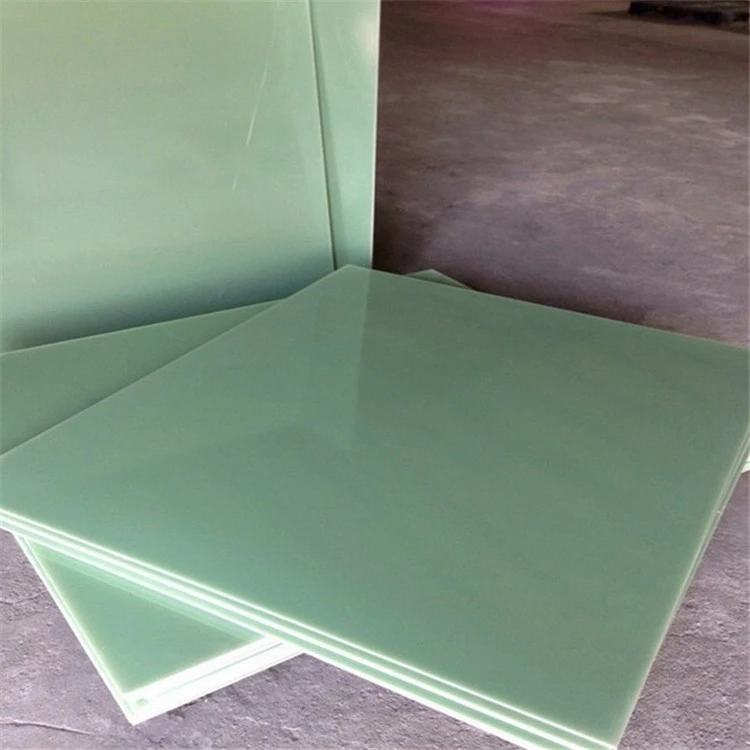
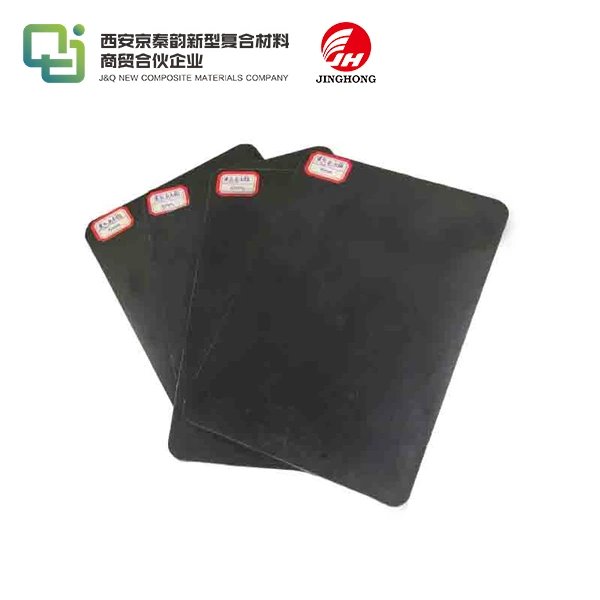
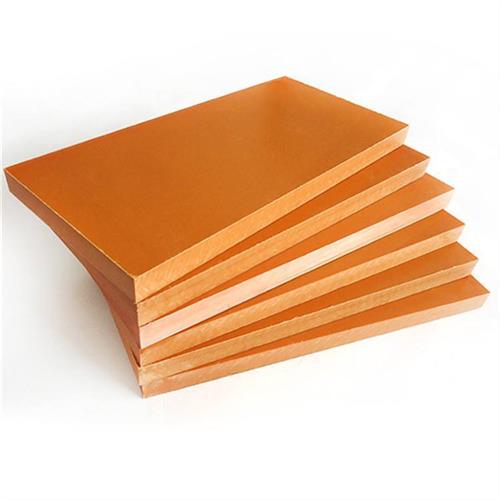
A very important industrial material is epoxy fibreglass sheet, which is used for high-stress structure, electrical insulation, and mechanical support. Using controlled heat and pressure, this composite joins continuous-filament glass cloth with epoxy glue to make a single solid that solves some of the most important problems in modern industry. Engineers depend on these sheets to keep PCB assemblies from going bad electrically, to keep the dimensions stable in precision machinery, and to keep chemicals from breaking down in hard conditions where regular plastics fail.
Understanding Epoxy Fiberglass Sheet: Composition and Key Properties
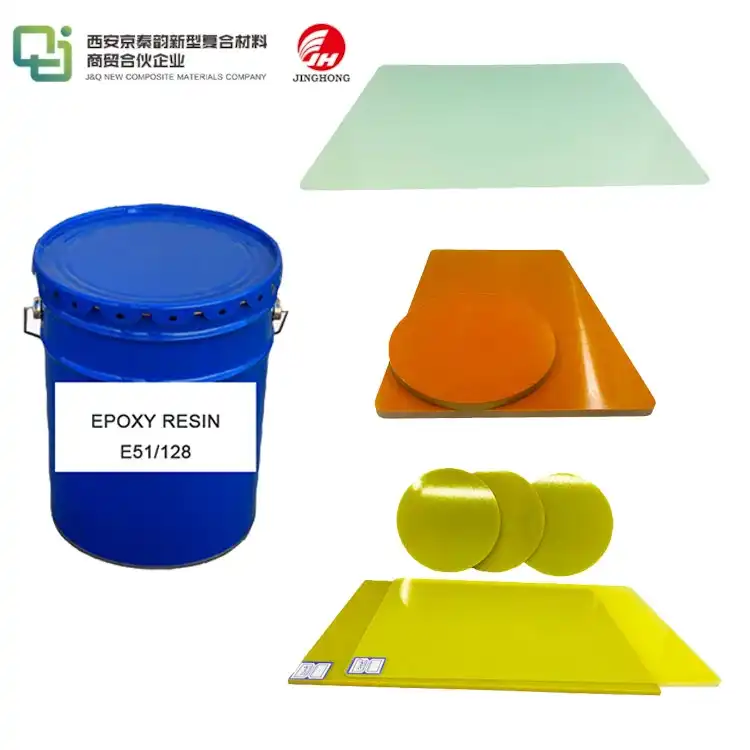
The mixed building method of epoxy fibreglass sheet is what makes it work so well. Woven glass fibre cloth is the first thing that manufacturers use. It forms the technical framework of the finished product. This strengthening material is fully saturated with liquid epoxy resin systems that are specially made to meet certain performance needs. During the lamination process, several layers are stacked on top of each other in a very specific way before going into high-pressure presses that are heated to 150°C to 180°C. This thermosetting process makes cross-links between polymer chains that last forever. This locks the material into its final shape and gives it qualities that don't change when the temperature does.
Material Composition and Manufacturing Process
The choice of raw materials has a direct effect on the end performance qualities. Most glass fibre cloth is made from E-glass formulas, which have good electrical qualities and mechanical strength at low costs. In some specific situations, S-glass reinforcement is needed for higher tensile strength or C-glass reinforcement is needed for better chemical protection. The epoxy resin system is made up of base polymers, hardening agents, and performance factors that change things like how resistant the resin is to flames and how quickly it absorbs water.
During lamination, production sites keep a close eye on the surroundings. Changes in humidity affect how the glue flows, and changes in temperature affect how fast it cures and how strong the bond is in the end. High-quality makers use multiple pressing processes that gradually raise pressure while keeping exact temperature profiles. This makes sure that all of the glue is saturated and that there are no gaps inside the material that could weaken its dielectric strength.
Critical Physical and Electrical Properties
The final combination has a very high dielectric strength, usually more than 20 kV/mm, which keeps electricity from breaking down in high-voltage situations. Because of this, the material is essential for insulating transformers and making parts for switches where voltage differences can get very high. At standard frequencies, the low dielectric constant, which is generally between 4.5 and 5.5, keeps signal loss to a minimum in RF circuits and high-speed digital uses.
The mechanical qualities are similar to those of many metal alloys, but it is much lighter. In the direction of the warp, the glass cloth has a tensile strength of 380 MPa, which means it can hold up structural loads in machine frames and fixing mounts. For normal grades, the material stays the same size and shape at temperatures ranging from -40°C to 140°C. For special formulas, the temperature range can be extended to 180°C for constant contact.
Under normal air conditions, moisture uptake stays below 0.15%. This keeps the dimensions from changing and the electrical properties from breaking down, which happens with other insulation materials. This steadiness is very important in wet factories where machines work for decades without being able to be serviced.
Comparing Material Alternatives
When selecting insulated parts, procurement teams often look at more than one type of material like epoxy fiberglass sheet. Phenolic laminates are cheaper to buy at first, but they don't work well at high temperatures or fight water. Polyester fibreglass sheets are strong enough for their purpose and don't cost too much, but their electrical features break down more quickly when exposed to high voltages for a long time. Carbon fibre alloys are stronger than their weight, but they are also electrically conductive, which means they can't be used as shielding.
Within the larger group of epoxy fibreglass, the G10 and FR4 names refer to specific grades. Standard epoxy glue systems have been optimised for mechanical performance and cost efficiency in G10 sheets. FR4 has brominated flame retardants that meet the safety standards for consumer goods and building electrical systems with a flammability grade of UL94 V-0. Both types are made of glass-epoxy, but they have different legal and performance requirements that must be met in order to be bought.

Primary Uses and Industry Applications of Epoxy Fiberglass Sheets
Electrical engineering, machinery production, and chemical processing are all industries that use these composite sheets to solve specific problems. The unique mix of qualities of the material solves problems that no other material can, which is why it is widely used even though it costs more than regular plastics.
Electrical and Electronic Component Applications
The most common use for epoxy fibreglass sheets, especially FR4 types, is making printed circuit boards. The material is the structure base that holds up copper trace designs and fixing holes for components. Its physical stability makes sure that the places of the holes stay precisely aligned through many heat cycles while soldering. The insulating qualities stop signals from crossing over between traces that are next to each other and allow for impedance-controlled transmission lines in high-frequency designs.
As coil spacers and spark shields in distribution equipment, transformer makers use bigger sheets. These parts keep the electrical connections between windings that work at different voltage levels separate. This stops catastrophic breakdowns that could harm people or damage related equipment. The material's resistance to tracking—the formation of electrical carbon paths across insulating surfaces—makes devices last longer in dirty or dusty places.
Custom-cut panels are used in switchgear systems to keep operators safe and separate the phases in power distribution boxes. The flame-retardant features of FR4 grades stop fires from spreading if electrical problems cause arcing, which keeps damage to specific areas of equipment.
Mechanical and Structural Applications
Epoxy fibreglass sheet is machined into wear-resistant components by industrial machinery builders, which can be used in some uses to replace metal parts. Gears made from these materials work quietly and don't rust when they are exposed to chemicals or moisture in the environment. When paired with the right oils, the material's ability to lubricate itself makes automatic production lines less likely to need repair.
The high strength-to-weight ratio and electrical protection of the material make it useful for structural gaps and fixing braces. Designers of equipment use these parts to support motors, transformers, and control systems without connecting them to conductive frames electrically. Standard carbide tools can be used to cleanly cut the material, which makes it possible to make unique shapes that meet specific assembly needs at a low cost.
Fixture makers use stronger epoxy fiberglass sheet stock to make jigs and assembly tools that can handle heat. The material can handle being heated and cooled many times in wave soldering and sealing ovens and still keep its shape, which guarantees stable product quality. In contrast to metal fittings, the insulation features stop heat from escaping, which could cause temperature differences in sensitive parts.
Specialized Industrial Sectors
Precision-tolerance sheets are used to make battery pack obstacles and heat control parts by makers of electronics for the auto industry. These parts keep high-voltage lithium-ion cells from touching each other and provide structural support that keeps breakdowns from happening because of vibrations. The flame resistance of the material meets strict safety standards for cars, stopping thermal runaway events within individual cell sections.
Materials used in aerospace must be able to be tracked and have qualities that stay the same from lot to lot. Manufacturers offer approved sheets with full test results that include information on the sheets' mechanical, electrical, and heating properties. These materials are used to make structural parts in electronics bays and as insulation walls in electrical power distribution systems. Reducing weight has a direct effect on fuel economy.
As tank linings, pump housings, and valve parts exposed to strong fluids, epoxy fibreglass sheet is used in chemical processing equipment. Weak acids, alkalis, and organic solvents that break down metal alloys or regular plastics quickly can't damage this material. Fabricators use heat to shape sheets into complicated shapes or join several layers together to make buildings with thick walls that can handle tough conditions.
How to Choose the Best Epoxy Fiberglass Sheet for Your Procurement Needs?
To choose the right material, you have to match your unique performance needs with the grade standards that are offered and the supplier's abilities. Teams of engineers and buying experts work together to come up with criteria that balance technical performance, cost limits, and the dependability of the supply chain.
Aligning Material Properties with Application Requirements
When it comes to electrical insulation, the most important things are dielectric strength, volume resistivity, and tracking resistance. The standards for purchases should include the ASTM D149 test results for dielectric breakdown voltage to make sure that the materials meet the basic requirements while also leaving enough room for error. As shown by the ASTM D570 water absorption test, types with better protection to moisture are better for parts that work in high-humidity settings.
Data on tensile strength, bending stiffness, and impact resistance are very important for mechanical uses. Engineers set minimum values by figuring out the stress levels at the highest working loads and adding safety factors that take into account how the material will break down over time and how it will affect the environment. For uses that involve repeated lifting cycles, fatigue performance needs to be thought about, but normal data sheets don't usually include this information unless the buyer specifically asks the provider for it.
The factors for thermal efficiency of epoxy fiberglass sheet rely on both the constant temperature of the system and its possible exposure to short-term heat events. Standard types of epoxy keep their features up to 130°C of constant use, and special high-temperature formulas make this range go up to 180°C. During the manufacturing process, short-term changes in temperature may happen. This means that materials must be checked to make sure they can handle soldering reflow profiles or finishing oven exposures without delaminating or bending.
Evaluating Manufacturers and Certification Standards
Before judging a supplier, you should look at their quality management certifications, which show that they have regular rules over the manufacturing process. ISO 9001 approval is a basic guarantee of processes that are written down and tools for tracking things. Electronics companies that work with the aerospace or car industries need providers that have IATF 16949 or AS9100 licenses, which require extra controls over the manufacturing process and strict rules for checking materials.
Material certificates show that the product meets government standards and regulations. It is confirmed that flame resistance rates for electrical uses are correct by UL recognition under the QMJU2 Yellow Card scheme. Documentation that shows RoHS compliance shows that there are no banned substances on the European market, and REACH statements talk about other chemical substance rules. These licenses are kept in files by procurement teams, which regularly update them as rules change.
Yield rates and long-term dependability in customer applications are affected by how consistent performance is across production lots. Manufacturers with a good reputation give thorough inspection records for every production run that include readings of the parts' mechanical and electrical qualities. These papers make it possible for new checking processes to check the features of materials before committing stock to production plans.
Procurement Strategy Considerations
Order number needs are very different between providers and product grades. When you order stock thicknesses in standard sizes, you usually need to buy at least 10 to 50 sheets. For custom thicknesses or speciality grades, you might need to buy at least 100 sheets. When you commit to buying a lot of something, you may be able to get lower prices per unit. But buyers need to weigh the savings they get against the costs of keeping stockpiles and the fact that things get older over time.
To handle lead times, you need to know the difference between products that are in stock and products that are made to order. Regular FR4 types in common widths can be shipped within days from stock at a distributor, which helps with fast testing and small-scale production. Custom grades, speciality widths, or sheets made to exact standard specs need to be produced over the course of 4 to 8 weeks, which means that project timelines must be carefully coordinated.
Customisation options go beyond changing the width and size. Some companies make resins that can be mixed in special ways to get the best results in certain situations. Others offer services that add value, like precise cutting, CNC turning, or surface treatments that cut down on the need for further processing. When choosing a seller, looking at these skills can help make the supply chain run more smoothly and lower the total cost of goods delivered.
Conclusion
Epoxy fibreglass sheet materials offer unbeatable electrical protection, industrial strength, and resistance to the environment, meeting important needs in many production sectors. To make the right choice, the features of the material must be carefully matched with the needs of the application. This must be done with the help of careful source review and smart purchasing practices. Knowing the differences between material types and other options lets you make smart choices that match the need for efficiency with the need to stay within budget. As manufacturing technologies improve and rules change, these composite materials keep adapting by coming up with new ways to make them. This lets them be used in more demanding situations while still having the basic properties that made them important in the first place.
FAQ
Why do epoxy fibreglass sheets work better than other materials for insulation?
The better performance comes from the way the glass support and epoxy glue chemicals work together. Tensile strength and physical stability are provided by glass fibres, which also have great insulating qualities. When epoxy glue systems are used on glass surfaces, they form strong ties that don't let water or chemicals through. This mix gives electrical, mechanical, and environmental performance all at the same time that options made of just one material can't match. Phenolic materials are cheaper, but they break down when they get wet and when they get hot. Pure plastics are good at keeping electricity away, but they aren't strong enough for building uses.
Can makers change sheets to fit the needs of certain industries?
Customising materials takes into account a number of standard factors. Changes to the resin's makeup can change its temperature performance, flame protection, or chemical compatibility for certain conditions. When uses need precise control over dimensions, extra processing steps are used to tighten the limits for thickness. Sheet sizes can be changed to fit the needs of the customer, which cuts down on waste from cutting standard sizes. Texturing or acid scratching the surface can help adhesives stick better to layered parts. Reputable makers have scientific teams that work with customers to develop specifications and make guesses about the material's properties before they start special production runs.
What factors make a solid bulk provider choice?
The supplier dependability review looks at how well the company can make things, its quality control methods, and how stable its business is. How well providers can meet rising demand without sacrificing delivery times depends on their production ability. When resin production and moulding are done together, this shows that key steps in the process are controlled. Stable finances help providers get through economic downturns without affecting service. Geographically distributing manufacturing sites helps keep things running even if things go wrong in certain areas. Technical support helps fix application problems fast, which keeps production from being held up and saves money. It also builds skills that will help with future projects.
Partner with J&Q for Reliable Epoxy Fiberglass Sheet Solutions
J&Q has been making precision epoxy fiberglass sheet insulation materials for more than twenty years and has served foreign customers in North America and Europe for more than ten years. Our production facilities are vertically integrated, which means they meet the high standards needed for electrical, industrial machinery, and power sector uses. They also have strict quality controls that make sure the material properties are the same across all lots of production.
When we combine our shipping operations, we offer a real one-stop service that makes buying things internationally easier. We take care of the paperwork, find the best shipping routes, and make sure that arrival times work with your production plans. This smooth method gets rid of the planning problems that usually come with buying things abroad.
Email our expert sales team at info@jhd-material.comto talk about your unique needs. We will give you thorough quotes, certifications for the materials, and shipping dates that show how committed we are to helping your industrial business succeed. You can look at all of our products and scientific information at jhd-material.com.
References
Harper, C.A. (2002). Handbook of Plastics, Elastomers, and Composites. McGraw-Hill Professional, Fourth Edition.
Maldas, D. & Kokta, B.V. (1993). "Surface Modification of Glass Fibers Using Coupling Agents: A Critical Review." Journal of Materials Science, 28(2), 405-418.
National Electrical Manufacturers Association. (2019). NEMA LI 1-2019: Industrial Laminated Thermosetting Products. Rosslyn, VA.
Pascault, J.P., Sautereau, H., Verdu, J., & Williams, R.J.J. (2002). Thermosetting Polymers. Marcel Dekker, New York.
Underwriters Laboratories. (2018). UL 94: Standard for Tests for Flammability of Plastic Materials for Parts in Devices and Appliances. Northbrook, IL.
Wong, C.P., Moon, K.S., & Li, Y. (2010). "Nano-bio-electronic, Photonic and MEMS Packaging." Proceedings of IEEE Electronic Components and Technology Conference, 1630-1638.