Which Industrial Components Can Benefit from Phenolic Cotton Cloth Tube for Custom Fabrication?
2026-10-14 17:25:11
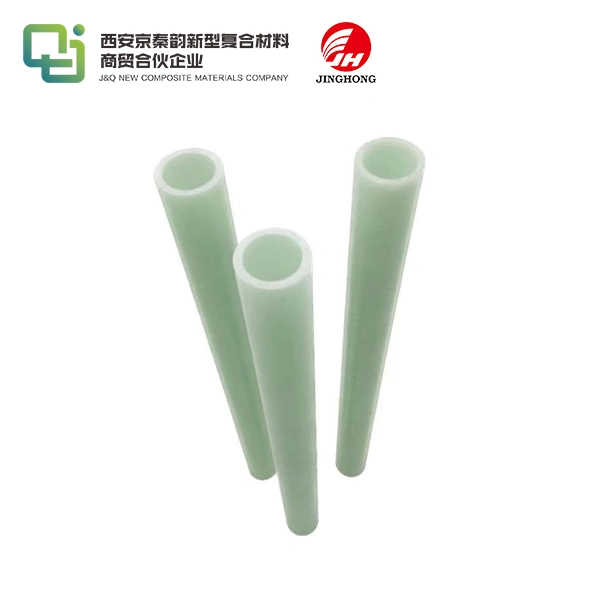
Phenolic Cotton Cloth Tube is a high-performance laminated composite made from cotton fabric impregnated with phenolic resin, offering a practical balance of mechanical toughness and electrical insulation. In custom fabrication, it supports components across electrical switchgear, transformer coil supports, hydraulic bushings, mechanical spacers, and bearing sleeves. Its ability to be machined to precise dimensions — with inner diameters from φ5mm to φ1500mm and wall thickness starting at 0.5mm — makes it a go-to material for engineers who need consistent, load-bearing insulation parts without the brittleness of ceramic or glass-based alternatives.
Understanding Phenolic Cotton Cloth Tubes and Their Core Properties
This stuff is made by twisting cotton fabric that has been soaked in phenolic resin under controlled heat and pressure until the resin hardens completely. The end result is a thick, stiff tube that doesn't bend or break when hit, soaks up oil to lubricate itself in bearing situations, and stays true to its dimensions over long production runs.
Mechanical Strength That Handles Real Loads
Because it is made of woven cotton, this laminate is more resistant to pressure than phenolic types made from paper or glass. In steel mills, naval stern tubes, and rock crushers, cotton-reinforced phenolic bushings keep from seizing up when there is a lot of load and low speed, which is when metal-on-metal contact would cause galling. Because of this, it is the best choice when toughness is more important than pure dielectric strength.
Electrical Insulation for Low-to-Medium Voltage Applications
The material is strong enough to be used as structural insulation in motor frames, switchgear linkages, and tap changers. It can work continuously in Class E (up to about 120°C), which means it can work with a lot of different low- to medium-voltage devices. Because cotton fibers are sensitive to moisture, glass-epoxy types like FR4 or G10 are better for main high-voltage insulation in damp places.
Customizable Dimensions for Precise Fabrication
Our tubes come with an inner diameter of φ5mm to φ1500mm, an outer diameter of up to φ2000mm, wall thicknesses starting at 0.5mm, and lengths up to 2 meters. The most common colors are black and brown. With these standards and quality controls that are ISO 9001-certified, engineering teams can choose parts that fit straight into assemblies without having to be reworked again.

Industrial Components That Commonly Benefit from Phenolic Cotton Cloth Tubes
In many fields, buying teams always choose cotton-phenolic laminates for parts that are stressed by both mechanical and electrical forces. The main parts where this material improves performance in a measurable way are listed below:
- Bearings and Bushings in Heavy Industry: The cotton weave of Phenolic Cotton Cloth Tube retains lubricating oil, creating a low-friction interface that prevents metal scoring in hydraulic cylinders, rolling mills, and mining equipment. This oil-retention property extends service intervals compared to solid polymer bushings.
- Structural Insulation in Transformers and Switchgear: Tap changer supports, coil spacers, and arc barriers require a material that withstands repeated mechanical shock from switching operations while maintaining moderate dielectric integrity. Cotton-phenolic tubes meet this dual demand better than fragile ceramic or mica parts.
- Mechanical Spacers and Guide Rings in Hydraulic Systems: Used as wear bands and guide rings, these tubes resist compression from hydraulic fluid pressure while being softer than steel, preventing piston scoring.
- Motor Brackets and Insulation Frames in Appliances: Home appliance manufacturers use phenolic cotton tubes in motor brackets and thermal separation frames where cost-effectiveness, machinability, and stable batch quality matter most.
These benefits directly meet the needs of procurement managers in supply chains for making electronics, distributing electricity, manufacturing machinery, and cars. Few materials are available at a price that makes them a good choice for parts that need to resist both load and electrical stress at the same time.
Phenolic Cotton Cloth Tube vs. Alternative Materials: Making the Right Choice
The working climate, voltage level, and manufacturing needs all affect the choice of insulation tube material. The table below shows how cotton-phenolic laminates stack up against common options.
Against Fiberglass Epoxy (FR4/G10)
FR4 is better for high-voltage main insulation because it has better dielectric strength and protection against moisture. But cotton-phenolic laminates are better than FR4 at being tough against impact and easy to machine for structural or bearing uses. They are also cheaper for big, thick-walled parts.
Against Phenolic Paper Tubes (Grade XX/XXX)
Paper-phenolic types have better electrical qualities when they are dry, but they break when they are hit. It is better for mechanical parts in switchgear and heavy machinery to use cotton-reinforced tubes because they can handle shock loads and vibrations better.
Against Mica-Based Insulation
For example, mica works great in high-frequency uses and at temperatures above 200°C. Cotton-phenolic tubes are more useful and easier to work with in fabrication shops for parts that need to work below 120°C, have good structural strength, and can be machined with a CNC.
How to Procure High-Quality Phenolic Cotton Cloth Tubes for Your Industry Needs?
Verification of the seller is the first step in good buying. Buyers should ask for ISO 9001 certificates, test reports for dielectric strength and flexural modulus, and proof that the materials meet ASTM, UL, or other standards. Besides certifications, three practical factors affect decisions about what to buy.
Minimum Order Quantities and Lead Times
OEM buying managers can lower their inventory risk by working with suppliers that offer both standard stock and special fabrication runs of Phenolic Cotton Cloth Tube. If you know the MOQ levels before you negotiate, you won't be surprised by the costs of small specialty orders.
Dimensional Tolerances and Batch Consistency
In the car and power industries, engineering teams set very tight limits for the inner diameter and wall thickness. Suppliers should give written data on tolerances that are in line with DIN 40607 or similar standards. Dimensions that aren't the same between batches lead to extra work that costs money and takes away any price advantage.
Logistics Capability and After-Sales Support
Lead time risk is lower for U.S. buyers who buy things from other countries when they deal with a seller that offers multi-modal logistics, which includes water, land, and air freight. Having direct access to a professional team to fix problems with machining or check the grades of materials adds value beyond the original transaction.
Leveraging Phenolic Cotton Cloth Tubes for Custom Fabrication Projects
Custom fabrication is where this material's flexibility becomes a competitive asset. Working directly with a manufacturer allows engineering teams to specify inner diameter, wall thickness, tube length, and resin content to match exact performance criteria.
Adjusting Material Grades for Application-Specific Performance
Grade C uses a heavy canvas weave that prioritizes impact strength for gears and bearings. Grade LE uses a fine linen weave that supports precision threading and better moisture resistance. Specifying the correct grade at the design stage avoids field failures.
Machining Guidelines for Clean, Accurate Parts
Carbide or diamond-tipped tooling at high cutting speeds with moderate feed rates produces clean edges without delamination. Clamping the tube with ID support during turning or milling is essential for thin-wall sections. These machining characteristics make the material accessible to most industrial CNC shops without specialized equipment.
Real-World Fabrication Outcomes
Transformer manufacturers report extended coil spacer service life after switching from paper-phenolic to cotton-phenolic tubes in oil-immersed environments, as the material does not contaminate transformer oil and wear life improves with oil absorption. Hydraulic cylinder rebuilders cite reduced cylinder wall scoring after replacing metal guide rings with cotton-phenolic wear bands.
Conclusion
Phenolic Cotton Cloth Tube phenolic cotton cloth laminated tubes fill an important gap in the production of industrial parts by combining toughness, oil retention, and some electrical insulation in a single material that can be machined. As far as the electrical, power, machinery, automobile, and gadget industries go, they work best in bearings, bushings, structural insulation supports, hydraulic wear parts, and motor component frames. When choosing materials for custom manufacturing, it's best to match the cotton-phenolic grade and size to the conditions of use. This will ensure long service life and a lower total cost of ownership.
FAQ
What is the maximum continuous operating temperature for these tubes?
Cotton-phenolic laminate tubes can work continuously at Class E temperatures, which are around 115°C to 120°C. Long-term exposure above this range turns the cotton fibers into carbon, which makes them brittle and breaks them mechanically.
Can phenolic cotton laminate tubes be used in oil-immersed environments?
Yes. The material works well in uses that use generator oil and bearing oil. The threads of cotton soak up oil, which makes the fabric last longer and lubricates itself. The substance doesn't mix with or pollute the oil.
How do I prevent delamination during machining?
When cutting, use tools with carbide or diamond tips that cut quickly and feed slowly. When clamping thin-wall pieces, you should always support the inner thickness. When you use sharp tools, you don't tear fibers, which is what usually leads to delamination.
Is customized sizing available?
Yes, we can make tubes with inner diameters from φ5mm to φ1500mm, outer diameters up to φ2000mm, wall thickness starting at 0.5mm, and lengths of up to 2 meters as part of our OEM service.
Request a Custom Quote from J&Q — Trusted Phenolic Cotton Cloth Tube Manufacturer
J&Q has been making soundproofing materials for more than 20 years and has been trading internationally for more than 10 years. We can handle ocean, land, and air freight in-house, which gives U.S. buying teams a solid, all-in-one supply chain for their Phenolic Cotton Cloth Tube supplier needs. You can email our technical team at info@jhd-material.com or go to jhd-material.com to get specifications, samples, or a quote for custom fabrication that fits your needs.
References
1. Harper, C. A. Handbook of Plastics Technologies. McGraw-Hill, 2006.
2. NEMA Standards Publication LI 1. Industrial Laminating Thermosetting Products. National Electrical Manufacturers Association, 2020.
3. ASTM International. ASTM D709: Standard Specification for Laminated Thermosetting Materials. ASTM International, 2021.
4. IEC 60893. Specification for Industrial Rigid Laminated Sheets Based on Thermosetting Resins for Electrical Purposes. International Electrotechnical Commission, 2019.
5. Brydson, J. A. Plastics Materials, 7th ed. Butterworth-Heinemann, 1999.
6. Strong, A. B. Plastics: Materials and Processing, 3rd ed. Pearson Prentice Hall, 2006.