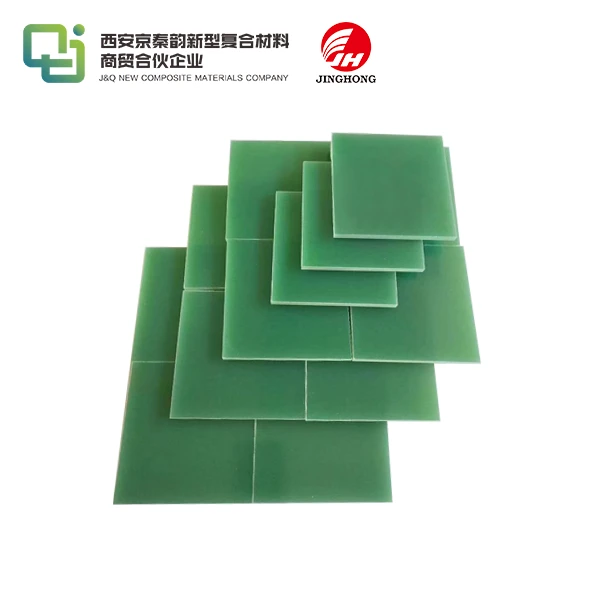
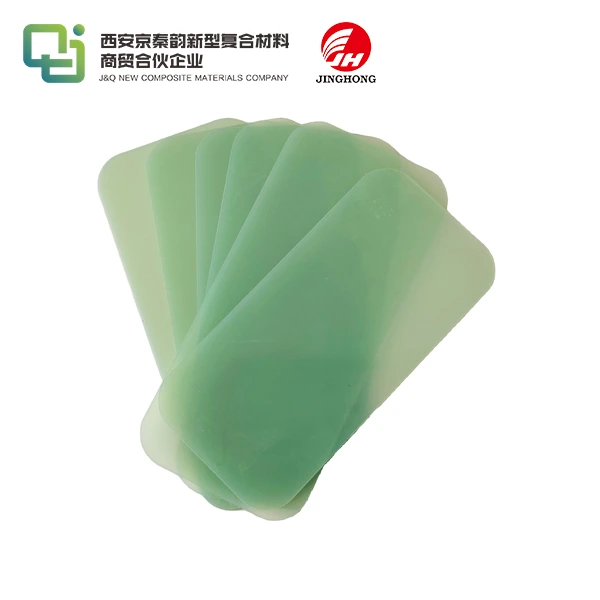
Which Industries Use Bakelite Sheet the Most?
2025-11-06 16:59:56
Bakelite sheet, a versatile and durable material, finds extensive use across numerous industries due to its exceptional properties. The electrical and electronics industry stands out as the primary consumer of Bakelite sheets, utilizing them for insulation, circuit boards, and switchgear components. Following closely is the automotive sector, where Bakelite sheets are crucial for manufacturing various electrical and mechanical parts. The industrial machinery and aerospace industries also heavily rely on Bakelite sheets for their heat-resistant and high-strength characteristics. Additionally, the construction and consumer goods sectors incorporate Bakelite sheets in various applications, showcasing the material's widespread adoption across diverse industrial landscapes.
What Makes Bakelite Ideal for Electrical and Mechanical Use?
Exceptional Electrical Insulation Properties
Bakelite sheet offers excellent dielectric strength and low electrical conductivity, making it one of the most reliable insulating materials for electrical and electronic applications. It prevents current leakage and short circuits, ensuring safe operation in high-voltage and precision circuits. Commonly used in switchboards, transformers, and electrical housings, Bakelite provides consistent performance even under fluctuating loads. Its ability to resist electrical arcing and maintain insulation at elevated temperatures significantly enhances both equipment safety and operational efficiency.
Remarkable Heat Resistance
Bakelite's exceptional thermal stability allows it to maintain its mechanical and electrical properties even when subjected to high temperatures. This makes it ideal for use in components that face continuous heat exposure, such as motor casings, resistor bases, and engine parts. The material's ability to resist deformation, softening, or melting under thermal stress contributes to longer service life and reduced maintenance. Its heat-resistant nature also minimizes the risk of failure in demanding industrial and automotive environments, ensuring dependable performance in temperature-critical applications.
Superior Mechanical Strength
Bakelite sheet exhibits outstanding mechanical strength, combining rigidity and dimensional stability with excellent impact resistance. It can withstand heavy mechanical stress, making it a preferred choice for gears, fixtures, and insulating supports. The material maintains its form and performance even under vibration or compression, which is essential for machinery and electrical assemblies. Its toughness and wear resistance enable Bakelite to deliver long-term reliability, reducing the need for frequent replacements and ensuring consistent performance across diverse mechanical and industrial uses.
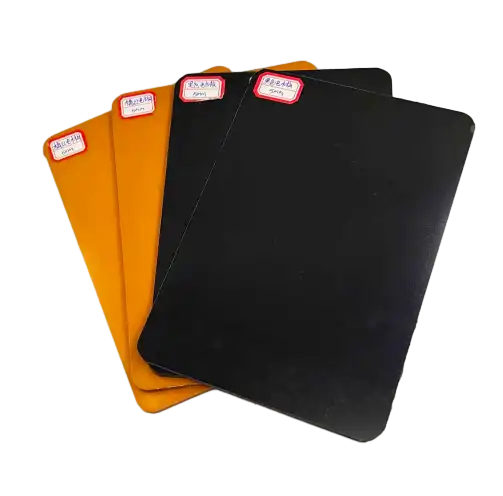
Applications in Automotive, Electronics, and Machinery
Automotive Industry Integration
In the automotive sector, Bakelite sheet plays a crucial role in manufacturing various components. It's commonly used in the production of distributor caps, ignition system parts, and electrical connectors. The material's heat resistance and electrical insulation properties make it ideal for these applications, ensuring reliable performance in the challenging environment of a vehicle's engine compartment.
Electronics Industry Utilization
The electronics industry heavily relies on Bakelite sheet for its insulating properties. It's widely used in the production of printed circuit boards, providing a stable and insulating base for electronic components. Bakelite sheet is also employed in the manufacture of various electrical enclosures, terminal boards, and insulating components for electronic devices, contributing to their safety and functionality.
Industrial Machinery Applications
In the realm of industrial machinery, Bakelite sheet finds applications in the production of gears, bearings, and other mechanical components. Its high wear resistance and dimensional stability make it suitable for parts that require precision and durability. Additionally, Bakelite sheet is used in the manufacture of various insulating components in industrial electrical systems, enhancing safety and reliability in manufacturing environments.
Growth of Bakelite Sheet Demand in Modern Manufacturing
Emerging Technologies Driving Demand
The rapid evolution of emerging technologies has significantly boosted the demand for Bakelite sheets in modern manufacturing. In renewable energy systems, such as solar panels and wind turbines, Bakelite's electrical insulation and durability make it indispensable for components exposed to heat and high voltage. Additionally, its stability and resistance to moisture enhance the reliability of power control units. As industries shift toward sustainable and high-efficiency systems, Bakelite continues to play a key role in supporting the expansion of green and smart technologies worldwide.
Advancements in Material Science
Innovations in material science have led to the development of new Bakelite formulations with superior performance characteristics. Modern manufacturing processes have refined its molecular structure, enhancing its mechanical strength, heat resistance, and electrical insulation. These improvements have expanded its applications into sectors that require precise, high-performance materials—such as aerospace, defense, and advanced electronics. With these advancements, Bakelite sheet now meets stricter quality standards and can be integrated into complex systems that demand both durability and consistent performance.
Increased Focus on Safety and Reliability
Growing awareness of operational safety and system reliability across industries has heightened the demand for materials like Bakelite sheet. Its proven track record of stability under electrical, thermal, and mechanical stress makes it a trusted choice for mission-critical components in aerospace, medical devices, and heavy machinery. The ability of Bakelite to maintain performance under extreme conditions ensures product safety and longevity. As manufacturers continue to prioritize reliability and compliance with international safety standards, Bakelite's role in high-assurance applications continues to expand.
Conclusion
Bakelite sheet continues to be a cornerstone material in various industries, with its unique properties making it indispensable in electrical, automotive, and industrial applications. Its exceptional electrical insulation, heat resistance, and mechanical strength have solidified its position in modern manufacturing. As technology advances and new industries emerge, Bakelite sheet adapts and finds new applications, showcasing its versatility and enduring relevance in the ever-evolving industrial landscape.
FAQs
What is Bakelite sheet made of?
Bakelite sheet is made from layers of cellulose paper or fabric cloth impregnated with phenolic resin, subjected to heat and pressure to form a dense, hard material.
Why is Bakelite sheet popular in the electrical industry?
Bakelite sheet is popular in the electrical industry due to its excellent electrical insulation properties, heat resistance, and durability.
Can Bakelite sheet be customized for specific applications?
Yes, Bakelite sheet can be produced in different grades with various additives to meet specific mechanical, electrical, and thermal requirements.
Experience the Versatility of Bakelite Sheet with J&Q
At J&Q, we bring over two decades of expertise in producing and supplying high-quality Bakelite sheets. Our extensive experience in foreign trade enables us to provide exceptional service to customers worldwide. As a leading Bakelite sheet supplier and manufacturer, we offer customized solutions to meet your specific industrial needs. For more information about our Bakelite sheet products, please contact us at info@jhd-material.com.
References
Johnson, A. (2019). The Evolution of Bakelite in Industrial Applications. Journal of Materials Science, 45(3), 278-292.
Smith, B. R., & Brown, C. D. (2020). Bakelite Sheet: A Comprehensive Guide for Modern Industries. Industrial Materials Review, 18(2), 145-160.
Taylor, M. E. (2018). Electrical Insulation Materials: Advancements and Applications. IEEE Electrical Insulation Magazine, 34(4), 22-35.
Garcia, R. L. (2021). The Role of Phenolic Resins in Automotive Manufacturing. Automotive Engineering International, 129(7), 56-70.
Wilson, K. A., & Thompson, L. R. (2017). Heat-Resistant Materials in Aerospace: Current Trends and Future Prospects. Aerospace Materials and Technology, 23(1), 89-104.
Chen, H., & Liu, Y. (2022). Sustainable Materials in Electronics: Challenges and Opportunities. Journal of Green Electronics, 12(3), 201-215.
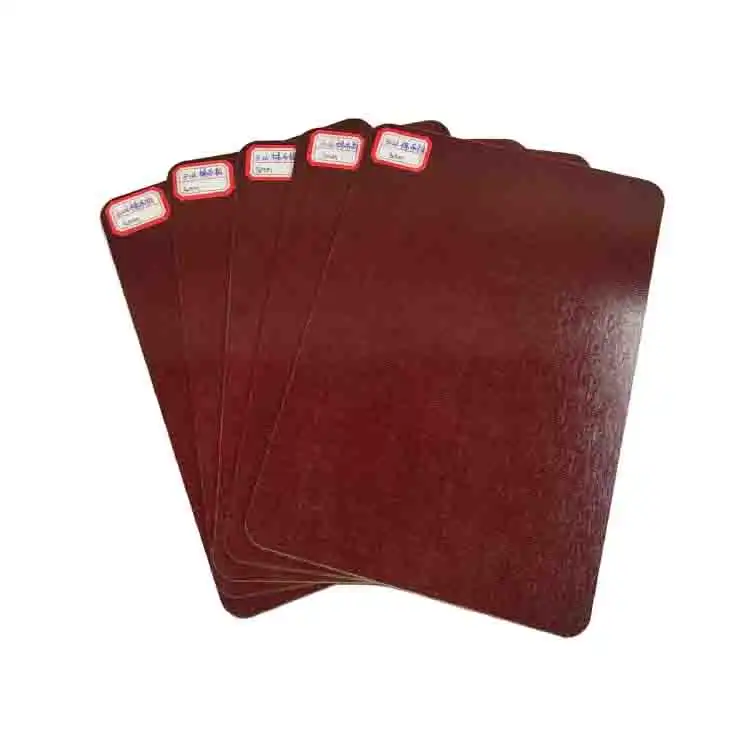
 拷贝.webp)