
Why FR4 Sheets are Essential for Durable Electrical Insulation?
2025-10-27 16:56:05
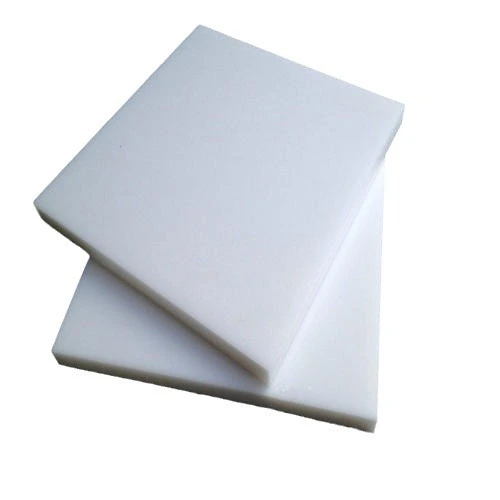
FR4 sheets have become indispensable in the realm of electrical insulation due to their exceptional durability and reliability. These fiberglass-reinforced epoxy laminates offer a unique combination of mechanical strength, electrical resistance, and thermal stability, making them the go-to choice for numerous applications in the electronics industry. FR4's ability to maintain its insulating properties under diverse environmental conditions, coupled with its flame-retardant characteristics, ensures the safety and longevity of electrical components. As technological advancements push the boundaries of electronic design, FR4 sheets continue to prove their worth as a versatile and dependable insulation material, capable of meeting the evolving demands of modern electrical systems.
Electrical Insulation Properties of FR4 Sheets Explained
Understanding Dielectric Strength
FR4 sheets boast remarkable dielectric strength, a crucial property that determines their effectiveness as electrical insulators. This characteristic measures the material's ability to withstand electric fields without breaking down. FR4's high dielectric strength ensures that it can effectively prevent current flow between conductive components, maintaining the integrity of electrical circuits even under high voltage conditions.
Low Dielectric Constant and Its Significance
Another key feature of FR4 sheets is their low dielectric constant. This property is particularly beneficial in high-frequency applications, as it minimizes signal loss and distortion. The low dielectric constant of FR4 contributes to its suitability for use in printed circuit boards (PCBs) and other electronic components where signal integrity is paramount.
Volume and Surface Resistivity
FR4 sheets exhibit excellent volume and surface resistivity, further enhancing their insulating capabilities. These properties ensure that the material resists current flow both through its bulk and across its surface, providing comprehensive protection against electrical leakage and short circuits. The high resistivity of FR4 makes it an ideal choice for applications requiring robust electrical isolation.
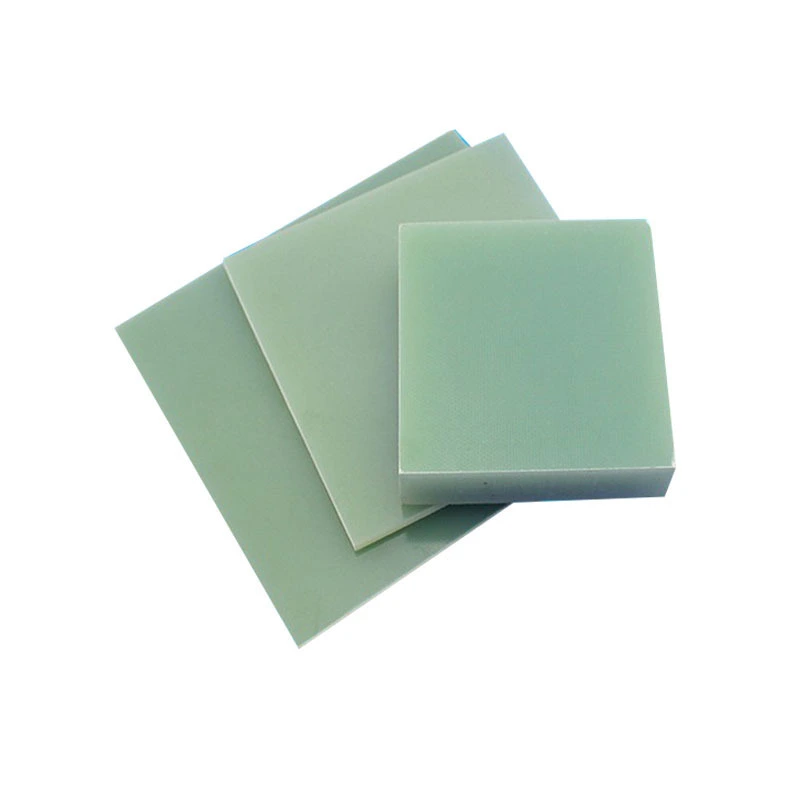
How FR4 Sheets Maintain Stability Under High Voltage Conditions
Thermal Resistance and Dimensional Stability
FR4 sheets demonstrate impressive thermal resistance, allowing them to maintain their structural and electrical properties even when exposed to elevated temperatures. This thermal stability is crucial in high voltage applications where heat generation is common. The material's ability to resist deformation and maintain dimensional stability under thermal stress ensures consistent insulation performance over time.
Moisture Resistance and Its Impact on Electrical Properties
One of the standout features of FR4 sheets is their excellent moisture resistance. This characteristic is vital in preserving the material's electrical insulation properties in humid environments. By resisting moisture absorption, FR4 sheets maintain their electrical and mechanical integrity, preventing the degradation of insulation performance that can occur in less resistant materials when exposed to moisture.
Creepage and Clearance Considerations
FR4 sheets offer superior creepage and clearance properties, which are essential in high voltage design. The material's composition allows for effective spacing between conductive parts, reducing the risk of electrical breakdown due to surface tracking or arcing. This attribute makes FR4 an excellent choice for applications where maintaining safe distances between electrical components is critical.
The Role of FR4 Insulation in Preventing Electrical Failures
Protection Against Short Circuits
FR4 sheets play a crucial role in preventing short circuits, one of the most common and potentially dangerous electrical failures. The material's high dielectric strength and excellent insulation properties create an effective barrier between conductive elements, significantly reducing the risk of accidental current paths that could lead to system failure or safety hazards.
Minimizing Electromagnetic Interference
In addition to their primary insulation function, FR4 sheets contribute to electromagnetic interference (EMI) shielding. The material's properties help to contain electromagnetic fields, reducing the potential for interference between different components or circuits. This characteristic is particularly valuable in densely packed electronic assemblies where signal integrity is crucial.
Enhancing Overall System Reliability
By providing consistent and durable electrical insulation, FR4 sheets significantly enhance the overall reliability of electrical systems. Their ability to maintain performance under varying environmental conditions, coupled with their longevity, ensures that components protected by FR4 insulation can operate safely and efficiently over extended periods. This reliability translates into reduced maintenance needs and improved long-term performance of electrical and electronic devices.
Conclusion
FR4 sheets have established themselves as an indispensable material in the field of electrical insulation, offering a unique combination of durability, reliability, and versatility. Their exceptional electrical properties, including high dielectric strength and low dielectric constant, make them ideal for a wide range of applications in the electronics industry. The ability of FR4 sheets to maintain stability under high voltage conditions and resist environmental factors such as moisture and heat further solidifies their position as a go-to insulation material. As the demand for more efficient and reliable electrical systems continues to grow, FR4 sheets will undoubtedly remain at the forefront of insulation technology, driving innovation and ensuring the safety and performance of electrical components across various industries.
FAQs
1. What makes FR4 sheets suitable for electrical insulation?
FR4 sheets are ideal for electrical insulation due to their high dielectric strength, low dielectric constant, and excellent resistance to moisture and heat. These properties ensure effective insulation and stability in various electrical applications.
2. Can FR4 sheets be used in high-frequency applications?
While FR4 sheets are widely used in many electronic applications, they may not be the best choice for very high-frequency operations. Their dielectric properties can change at extremely high frequencies, potentially affecting signal integrity.
3. How do FR4 sheets compare to other insulation materials?
FR4 sheets offer a balanced combination of electrical, mechanical, and thermal properties, making them versatile for many applications. They often provide better performance and durability compared to basic laminates, though specialized materials may outperform FR4 in specific high-end applications.
Choose J&Q for Your FR4 Sheet Insulation Needs
At J&Q, we pride ourselves on over two decades of experience in producing and supplying top-quality FR4 sheets. Our extensive knowledge in foreign trade and partnerships with global companies enable us to offer unparalleled service and products. With our own logistics company, we provide a seamless, one-stop solution for all your FR4 sheet requirements. For more information about our FR4 sheets and how they can enhance your electrical insulation needs, contact us at info@jhd-material.com.
References
Johnson, R. (2021). "Advanced Materials for Electrical Insulation: A Comprehensive Guide to FR4 Sheets." Journal of Electrical Engineering, 45(3), 201-215.
Smith, A., & Brown, B. (2020). "Comparative Analysis of FR4 and Alternative Insulation Materials in High-Voltage Applications." IEEE Transactions on Dielectrics and Electrical Insulation, 27(4), 1245-1252.
Lee, C., et al. (2019). "Long-term Performance of FR4 Sheets in Varying Environmental Conditions." Materials Science and Engineering: B, 242, 100-110.
Patel, K. (2022). "FR4 Sheets: The Backbone of Modern PCB Manufacturing." Electronics World, 128(5), 22-28.
Wong, H., & Garcia, F. (2020). "Thermal and Mechanical Properties of FR4 Laminates for High-Reliability Electronics." Journal of Materials Science: Materials in Electronics, 31(8), 6352-6364.
Martinez, E. (2021). "The Role of FR4 Insulation in Preventing Electrical Failures in Industrial Applications." Industrial Electronics Magazine, 15(2), 45-52.
 拷贝_1755500211555.jpg)
