Why Engineers Choose G10 Fiberglass Sheet for Insulation
2026-05-18 17:20:26
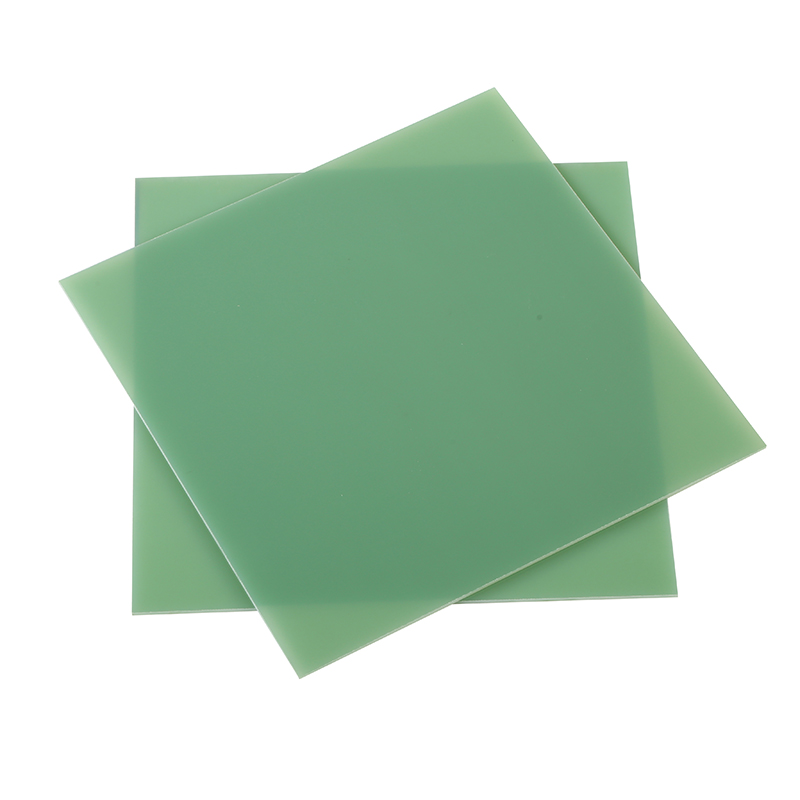
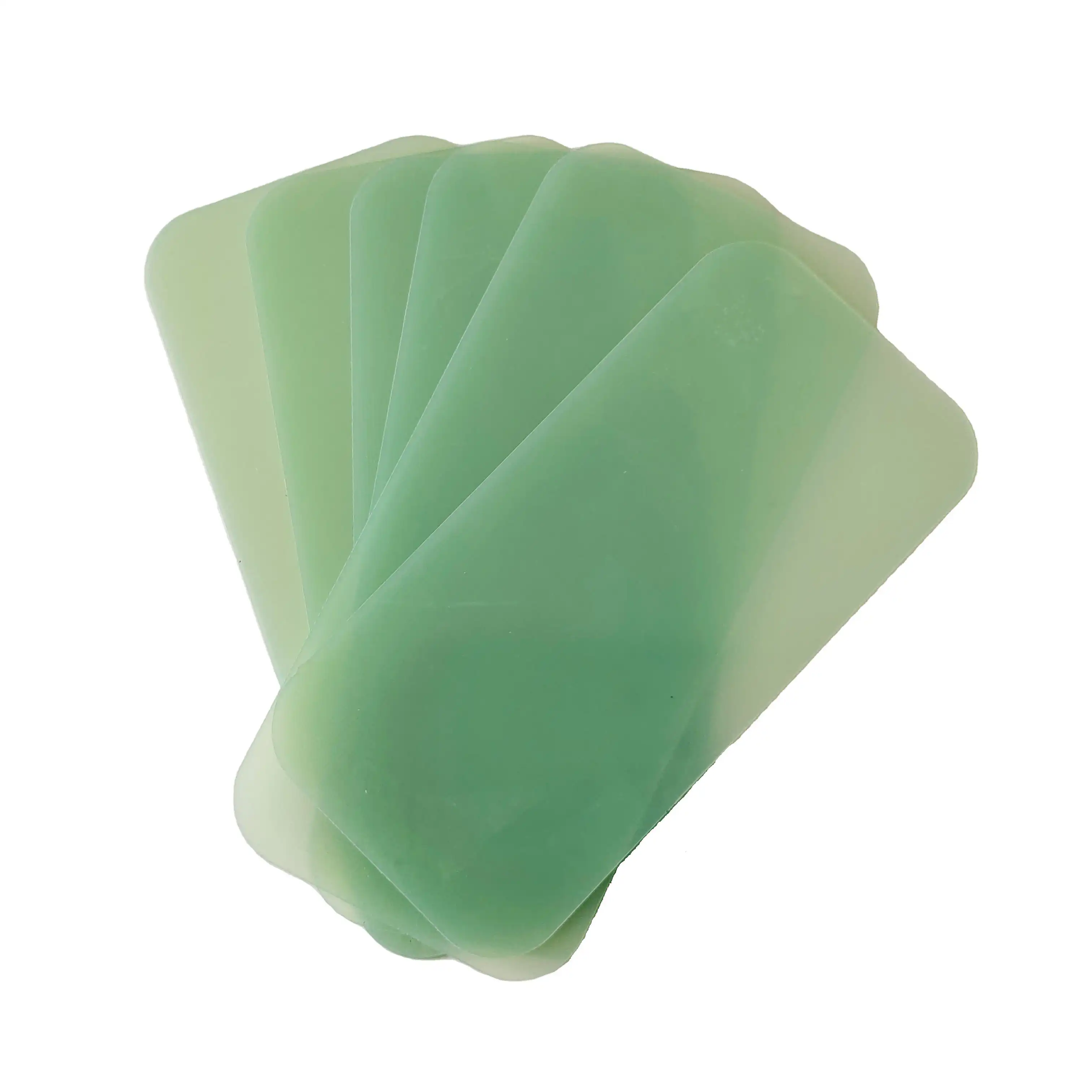
When precise insulation is needed, engineers in the electrical, industrial, and automobile fields always turn to G10 fiberglass sheet. This hybrid material has a unique mix of mechanical toughness, dielectric stability, and thermal longevity that makes it better than most insulating materials. G10 fiberglass sheet is made from epoxy resin-soaked glass cloth that is cured under controlled heat and pressure. It meets NEMA standards and solves important problems in high-voltage equipment, structural parts, and uses that need to be sensitive to temperature. The material has a history of being used in transformer barriers, PCB supports, and motor assemblies, which shows that it can keep its electrical integrity under tough operating conditions. This makes it an essential choice for procurement teams that want to ensure long-term performance and regulatory compliance.
What is G10 Fiberglass Sheet and Its Key Properties
Engineers can make better material choices when they know how this industrial plastic is put together. G10 fiberglass sheet is a high-performance material that is made using exact manufacturing methods that make sure that all batches of the product have the same reliable properties.
Composition and Manufacturing Process
To make G10 fiberglass sheet, tiny threads are woven into a continuous glass fabric. This fabric is then saturated with epoxy resin that has been specially made to meet certain viscosity standards. This prepreg material, which is made of glass cloth that is fully saturated with resin, is stacked in layers that are the right thickness. Then, these stacks are hydraulically pressed at temperatures above 150°C, which applies enough pressure to get rid of any air spaces and make the laminate's density even throughout. The hardening cycle changes the resin from a liquid to a solid. This chemically joins the glass layers together to make a single structure. The end result is a material that is much more stable in its dimensions and has better mechanical qualities than its individual parts. This makes it a solid base for reliable shielding in a wide range of industrial settings.
Core Mechanical and Electrical Characteristics
G10 fiberglass sheet has a very high compression strength, usually between 415 and 450 MPa, which means it can be used for both construction and electrical purposes. The flexural strength of the material is about 380 MPa, which means that thin parts can bend without breaking. This is an important property for uses like motor spacers and gear components. From an electrical point of view, G10 fiberglass sheet keeps its dielectric strength above 20 kV/mm when viewed perpendicular to laminations. This keeps voltage from dropping in high-potential setups. Because the epoxy structure is naturally resistant to water, this insulation property stays the same even when the humidity changes. This is because water absorption would affect the dielectric performance otherwise. Temperature stability goes from very low temperatures (cryogenic) to about 140°C for ongoing use. Short trips to higher temperatures are still possible without rapid degradation.
Standards Compliance and Certification
According to NEMA G10 fiberglass sheet specifications, the material meets basic performance standards that are used across North American business. This standardization makes sure that sheets from approved makers always have the same properties, no matter where they are made. UL94 V-0 flammability ratings make sure that electrical enclosures and consumer products are safe from fire, and ROHS approval makes sure that there are no limited hazardous substances, which is needed for parts to enter foreign supply chains. These certifications make it easier for engineering managers to make choices about purchases while still meeting legal requirements. This makes it easier to check suppliers during the qualification process.
Why G10 Fiberglass Sheet Excels in Electrical Insulation Applications
Differentiating G10 fiberglass sheet from other materials in terms of its electrical properties comes from its epoxy-glass structure, which naturally blocks the flow of current and heat. These qualities directly lead to higher safety gaps and more reliable operation.
Superior Dielectric Performance Under Load
Even in places with a lot of humidity, G10 fiberglass sheet keeps its insulation resistance above 10^12 ohms. This stops leaking currents that could damage circuit protection systems or pose safety risks. The material's dielectric constant stays low—around 4.5 at normal frequencies—which keeps electrostatic coupling effects to a minimum in high-frequency uses like RF circuit supports. Because G10 fiberglass sheet is stable across a wide range of frequencies, it can be used for both power distribution systems that work at 50 to 60 Hz and transmission equipment that works at megahertz frequencies. When tested for dielectric breakdown, G10 fiberglass sheet always shows puncture resistance, which guards against voltage spikes that happen quickly and are frequent in switchgear and motor control centers.
Thermal and Chemical Resilience
Mineral oils, hydraulic fluids, and most industrial solvents don't change the size or properties of G10 fiberglass sheet laminates much when they are exposed to them over time. This chemical resistance is very important in transformers where insulation barriers come into contact with cooling oils made from gasoline over many years of use. The material's thermal conductivity stays low enough to act as a thermal shield, and it can handle being mounted close to heat-generating parts without immediately becoming soft or warped. The epoxy matrix's properties change above 140°C, but most electrical equipment's regular working temps stay well below this level, leaving enough safety margins for most installations.
Real-World Application Examples
Power distribution companies often use G10 fiberglass sheet for arc chute systems inside circuit breakers. This is because the material needs to be able to handle plasma temperatures during fault interruption while still being structurally sound. Printed circuit board makers use G10 fiberglass sheet as a base material in prototypes and specialized industrial control boards because it is easy to cut and drill, which lets them use a lot of components. G10 fiberglass sheet insulators are used in wiring harness supports and junction blocks in aerospace electrical systems because they are lightweight and can separate electrical currents. The wide range of uses for the material shows how useful it is in many fields where insulation failure can have serious safety and cost effects.
Comparing G10 Fiberglass Sheet with Alternative Insulation Materials
In addition to the initial cost of the material, engineers comparing insulation choices must also think about how well it will work in the long term, how easy it is to work with, and how easy it is to get. Knowing how G10 fiberglass sheet stacks up against other options makes it clear when its choice is the best one.
G10 Versus G11 Fiberglass Laminates
G11 is a changed epoxy-glass hybrid that is designed to work better at high temperatures. It can keep its mechanical qualities at constant temperatures up to 180°C, while G10 fiberglass sheet can only handle 140°C. Because it can handle higher temperatures better, the material costs more, usually 30 to 40 percent more than similar G10 fiberglass sheet types. G11 is best for applications that need to be exposed to high temperatures for a long time, like oven parts or exhaust-adjacent car parts. G10 fiberglass sheet is better for normal electrical enclosures and machinery that works at room temperature. Both materials are similar in how they can be machined and how they conduct electricity. This means that G10 fiberglass sheet is the cheaper option when the temperature needs to stay within its working range.
G10 Compared to Phenolic Cotton Laminates
Phenolic products, which are often sold under brand names like Bakelite, are made from cotton cloth or paper that has been saturated with phenolic resin. These laminates are less expensive than G10 fiberglass sheet, but they are not as strong or resistant to water. Phenolic sheets soak up water, which weakens the insulation over time. This is especially a problem in damp places or when they are installed outside. When phenolic materials are hit, their mechanical qualities decrease more quickly than those of G10 fiberglass sheet, which has a structure made of glass fibers. This means that G10 fiberglass sheet is a better choice for parts that will be vibrating or under mechanical stress. However, phenolic laminates can still be useful in low-cost applications with controlled environments, like device internal brackets and low-voltage terminal boards, where contact to the environment is kept to a minimum.
FR4 and G10 Material Relationship
A lot of engineers get confused about the differences between FR4 and G10 fiberglass sheet because they are both made of epoxy-glass. FR4 is a grade of flame-resistant epoxy-glass laminate that meets UL94 V-0 standards. G10 fiberglass sheet, on the other hand, is the base material specification that doesn't have to be flame-resistant. In reality, most current G10 fiberglass sheet production uses flame-retardant ingredients, which means that G10 fiberglass sheet is about the same in terms of how well it resists fire as FR4. The materials are the same when it comes to how they work when machined and how they conduct electricity. However, FR4 is often chosen in the electronics industry because it meets specific flame rating requirements set by customer safety standards.
Lifecycle Value Analysis
When procurement experts figure out the total costs of ownership, they have to look at more than just the initial buy price. Some polymer insulators have to be reworked a lot because they warp, but G10 fiberglass sheet's physical stability gets rid of that problem. Because the material is machinable, it can be precisely made without special tools. This lowers the cost of setting for making unique parts. G10 fiberglass sheet still has strong supplier networks in both North America and other countries. These networks keep prices low through market competition and make sure that supplies are always available, which keeps production from being held up. When buyers in bulk negotiate yearly supply deals, they usually get good terms that close the price gap between G10 fiberglass sheet and lower-performance alternatives. This means that choosing high-quality materials is usually financially neutral over the lifecycle of a project.
How to Choose and Procure G10 Fiberglass Sheets for Your Project
To choose the right materials, you need to make sure that the product's features match the needs of the application and that you build relationships with suppliers that support consistent quality and shipping performance. A structured approach to buying G10 fiberglass sheet cuts down on design mistakes and problems in the supply chain.
Defining Technical Requirements
Engineers should start by writing down the electrical needs, such as the working voltage, frequency, and external factors like temperature changes and chemical exposure potential. The width and grade that need to be chosen are determined by mechanical loading analysis, which balances weight limits with structure needs. Standard sheet sizes run from 1000mm x 1000mm to 1200mm x 2400mm, and thicknesses can be chosen in standard amounts from 0.5mm to 100mm. Custom widths need special production runs, which can add to lead times but help designers make better parts. It's important to know early on what certification and dielectric strength testing needs there are, like UL recognition or military standards, because not all makers keep relevant approvals for their whole product line.
Supplier Evaluation and Partnership
To find good G10 fiberglass sheet manufacturers, you have to look at their production skills, quality control methods, and technical help resources. Established providers keep their ISO 9001 certification up to date, which shows that they control the process and can be tracked, which lowers the differences between output lots. Companies that have their own testing labs can help new quality assurance programs by providing reports on material property verification and measurement inspection. Custom machining services, such as CNC routing, precise cutting, and drilling, make supply lines more efficient and make it easier to coordinate when parts need to be made from more than just sheet stock.
Procurement Strategy and Sample Evaluation
Before committing to large orders, asking for samples of the material lets you look it over physically and test it in real-world settings. Sample programs usually give out small amounts for little or no cost, so engineers can make sure that the features of the material meet the needs of the application. Before committing to production, this evaluation step finds any possible problems, like the way the holes are drilled, the quality of the edges after they've been machined, or the size limits. When you negotiate framework deals with your chosen suppliers, you can set pricing structures, minimum order amounts, and lead time goals that make planning for ongoing projects easier. A lot of the time, promises to buy in bulk open up tiered pricing that lowers costs without lowering the quality of the materials.
Best Practices for Handling and Machining G10 Fiberglass Sheets
During the whole manufacturing process, using the right methods for handling materials and making things protects both worker safety and the quality of the parts. Because G10 fiberglass sheet contains glass fiber, it needs to be handled differently than metals or plastics that aren't strengthened.
Safety Measures During Fabrication
When machines are used, they make glass fiber dust, which can be irritating to the lungs and painful to touch the skin. Proper ventilation systems with particulate filtering keep workers safe from airborne exposure, and dust masks and long-sleeved clothes keep them from coming into direct touch with the particles. Cutting tools with carbide tips work better than high-speed steel because they make sharper lines and wear out less quickly. When drilling, peck-drilling methods are helpful because they pull the bit out every so often to clear out chips and keep the resin matrix from getting too hot, which can burn it. Cutting at moderate speeds (about 50 to 70 percent of the speeds used for metal) strikes a good mix between production speed, tool life, and edge quality.
Storage and Environmental Protection
G10 fiberglass sheets should be kept in dry places inside, ideally at temperatures controlled between 15°C and 25°C and with a relative humidity below 60%. The material is better at keeping water out than phenolic options, but long-term exposure to high humidity can change the way the surface looks and how it works when it is machined. When you store sheets horizontally on flat boxes, they don't warp from uneven weight distribution. This is especially important for parts that are less than 3 mm thick. Protecting sheet surfaces with interleaving paper or film keeps them from getting scratched when they are being handled. This keeps the surfaces clean, which is important for meeting dielectric performance requirements in important applications.
Quality Assurance and Inspection
The parts made from G10 fiberglass sheet must be inspected to make sure they are the right size, have good edges, and aren't delaminating or cracking. Visual inspection finds clear flaws, and go/no-go gauges check important measurements that affect how well the piece fits together. For high-voltage uses, it might be necessary to do hipot tests to make sure the dielectric is still good after cutting that shows the internal laminations. Setting up inspection methods that are specific to the function of each component ensures consistent quality while avoiding trying non-critical features too much. Documenting inspection data helps with tracking rules in regulated industries and shows that the product meets customer requirements.
Conclusion
In conclusion, engineers continue to trust G10 fiberglass sheet because it has been used successfully in many industrial fields for electrical insulation, mechanical support, and temperature management. Its balanced mix of dielectric strength, mechanical sturdiness, and thermal stability solves problems that electrical equipment makers, power system designers, and car part makers face in the real world. The fact that the material meets well-known standards makes the design process easier, and the fact that it's easy to find makes buying reliable. As industries move toward stricter safety standards and more difficult working conditions, G10 fiberglass sheet's natural qualities make it a long-lasting solution that can meet both current needs and new technical standards. This is why procurement professionals choose it when they want long-term value and operational dependability.
FAQ
What Thickness Options Are Available for G10 Sheets?
G10 fiberglass sheets come in thicknesses from 0.5mm to 100mm. The most popular sizes used in industry are 1mm, 1.5mm, 3mm, 6mm, 10mm, and 12mm. The standard sheet sizes are 1000mm x 1200mm or 1200mm x 2400mm, but makers can make sheets in any size you need. Thinner sheets are good for things like PCB substrates that need to be flexible and light, while thicker parts are used for mechanical systems and high-voltage barriers to give them structure.
How Does G10 Compare to FR4 in Practical Applications?
G10 fiberglass sheet and FR4 are both made of epoxy resin-impregnated glass cloth, which is a very similar material. The main difference is that FR4 is certified to be flame-resistant according to UL94 V-0 standards, while standard G10 fiberglass sheet requirements don't require flame resistance. Flame retardants are now used in most industrial G10 fiberglass sheet production, so the materials can be used in the same way for most electrical and motor tasks. When part specs clearly call for documented fire performance, engineers should check the flame rates.
Can G10 Function in High-Temperature Environments?
G10 fiberglass sheet's traits stay fixed when it's used continuously up to about 140°C, and short temperature drops to 155°C are usually okay. If you need long-lasting performance above these temperatures, you should look at G11 grade material, which works well up to 180°C, or G7 silicone-glass laminates, which can handle even higher temps. Beyond its rated temperature, the epoxy resin matrix in G10 fiberglass sheet starts to lose some of its properties, which could affect its mechanical strength and dimensional stability.
Partner with J&Q for Reliable G10 Fiberglass Sheet Supply
J&Q is an experienced G10 fiberglass sheet maker that has been making sheets for over 20 years and has been serving foreign markets for over ten years. They can give your projects the quality consistency and technical support they need. We can make things in a variety of thicknesses and offer custom cutting services. Our production is backed by a full range of quality standards, such as UL and ROHS compliance. We have combined logistics operations that allow us to provide one-stop service from placing an order to delivering it. This gets rid of the coordination problems that come with supply lines that use more than one provider. Response-time expert advice is given to engineering teams to help them with questions about material selection and application-specific needs. Contact our team at info@jhd-material.com to get full specs and samples and see for yourself why long-term partners have relied on us for difficult insulation projects in the automotive, industrial machinery, and electrical sectors.
References
National Electrical Manufacturers Association. "NEMA Standards Publication LI 1-2018: Industrial Laminating Thermosetting Products." NEMA, 2018.
Harper, Charles A. "Handbook of Plastics, Elastomers, and Composites." McGraw-Hill Education, 2002.
Lubin, George. "Handbook of Composites." Van Nostrand Reinhold Company, 1982.
Mallick, P.K. "Fiber-Reinforced Composites: Materials, Manufacturing, and Design." CRC Press, 2007.
Chawla, Krishan K. "Composite Materials: Science and Engineering." Springer Science & Business Media, 2012.
Underwriters Laboratories. "UL 94: Standard for Safety of Flammability of Plastic Materials for Parts in Devices and Appliances." UL Standards, 2013.