Heat Resistant Phenolic Paper Board Explained
2026-05-18 17:14:20
When engineering managers and buying teams are under a lot of pressure to find materials that keep the same level of heat performance without sacrificing electrical insulation, phenolic paper board stands out as the best option. By covering layers of kraft paper with a thermosetting phenolic glue, this composite laminate strikes the perfect balance between low cost and high stability. Over twenty years of manufacturing experience has taught us that knowing the special properties of this material has a direct effect on the safety and longevity of tools used in a wide range of industry settings.
What Is Heat Resistant Phenolic Paper Board?
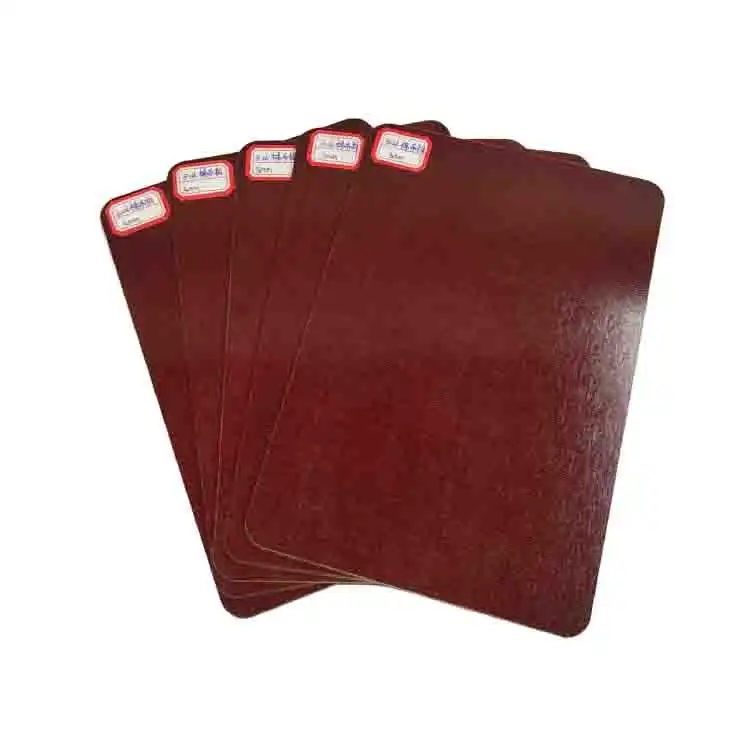
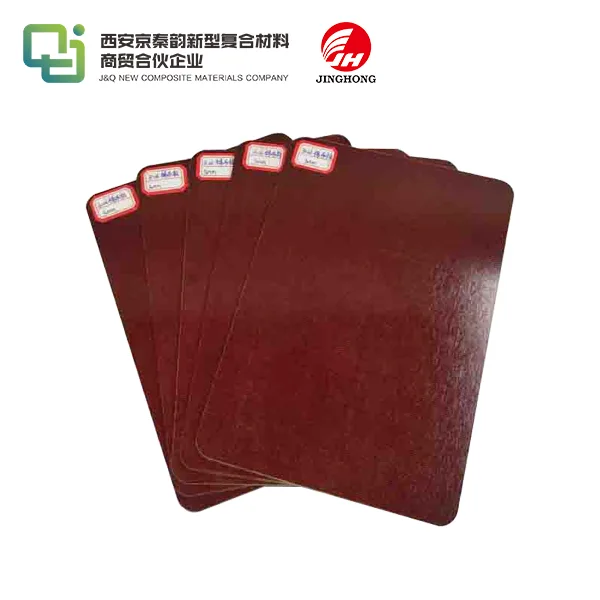
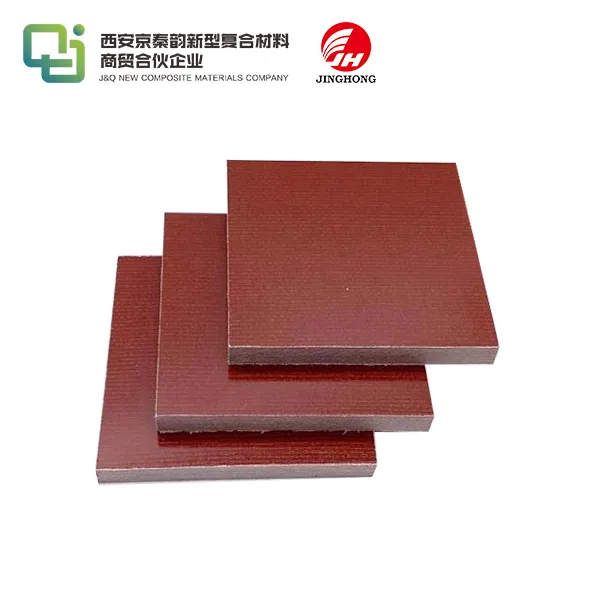
A special kind of thermosetting laminate called heat proof phenolic paper board is made by carefully mixing phenolic resin with high-quality kraft paper. Several layers of paper that are soaked with glue are stacked on top of each other and then put under high pressure (about 1000 psi) and high temperatures. This fusion makes a stiff hybrid structure that weighs between 1.30 and 1.45 grams per cubic centimeter.
Understanding Industry-Standard Grades
The information is categorized into three main groups based on NEMA standards (X, XX, and XXX) and their related IEC names (PF CP 201/202). Grade X is used in mechanical settings where being able to be machined is more important than being resistant to moisture. Grade XX is the normal grade of electrical insulation, and it provides only average security against the environment. Grade XXX is the highest level of high-voltage standard. It has the most resin content to prevent moisture in harsh electrical conditions. Each grade variation meets a different set of practical needs, which lets buying teams directly match the properties of the material to the pressures of the application.
Material Composition and Structural Characteristics
The kraft paper base gives the structure mechanical flexibility during production, and the phenolic resin matrix gives it chemical protection and stability in terms of size. This mix makes a material that is resistant to mineral oils and common industrial solvents. It also stays structurally sound at temperatures that don't change (Class E insulation grade) between 110°C and 120°C. When cutting, the paper strands naturally lubricate the workpiece, which makes tools last longer than when using glass-reinforced materials.
Core Technical Specifications and Advantages of Phenolic Paper Board
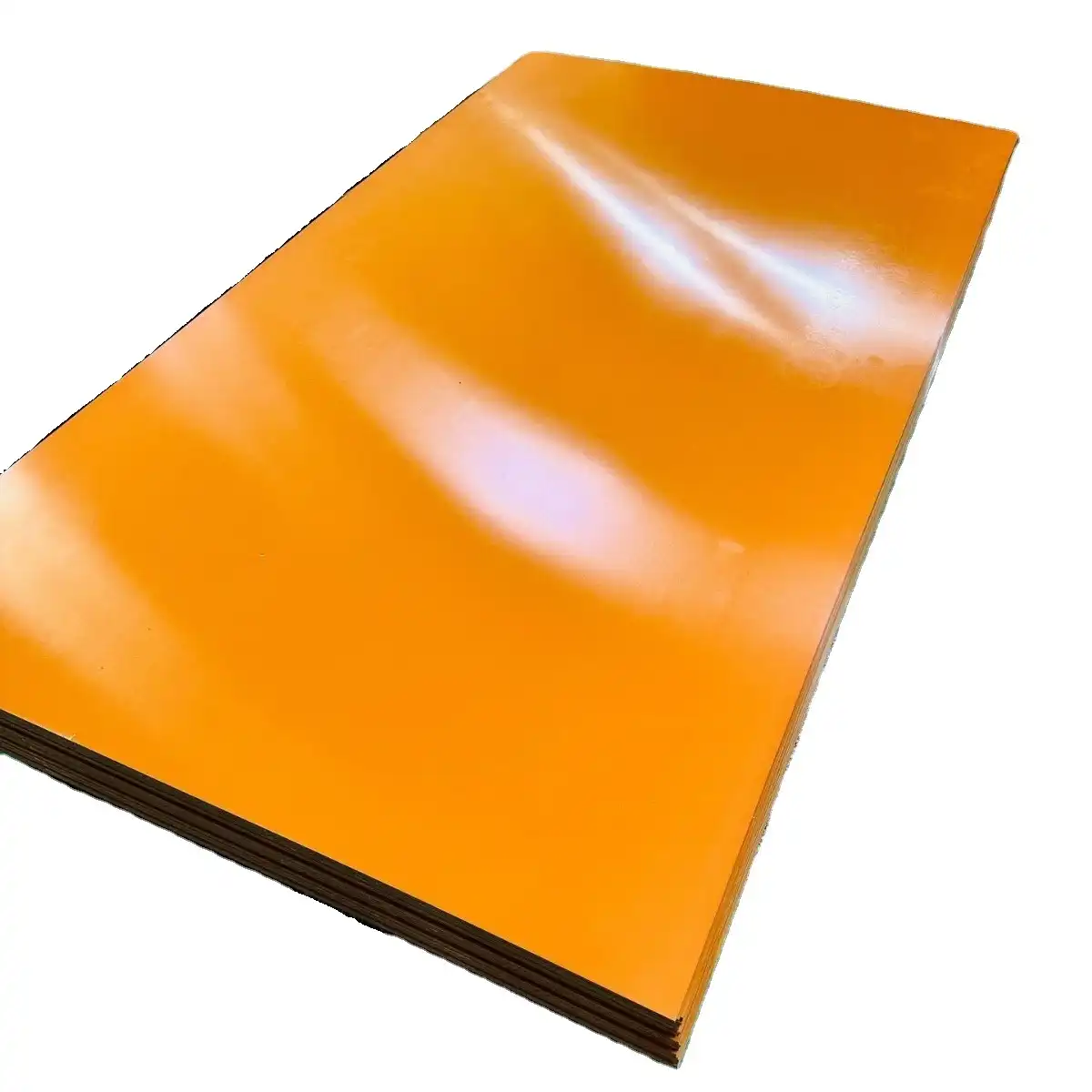
For technical decisions, you need real-world efficiency data. The material has a compressive strength that is good for load-bearing insulated parts and a bending strength that is higher than 135 MPa along its length. For short-term tests, dielectric strength usually exceeds 500 V/mil, which means it can be used in switches and transformers where preventing arcs is important.
Here are the scientific reasons why phenolic paper board is better than other types of insulation:
- Superior Machinability: The material can be used for CNC cutting, drilling, and hot-punching without the chance of delamination. When a lot of tools are made with carbide, the tolerances stay tight, which lets complex shapes be used to make special electrical housings and mechanical fixtures. This punchability, which has been officially tried according to ASTM D709 standards, lets makers make complicated shapes quickly, which cuts down on the need for extra finishing steps and the labor costs that come with them.
- Electrical Insulation Performance: Power transfer equipment that has a high dielectric strength doesn't lose electricity. When properly stated, the material keeps its insulation resistance even when humidity changes. Grade XXX formulations are designed for systems that are likely to get wet. IEC 60893-compliant testing procedures check the electrical properties of each batch, which gives buyers trust in controlled industries.
- Chemical and Thermal Resistance: The chemistry of phenolic resins naturally fights hydraulic oils, petroleum-based fluids, and weak acids that are common in industrial machines. The material doesn't change much in size when it goes through thermal cycling within its stated temperature range. This keeps parts from getting out of alignment in high-temperature systems.
- Cost-Performance Balance: In situations where high mechanical strength is not the main requirement, phenolic paper board offers a 30–40% material cost savings over epoxy-glass laminates (FR-4). This economic edge becomes important when the amount of goods being made is high, like when appliances are made or car parts are made.
These technical features directly address common buying problems, like how to balance performance requirements with budget limits while keeping seller quality standards high. The material has UL approval (E310670) and follows ROHS and REACH rules, which makes the qualification process easier for supply chains around the world.
Common Applications and Industry Use Cases
The fact that phenolic paper board is used in many different industries shows how versatile it is. The material answers certain technical problems where controlling heat and keeping electricity from getting through come together.
Electrical Infrastructure and Power Systems
The material is used as arc chutes, phase barriers, and busbar supports in high-voltage switchgear systems. In these complicated electrical settings, the board's dielectric strength keeps charged parts from arcing, and its structural stiffness keeps the critical spacing between them when magnetic forces act on them. Manufacturers of transformers use it to guard against thermal breakdowns by making sure it doesn't catch fire and stays stable at high temperatures. The consistent size of the material makes it safe to put together electrical boxes where tolerance stack-up can affect safety gaps.
Electronics Manufacturing and PCB Production
As a backup material during drilling processes, the printed circuit board business uses phenolic paper board. It is put under the working PCB and provides a smooth, flat surface that keeps drill tables safe and makes sure that high-precision micro-drills have clean exit holes. This app lowers the number of broken drill bits, which is a major cost factor in making PCBs, while keeping hole quality standards high. Early printed circuit boards (FR-1/FR-2 types) were made completely on phenolic paper substrates, which is where the material got its start in electronics.
Automotive and Transportation Components
The material is used by auto makers to make battery pack barriers, motor insulation pads, and heat-resistant assembly parts. The car industry values stable batch quality and the ability to machine precisely, since differences in parts have a direct effect on how well the production line works. R&D experts choose phenolic paper board for thermal separation in battery systems for electric vehicles, where reducing weight and flame protection are both important factors in the design process.
Industrial Machinery and Equipment
The material is used to make structure jigs, wear plates, and gears that don't conduct electricity. Compared to glass-epoxy materials, it has a natural lubricity that makes mechanical systems run more quietly. Custom-machined phenolic fixtures are used in factories as assembly models and to support test equipment. The material's dimensional stability makes them useful in places where temperatures change, like factories.
A mid-Atlantic company that makes electrical equipment said that switchgear assembly problems went down by 18% after they switched to certified phenolic paper board with confirmed thickness limits. This case shows how consistency in materials has a direct effect on the measures that buying teams use to track production quality.
How Is Phenolic Paper Board Made?
Long-term performance dependability is based on the quality of the manufacturing process. The first step in the production process is choosing the kraft paper. The end laminate's qualities are affected by the fiber length and density. Paper rolls are saturated with resin in controlled settings that keep an eye on the phenolic formulation's consistency and saturation levels. Depending on the width requirements, sheets that have been impregnated are stacked and then put into hydraulic presses.
Just how do you make phenolic paper board? As the temperature rises during the pressing stage, about 1000 psi of pressure is applied to start bonding the resin. The time, temperature, and pressure patterns for curing are changed based on the grade requirements. Processing after curing includes grinding the surface to a certain thickness (usually ±0.1mm for industrial grades) and cutting the edges to the final size.
Some of the quality control procedures are testing for electrical strength, checking for bending properties, and analyzing moisture absorption. For regulated businesses, batch certification documents make it possible to track products because they match test results with ASTM D709, IEC 60893, and related UL standards. Statistical process control is used in advanced manufacturing facilities to keep property differences to a minimum across production runs. This eases worries raised by buyers about batch-to-batch consistency.
Recent developments have been mainly about making resins that can work at higher temperatures for longer periods of time while still being able to be punched. Changing phenolic chemicals makes them more resistant to flames without affecting their ability to be machined. This means they can be used in more places, like the aircraft and rail transportation industries, where strict fire safety rules apply.
How to Choose the Right Heat Resistant Phenolic Paper Board for Your Needs
Before making a purchase choice, you need to carefully compare the needs of the application with the skills of the material. Operating temperature is the most important factor in choosing; constant exposure above 120°C calls for different materials or new ways to handle heat. After that, a chemical exposure assessment is done to make sure that the product is safe to use with any fluids, acids, or toxic atmospheres that might be present in the workplace.
Conditions of mechanical force affect the choice of grade. For uses that involve compression, impact, or flexural stress, it is important to make sure that the strength qualities of the material give enough safety limits. Whether normal or moisture-resistant types are right depends on the voltage levels, dielectric strength, and tracking resistance that need to be met.
Evaluation of suppliers includes more than just unit price. It also looks at things like certification documents, the development of the quality system, and the trustworthiness of delivery. Checking records of UL recognition, ISO 9001 approval, and safety testing is helpful for procurement teams. For OEM uses that need particular sizes, hole designs, or surface treatments, the ability to customize is important.
When buying in bulk, things to think about are the minimum order amounts, the expected wait times, and the help with inventory management. Building ties with suppliers who offer expert advice can help you figure out questions about specifications while the product is being developed. Qualified suppliers can be told apart from commodity brokers by their ability to provide material certificates, third-party test results, and application engineering help.
Thickness tolerances have a direct effect on the assembly process. Tighter tolerances lower the need for shimming but raise the cost of the materials. In high-volume production situations, the best cost-performance ratios are reached by balancing tolerance standards against functional needs.
Conclusion
In conclusion, it has been shown that heat-resistant phenolic paper board works well in mechanical, electrical, and thermal management uses where engineered plastics or composite laminates need to work reliably in tough circumstances. Its mix of being able to be machined, having good electrical properties, and being cost-effective solves real-world buying problems in the industrial equipment, automotive systems, power infrastructure, and electrical manufacturing sectors. Engineering teams can easily choose materials when they know about grade classifications, technical specifications, and manufacturing quality standards. Meanwhile, procurement departments make sure that long-term production stability is maintained by securing supply lines. The material has been used in industry for decades and meets all the requirements for safety, which lowers the risk of making technical decisions in important situations.
FAQ
What differentiates NEMA Grade X from XX and XXX phenolic paper board?
The amounts of resin content and moisture protection are shown by the grades. Grade X has the least amount of plastic, which makes it easier to machine for mechanical uses that don't need a lot of electricity. Grade XX has a modest amount of resin for normal electrical shielding in controlled settings. Grade XXX makes the resin as saturated as possible, which gives it better resistance to wetness and dielectric power for high-voltage uses in damp places. Which one to use relies on whether the application values ease of manufacturing over long-term electrical performance in harsh environments.
Can phenolic paper board replace FR-4 epoxy glass laminates?
phenolic paper board is an affordable substitute for structural, low-frequency electrical uses that work below 110°C. FR-4, on the other hand, has higher temperature ratings (Class F/H, over 130°C) and is stronger mechanically. Phenolic materials are used when cost, the need to cut them easily, or the need for less tool wear during machining are more important than getting the best mechanical performance.
What storage conditions prevent material warping?
Because paper materials absorb water, they need to be stored in controlled settings. Things should be kept flat in climate-controlled spaces where the relative humidity is less than 50%. Different amounts of moisture contact cause paper fibers to expand in different ways, which causes twisting that makes it hard to measure accurately. Material stays flat in storage warehouses thanks to sealed packing and temperature stability between 15°C and 25°C.
What tooling specifications optimize machining operations?
Because phenolic glue is rough, it speeds up the wear on tools. For small prototypes, high-speed steel tools are fine, but for large production runs, carbide or diamond-tipped cutting tools are better to keep the tolerances consistent and the quality of the edges. Because fine phenolic particles are made, dust capture methods are necessary. Cutting speeds and feed rates should be changed based on the thickness of the material and the finish you want on the surface.
Partner with J&Q for Reliable Phenolic Paper Board Supply
You can trust J&Q as your phenolic paper board seller because they have over 20 years of experience making things and a lot of experience trading with other countries. Our quality systems keep up with UL approval (E310670) and ROHS and REACH compliance, o you can be sure that the products you buy will meet the rules in all places around the world. We know that engineering managers have to deal with a lot of technical issues. Our in-house shipping services make delivery planning easier, and our technical team is here to help you with applications throughout the entire product development cycle. You can talk to our procurement specialists at info@jhd-material.com about your unique insulation needs, ask for certified material samples, or get full technical data sheets. Because we are fully integrated and have long-term partnerships with foreign trade partners, we can offer competitive prices on large orders without lowering the quality of our products. Whether you're looking for materials for switchgear systems, auto parts, or industrial machinery, our knowledge in a number of different fields allows us to suggest the best grade choices and customization options for your needs.
References
National Electrical Manufacturers Association. "NEMA Standards Publication LI 1-1998: Industrial Laminated Thermosetting Products." National Electrical Manufacturers Association, 1998.
International Electrotechnical Commission. "IEC 60893-3: Specifications for Industrial Rigid Laminated Sheets Based on Thermosetting Resins for Electrical Purposes – Part 3: Specifications for Individual Materials." International Electrotechnical Commission, 2016.
American Society for Testing and Materials. "ASTM D709-19: Standard Specification for Laminated Thermosetting Materials." ASTM International, 2019.
Harper, Charles A. "Handbook of Plastics Technologies: The Complete Guide to Properties and Performance." McGraw-Hill Education, 2006.
Goosey, Martin T. "Plastics for Electronics." Springer Science & Business Media, 2013.
Lubin, George. "Handbook of Composite Materials." Van Nostrand Reinhold Company, 1982.