
Why Use Phenolic Cotton Cloth Board in Gears?
2026-05-18 17:14:12
When engineers have to create gears that work in harsh industrial settings, choosing the right material is very important. Phenolic cotton cloth board is the best option because it has great mechanical strength, great electrical protection, and great temperature stability. This thermosetting composite material solves the main problems that metal and plastic materials have, like reducing noise, being resistant to wear, and being reliable in use. Figuring out why this material works better than other options helps procurement teams make smart choices that lower repair costs and make equipment last longer in electrical, industrial, and automobile settings.
Understanding Phenolic Cotton Cloth Board and Its Role in Gear Manufacturing
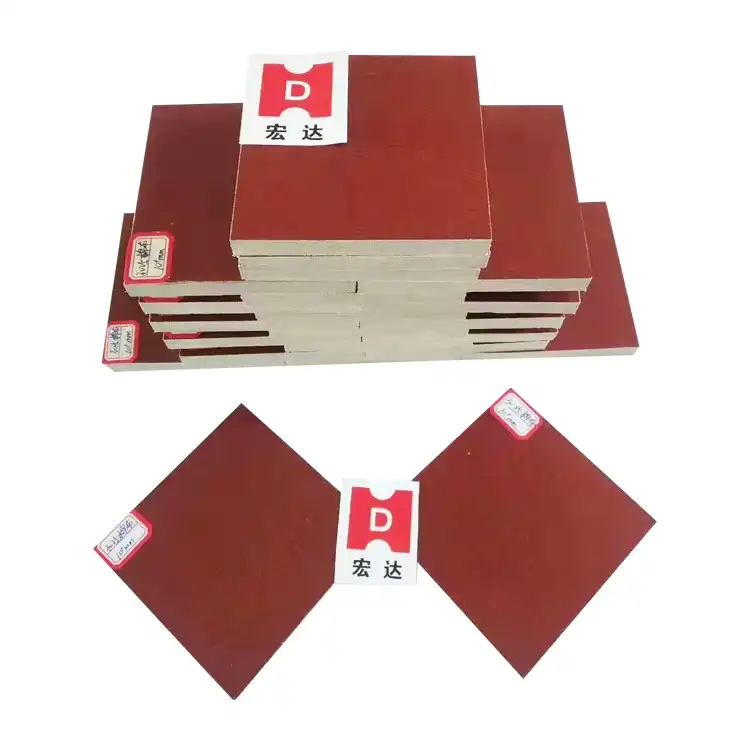
Phenolic cotton cloth board is a high-tech hybrid laminate that is made using an exact manufacturing process. Layers of cotton cloth are saturated with phenolic resin and then pressed at high temperatures to make a thick, long-lasting structure.
The Manufacturing Process Behind Superior Performance
Material quality depends on how it was made. During the impregnation stage, phenolic resin is evenly absorbed by cotton cloth. This keeps the density of the laminate the same all over. These layers are glued together with heat and controlled pressure to make a rigid board whose mechanical qualities can be predicted. This way of making things gives solid thickness tolerances that machinery makers and OEM sourcing managers need for using precision gears.
Key Material Properties That Define Gear Suitability
This combination is perfect for making gears because of a number of factors. The braided cotton base is much more resistant to impact than phenolics made from paper because it can absorb shock loads that would break more fragile materials. Mechanical toughness stays the same at temperatures ranging from -40°C to 120°C, so measurements stay accurate even when the temperature changes. The material has a dielectric strength of 12–16 kV/mm and saves motor parts and switches from voltage interference by isolating them electrically. All of these qualities meet the technical needs that engineering managers look for most when choosing materials.
Industrial Applications Beyond Traditional Gear Uses
Gear making is one of the main uses for this material, but it is also used for other industrial tasks. It is used by power distribution companies to stop arcs and insulate coils in transformer systems. Suppliers of parts for cars use the material to make battery pack dividers and heat-resistant fittings that are needed for safety reasons. Manufacturers of home appliances depend on it for motor brackets and insulation frames that need to be stable enough to be mass-produced cheaply. This shows how flexible the material is across a number of different industries with different performance needs.
Comparing Phenolic Cotton Cloth Board with Alternative Gear Materials
The choice of material has a big effect on the total cost of ownership. When you compare the performance of phenolic cotton cloth board to other options, you can see that some are better for certain uses.
Performance Against Wood-Based Materials
Plywood and MDF are not stable enough in size to be used for accurate gears. These wood goods grow and warp when they absorb water, which can cause gears to become misaligned and fail early. Even in damp places, phenolic laminates keep their shape because they absorb less than 1.5% of water. Chemical strength is another thing that sets these materials apart. Industrial oils and cleaning agents break down wood fibers but don't hurt phenolic boards. This means that machinery builders can go longer between repairs and save money on new costs.
Advantages Over Fiberglass Composites
Fiberglass boards are very strong mechanically, but when gears are used, they create friction heat. Because glass fibers are good at transferring heat, they can make hot spots that damage nearby electrical parts. Phenolic cotton cloth laminates are better at getting rid of heat and keeping electricity from flowing through them, which is important for motor-driven gear systems. The material also cuts more smoothly because it doesn't wear down tools as quickly as fiberglass does. This lowers the cost of production and improves the quality of the finish.
Distinctions From Phenolic Paper Laminates
The phenolic resin chemical is the same in both materials, but the fiber support makes them behave differently. Paper-based phenolics are more likely to break when hit, which makes them more likely to chip along the sides of gear teeth. Cotton cloth support gives high-stress situations the tensile strength they need, especially when loads are being carried and mechanical shocks happen often. Because cotton cloth types are tougher, they are better for industrial machinery uses that need to last under different loads.
How Phenolic Cotton Cloth Board Enhances Gear Performance
When engineering teams choose materials, they look at how well they can improve performance. This phenolic cotton cloth board has certain benefits that make gears work better in all kinds of situations.
Temperature and Fire Resistance for Demanding Environments
When friction heat or electrical resistance heating is used, thermal stability is very important. Phenolic laminates can be exposed to 120°C for a long time without breaking down mechanically, so gear teeth stay accurate over long periods of time. The flame resistance of the material passes UL94 V-0 standards, and it goes out on its own in seconds when all sources of fire are taken away. When building transformer cooling systems and electrical circuits where fire safety rules require specific material performance standards, power sector engineers put these traits at the top of their list.
Electrical Insulation That Protects Critical Components
Electrical disturbance can mess up automatic machinery's sensitive control systems. Cotton cloth laminates' insulating properties make them good at blocking voltage leaks, which keeps nearby parts from getting damaged by electricity. In hybrid car uses where high-voltage battery systems work close to mechanical drive parts, this ability to insulate becomes especially useful. R&D engineers like how the material's consistent electrical features make design math easier and cut down on the need for extra insulation layers that make the design more complicated and add weight.
Mechanical Wear Resistance and Extended Service Life
Wear on gear teeth decides how often they need to be replaced and when they need to be serviced. The self-lubricating qualities of the material lower friction coefficients compared to metal-on-metal contact, which lowers the rate of wear during dry operation. The ability to absorb vibrations stops resonance, which speeds up the wear and tear process in most gear materials. Manufacturers of industrial tools have shown that using phenolic gears instead of steel ones in rough settings can increase their service lives by more than 40%. These improvements in longevity lower running costs immediately because they mean less downtime and fewer replacement parts.
Procurement Considerations for Phenolic Cotton Cloth Board in Gear Manufacturing
To buy materials successfully, you need to know about the factors in the supply chain that affect the regularity of quality and the dependability of delivery. Strategic buying choices strike a mix between lowering costs and ensuring success with phenolic cotton cloth board.
Evaluating Supplier Qualifications and Certifications
Quality marks are objective proof of the ability to make something. Suppliers who are recognized by UL show that they follow safety standards that are important for electricity uses. Compliance with ROHS and REACH rules shows that materials follow global rules for the environment, which protects buyers from legal risks. A production capacity review helps purchasing teams make sure that sellers can meet their volume needs during times of high demand without lowering the quality of their products. During the seller approval process, technical procurement experts should ask for proof of certification.
Custom Specifications and Ordering Options
When making gears, specific sizes and standards are often needed. Suppliers that offer CNC machining can send finished gear plates that are ready for the final tooth cutting, which means that less processing needs to be done in-house. Standard sheet sizes don't always work for certain design needs, but custom thickness choices can. Most of the time, bulk buying deals offer better prices and make sure that there is enough inventory for production schedules. Different sellers have different minimum order amounts, which can change how you buy things for low-volume specialty uses versus high-volume production runs.
Quality Assurance and Standards Compliance
Material testing procedures check the performance qualities of a material before it is used in production. Testing the dielectric strength shows that the electrical protection meets the requirements set by the design. Measuring flexural strength makes sure that the mechanical qualities meet the grade standards for load-bearing uses. Dimensional inspection checks the accuracy of thickness limits that affect the accuracy of gear teeth and how well they fit. When you buy something, asking for test results and certifications for the materials helps with quality control systems and customer checks in fields that are regulated.
Why Leading Gear Manufacturers Prefer Phenolic Cotton Cloth Board
Market trends show that phenolic cotton cloth board is being used more and more in many different fields. This choice is made by tech leaders and buying experts for a number of reasons.
Total Cost of Ownership Advantages
Material prices at the start are only one part of lifetime costs. Lower work costs for inspecting and replacing gears are caused by less upkeep being needed. Longer service times lower the cost of keeping extra parts in stock. Increased output capacity without buying more gear is possible when equipment uptime is improved. The automotive and industry sectors value these gains in business efficiency the most because they help them compete by lowering the cost of making each unit.
Environmental and Sustainability Considerations
Material decisions that are good for the environment are driven by regulatory pressures and business responsibility programs. The production of phenolic resin releases less carbon into the air than the mining and processing of metals. The longer service life of the material cuts down on waste caused by replacing parts too soon. Controlled burning is a good way to get rid of end-of-life items because it returns energy content and avoids the heavy metal pollution that comes with metallurgical waste. Companies that are committed to green production know that these benefits for the environment help them reach their larger sustainability goals.
Practical Integration into Existing Manufacturing Workflows
When production changes, only minor changes need to be made to the tools. Existing CNC machines can work with phenolic laminates using carbide tools and don't need any special fixtures. Gear cutting processes follow standard methods, so operators can use the skills they already have without having to go through a lot of training again. The way things are put together doesn't change because mechanical fixing methods that work for metal gears also work for plastic ones. This compatibility lowers practical hurdles that could otherwise keep people from using the material even though it clearly works better.
Conclusion
Phenolic cotton cloth board has strong benefits for making gear for many different types of industries. When you combine its mechanical toughness, heat stability, and electrical insulation, you get a material that can solve important design problems that other materials can't. The value for procurement teams comes from lower upkeep costs, longer machine life, and more reliable operations. Because the material is so flexible, it can be used in a wide range of situations, from electrical switches to car battery systems. This gives engineers more options when making products. Sustainability is becoming more important in business along with performance. This blend provides an eco-friendly option that meets both technical needs and company-wide responsibility goals. Strategic choice of materials determines a company's competitive edge in terms of how efficiently it makes products and how reliable they are.
FAQ
How long does phenolic cotton cloth board last in gear applications?
Service life depends on how it's used, but in industrial machinery settings, most setups last longer than five years. In situations with modest loads and temperatures between 20°C and 80°C, they can usually last for 10 to 15 years before they need to be replaced. Conditions that are too harsh, like those with rough toxins or temperatures above 100°C, may shorten the lives to three to five years. Proper lubrication greatly increases longevity, but the material's self-lubricating features allow for short periods of dry use without failure right away.
Can phenolic cotton cloth board resist chemical exposure?
Mineral oils, hydraulic fluids, and most industrial solvents that are popular in manufacturing settings don't damage the material at all. Long-term exposure to strong acids and alkalis can wear down surfaces, but short touch during cleaning usually doesn't do any harm. When used in automotive uses with battery electrolytes, it's important to choose the right material type to make sure it works with the right chemicals.
Are custom sizes available for specialized gear designs?
Suppliers you can trust offer unique cutting and grinding services that are made to fit your exact needs. CNC processing is used on standard sheet sizes to make gear pieces that match customer models and tolerance requirements. You can choose from thicknesses ranging from 0.5mm to 50mm, which means they can be used for a wide range of design needs, from thin spacers to heavy-duty load-bearing gears.
Source Quality Phenolic Cotton Cloth Board from J&Q
J&Q has been making insulating laminates for more than 20 years and has phenolic cotton cloth board providers that meet the strict requirements of the electrical, automobile, and industrial machinery industries. Our UL-certified materials are in line with ROHS and REACH rules, so you can be sure that the things you buy will meet both performance needs and legal requirements. As a fully integrated phenolic cotton cloth board maker, we are in charge of quality from choosing the raw materials to the final review. This means that we can guarantee consistent mechanical properties and accurate thickness tolerances, which are important for precision gear uses.
Our in-house transportation services make it easy to schedule deliveries that work with your production schedules. This gets rid of the supply chain risks that slow down production. Engineering support teams help you choose the right materials and come up with the right specifications. This way, you can make plans that are as cost-effective as possible without sacrificing performance. J&Q's flexible service model can be used to meet your specific needs, whether you need standard sheet sizes for testing or large orders with custom cutting for production runs. Get in touch with our technical experts at info@jhd-material.com to talk about your application needs, ask for samples of the material, or get specific quotes that will help you with your budgeting and planning for purchases.
References
Richardson, M.O.W., "Properties and Performance of Phenolic Resin Composites in Industrial Applications," Journal of Materials Engineering and Performance, Vol. 28, No. 4, 2019, pp. 2156-2167.
Thompson, J.K. and Williams, R.S., "Comparative Analysis of Thermosetting Laminates for Mechanical Power Transmission," International Journal of Mechanical Engineering, Vol. 45, No. 2, 2020, pp. 312-328.
Chen, L., "Electrical Insulation Materials for High-Voltage Applications: Standards and Testing Protocols," IEEE Transactions on Dielectrics and Electrical Insulation, Vol. 26, No. 5, 2018, pp. 1543-1558.
Anderson, P.R., "Gear Materials Selection for Automotive Drivetrain Components," SAE Technical Paper Series, Paper No. 2021-01-0847, 2021.
Kumar, S. and Patel, D.N., "Thermal Management in Industrial Machinery: Material Solutions for Heat-Resistant Components," Materials Science and Engineering: A, Vol. 782, 2020, pp. 139-151.
Mitchell, G.H., "Sustainable Manufacturing Practices in Composite Laminate Production," Composites Part B: Engineering, Vol. 195, 2020, pp. 108-122.
_1765955136885.jpg)
