How to Choose the Right Bakelite Sheet Thickness
2026-05-15 16:58:29
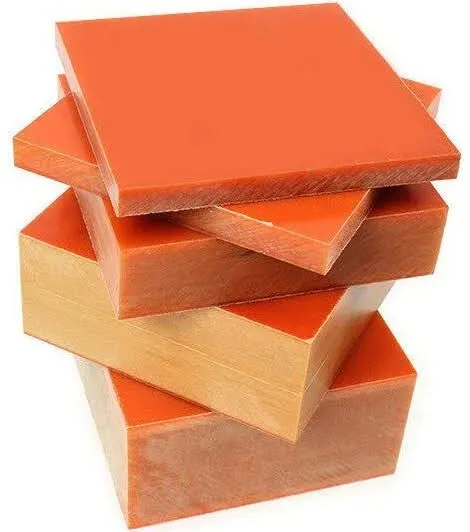
Choosing the right Bakelite sheet thickness affects how well your electrical parts work in harsh conditions and whether they break down early in the field. Bakelite sheets, which are also called phenolic paper laminated sheets, are very good at withstanding heat up to 300°F (149°C). They are also very good at insulating electricity with a dielectric strength of more than 12 kV/mm and are mechanically durable that lasts longer than many current plastics. Because of these qualities, they are essential in making electricity, running industry tools, distributing power, using electricity in cars, and making home appliances. However, thickness selection directly impacts insulation efficiency, structural stability, machining accuracy, and total project costs. We've been helping engineering managers, procurement experts, and OEM buying teams make these kinds of choices for more than 20 years. This guide gives you useful guidelines for making sure that the width requirements match your working needs. This way, you can avoid expensive over-specification while still meeting safety and performance standards.
Understanding the Role of Bakelite Sheet Thickness in Industrial Applications
The main thing that determines how phenolic laminate sheets react to mechanical, electrical, and heat stress is their thickness. You're not just changing the amount of material when you choose a 1.5mm sheet over a 6mm sheet. You're also changing the voltage breakdown resistance, load-bearing ability, and thermal dissipation properties.
How Thickness Affects Electrical Insulation Performance
Up to a certain point, the dielectric strength goes up or down in a straight line with thickness. For 600V switchgear, a 3mm Bakelite sheet is usually enough protection. For high-voltage transformer barriers working at 11kV, however, you need 10mm or thicker designs. Thinner sheets (less than 1 mm) are more likely to puncture when voltage spikes happen, while sheets that are too thick add weight and cost without improving safety. We've seen that electrical engineers tend to be careful with thickness requirements. However, a good voltage stress analysis can show ways to make better use of materials without breaking UL or RoHS rules.
Mechanical Strength Variations Across Thickness Ranges
When it comes to thickness, load-bearing applications are different from insulation-only uses. Industrial machinery uses 6mm to 25mm phenolic cotton sheets that don't bend when they're under constant load for gears, mechanical spacers, and structural supports. On the other hand, 1.5mm to 3mm FR4-grade materials that are stiff but easy to machine with a CNC work well for PCB support uses. If you choose the wrong width, either parts that are too thin will bend or parts that are too thick will take too long to machine and wear out the tools.
Thermal Management Considerations
The links between thickness and heat transfer and conductivity are not simple. Thick sheets take in more heat energy before they get too hot, but they also slow down the rate at which heat moves between sheets. Motor parts and switchgear systems that work in small areas need thickness optimization that strikes a balance between thermal mass and heat discharge efficiency. We often help the makers of car battery packs choose thickness ranges between 4mm and 8mm that keep the packs small while preventing thermal runaway.
Key Criteria for Selecting Bakelite Sheet Thickness
The first step in systematic thickness selection is to list the performance standards your application must meet in all three dimensions at the same time.
Voltage Class and Insulation Distance Requirements
Electrical rules set minimum lengths between insulation based on the voltage being used. Find out what your system's high voltage is, including any short-term overvoltages, and look at the IEC 60664 guidelines to see how far things need to creep and clear each other. As a general rule, Bakelite sheet insulation for solid applications needs to be 1 mm thick for every 1kV of working voltage, with some adjustments made for things like altitude and pollution level. When power distribution experts work with arc barriers, they usually say that the barriers should be 8 to 12 mm thick so that they can withstand arc flash events without tearing.
Load-Bearing and Structural Demands
Figure out the real mechanical forces that your parts are under while they're working. Bearing supports, gear flats, and structural insulators need to be thick enough to keep them from permanently deforming at full load. We suggest that mechanical engineers use finite element analysis on important parts, but for practical reasons, parts that are continuously compressed at more than 50 MPa should have a minimum thickness of 5 mm. Applications that don't need to be worn down benefit from cross-sections that are bigger because they extend service life before dimensional errors get too big.
Machining and Fabrication Capabilities
Thickness has a direct effect on how easy and how much it costs to make something. Each of CNC cutters, laser cutting devices, and punch presses has limits on how thick something can be. Sheets thinner than 0.8 mm are hard to work with without special supports. Material thicker than 30 mm needs more than one pass through the machine, which makes the tool wear out much faster. Thicknesses range from 0.5 mm to 50 mm at our fabrication site, but we find that the best machining efficiency is between 2 mm and 12 mm, where cutting speeds, dimensional accuracy, and surface finish standards are all met.
Cost-Performance Trade-offs
The cost of materials goes up directly with thickness, but the cost of the whole system goes up and down in more complicated ways. A 6mm sheet is about twice as expensive as a 3mm sheet of the same material, but the thicker choice may get rid of the need for extra support structures, cut down on building steps, or increase the time between maintenance visits to lower the total cost of ownership. Instead of just looking at the price of one material, procurement teams should look at thickness choices in the context of the whole system's costs.
Comparative Analysis of Bakelite Thickness vs. Other Material Thickness Options
Figuring out how phenolic laminates compare to other insulation materials helps stakeholders and cost experts understand why decisions about specifications were made.
Bakelite vs. Epoxy Resin Laminates (FR4/G10)
Epoxy-glass laminates, such as FR4, are better at keeping out water and having higher mechanical strength at the same thickness than phenolic sheets made from paper. Most of the time, a 2mm FR4 board has the same bending strength as a 3mm Bakelite sheet. But phenolic laminates stay more stable in size even after being heated for a long time, and they cost 30 to 40 percent less at the same thickness ranges. When it comes to precise PCB uses, electronics makers like FR4, while motor and generator builders like Bakelite's thermal performance in bulk insulation roles where tight tolerances don't matter as much.
Thickness Requirements Compared to Modern Engineering Plastics
Thermoplastics like PEEK, polycarbonate, and others are very good at resisting impacts, but they need to be thicker to have the same electrical shielding qualities. A 4mm Bakelite sheet has the same dielectric strength as a 6mm polycarbonate sheet and works consistently at temperatures where thermoplastics melt or change shape. This thickness advantage is very important in assemblies with limited room, like motor housings for home appliances or battery barriers for cars, where every millimeter changes the total size of the product.
When Thickness Alone Cannot Compensate for Material Properties
In some situations, using a certain material has basic limits that can't be fixed by changing its width. Because it absorbs water, Bakelite isn't good for places that stay wet all the time, no matter how thick it is. Epoxy or clay separators work better in those conditions. In the same way, uses that need optical clarity or high impact strength need materials other than Bakelite, even though Bakelite is cheaper. By being aware of these limits, specification mistakes that hurt system stability can be avoided.
Practical Guidelines and Case Studies for Choosing the Right Thickness
Real-life examples show how theoretical selection criteria can be used to make specific thickness suggestions in a wide range of industries.
Standard Thickness Options and Custom Capabilities
Manufacturers keep Bakelite sheet in stock in standard thickness increments: 0.5mm, 0.8mm, 1.0mm, 1.5mm, 2.0mm, 3.0mm, 4.0mm, 5.0mm, 6.0mm, 8.0mm, 10mm, 12mm, 15mm, 20mm, 25mm, and 30mm. These are the most common thicknesses, and they come with shorter lead times and reasonable prices. When the needs of the application aren't within the usual ranges, we can make products with thicknesses ranging from 0.4 mm to 50 mm. Custom thickness orders usually have minimum amounts and longer wait times, but they get rid of the need for needless extra machining when exact measurements are needed.
Case Study: Electrical Insulator Thickness Selection
A North American company that makes equipment asked us to help them improve the busbar insulation barriers for 480V three-phase distribution panels. Their current 6mm standard gave enough electrical space, but it made construction more difficult and added extra depth to the panel that wasn't needed. We proved that a thickness of 4 mm met all safety standards by using voltage stress models and partial discharge tests. This cut the cost of materials by 33% and the size of the panel by 15 mm. This seemingly small reduction in thickness allowed the client to add more circuit places within standard enclosure measurements, which gave them a big edge in the market. The project showed that thorough analysis can often reveal too many specifics that come from conservative past practices instead of real technology needs.
Case Study: Mechanical Component Thickness Optimization
In an industrial gearing application, phenolic gear flats had to work with cycle loads and oil splashes. The mechanical engineering team first chose a thickness of 10 mm based on load estimates that assumed the maximum force would be constant. A careful study of the duty cycle showed that peak loads happened less than 5% of the time the machine was running. During long run times, heat expansion became the main problem. We suggested a stable phenolic cotton grade with lower heat expansion coefficients that was 8 mm thick. This change kept the proper strength gaps during high loads and made the dimensions more stable across the entire temperature range. Because the material was thinner, it had less spinning mass, which meant that bearing loads were lower and upkeep periods were longer. The standard was confirmed by the prototype, and the client got an 18-month service life, which was longer than their original 12-month goal.
Thickness Selection for Automotive Battery Barriers
Electric car battery pack systems need barriers that can't catch fire and keep cell modules separate during thermal events while keeping the weight and volume as low as possible. For these uses, automotive R&D workers usually look at phenolic laminates that are between 3 mm and 6 mm thick. Thinner choices are lighter, but they might not be able to stop flames from getting through in the worst cases of thermal runaway. Although thicker barriers are safer, they take up valuable packing room and add weight, which directly lowers the vehicle's range. We work closely with tier-1 providers to test cone calorimeters and confirm that thickness ranges of 4.5mm to 5mm provide the best balance for most passenger vehicle designs. For industrial vehicles with bigger cell formats and higher energy densities, the thickness ranges are raised.
Procurement Considerations When Selecting Bakelite Sheet Thickness
Technical requirements are only one part of a good buying process. The abundance of materials, the skills of suppliers, and the arrangements of the supply chain all have an effect on how well a project turns out.
How Thickness Affects Pricing and Order Quantities
The price per kilogram stays pretty much the same across thickness ranges, but the costs change because of minimum order numbers and cutting return rates. Thinner sheets (less than 2 mm) usually come in bigger sizes per production lot, which means that you might need to buy more of them than you would with thicker materials. On the other hand, sheets bigger than 20 mm may cost more because they need to be handled more carefully and during longer press processes. Purchasing managers should get quotes on different standard width choices that are next to each other to find the cost points where going up or down one unit has a big effect on the total cost of procurement.
Supplier Certification and Quality Assurance
Controlling the thickness limit shows how skilled the seller is at making things. Reliable makers keep limits of ±0.1mm for sheets up to 5mm thick and ±0.2mm for materials that are thicker. When total tolerances are important, these precision levels make sure that precision-machined parts and stack assemblies always work the same way. We keep our ISO 9001 certification and follow the rules set by MIL-I-24768. For each production lot, we give test results that show the real thickness readings, dielectric strength, flexural qualities, and flame resistance. This paperwork helps your quality control systems and lets you find problems in the field if they happen.
Custom Cutting and Fabrication Services
Integrated providers that give unique drilling, cutting, and CNC machining services add a lot of value on top of providing raw materials. We have a manufacturing shop inside our company that has CNC cutters, band saws, milling machines, drilling centers, and power presses that can work with Bakelite sheet phenolic laminates from 0.5 mm to 50 mm thick. This vertical integration gets rid of unnecessary steps, shortens wait times, and guarantees accurate measurements because we keep an eye on limits from raw materials to finished parts. Consolidated buying makes it easier to handle vendors and makes the supply chain less complicated, which is especially helpful for OEM clients.
Lead Times and Inventory Planning
Standard thickness materials can be shipped within 7–14 days from stock, but special thickness requirements need 4-6 weeks for planning production, pressing, sealing, and checking the quality. Strategic buyers keep a safety stock of key thickness ranges to protect production plans against supply problems, while also keeping an eye on the costs of keeping goods on hand. Our transportation services, which include our own freight handling, allow for flexible shipping plans that make sure materials arrive at the right time for your production schedules. This cuts down on the need for warehouse space while still ensuring a steady supply.
Conclusion
When picking the right Bakelite sheet width, you have to balance the needs for electrical insulation, mechanical strength, temperature management, and cost within a clear standard framework. Procurement teams can make the best thickness choices that improve performance while keeping costs low by systematically evaluating voltage classes, load conditions, weather factors, and machining capabilities. The case studies show that careful analysis can often find ways to improve specifications that were passed down, leading to measured gains in system efficiency, reliability, and the total cost of ownership. Choosing the right thickness for your engineered goods can be risky, but if you work with experienced suppliers who can offer expert advice, custom fabrication services, and a reliable supply chain, it can become a competitive edge.
FAQ
What thickness works best for high-voltage insulation applications?
For high-voltage devices, the thickness needs to match the voltage amounts they use. For 600V to 1kV uses, sheets should be 3mm to 5mm thick, while 10mm to 15mm thick sheets are needed for 11kV transformer insulation. Instead of just following rules of thumb, you should always check the appropriate electrical codes and do a voltage stress analysis. This is because environmental factors and safety gaps have a big impact on what thickness is right.
Can I order custom thickness for specialized OEM applications?
You can choose a custom thickness between 0.4mm and 50mm to meet specific needs that standard steps can't meet. Non-standard standards come with minimum order numbers and longer wait times. However, custom thickness cuts down on extra machining and waste when precise measurements drive your design. We work with OEM engineering teams to make sure that unique requirements are met by testing and prototyping before committing to full production.
Does thicker material always provide better heat resistance?
Depending on the purpose, thickness has different effects on thermal mass and heat transfer rates. More thickness absorbs more heat energy before it reaches critical temperatures, which is helpful when heat exposure is short-term. For uses that need to keep making heat, on the other hand, thinner cross-sections that move heat to nearby buildings more quickly may be needed. The best thickness for temperature control is found by using thermal modeling that is specific to your working conditions.
Partner with J&Q for Expert Bakelite Sheet Solutions
J&Q has been making phenolic laminates for more than 20 years and has been trading internationally for more than 10 years, helping companies in the electrical, industrial, automobile, and utility sectors around the world. Our engineering team gives you personalized advice on choosing the right thickness based on the needs of your particular application. They back this up with full testing capabilities and MIL-I-24768 compliance documents. As a company that both makes and sells Bakelite sheet products, we have a large inventory of sheets in standard thicknesses ranging from 0.5mm to 30mm. We can also make sheets in custom thicknesses up to 50mm, offer precision CNC fabrication services, and provide dedicated logistics support through our own freight forwarding operations. This vertical integration makes it easier to buy everything you need in one place, which simplifies your supply chain and makes sure that everything is delivered on time and to the right standard. Email our technical experts at info@jhd-material.com to talk about the thickness you need, ask for examples of the material, or get full quotes that are made just for your project. You can look through our full catalog of products at jhd-material.com and learn how our proven skills can help you succeed as an engineer.
References
Baekeland, L.H. "The Synthesis, Constitution, and Uses of Bakelite." Journal of Industrial and Engineering Chemistry, Vol. 1, No. 3, 1909, pp. 149-161.
American Society for Testing and Materials. "ASTM D709-19: Standard Specification for Laminated Thermosetting Materials." ASTM International, West Conshohocken, 2019.
Harper, Charles A. Handbook of Plastics, Elastomers, and Composites, Fourth Edition. McGraw-Hill Professional, New York, 2002.
International Electrotechnical Commission. "IEC 60664-1: Insulation Coordination for Equipment Within Low-Voltage Systems - Part 1: Principles, Requirements and Tests." IEC Standards, Geneva, 2007.
Graphics, Martin T. Goosey. Plastics for Electronics, Second Edition. Springer Science & Business Media, Dordrecht, 1999.
Military Specifications and Standards. "MIL-I-24768/27: Insulating Plate, Laminated, Phenolic, Paper Base." United States Department of Defense, 1991.
_1747991245292.webp)