G10 Fiberglass Sheet for EV Battery Insulation Systems
2026-05-15 16:58:27
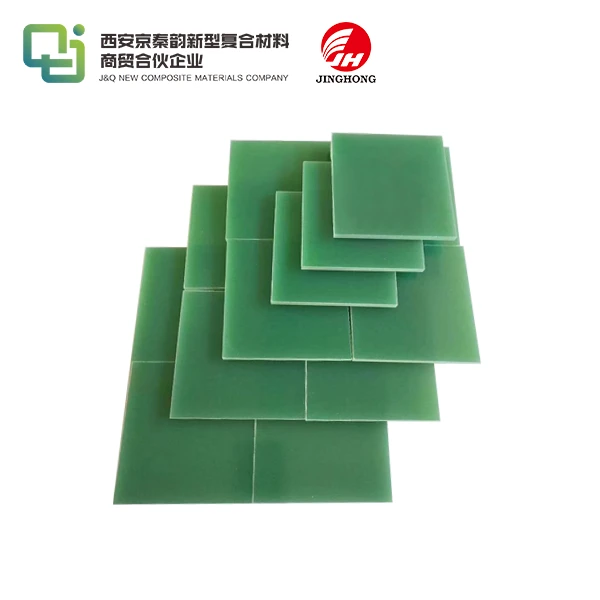
As a result of its high dielectric strength, mechanical longevity, and temperature stability, G10 fiberglass sheet has become an essential insulation material in battery systems for electric vehicles. This high-pressure laminate is made up of woven glass cloth that has been saturated with epoxy glue. It provides reliable electrical insulation and can handle the tough working conditions inside EV battery packs. As the use of electric vehicles grows in all areas of transportation, engineering teams and procurement specialists are becoming more aware that choosing the right insulation material has a direct effect on battery safety, performance life, and legal compliance in a market that is changing very quickly.
Understanding G10 Fiberglass Sheet and Its Role in EV Battery Insulation
Learning about G10 fiberglass sheet and how it is used to insulate EV batteries
Composition and Manufacturing Process
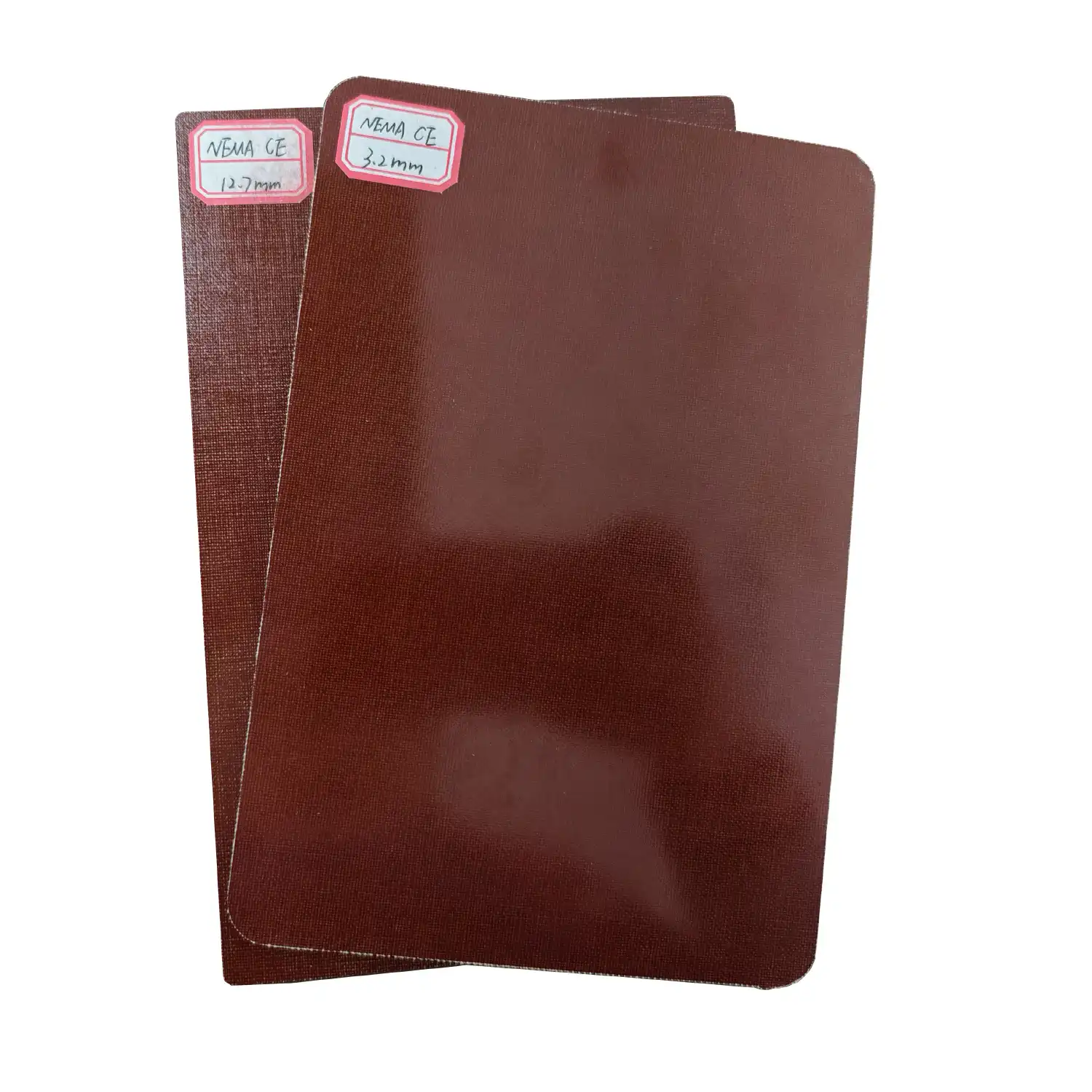
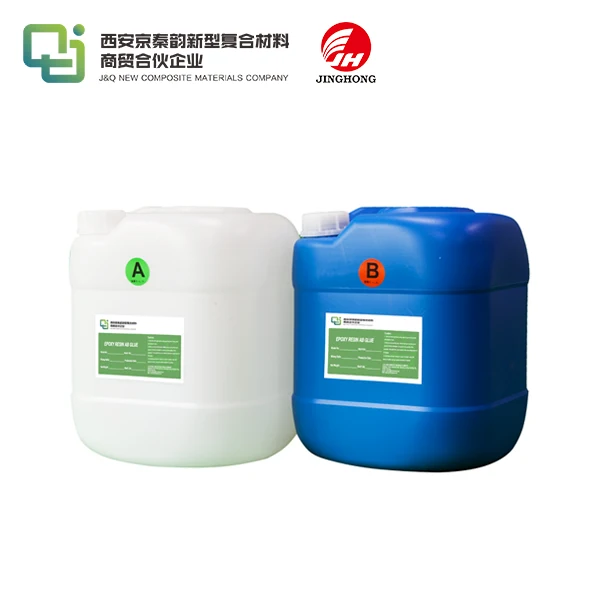
G10 material comes from an exact process of making it that mixes fiberglass cloth with epoxy resin systems. To make prepreg, which is glass fabric fully saturated with epoxy resin, strengthening fibers, and a stiffening agent are mixed together and then applied on top of glass fabric. It is controlled heat and pressure that are used to cut the cloth layers and press them together. This forms a thick composite structure that meets NEMA G-10 standards. This way of making things makes a material that is very stable in its dimensions and has the same mechanical properties all the way through its thickness.
Critical Technical Properties for Battery Applications
The mixture of epoxy and glass is very strong and durable, which solves a number of technical problems in the creation of EV batteries. This material has great dielectric strength, which keeps high-voltage battery cells and structure parts from short-circuiting. Its mechanical strength lets it resist compression forces during battery pack assembly and keep its structural integrity throughout the vehicle's life. Chemical protection keeps electrolyte from leaking and cleaning solvents from being used during production safe. Temperature performance stays stable over the normal working ranges for cars, but temps above 140 degrees Celsius can affect the epoxy resin. Because of this, G10 can be used in most EV battery uses where temperature control systems keep temperatures in a reasonable range.
Comparative Advantages Over Alternative Materials
G10 is often put up against G11, G12, phenolic laminates, and normal epoxy sheets when engineering teams look at different insulator materials. G11 works better at high temperatures than G10, so it can be used in situations where G10's thermal limits are too high. The price of G12 is usually higher because it has higher mechanical power. Phenolic cotton sheets are cheaper, but they don't work well as an insulation in high-voltage battery systems. Standard epoxy sheets that don't have fiberglass support can't hold up against the mechanical strength of G10. This placement makes G10 a well-rounded option that meets the insulation needs of most EV batteries by providing electrical safety, mechanical strength, and low cost.
How to Choose the Right Fiberglass Sheet for EV Battery Insulation
How To Pick The Correct Fiberglass Sheet To Keep EV Batteries Warm
Electrical Insulation Compliance Requirements
Electrical shielding is the most important thing to look for in battery system uses, especially when selecting G10 fiberglass sheet materials. Engineers have to make sure that the materials they use meet the dielectric breakdown voltage standards for their battery pack voltage design. G10 usually has a dielectric strength of more than 15 kV per millimeter, making G10 fiberglass sheet ideal for battery systems with 400V to 800V platforms, which are becoming standard in modern electric cars. The numbers for surface resistivity and volume resistivity stop current leaking paths that could slowly drain the battery or pose safety risks. Following the UL94 flame ratings and RoHS guidelines makes sure that products are accepted by regulators in all international markets. This is especially important for car providers that work with global OEMs.
Mechanical Durability and Structural Performance
When the car is running, vibration, shock loads, and compression forces from thermal growth put a lot of stress on the battery packs. When choosing a material, you need to think about its bending strength, tensile strength, and resistance to pressure. Thickness tolerances have a direct effect on how precisely assemblies are made and how much room is used in battery cases that are tightly packed. G10's mechanical traits stay stable across its working temperature range. This stops changes in size that could weaken seals or cause stress clusters. This stability is especially useful in situations where insulation sheets have to work as both electrical barriers and structural spacers between battery units.
Thermal Performance and Chemical Resistance
EV batteries have problems with managing heat, so they need shielding materials that don't lose their effectiveness when the temperatures change. G10 works effectively up to 140 degrees Celsius, but G11 or G7, which are made for extreme temperatures, may be better for uses that need to work at higher temperatures for longer periods of time. When insulation comes in contact with battery fluids, thermal interface materials, or glue used to put the pack together, chemical resistance is very important. The epoxy compound in G10 is resistant to most vehicle fluids and cleaning agents, so the battery will stay intact for a long time. These traits support both the need for rapid production and the longer guarantee terms that are common in car applications.
Customization Options and Thickness Variations
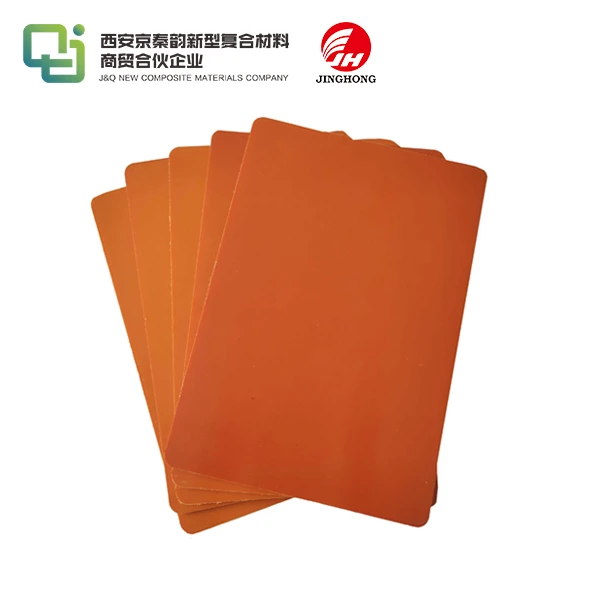
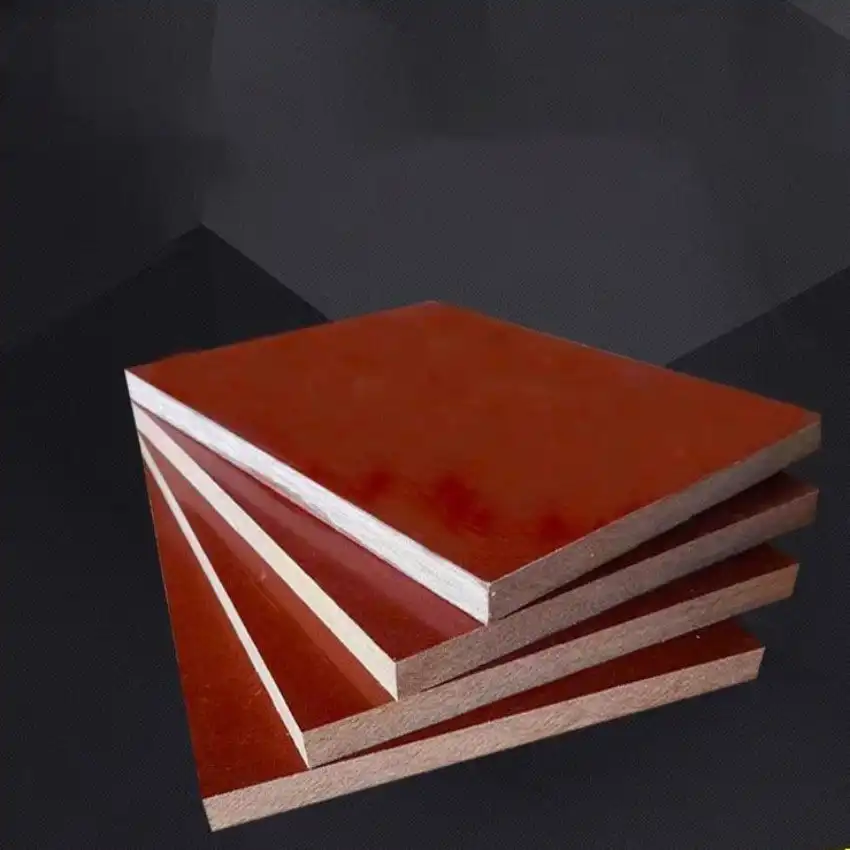
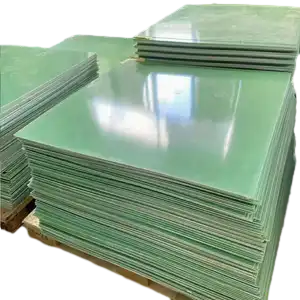
OEM battery makers often need specific sizes and shapes of materials to make the best pack construction. Standard G10 sheet widths range from 0.5 mm to several centimeters, so they can be used for a wide range of shielding and spacing needs. CNC machinability lets you cut, drill, and route with great accuracy to make complicated forms that fit perfectly into battery module assemblies. Custom sheet shapes cut down on trash during production, which lowers costs for making in large quantities. Some sellers offer flame-resistant grades or surface treatments that make glue bonding better, which means more uses. Teams in charge of buying things should check with sellers to see if they offer these customization options along with expert help for choosing materials and designing applications.
Procurement Strategies for G10 Fiberglass Sheets in the EV Industry
When making EV batteries, sourcing methods have a big effect on both the cost of materials and the dependability of the supply chain. There are specialized composite makers, industrial plastics distributors, and sellers of electronics materials around the world that offer G10 sheets in different shapes and sizes. Platforms like Alibaba connect buyers with Asian makers, and well-known distributors like Grainger and McMaster-Carr make it easy to get certified products with faster wait times. When setting prices, purchasing managers have to weigh the importance of quality consistency, expert help, and keeping supplies steady so that output schedules can be met.
Price changes are caused by the cost of raw materials, the difficulty of making the product, and the number of orders. Larger purchases usually lead to big price cuts per unit, which makes volume promises appealing for production lines that are already up and running. Different providers have very different minimum order numbers. Some need full-sheet quantities, while others can handle smaller prototype orders. Buyers have more negotiating power when they give clear specifications, volume forecasts, and a desire to form long-term supply partnerships. To make sure everything is clear, price talks should include quality certifications, material test results, and process documents.
Total landing prices and production times for G10 fiberglass sheet are affected by logistics. For international transfers, freight forwarding, customs processing, and figuring out import duties all need to be coordinated. Lead times range from days for standard sizes of G10 fiberglass sheet that are in stock to weeks for unique sizes and shapes. They depend on where the seller is located, how much stock is available, and when the products are manufactured. Good packaging keeps things from getting damaged while they're being shipped. This is especially important for big sheets that can get edge chips or surface scratches. Reliable sellers keep safety stock levels and let you track shipments, so supply delays don't stop production as much.
Ensuring Performance and Compliance in EV Battery Insulation Applications
Testing and Verification Methods
Systematic testing procedures that compare the properties of materials to engineering standards are the first step in quality assurance. Voltage withstand capability is confirmed by dielectric breakdown tests under normal circumstances. Tensile strength, flexural qualities, and impact resistance that are important for application loads are confirmed by mechanical tests. Thermal age tests put samples at high temperatures for a long time to see how well their properties hold up. Immersion in battery electrolytes and car fluids is used to test chemical resistance. Dimensional changes and property loss are looked at. The objective data from these tests is used by engineering teams to decide which products and sources can be used in production.
Industry Standards and Certifications
For automotive uses, following well-known industry norms and certification processes is important. The NEMA G-10 standards set the basic properties that glass-epoxy laminates must have. UL recognition confirms flame resistance ratings that are needed for safety approvals. RoHS compliance makes sure that materials follow the rules about dangerous chemicals in the world. ISO 9001 approval means that a seller has quality management systems that can control output consistently. Standards like IATF 16949 that are specific to the automotive business show that you understand the quality needs of the industry. Procurement teams should make sure that sellers keep their certifications up to date and provide proof that materials can be tracked.
Real-World Application Examples
A number of automakers have successfully used G10 fiberglass sheet shielding in production battery systems. Precision-cut G10 fiberglass sheet panels are used as electrical shields between cell groups in battery module systems. These sheets stop short circuits and provide mechanical support. Battery pack base plates have G10 fiberglass sheet layers that separate high-voltage bus bars from frame parts. This keeps the electrical connections safe at all times. G10 spacers are used in thermal management systems to keep the gaps between cooling ducts exactly the right size while also blocking electrical paths. These examples show that the material can be used in a variety of battery building forms.
Maintenance and Lifespan Considerations
In general, battery systems need to be used for ten years without much upkeep. Insulation materials must keep their electrical and mechanical stability during this time, even if they are exposed to changes in temperature, vibrations, and other external factors. The stable epoxy material in G10 doesn't break down easily when it comes to the moisture and temperature changes that are common in car settings. During battery service checks, monitoring tools should keep track of any damage, discoloration, or changes in size that can be seen. When properly defined and installed, expected lifespan matches battery pack warranty terms. This helps with total cost of ownership estimates that support decisions about what materials to use.
Conclusion
G10 fiberglass sheet has been used successfully in the past to insulate EV batteries, providing a good balance of electrical performance, mechanical sturdiness, and ease of manufacture. Its insulating strength, temperature stability, and ability to be machined on a CNC machine make it perfect for the complicated needs of current battery pack designs. It's helpful for procurement teams to know about the properties of materials, their comparative advantages, and the factors that should be used to choose suppliers that meet both short-term output goals and long-term reliability. As the use of electric vehicles grows, those that are successful will have strategic relationships for getting materials and strict quality checks. Those that are having trouble with performance or the supply chain will not.
FAQ
What thickness options are available for battery insulation applications?
G10 sheets usually come in thicknesses from 0.5 mm to 50 mm or more, so they can be used for a wide range of insulation and building needs. Thicknesses of 1 mm to 5 mm are typical for battery uses because they balance dielectric performance with limited space. Thinner sheets work well as insulation shields at the cell level, while thicker materials support the structure of module units. Specialized makers can make requests for custom thicknesses when normal sizes don't meet engineering requirements.
How does G10 compare to phenolic laminates for electrical insulation?
When compared to phenolic cotton laminates, G10 has better dielectric strength and tolerance to moisture, which makes it better for high-voltage battery uses. Phenolic materials are cheaper and work well enough in devices with lower power. The epoxy matrix in G10 is better at resisting chemicals that are found in battery solutions, while phenolic sheets work best in situations where mechanical wear resistance is more important than electrical qualities.
Where can procurement teams find reliable suppliers for bulk orders?
For large production runs, the most trusted supply partners are well-known composite manufacturers with experience in the car industry. Industrial wholesalers make it easier to get certified products, offer expert help, and cut down on wait times. Online business-to-business (B2B) platforms connect buyers with competitive price choices. However, it becomes very important to check the quality of the systems used. Before signing a bulk deal with a supplier, you should look at their quality certifications, list of satisfied customers, and test samples.
Partner with J&Q for Your EV Battery Insulation Solutions
J&Q has been making insulation materials for more than twenty years and has also been trading with other countries for more than ten years, helping the car and electronics businesses around the world. Our technical team knows exactly what EV battery insulation systems need and can help you choose the right material by giving you full application support. We keep a large stock of G10 fiberglass sheet in both standard and special thicknesses, so we can quickly meet the needs of both prototype development and large-scale production.
Our combined transportation services make it easy to coordinate shipping, handle customs, and track deliveries for orders from other countries. As a reliable company that makes and sells G10 fiberglass sheets, we can give you quotes that are personalized to the needs of your project and come with certified material datasheets and test results. Get in touch with our engineering team at info@jhd-material.com to talk about your EV battery insulation needs, ask for product samples, or find out how our one-stop service can make your buying process easier while still ensuring quality and on-time delivery.
References
National Electrical Manufacturers Association. "NEMA Standards Publication LI 1-2018: Industrial Laminating Thermosetting Products." NEMA, 2018.
Society of Automotive Engineers. "SAE J2464: Electric and Hybrid Vehicle Rechargeable Energy Storage System (RESS) Safety and Abuse Testing." SAE International, 2020.
Zhang, L., et al. "Electrical Insulation Materials for High-Voltage Battery Systems in Electric Vehicles: A Comprehensive Review." Journal of Power Sources, vol. 485, 2021.
International Electrotechnical Commission. "IEC 60893: Insulating Materials - Industrial Rigid Laminated Sheets Based on Thermosetting Resins for Electrical Purposes." IEC Standards, 2019.
Chen, M., and Roberts, K. "Thermal Management and Insulation Design Strategies for Lithium-Ion Battery Packs in Electric Vehicles." Automotive Engineering International, vol. 12, no. 3, 2022.
Underwriters Laboratories. "UL 94: Standard for Safety of Flammability of Plastic Materials for Parts in Devices and Appliances." UL Standards, 2021.