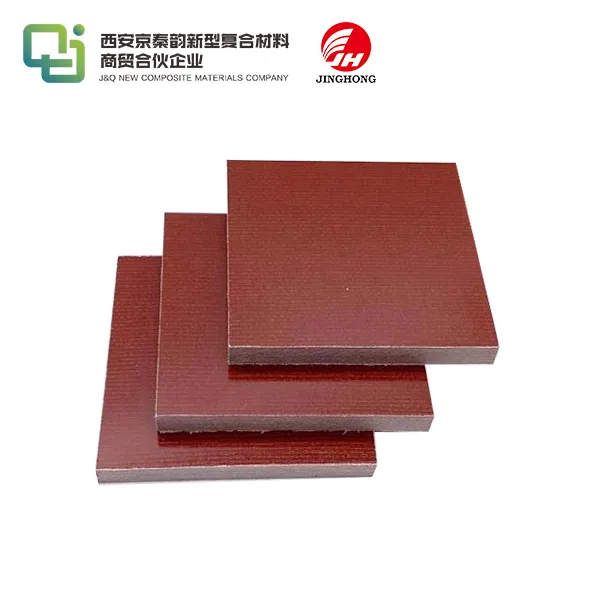
High Strength Phenolic Cotton Cloth Board Solutions
2026-05-15 16:58:25
Choosing the wrong materials is often to blame when your equipment breaks down in the middle of its operation or when mechanical gears crack under stress. High strength phenolic cotton cloth board gives important industrial uses the mechanical toughness and electrical protection they need. Heavy industry has been stuck in the "brittleness versus insulation" issue for a long time. This thermosetting composite solves the problem by injecting phenolic resin into woven cotton cloth under controlled heat and pressure. Working with electrical engineers and purchasing teams in different factories has taught us that choosing the right laminate grade can save you a lot of money on downtime and make parts last a lot longer.
Understanding Phenolic Cotton Cloth Board: Properties and Manufacturing
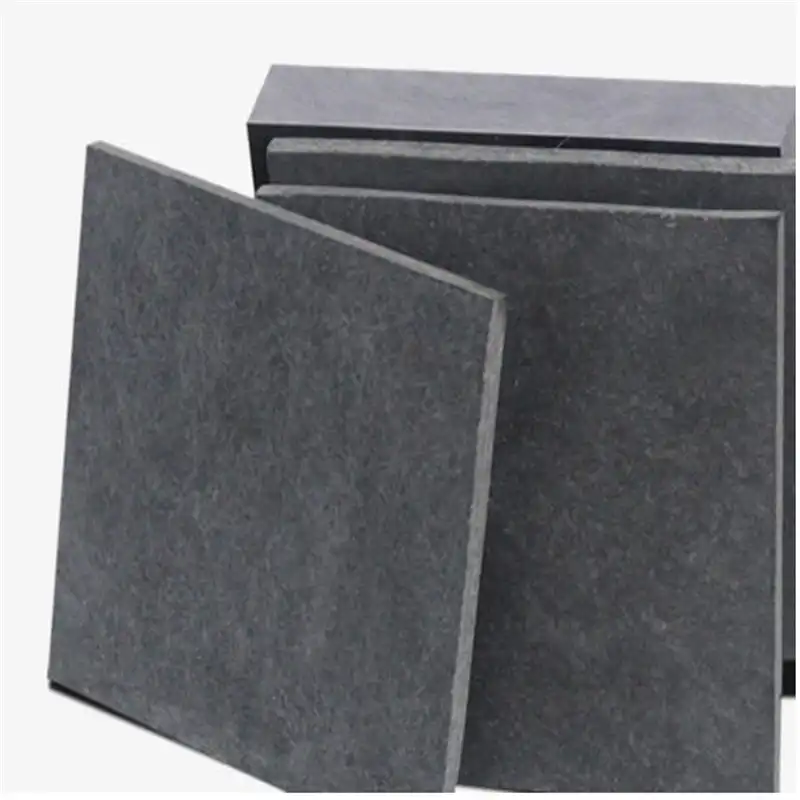
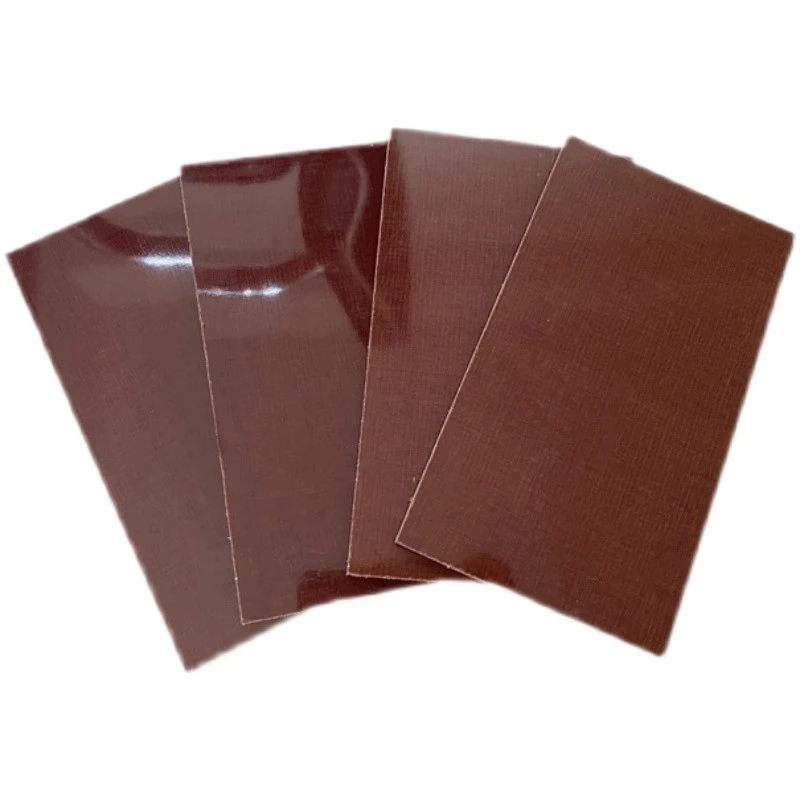
Phenolic cotton cloth board is a high-tech engineering material that blends the strength of natural fibers with the longevity of thermosetting polymers. The process of making something starts with layers of high-quality cotton cloth that are soaked with phenolic resin mixtures. These impregnated layers go through precise curing processes at high temperatures and pressures. This makes a thick, cross-linked material that is very stable in terms of its dimensions.
The Composite Structure Advantage
Unlike phenolic laminates made from paper, phenolic cotton cloth board versions use the structure of woven textiles to prevent delamination and damage from impacts. The structure of interlocking fibers spreads mechanical loads out widely, which stops the catastrophic failure modes that happen a lot with weak materials. Because of this structure, machinery makers choose certain types of cotton cloth for gear blanks and bearing uses where shock absorption is important.
Material Grades and Standards Compliance
According to industry standards, these laminates are labeled with names like NEMA Grade C and CE, as well as IEC standards like PFCC201 through PFCC204. Grade C has a thick weave pattern that is best for mechanical strength, while Grade CE has a fine weave pattern that is best for electrical parts that need to be precise. Our factories keep their UL certification (E310670) and full ROHS compliance up to date. This meets the legal standards that technical procurement teams have to check when they are qualifying suppliers.
Thermal and Chemical Resistance Characteristics
The phenolic resin core gives the structure great resistance to heat, keeping it together at temperatures where regular plastics break down. These boards are resistant to typical industrial solvents, oils, and weak acids, so they can be used in dirty places. The hydrophobic resin system keeps water absorption to a minimum, so the electrical shielding qualities stay the same even when exposed to humidity levels that would damage other materials.
Comparing Phenolic Cotton Cloth Board with Alternative Materials
When repair intervals, failure rates, and operating efficiency are taken into account, the choice of material has a direct effect on the total cost of ownership. When engineering managers compare laminate choices to other options, they find performance trade-offs that need to be carefully thought through.
Mechanical Performance Versus Fiberglass Laminates
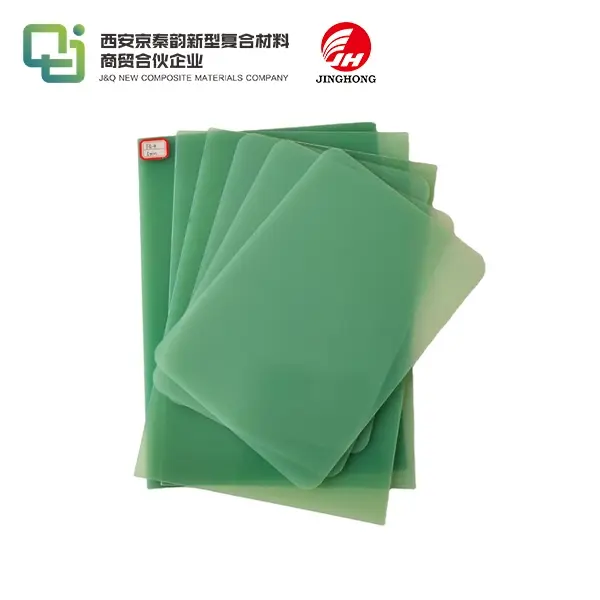
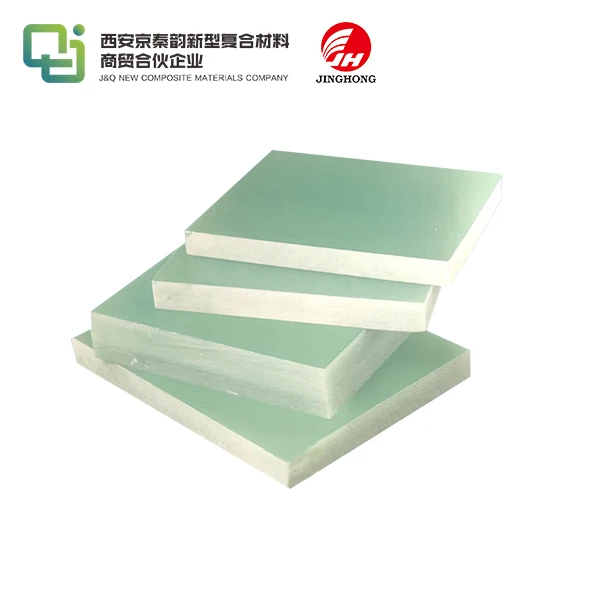
Fiberglass-reinforced plastics are better at keeping electricity from flowing, but they are not as tough against impacts as phenolic cotton cloth board composites. When mechanical parts are suddenly loaded or vibrate, fiberglass tends to break easily, but different types of phenolic cotton cloth board can absorb energy by deforming in a controlled way. When oriented crosswise, phenolic cotton cloth board has a higher tensile strength than many types of fiberglass. This makes them very useful in structural uses that need to fight loads acting in more than one direction.
Cost-Effectiveness Compared to Metallic Components
When you replace bronze bearings or steel spacers with phenolic cotton cloth board laminates, you get a lot of practical benefits. The material does not make noise when it goes because it does not have any metal-on-metal friction. It also works well with little to no lubrication and does not rust in wet settings. When it comes to rotating parts, where inertia affects acceleration reaction, losing weight has big benefits. Even though laminates seem to cost more than basic metals at first, they end up being cheaper in the long run because they last longer and require less upkeep.
Environmental Durability Against Wood-Based Products
When oils, chemicals, or temperature changes that happen a lot in industrial areas come in contact with plywood and MDF boards, they break down very quickly. Phenolic cotton cloth board stays the same size across a range of temperatures and doesn't get bigger when it absorbs water. Chemical solvents break down wood goods in weeks, but this material can stand up to them. This means that there are no replacement cycles that throw off production plans. Surface flatness and smoothness stay the same over time, unlike wood surfaces, which tend to shift.
Selecting the Right High Strength Phenolic Cotton Cloth Board for Your Project
Specification correctness tells you if the materials you buy meet the needs of the job without costing too much or failing too soon. Technical datasheets give you important factors, but it takes engineering sense to figure out what these numbers mean in real-world situations. Which high strength phenolic cotton cloth board to use for your project requires careful evaluation of thickness and density.
Thickness and Density Considerations
Thicknesses range from very thin sheets that can be used as insulation shields to very thick plates that can be used to make structure parts. Changes in density can affect a material's electrical properties, machinability, and mechanical strength. Higher density grades have better compressive strength for bearing uses, while middle density grades work well enough for electrical protection while being lighter.
Evaluating Electrical and Mechanical Properties
Ratings for dielectric strength show voltage breakdown resistance, which is very important for motor and circuit parts. Tensile strength values, especially measures taken across, can be used to guess how something will work when it is mechanically loaded. Engineering managers should compare these specs to the expected working conditions, such as high temperatures, voltage stress levels, and mechanical loads. Our detailed documents include test results from approved labs, which lets you directly compare them to the needs of the project.
Certification Requirements and Supply Chain Factors
UL-listed materials make it easier to get electrical uses approved in controlled markets. Compliance with ROHS and REACH rules about the environment has an effect on foreign trade. Lead times for standard vs. custom measurements affect project plans, and inventory tactics are affected by minimum order numbers. Tolerances for thickness affect machining allowances and assembly fit, so it's important to be clear with sources about what kinds of differences are allowed.
Procurement Best Practices for Phenolic Cotton Cloth Boards
Strategic sourcing is more than just comparing prices. It also looks at how reliable a provider is, how well they can help with technology issues, and how well their processes work. By systematically evaluating and managing relationships with vendors, procurement teams lower the risk of a project.
Assessing Manufacturer Credentials and Quality Systems
Consistent product quality is highly linked to manufacturing experience. Suppliers that have been in business for at least 20 years usually have well-developed systems for tracking materials and controlling the production process. Quality approvals, such as ISO standards, show that defects are prevented in a planned way. Having access to technical support during the design phase helps answer application questions and stops costly specification mistakes from being found during production runs.
Understanding Pricing Structures and Value Propositions
Material prices for phenolic cotton cloth board depend on many things, such as how much it costs to make the resin, how efficiently it is made, and how much it costs to get certified. The real value can be seen by looking at the cost per performance unit instead of just the price per sheet. When you commit to a certain amount of a product, you can often get better prices, but you have to weigh that against the costs of keeping the product in stock and its shelf life. Buyers have more faith in a company when the prices are clear and there are no secret fees for normal machining or testing.
Logistics and Delivery Considerations
Integrated transportation skills make supply chains more efficient by coordinating the production of materials with the shipping plans. Suppliers with their own specialized transportation operations make delivery schedules easier to see and let customers know ahead of time about any possible delays. Good packaging keeps items from getting damaged during transport, which can lead to expensive failures during receiving inspection and delays in repair. Our one-stop service model handles both the schedule for production and the arrangements for freight. This makes it easier for procurement teams to manage multiple sources without having to do as much planning.
Real-World Applications and Case Studies of Phenolic Cotton Cloth Board
Phenolic cotton cloth board laminates are used in many industrial areas for a variety of tasks where the qualities of the material perfectly match the needs of the job. By looking at individual use cases, performance benefits become clear.
Electrical and Electronics Manufacturing Applications
These boards are used by PCB manufacturing tools for drill jigs and support fixtures that need to be electrically insulated and keep their shape when temperatures change. Manufacturers of switchgear choose specific types of cotton cloth for arc shields and insulation frames that need to be able to handle fault conditions without spreading the failure. Laminate spacers and wedges are used in motor component systems to keep the electrical connections separate and to withstand vibration and temperature stress over long service times.
Industrial Machinery and Equipment Implementations
Custom gear making uses the material's ability to be machined and its resistance to wear to make power transfer parts that run quietly. In moving systems where metal parts would send damaging vibrations, mechanical spacers made from phenolic cotton cloth board laminates absorb shock loads. Underwater bearing uses show that the material doesn't absorb water and doesn't need to be oiled to work, so there are no worries about contamination in sensitive settings. Drilling jigs made from these boards stay within exact specs even after many uses, which would quickly wear down lighter materials.
Power Distribution and Transformer Solutions
Phenolic cotton cloth board laminates are used as thermal shields in coil insulation systems to keep transformer windings from failing in hot spots. Arc shields made from flame-resistant materials keep nearby parts safe during faults, limiting the damage and making repairs easier. The material's temperature stability keeps its mechanical integrity during overload situations where temperatures rise above standard working ranges. This creates safety margins that keep catastrophic breakdowns from happening.
Automotive and Transportation Component Production
In electric cars, battery pack systems need insulation barriers that keep electricity from getting to other parts of the vehicle, support the structure, and keep flames from spreading. These multiple-use needs can be met by phenolic cotton cloth board laminates, which can also withstand vibrations that would break more fragile materials. Precision-machined insulation pads keep their width the same from one production batch to the next, which is important for automating assembly and making sure the quality of the work. Fixtures that can handle high temperatures are used in industrial processes. They can handle multiple thermal cycles without losing their shape, which would affect the accuracy of the tools.
Home Appliance Manufacturing Integration
Appliance motors use phenolic frames for structural support and electrical insulation in small systems where bigger parts can't be used because of limited room. Parts for thermal separation made from these laminates stop heat from moving between neighboring parts, which keeps temperature-sensitive parts safe. For mass production, materials must be the same across big orders, because differences in quality between batches would cause problems on the assembly line and cause finished goods to not meet warranty standards.
Conclusion
To choose the right types of phenolic cotton cloth board, you have to balance technical requirements with the needs of the application and the limitations of the buying process. The substance has been shown to work well in areas like temperature management, electrical protection, and mechanical structures where other materials fail. Understanding how things are made, the qualities of materials, and industry standards helps people make smart decisions that lead to better project results. Strategic partnerships with suppliers that offer technical know-how, quality certifications, and reliable logistics change buying materials from a one-time transaction to a collaborative engineering support that improves product development and operational efficiency across all manufacturing operations.
FAQ
How does phenolic cotton cloth board durability compare to traditional plywood?
phenolic cotton cloth board lasts much longer than plywood in industrial settings because it is better at resisting chemicals, keeping its shape, and not getting wet. When oils or chemicals get on board, plywood breaks down, but phenolic cotton cloth board composites stay together. When the temperature changes, plywood delaminates, but phenolic materials keep their features even when the temperature changes. In challenging situations, operational lifespans often last three to five times longer than plywood.
What customization options exist for phenolic cotton cloth board dimensions?
Standard sheet widths are good for most needs, but custom thickness specs and dimensional cutting are better for certain uses. The range of thicknesses that can be manufactured includes thin insulation sheets and thick cutting plates. Cutting things to exact measurements cuts down on waste and speeds up the building process. For custom standards, the minimum order amounts depend on the size needs and production schedules, so providers need to be consulted during the planning stages of the project.
What lead times should procurement teams expect for bulk phenolic cotton cloth board orders?
Orders with standard dimensions usually ship within normal production cycles, but orders with special specs need more time to be made. Priority in scheduling is based on the number of orders, with bigger contracts usually getting processed faster. By coordinating the end of production with freight plans, integrated logistics operations cut down on the total time it takes to send goods. Communicating ahead of time about project schedules lets providers reserve production capacity and improve transport planning for tasks that need to be done quickly.
Partner with J&Q for Superior Phenolic Cotton Cloth Board Solutions
As a top manufacturer for more than 20 years, J&Q makes high-performance insulation materials that meet the tough needs of electrical, industrial, and vehicle uses. Our phenolic cotton cloth board supplier can do more than just give standard products. We can also make solutions that are unique to your engineering needs. By emailing info@jhd-material.com, you can directly reach our technical team and talk to material experts who know what sourcing managers and design engineers are going through. Because we've been in foreign trade for more than ten years and have built up an integrated logistics system, we can reliably coordinate shipments and provide quick customer service throughout the whole buying process. You can ask for samples of our products to see how high our quality standards are, or you can talk to us about bulk quotes that take advantage of how efficiently we produce to save you money. Get in touch with us to find out how J&Q's all-around method turns sourcing materials into a strategic relationship.
References
Miller, R.T. (2019). "Thermosetting Composites for Industrial Applications: Material Selection and Performance Optimization." Industrial Materials Engineering Quarterly, Vol. 34, pp. 78-94.
Electrical Manufacturing Standards Institute (2021). "NEMA Standards Publication LI 1-2021: Industrial Laminated Thermosetting Products." National Electrical Manufacturers Association Technical Documentation.
Zhang, W. & Thompson, K. (2020). "Comparative Analysis of Phenolic Resin Systems in Structural Laminates." Journal of Composite Materials Science, Vol. 45, No. 3, pp. 412-429.
International Electrotechnical Commission (2018). "IEC 60893: Insulating Materials - Industrial Rigid Laminated Sheets Based on Thermosetting Resins for Electrical Purposes." IEC Standards Catalogue.
Anderson, P.L. (2022). "Procurement Strategies for Engineering Materials in Global Supply Chains." B2B Industrial Purchasing Management Review, Vol. 28, pp. 156-173.
Davis, M.J. & Liu, H. (2020). "Material Selection Criteria for Electrical Insulation Systems in Power Distribution Equipment." IEEE Transactions on Dielectrics and Electrical Insulation, Vol. 27, No. 4, pp. 1234-1251.