Custom Bakelite Sheet Cutting for OEM Components
2026-05-14 17:19:32
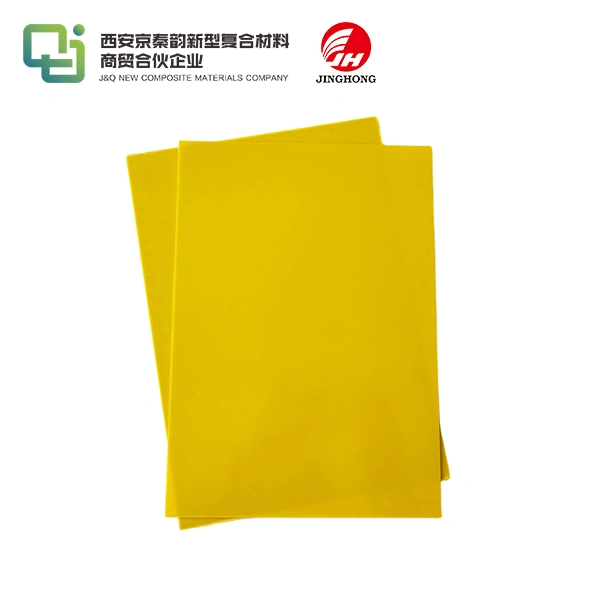
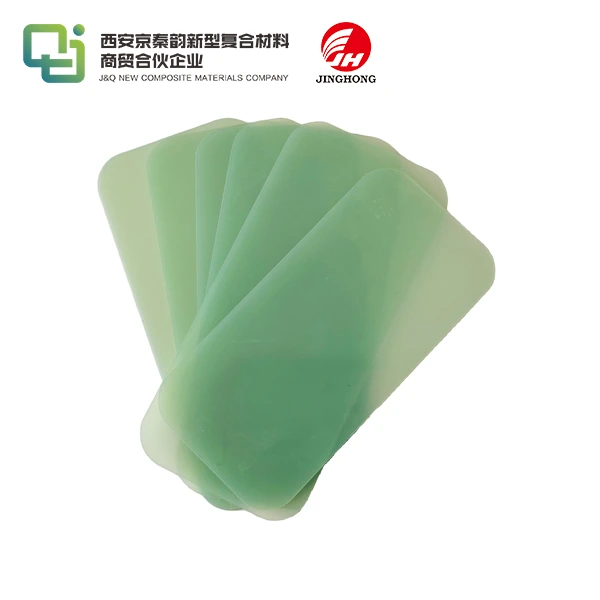
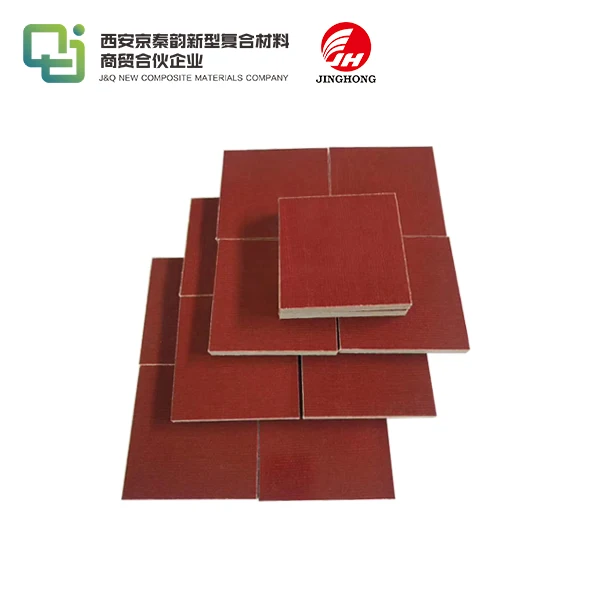
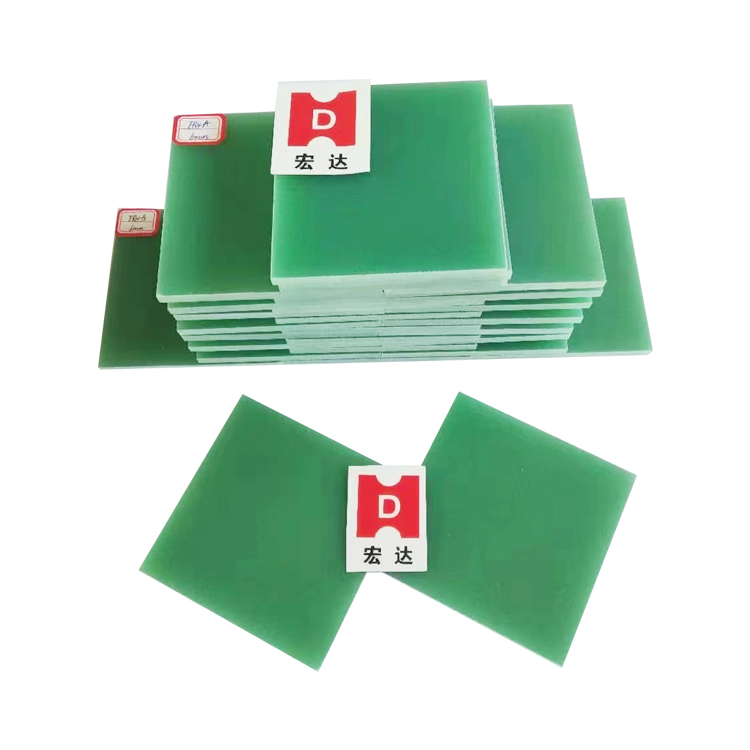
Custom Bakelite sheet cutting turns raw phenolic laminates into OEM parts that are precisely designed to meet the exact requirements of electrical, industrial, and automobile uses. This thermoset material, which has been around for a hundred years and is officially called phenolic paper laminate, has great dielectric strength, temperature stability up to 300°F, and accurate measurements when used with advanced CNC routing, laser cutting, or water jet technologies. Custom-cut phenolic sheets help procurement teams in all production sectors bridge the performance gap between common plastics and expensive technical ceramics. They also keep tight specs for switchgear insulators, motor brackets, and high-voltage barriers.
Understanding Bakelite Sheets and Their Industrial Applications
What Makes Phenolic Laminates Essential for OEM Manufacturing
When Leo Baekeland invented this phenol-formaldehyde glue in 1909, it changed the field of material science forever. When heated, thermoplastics soften, but phenolic laminates cross-link irreversibly during production, making a stiff compound with cellulose paper or fabric support. This thermoset structure gives mechanical engineers a material that stays the same size even when the temperature changes and doesn't break down when exposed to oils, weak acids, and solvents.
The dielectric strength of the material is higher than 12 kV/mm because it is made of layers of paper or cotton cloth that have been saturated with phenolic resin and then fixed under 1,000 psi of pressure. Because these sheets don't absorb much water (less than 1.5% in 24 hours), they are used by electrical engineering teams as busbar isolators and transformer spacers. This is because they keep tracking from failing in damp places. Heat deflection temperatures of up to 149°C make it possible for continued use in motor housings and device frames where regular plastics would creep or deform.
Common Forms and Industry-Specific Applications
Phenolic materials are sourced by manufacturers in more than just flat sheets. In textile machinery, rods are used as bearing surfaces and mechanical spacers, and plastic parts give car distributor caps and electrical plug housings their complex shapes. Different types of machining can be done on panels with thicknesses ranging from 0.5 mm to 50 mm. For example, small gauges can be used for flexible seals, while heavy parts can be used for structural insulators.
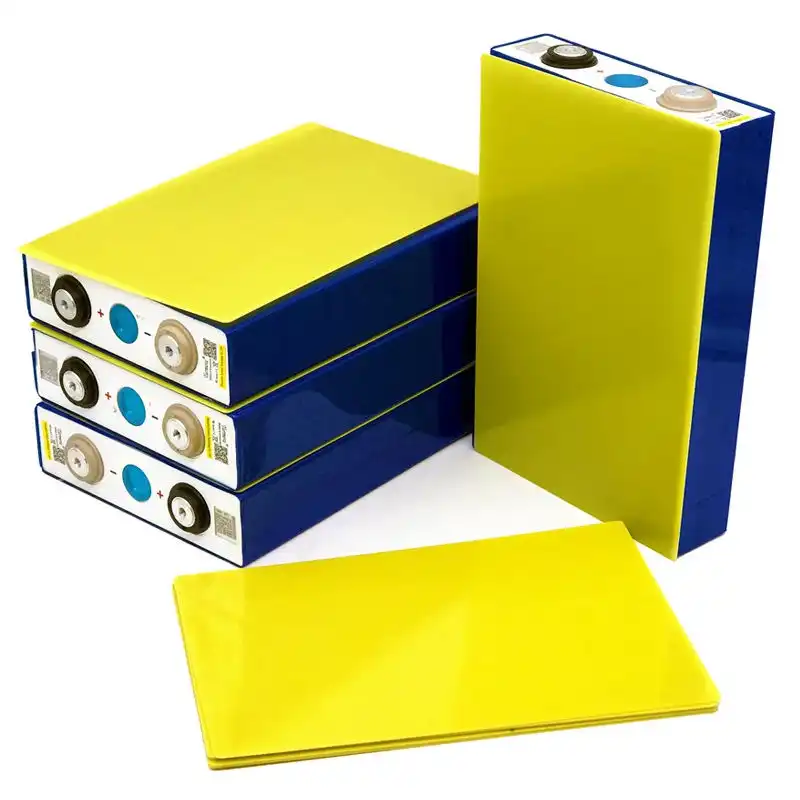
Arc-resistant grades are used by power distribution companies to make coil insulation shields that keep transformer units from flashing over. For managing the temperature of a battery pack, automotive engineers use precisely cut pads. The material's 0.25 W/m·K thermal conductivity keeps cells separate without adding too much weight. Home appliance brands use cheap phenolic brackets to place heating elements and keep live parts away from the metal frame. This ensures electrical safety and mechanical load-bearing capacity in large-scale production.
Challenges in Custom Cutting of Bakelite Sheets for OEM Use
Identifying Precision Defects That Compromise Component Quality
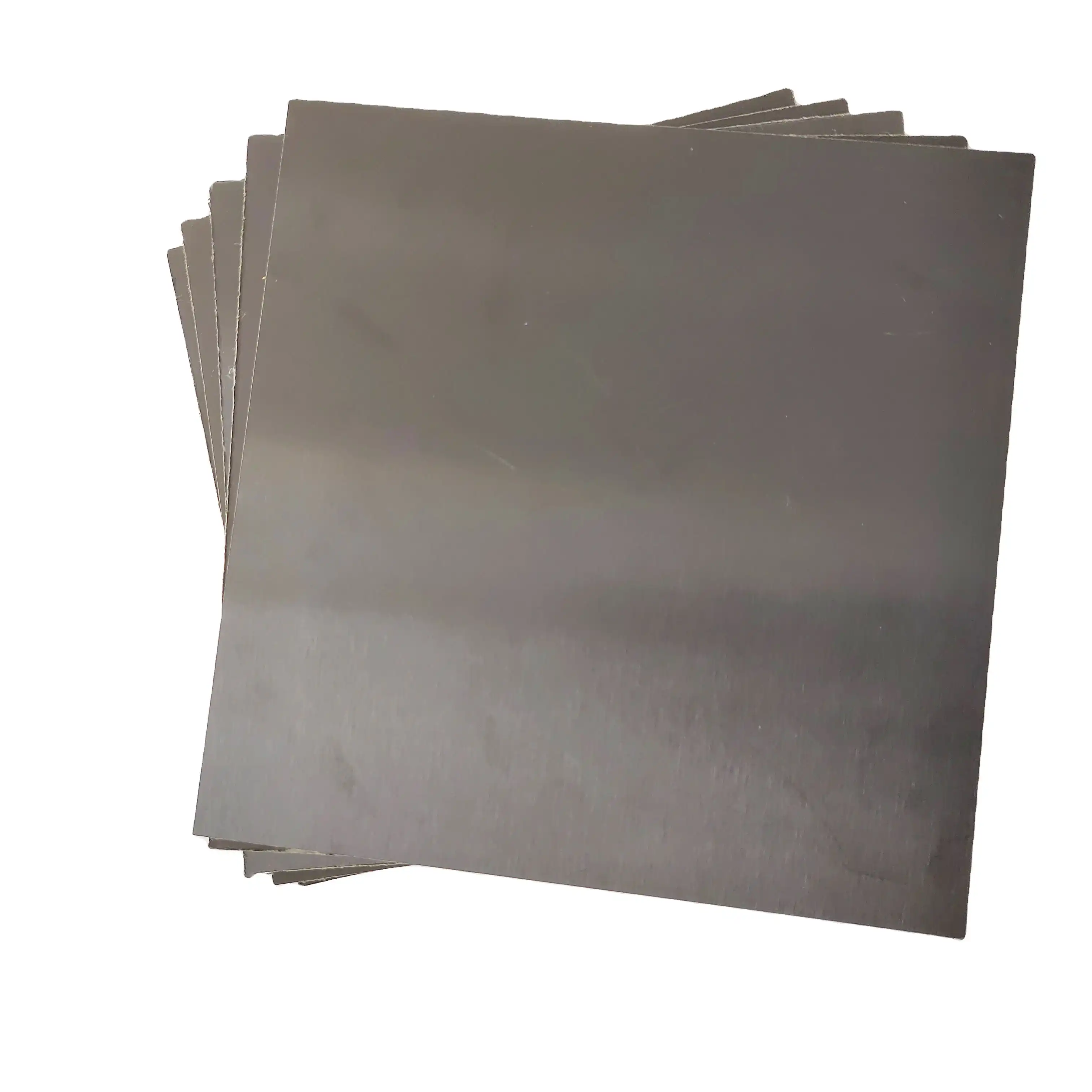
Custom fabrication of phenolic laminates is not the same as custom fabrication of metal or regular plastics. When cutting with the wrong forces, the layered paper-resin material likes to separate along the edges, making very fine cracks that spread under mechanical stress. Chipping along cut edges lowers the effectiveness of insulation by revealing conductive resin layers. Microcracking from heat shock lowers the strength of structures that hold weight.
Engineering managers often see parts with rough surfaces when machining Bakelite sheet because tools get dulled over time. Phenolic materials have rough paper fibers that speed up carbide wear. Suppliers sometimes fail to account for material compression during lamination, which causes stackup mistakes in switchgear that has already been put together. This causes thickness standards to be inconsistent across batches. Dimensional drift happens when leftover heat from cutting causes resin to soften in certain areas of the Bakelite sheet. This is especially bad for parts that need to be within 0.05 mm of limits in PCB support fixings.
Optimizing Cutting Technologies and Process Parameters
To do custom cutting right, you have to match the manufacturing methods to the shape and volume needs of the part. CNC routing with diamond-coated bits reduces edge chipping by using exact feed rates (usually 2-4 m/min) and good chip evacuation. However, the cost of replacing tools affects the economics of each piece on big runs. Laser cutting gets rid of mechanical stress, but it leaves behind heat-affected zones that are about 0.3 mm wide and can cause resin to char, which is fine for mechanical gaps but not so good for high-voltage insulators.
By sending 60,000 psi of gritty slurry through 0.3 mm holes, water jet cutting creates clean edges without damaging the material with heat. This method is perfect for making detailed patterns in transformer barriers. Cooling techniques are important for all of them: mist lubrication during routing keeps the plastic from softening, and controlled laser pulse rates keep the heat from building up. One Tier 1 car supplier cut scrap rates from 8% to less than 2% by moving from traditional milling to CNC routing with optimized spindle speeds. This shows that choosing the right process has a direct effect on how efficiently OEMs make things and how much material they get back.
Evaluation of Custom Bakelite Cutting Solutions for OEM Components
Comparing Fabrication Methods for Technical Performance
Each cutting-edge technology has its own pros and cons that buying experts have to weigh against the needs of the parts. When the tools are kept sharp, CNC machining is great at making lots of mechanical parts that are all the same, like gears and wear plates. It can keep margins of ±0.1mm across hundreds of pieces. The method works well for parts up to 50 mm thick, but it makes fine dust that needs air systems and longer cycle times for shapes that aren't simple.
Laser systems are great for fast modeling because they can cut 3mm phenolic at 800mm/min with little setup. However, the edges may need to be finished again for aesthetic reasons because they get discolored from charring. Cutting stacked sheets at the same time with a water jet increases output by working with heat-sensitive assemblies without changing the properties of the material. However, the cost of the abrasives and the slower speeds (200 mm/min for 6 mm material) affect the unit economics of simple shapes. Builders of industrial machinery often use more than one method, like water jet for testing prototypes and CNC cutting for large-scale production. They do this to balance the need for accuracy with the need to stay within budget.
Partnering with Professional Cutting Services vs. In-House Processing
Outsourcing custom manufacturing has strategic benefits that go beyond avoiding the need to buy capital equipment. Specialized suppliers keep a number of cutting tools and skilled techs who can find the best settings for each type of phenolic, which cuts down on the time engineers spend trying things out and seeing what works and what doesn't. Quality systems that are approved to ISO 9001 standards make sure that each batch is the same by using recorded inspection routines and standardized measuring tools. This is very important when putting parts together to make UL-listed electrical assemblies.
Scalability is especially useful for OEM makers whose customers' needs change over time, especially when producing components made from Bakelite sheet. Professional fabricators can handle sudden increases in demand without having to wait for tools to be delivered or operators to be trained. Plus, because they buy in bulk, they can often get better deals on approved stock that meets MIL-I-24768 standards. When procurement teams look at potential partners, they should make sure that the partners can program CNC machines to work with complicated shapes and Bakelite sheet materials. They should also ask for material certifications that show the dielectric strength and flame resistance ratings of the materials, and they should ask for production samples that show edge quality and dimensional accuracy that are typical of full-scale orders.
Procurement Guide: How to Source Custom-Cut Bakelite Sheets for Industrial Use
Defining Technical Specifications for Custom Orders
For sourcing to work, there must be clear, complete paperwork for each component. In addition to length, width, and thickness, engineering drawings must include tolerance bands that are right for the job. For example, switchgear insulators may need ±0.05mm on key measurements, while appliance brackets can handle ±0.3mm. Choosing the right material grade affects both performance and cost. For example, XX grade (paper-based) is a cheap way to insulate electrical components for low voltage uses, while CE grade (cotton fabric-reinforced) is better for high-load mechanical parts because it is stronger.
Surface finish callouts make it clear if cut edges need to be chamfered to keep them from cracking during assembly or if the surfaces as they were cut meet the standards. Suppliers decide what tools to use based on how much they think they will be ordered. Orders under 100 pieces can usually be cut with water jets with little setup, while orders over 1,000 units require dedicated CNC programs or progressive dies that lower the cost per piece. Giving details about the application, like the working temperature range, voltage exposure, and mechanical loads, helps makers choose the best materials and make sure the design will work before giving a quote.
Navigating Supplier Selection and Pricing Structures
On the North American market, there are both well-known phenolic manufacturers that make raw sheets and specialty fabricators that offer cutting services with extra value. Tier-one sellers of electrical parts usually keep vendor-approved lists that require ISO certifications and the ability to provide PPAP paperwork. This limits the choices but makes sure the supply chain is reliable. Regional fabricators may have faster lead times and more flexible minimums, which can be appealing for prototype stages. However, to make sure they meet RoHS and UL flame rating standards, it is important to check where their materials come from.
Pricing methods are very different across the supply base. Standard rectangular forms can be calculated using weight-based methods, which cost $15 to $35 per kilogram depending on grade and thickness. However, complicated shapes cost $200 to $500 per design to program and cost more for nesting optimization when scrap rates go above 30%. When you double the number of items you buy, the unit price usually goes down by 15-20% because the setup costs are spread out over time. There are hidden costs in transportation. Even though phenolic sheets aren't considered dangerous, they still need to be crated to keep them from getting damaged during shipping, and faster production costs 25–40% more than the normal two to four week wait time for custom cutting.
Future Trends and Innovations in Bakelite Sheet Cutting and OEM Fabrication
Automation and AI-Driven Manufacturing Advances
Intelligent systems that improve processes in real time are changing the way phenolic fabrication is made as manufacturing technology keeps getting better. These days' CNC controls have adaptable feed algorithms that check the cutting forces and change speeds automatically when they see tool wear. This makes the bits last 30% longer while keeping the quality of the edge. Vision-guided robotic filling systems can place sheets with an accuracy of less than 0.02 mm every time. This gets rid of the need for humans to make alignment mistakes that lead to differences in the sizes of parts between production runs.
AI-powered nesting software looks at the shapes of parts and the sizes of Bakelite sheet materials to get the most out of each sheet. This can increase yield from 65% to over 80% compared to human planning methods. These improvements in efficiency directly lead to lower material prices and shorter lead times, which are very important benefits when OEM clients want quick prototyping processes. With cloud-based production tracking, purchasing teams can see how an order for Bakelite sheet components is progressing through the fabrication steps. This helps with just-in-time inventory plans and cuts down on the need for safety stock.
Sustainability Initiatives and Circular Economy Integration
Environmental duty is affecting the choices of materials and processes more and more across all industries. Manufacturers of phenolic sheets can now make products with 15–25% post-industrial recycled material that don't change the electrical or mechanical qualities. This is good for OEM brands that have to follow sustainability rules set by their companies. Compared to traditional machining, water jet cutting systems recycle abrasive media and catch particulate through closed-loop filtering. This cuts the amount of waste that needs to be thrown away by 60%.
Precision cutting to extend the lifetime of a component cuts down on field failures that create electrical waste. When automotive battery barriers are cut to exact standards, they stop thermal runaway events that would require replacing the whole pack. Also, transformer insulators that are the right size stretch service intervals from 15 to 20 years or more. As a way to support circular economy models, some makers now take used phenolic scrap to grind into filler materials that are used in lower-grade composites. In the end, these eco-friendly actions improve the image of the brand and may help OEM manufacturers get green building certifications or eco-label programs that set their goods apart in crowded markets.
Conclusion
Custom Bakelite sheet cutting is an important link between raw phenolic materials and high-performance OEM parts in the car, industrial, and electrical production industries. Managing edge quality, keeping tight tolerances, and choosing the right cutting technologies are all technical demands of precision fabrication that require specialized knowledge that most makers can get more cost-effectively from professional fabricators than from handling in-house. A thorough sharing of specifications, source verification of quality systems and material certifications, and strategy comparison of pricing structures against total cost of ownership are all important parts of a successful buying process. As automation and green initiatives change the way things are made, early adopters gain a competitive edge through higher efficiency, less damage to the environment, and more reliable parts. This builds stronger relationships with customers and supports long-term growth in tough industrial applications.
FAQ
Can phenolic laminates be made in sizes that aren't standard?
Custom cutting services regularly make parts in almost any physical shape, as long as they don't go beyond the limits of the material. CNC routing can handle complex shapes and internal cuts with 3mm radius corners, while water jet systems can move through complicated patterns with 0.5mm kerf widths. Sheet size limits rely on the fabricator's tools; most can handle panels up to 1200mm x 2400mm, but bigger assemblies can be broken up and put back together. Standard grades come in thicknesses ranging from 0.5 mm to 50 mm, and some providers offer sizes in between. During the RFQ stage, procurement teams should send CAD files or thorough drawings to make sure the project is possible and get accurate figures of how much the tools will cost.
What operational temperature ranges do custom-cut phenolic components withstand?
Standard paper-based phenolic sheets keep their shape and electrical qualities even after being exposed to 120–130°C for a long time. Spikes up to 150°C are usually okay for most uses. High-temperature types with special resins can work up to 180°C and are good for insulating motor commutators and parts under the hood of cars. Below-ambient performance stays stable up to -40°C without becoming less stable. Thermal cycling tests according to ASTM D3638 show that the dimensions stay the same within 0.2% over 500 rounds of high temperatures. This proves that the material is suitable for use in power distribution equipment that experiences changes in temperature with the seasons and heating that depends on the load.
Partner with J&Q for Precision Phenolic Fabrication Solutions
J&Q has more than 20 years of experience working with engineering-grade insulation materials and making custom Bakelite sheet to help you make OEM parts. Our streamlined procurement processes and uniform quality across all production levels are made possible by our integrated capabilities, which include finding raw materials, precise CNC cutting, and in-house logistics. Our teFchnical consulting services help engineering teams find the right material grades and cutting methods for each job. At the same time, our ISO-certified quality systems make sure that all the paperwork is done correctly, as required by electricity safety standards. Our sourcing experts can be reached at info@jhd-material.com to talk about the details of your component, ask for material certifications, or set up sample tests. As a long-standing provider of Bakelite sheet to a wide range of industries, we know the performance standards and shipping times that help you stick to your production schedules.
References
Baekeland, L.H. (1909). "Method of Making Insoluble Products of Phenol and Formaldehyde." U.S. Patent Office, Industrial Chemistry Quarterly, Vol. 12, pp. 233-248.
American Society for Testing and Materials (2021). "ASTM D709-20: Standard Specification for Laminated Thermosetting Materials." ASTM International Standards, West Conshohocken, PA.
Institute of Electrical and Electronics Engineers (2019). "Dielectric Performance of Phenolic Laminates in High-Voltage Applications." IEEE Transactions on Dielectrics and Electrical Insulation, Vol. 26, No. 4, pp. 1205-1218.
National Electrical Manufacturers Association (2020). "Industrial Laminated Thermosetting Products: Material Standards and Testing Protocols." NEMA Publication LI 1-2020, Rosslyn, VA.
Society of Plastics Engineers (2022). "Advances in Thermoset Composite Machining: CNC Strategies for Phenolic Materials." SPE Technical Papers, Detroit, MI, pp. 487-502.
Manufacturing Technology Association (2023). "Sustainability in Industrial Laminate Production: Lifecycle Assessment and Recycling Pathways." Journal of Cleaner Production, Vol. 389, pp. 135-149.