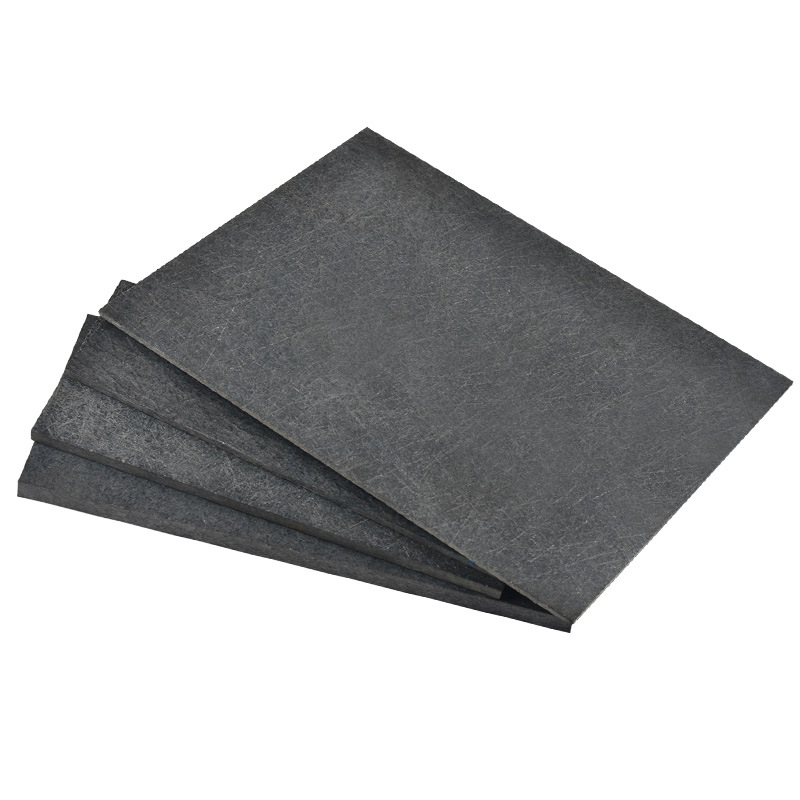
Custom G10 Fiberglass Sheet Fabrication Services
2026-05-14 17:19:30
When purchasing and engineering managers look for solid insulation materials, G10 fiberglass sheet stands out as a good choice. This high-pressure thermosetting laminate is made of weaved glass cloth and epoxy resin. It has great electrical protection, mechanical strength, and thermal stability. Custom manufacturing services can turn standard sheets into precise parts that are made just the way you want them, whether you're making PCB supports, motor housings, or insulation for buildings. Knowing how these services work and picking the right manufacturing partner can have a big effect on how quickly and reliably you can make products.
Understanding G10 Fiberglass Sheet: Properties, Manufacturing & Applications
What Are G10 Fiberglass Sheets?
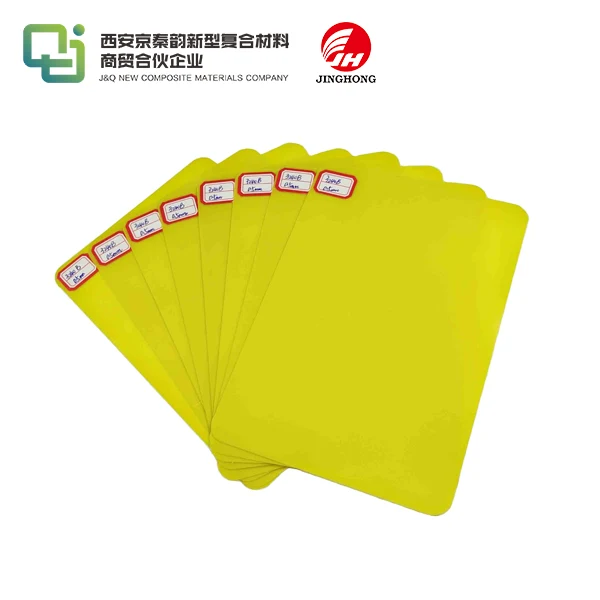
G10 fiberglass sheet is a special kind of composite material that is made up of many layers of glass cloth that are fully soaked with epoxy resin. These layers are put through a lot of heat and pressure during the making process. This makes a thick structure that meets NEMA (National Electrical Manufacturers Association) G10 fiberglass sheet standards. This way of building makes a material that doesn't break down when exposed to water, chemicals, or electricity. This makes it better than regular plastics in harsh settings. Using epoxy and glass together makes a finished product that stays the same size even when temperatures change, which is good for industrial settings where people are worried about twisting or breaking down.
How Is G10 Made?
The first step in making something is mixing glue, fiberglass strands, and stiffening agents. Covering glass cloth with this mixture makes prepreg, which is material that is saturated with resin before it cures completely. Then, the manufacturers cut these covered fabrics into specific shapes and stack them in the right order. With controlled heating processes and hydraulic presses that put thousands of pounds of pressure per square inch on the layers, they join together to make a solid laminate. This method makes sure that the width tolerances are always the same, which is very important for CNC cutting and assembly. During production, quality control checks make sure that the dielectric strength, tensile properties, and surface finish all meet foreign standards such as UL and ROHS approvals.
Core Applications Across Industries
Electrical and electronics companies use these laminates for PCB support structures because they are accurate in size and don't conduct electricity, which stops short circuits. Power distribution companies use them as arc shields in switches to keep people and equipment safe from flames. They are used by people who make industrial tools as mechanical spacers and wear-resistant gears that can handle heavy loads without deforming. Automotive experts use them as battery pack dividers because they are good at managing heat, which is important for the safety of electric vehicles. Each use shows how the qualities of a material match up with specific operating needs. For example, dielectric strength is needed in transformers, and precision machinability is needed for appliance parts.
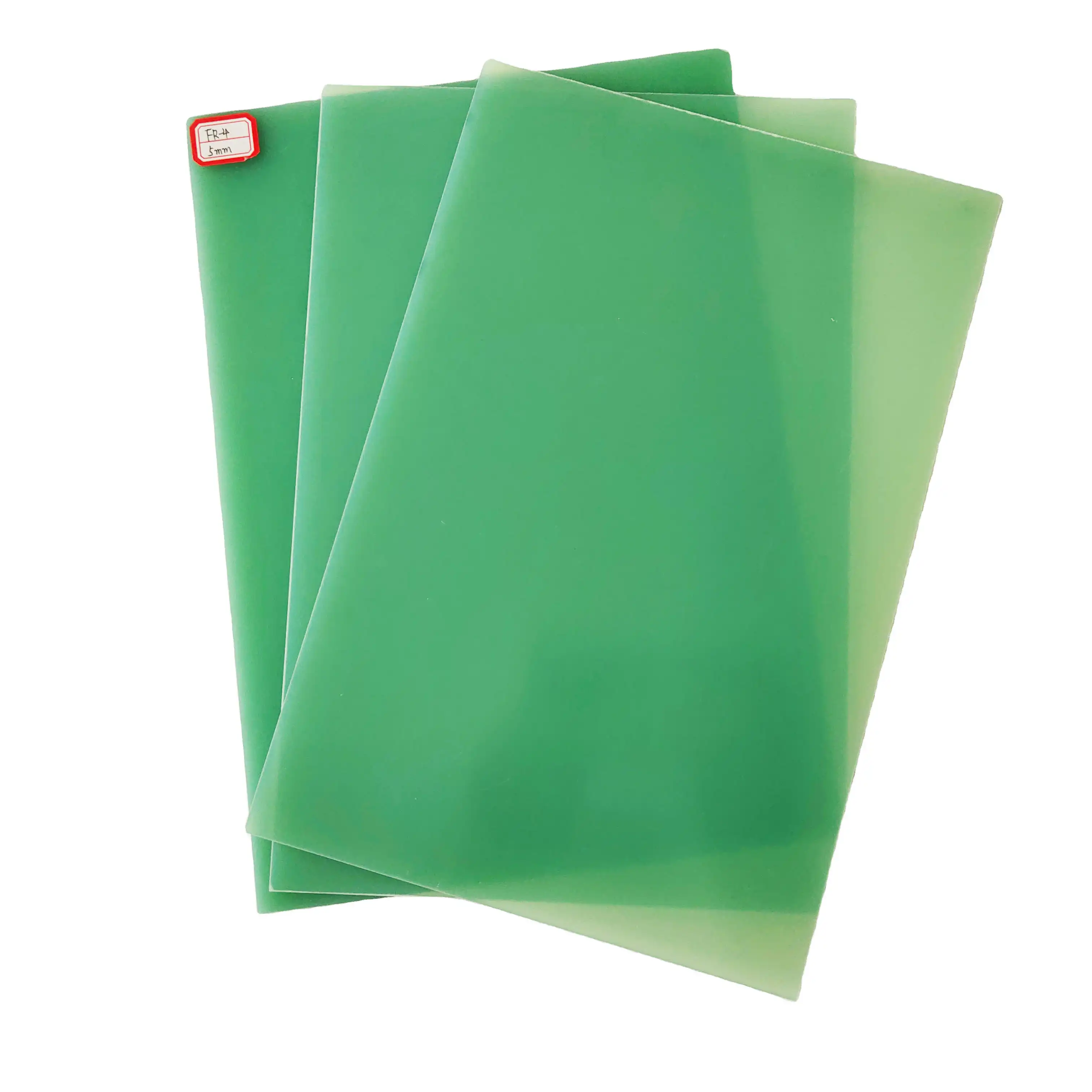
Comparing G10 Fiberglass Sheet with Alternative Materials
G10 Versus FR4: Understanding the Distinction
Both are made of glass-epoxy, but FR4 is better because it has flame-retardant additives, which are required by fire safety rules. G10 fiberglass sheet has a slightly higher mechanical strength and a lower water absorption rate, which makes it better for long-term uses that need to keep dimensions more tightly under control. With dielectric constants around 4.5 at normal frequencies, the efficiency of both types of insulation stays about the same. When flame retardancy isn't required by application codes, cost often makes G10 fiberglass sheet the better choice. This lets buying teams get the most for their money without sacrificing structure integrity or electrical performance.
G11 and Higher-Temperature Alternatives
Standard grade materials don't have epoxy glue that can be used in places with very high temperatures because it can soften above 140 degrees Celsius. G11 uses a different epoxy mixture that can withstand higher temperatures, which raises the ongoing service rates to 180 degrees Celsius. In aircraft uses and power production equipment where materials are stressed over and over again by thermal cycling, this improvement is very useful. Even better temperature protection is achieved with G7 silicone laminates, but they give up some mechanical strength in the process. Professionals in procurement weigh these trade-offs against the needs of the project. They choose normal grades for low-cost, moderate-temperature uses and expensive materials for real high-heat tasks.
Carbon Fiber and Metal Comparisons
Carbon fiber alloys are stronger for their weight, but they are also much more expensive and carry electricity, so they can't be used as pure insulation. Metals are great at transferring heat, but they need extra layers of protection when electrical separation is important. Although phenolic laminates are cheaper, they break easily when hit hard. Glass-epoxy laminates are a good compromise because they have good mechanical qualities, good electrical protection, and reasonable prices. This balance is what makes them so popular in fields where a lot of performance requirements need to be met at the same time without spending too much on materials.
Custom Fabrication Services for G10 Fiberglass Sheets: Meeting Your Specific Needs
Advanced Machining Capabilities
CNC routing, laser cutting, and waterjet technologies are used in modern manufacturing shops to turn flat sheets into complicated shapes. CNC cutting is great at making complex shapes, holes, and patterns with accuracy of ±0.005 inches, which is perfect for the precise needs of electronics assembly. Laser cutting makes clean lines on smaller sheets, which means less work needs to be done afterward. Waterjet systems can cut through thicker laminates without creating hot spots that could damage the material's qualities. With these features, engineering teams can get parts that are ready to be installed right away. This cuts down on the work that needs to be done on-site and speeds up production plans.
Flexible Order Parameters
Reliable manufacturers can handle projects of different sizes by adjusting their minimum order amounts. For design approval, prototype runs might only need a dozen pieces, while production orders can include thousands of units that are made all the time. Options for thickness range from 0.020 inches to several inches, and sheets can be up to 48 by 96 inches before they need to be cut. When standard sizes don't work for the design, custom measurements cut down on wasteful material use. Transparent pricing models take into account the amount of material, the difficulty of the cuts, and the amount of output. This helps procurement specialists make accurate cost predictions during planning cycles.
Lead Time Considerations
Standard G10 fiberglass sheet stock can usually be shipped within days if the sizes match what's in stock. This is helpful for quick repairs or projects that need to be finished quickly. Depending on how complicated the manufacturing is, it can add weeks to the processing time. Simple cuts might take one to two weeks, while complex multi-step cutting can take three or four weeks. For planning project timelines, it's important to build ties with makers who keep enough raw materials on hand and offer flexible scheduling. Making it clear about delivery needs during quotes makes sure that production capabilities and project goals are in sync, which avoids costly delays.
Procurement Guide: How to Source and Buy Quality G10 Fiberglass Sheets
Evaluating Supplier Credentials
When choosing a manufacturer, it's important to check the certificates that show that the quality processes and materials meet standards. Getting ISO 9001 approval shows that you follow set quality management methods throughout the whole production process. When a material is recognized by UL, it means it has passed safety tests for use in electrical uses. ROHS compliance makes sure that there are no restricted dangerous chemicals, which is in line with environmental rules in many places. Checking the providers' production ability makes sure they can keep up with your growing demand without lowering the quality. When application questions come up, how quickly technical support responds is important. Manufacturers with experienced engineers can help with material selection and processing suggestions that keep standard mistakes from being too expensive to fix.
Wholesale Purchasing Advantages
The cost of each unit of G10 fiberglass sheet goes down when you order in bulk because you can save money on materials and make better use of your production runs. Setting up blanket buy deals with scheduled releases keeps prices stable while still letting you change your inventory as needed. This method works best for businesses that know exactly how much they will need. It lets them discuss prices and avoid the costs of keeping too much product on hand. Shipping issues, government paperwork, and payment terms are some of the things that need to be thought about more when doing business internationally. These issues are made easier by suppliers who offer consolidated shipping choices or work with freight forwarders. This is especially true for buyers who have to manage multiple component sources across countries.
Online Platforms Versus Direct Relationships
Digital markets make it easy to compare prices from multiple sellers, which is good for buyers who are looking at their options or only occasionally making an order. Direct connections with manufacturers allow for more in-depth technical teamwork, the development of custom capabilities, and faster help when supplies are low. It's best to use a mix of methods, like platforms for common items and partnerships for important materials that need ongoing engineering input. Finding the best method for each type of material in your buying portfolio will help you be more efficient and build stronger relationships with your suppliers where it means the most.
Ensuring Optimal Application Performance with G10 Fiberglass Sheets
Installation Best Practices
Getting solid performance starts with using the right methods to handle and place the materials. When you laminate multiple layers or connect to substrates, make sure the surfaces are clean and dry so that the glue stick well. Edge-mounted fixings don't spread stress as well as mechanical fastening through drilled holes, so cracks don't spread when the structure moves. Thermal management includes keeping parts away from sources of heat that are too hot for the material and making sure there are ways for air to flow when parts make a lot of heat while they're working. These steps make the product last longer and keep its electrical qualities throughout its lifecycle.
Environmental Resistance Strategies
Epoxy laminates don't absorb much moisture, but in wet places, it builds up over time and could affect the security of the dimensions. In nautical or outdoor settings, sealing open edges with the right coatings keeps water out. When materials come into touch with cleaning agents, hydraulic fluids, or process chemicals, it's important to do a chemical exposure assessment. Testing compatibility before specification stops unexpected degradation. Surfaces become discolored over time from UV light, but the damage to the structure isn't too bad, and protective coats can help with worries about how things look when looks are important.
Maintenance and Longevity
Routine inspections find damage or wear before they become useful fails. Cleaning the surface with light cleansers keeps it looking good and gets rid of conductive contaminants that could be used in electrical applications. Checking for darkening or surface cracks is a sign of heat stress or chemical exposure that needs to be looked into. Replacement times rely on how hard the application is. Parts that are used in controlled settings may last for decades, but parts that are subject to mechanical wear or thermal cycling need to be replaced on a regular basis. Keeping records of when things were installed and how they were used helps make repair plans that are based on how things actually work in the field, not just guesses.
Conclusion
Custom manufacturing services for G10 fiberglass sheet give engineering teams precisely cut parts that fit easily into electrical, mechanical, and thermal management uses. The material has the right mix of electrical protection, industrial strength, and thermal stability to meet the needs of a wide range of industries, from PCB manufacturing to power distribution. By choosing fabrication partners with proven certifications, the right machining skills, and quick technical support, you can be sure that parts will meet strict specs and arrive on time for the project. Knowing how the qualities of one material compare to those of others, knowing when customization is useful, and following the right fitting methods will ensure the best long-term performance and dependability in tough industrial settings.
FAQ
What Thickness Options Are Available for Custom Orders?
The normal range for thickness is 0.020 inches to 3 inches, and the most popular sizes in industry are 1/16, 1/8, 1/4, and 1/2 inches. When standard sizes don't meet the needs of a design, custom thicknesses can be used for specific tasks. Thicker laminates have higher mechanical strength and insulation distance, but they need to be machined more aggressively and take longer to make because they need longer drying processes.
How Does G10 Compare to FR4 for Electrical Insulation?
Both materials work about the same as electrical shielding because their dielectric constants and breakdown voltages are about the same. The main difference is how well they withstand flames. FR4 has flame-retardant additives that meet UL94 V-0 standards, while normal G10 fiberglass sheet has lower flame ratings. When fire safety rules don't require specific ratings, G10 fiberglass sheet is better for structurally demanding uses because it has slightly better mechanical qualities at a reasonable price.
What Are Typical Lead Times for Custom Fabricated Bulk Orders?
After the order is confirmed, it usually takes one to two weeks for simple cutting processes on standard widths. Three to four weeks are needed for complex shapes that require multiple machining processes. Orders for a lot of items may need more time to get the raw materials and plan the production schedule. Early communication about deadlines lets makers put urgent projects at the top of the list when they have the ability to do so.
Partner with J&Q for Your Custom G10 Fiberglass Sheet Requirements
J&Q has been making insulating materials for more than twenty years and has a wide range of exporting skills that have been honed through more than ten years of foreign business partnerships. Our in-house shipping operations provide true one-stop service, so you don't have to worry about coordinating with material sellers and freight carriers. When engineering managers and procurement experts work with J&Q, they can use precision CNC fabrication, place orders in a range of quantities to fit both prototypes and full production runs, and get technical help from material specialists with years of experience. Our quality systems make sure that UL and ROHS rules are followed during production of all G10 fiberglass sheet, whether it's for PCB supports, motor insulation, or structural parts. We are a well-known company that makes G10 fiberglass sheet for the electrical, industrial machinery, power, automobile, and appliance industries. We know how important it is to find the right balance between material performance, delivery dependability, and cost effectiveness. Get in touch with us at info@jhd-material.com to talk about your unique needs and find out how our custom manufacturing services can help you make your part designs better and your supply chain more efficient.
References
National Electrical Manufacturers Association. "NEMA Standards Publication LI 1-1998: Industrial Laminating Thermosetting Products." National Electrical Manufacturers Association, 1998.
Harper, Charles A. "Handbook of Plastics, Elastomers, and Composites." McGraw-Hill Professional, 2002.
Lubin, George. "Handbook of Composites." Van Nostrand Reinhold Company, 1982.
Mallick, P.K. "Fiber-Reinforced Composites: Materials, Manufacturing, and Design." CRC Press, 2007.
Chawla, Krishan K. "Composite Materials: Science and Engineering." Springer Science & Business Media, 2012.
Mazumdar, Sanjay K. "Composites Manufacturing: Materials, Product, and Process Engineering." CRC Press, 2001.