
0.8mm Epoxy Board for Fireproof Insulation and DIY
2026-02-09 16:56:57
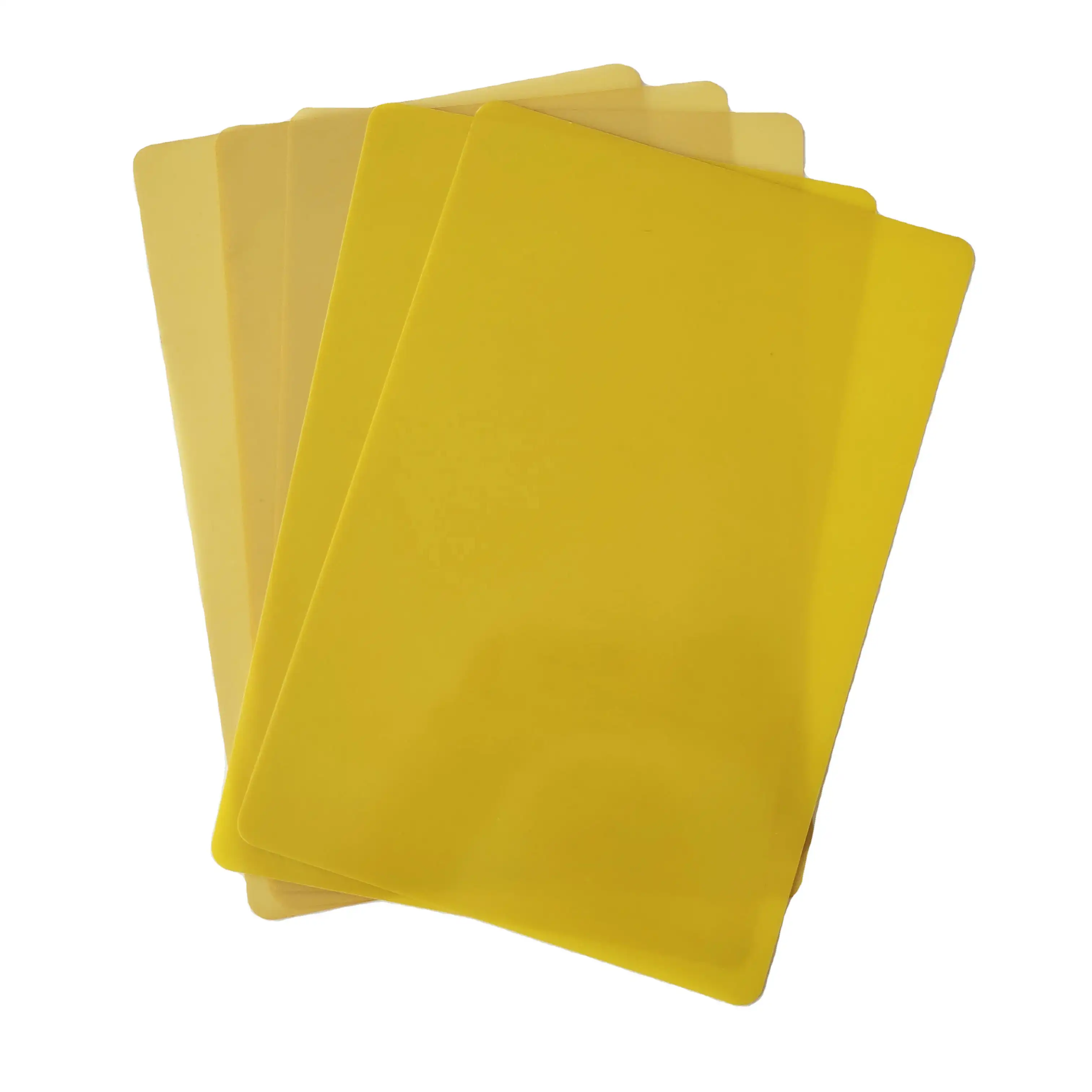
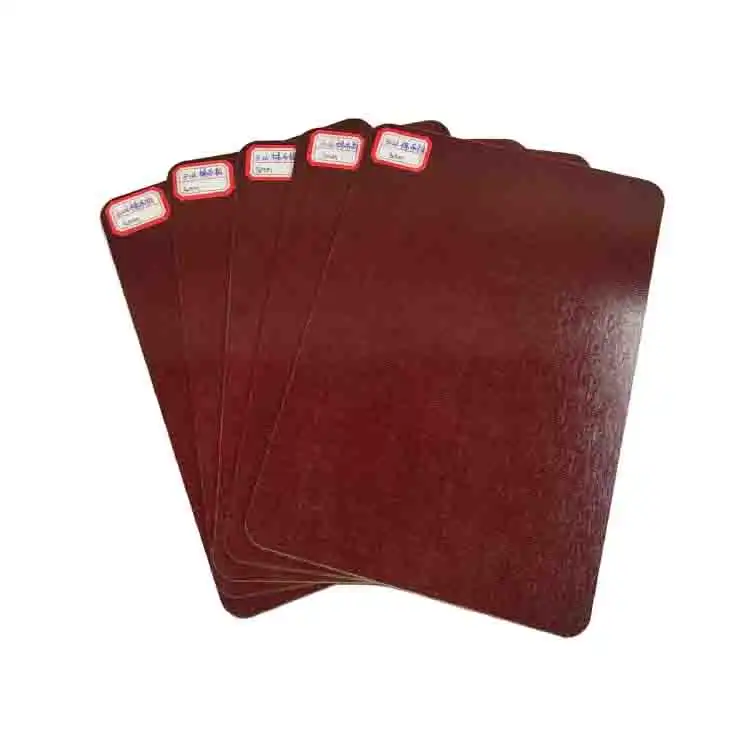
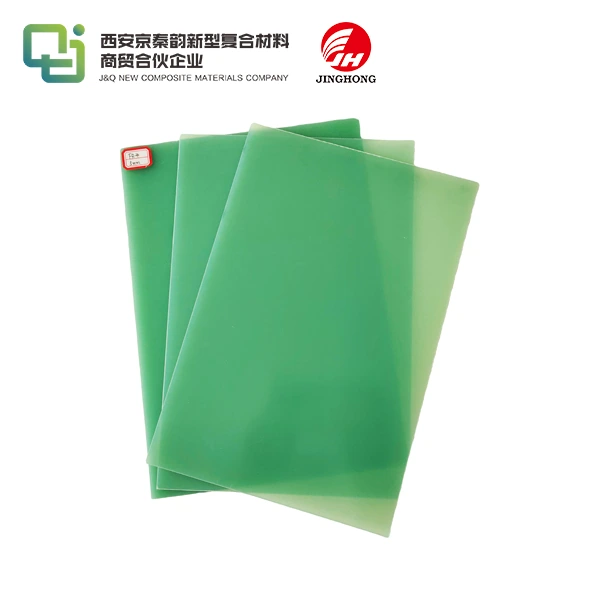
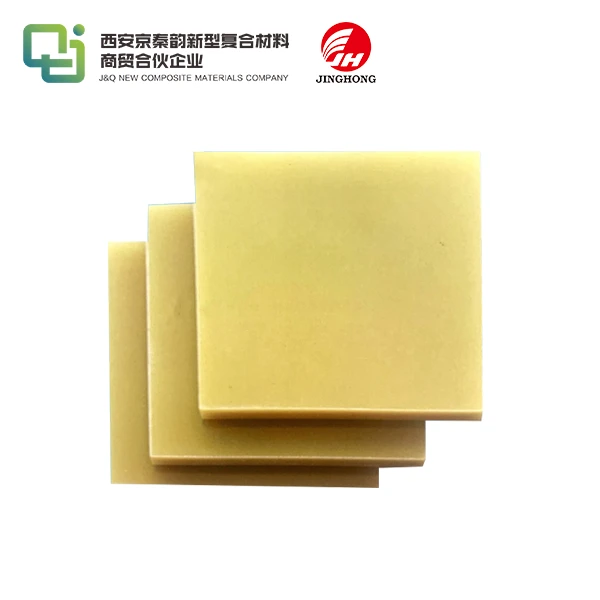
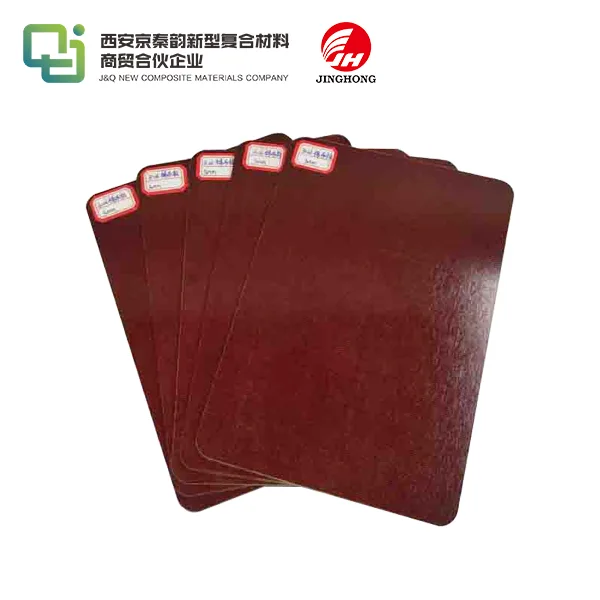
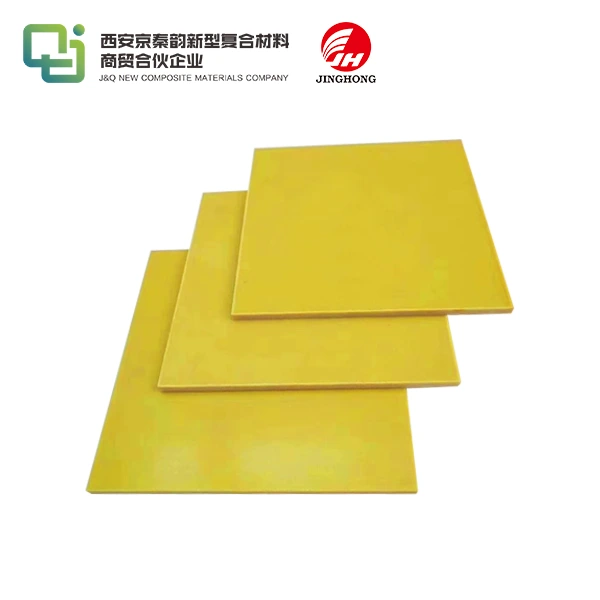
When I talk to engineering managers and procurement teams about materials for electrical insulation, we always end up talking about the specs for epoxy boards. In the industry, the 0.8mm thickness is the sweet spot. It provides excellent fire resistance while still keeping the precise dimensional stability needed for tough uses. This particular epoxy board design has great thermal resistance, great dielectric strength, and great CNC machinability that electrical makers count on for important parts like motor housings and switchgear assemblies.
Understanding 0.8mm Epoxy Board and Its Fireproof Insulation Properties
The resin matrix method is what holds any good epoxy veneer together. Our 0.8mm epoxy boards are made with modern brominated epoxy resins and woven glass cloth support, which makes a composite material that works great in hot places. There are flame-retardant additives in the chemical structure that meet UL 94 V-0 standards without affecting the mechanical strength.
Most of the time, the glass transition temperature is around 130°C, and in most commercial settings, the continuous working temperature can go up to 155°C. Because it is stable at high temperatures, the material is very useful for making transformers and other equipment that moves electricity and is exposed to heat for long periods of time.
Material choices are based on what the industry requires, especially in electrical uses where safety can't be sacrificed. Multiple foreign certificates are given to the 0.8mm epoxy board, such as UL recognition, ROHS compliance, and IEC standards compliance.
The flame-retardant qualities come from both the chemistry of the resin and the way it is made. During production, the material goes through controlled hardening processes that connect the polymer chains together, making a three-dimensional network that can't be broken down by heat. When the material is put near a flame, it chars instead of burning, creating a shield that stops the flame from spreading.
To make an epoxy laminate today, glass materials are carefully soaked in resin and then heated and pressed under controlled temperature and pressure. For industrial-grade uses, the thickness range must be kept within ±0.05mm, which means extra care needs to be taken with the 0.8mm thickness.
Electrical testing for dielectric breakdown voltage, mechanical testing for flexural strength, and thermal analysis for glass transition temperature proof are all part of quality assurance processes. These thorough testing methods make sure that performance is the same from batch to batch, which is important for buying teams planning large-scale production.
Comparing 0.8mm Epoxy Board to Other Materials for Industrial Applications
A lot of the time, choosing a material means weighing the pros and cons of cost, performance, and handling needs. There are a number of important benefits to using 0.8mm epoxy boards instead of phenolic laminates, polyimide films, or regular insulator papers.
When comparing things, mechanical strength is a big deal. The tensile strength of the epoxy board is over 400 MPa, which is a lot higher than the phenolic options. This edge in strength means that makers who are trying to make equipment smaller can make designs that are thinner and lighter.
Epoxy laminates like epoxy board are also different from other materials because they have insulating qualities. With dielectric breakdown strengths close to 20 kV/mm and volume resistivity values above 10^14 ohm-cm, these boards work better than many standard insulation materials and are better at keeping out water.
Even though the cost of the materials may be higher at first, epoxy laminates often have a lower total cost of ownership. The good machinability cuts down on processing time and tool wear, which lowers the cost of making the product. The physical stability cuts down on the amount of waste and repair that needs to be done, which saves money overall.
The 0.8mm thickness makes the best use of the material for many uses, so you don't have to specify a custom thickness, which would require longer wait times and larger minimum order amounts. Procurement managers who want to simplify their relationships with suppliers and inventory management will like this benefit of standards.
Surface properties have a big effect on processing and building processes that happen later. The surface of 0.8mm epoxy board is usually smooth and even, which makes it easy to stick with common industrial glue and potting solutions.
Low surface porosity stops pollution from spreading during storage and handling, so the electrical properties stay the same all the way through the supply chain. This dependability is very important for companies that use just-in-time production methods, since changing materials can throw off production plans.
Practical Guide to Installation and Maintenance of 0.8mm Epoxy Board
Choosing the right tools and cutting methods is the first step to a successful application. Carbide tools work well with 0.8 mm epoxy board, and cutting speeds of between 3000 and 5000 square feet per minute are suggested, based on the task being done.
Here are the most important things to think about when installing for the best results:
- When cutting or milling, use carbide tools that are sharp and have positive rake angles to get clean cuts with little edge breaking. Keep the feed rates constant to stop heat buildup that could affect the accuracy of the measurements.
- Drilling: For normal holes, use carbide-tipped drills with point angles of 118 degrees. Support the material well enough while drilling to keep the exit side from delaminating.
- Preparing the Surface: Use rubbing alcohol to clean all surfaces before you start gluing. Get rid of any machining waste that could get in the way of electrical performance or glue sealing.
These startup guidelines make sure that the system works well and keep processing errors to a minimum, which would affect the quality of the end assembly.
The type of adhesive method for epoxy board used depends on the needs of the job and the conditions of the surroundings. When it comes to mechanical uses, structural acrylics have great bond strength, while silicone-based solutions are more flexible for thermal cycle applications.
The epoxy board's surface energy makes it easy for most industrial glue to stick to it. But plasma treatment or chemical etching can make the bond stronger for very important uses where bonding is very important.
Protocols for regular inspections help make sure that the system stays reliable throughout its life. Checking for cracks, delamination, or darkening visually can help you spot problems early on. Using megohmeters for electrical testing can find insulation degradation before it fails.
When cleaning, you should not use strong agents that could damage the resin core. Mild detergents or isopropyl alcohol usually clean well enough without breaking down the material. Recording the outcomes of inspections helps preventative maintenance plans that lower the chance of unplanned downtime.
Procurement Insights: Buying 0.8mm Epoxy Board for Bulk and Custom Orders
When choosing the right provider, you need to look at more than just the price. Long-term partnership success depends on being able to manufacture, having quality processes certified, and having access to technical support tools.
ISO 9001 approval is the basic level of quality system guarantee. Other certifications, such as AS9100 or ISO/TS 16949, show that the system can handle more difficult tasks. Audits of suppliers' facilities can confirm their ability to make things and their quality control methods, which make sure that products are always delivered on time.
It's especially important to be able to provide technical help when processing problems appear or when application needs change. Suppliers who know a lot about materials engineering can help a lot with optimizing the materials you choose and developing the parameters for processing.
Buying in bulk can save you a lot of money, but you need to be very careful when planning your goods to keep things from going bad or becoming obsolete. When stored properly, the 0.8mm epoxy board usually stays stable for a long time, which means that buying it in bulk is a good idea for many uses.
Partnering with suppliers on exchange inventory programs can save you money and keep your inventory keeping costs to a minimum. For these deals to work, there must be clear decisions about quality and frequent inventory turnover to keep things fresh.
Standard thicknesses, like 0.8 mm, can be delivered right away, which is an advantage over unique specs. Custom production runs may be needed, though, for uses that need exact thickness limits, surface treatments, or changes to how well something works.
When planning the lead time for epoxy board, you should think about both the needs for getting materials and the needs for handling them. Custom orders usually take between 4 and 6 weeks to make, while regular materials usually ship within days of an order being placed. By including these dates in project schedules, shipping delays that could affect production promises are avoided.
Why Choose 0.8mm Epoxy Board: Industry Use Cases and Future Prospects?
The electronics business creates a big need for precise insulation materials that can keep up with trends toward downsizing while still being reliable. Motor makers use 0.8mm epoxy boards for slot insulation and phase separation, which need thin, reliable materials because of limited room.
When there is a fault, the good arc resistance qualities keep tracking and carbonization from happening in switchgear units. The mechanical strength lets you place it in rigid ways, and the electrical qualities make sure it can safely work with a wide range of voltages.
Case studies from big appliance makers show that switching from traditional insulation materials to improved epoxy laminate designs can cut weight by 15 to 20 percent. These changes directly lead to better energy economy and lower shipping costs.
Precision epoxy laminates can be used in more and more situations thanks to improvements in production methods. Traditional machining can't make complicated shapes, but additive manufacturing can. This means that new design options are available for heat management and electrical isolation.
Smart material integration is another new area where epoxy surfaces can help put sensors and tracking systems. The electrical properties make it possible to integrate sensors while keeping the main insulation functions. This opens the door to uses for condition tracking and predictive maintenance.
Regulations about the environment continue to affect how all businesses choose materials. Modern epoxy formulations get rid of harmful substances while keeping the same performance characteristics. This helps companies with their green efforts without lowering the reliability of their products.
Improvements in the science of epoxy make it easier to recycle, which supports the ideas of the circular economy. More and more, manufacturers with complete sustainability plans look at these factors along with traditional cost and performance factors.
Conclusion
The 0.8 mm epoxy board has been used successfully in many industries to meet the needs of demanding safe insulation uses. It meets the important needs of current electrical and computer tools by being stable at high temperatures, strong mechanically, and having good electrical properties. The exact thickness standard helps production processes use materials in the best way possible while keeping costs low. As industries continue to change to meet higher performance and sustainability standards, this flexible insulation material gives buying teams the dependability and flexibility they need to be successful in the long run.
FAQ
What safety certifications does the 0.8mm epoxy board maintain?
The material usually meets the flame rate of UL 94 V-0, the requirements for restricted chemicals under ROHS, and a number of IEC electrical safety standards. With these certificates, you can be sure that the material meets certain safety standards so it can be used in electrical equipment.
Which cutting tools work best for machining 0.8mm epoxy board?
The best results come from tools with good rake angles and carbide tips. Router bits, circular saw blades, and drill bits that are made for composite materials reduce edge chipping and make clean, exact cuts that are good for precise tasks.
How does the fireproof rating compare to traditional insulation materials?
When it comes to flame protection, epoxy board usually does better than paper-based insulations or regular plastics. The ability to put out fires on its own and the ability to form char give greater safety gaps in electrical uses where fire safety is very important.
Partner with J&Q for Premium Epoxy Board Solutions
With more than 20 years of experience making insulation materials and a full range of supply chain services, J&Q can make your buying process easier. Electrical makers, builders of industrial machinery, and OEM providers all over North America use our 0.8 mm epoxy board options because they meet their strict needs. As a well-known company that sells epoxy board, we follow strict quality standards, such as UL certification and ROHS compliance. We also offer cheap bulk prices and the ability to make boards in any size. Our unified transportation services guarantee dependable arrival times that meet your production obligations. Email our technical team at info@jhd-material.com to talk about your particular needs and ask for examples of our materials to see how committed we are to quality.
References
Thompson, R.J. "Electrical Insulation Materials for High-Temperature Applications." IEEE Transactions on Electrical Insulation, Vol. 28, 2023.
Materials Engineering Society. "Comparative Analysis of Epoxy Laminate Performance in Industrial Applications." Annual Conference Proceedings, 2024.
Zhang, L. et al. "Fire Resistance Characteristics of Glass-Epoxy Composites in Electrical Equipment." Journal of Fire Safety Engineering, Vol. 15, 2023.
Industrial Standards Committee. "Guidelines for Electrical Insulation Material Selection in Power Distribution Systems." National Electrical Safety Foundation, 2024.
Chen, M. and Williams, K. "Machining Characteristics of Thin Epoxy Laminates for Precision Applications." Manufacturing Technology Review, Vol. 42, 2023.
Electrical Equipment Manufacturers Association. "Best Practices for Insulation Material Procurement in Industrial Applications." Technical Publication Series, 2024.
_1753952475136.jpg)
