How 3240 Epoxy Board Improves Circuit Stability?
2026-02-09 16:56:53
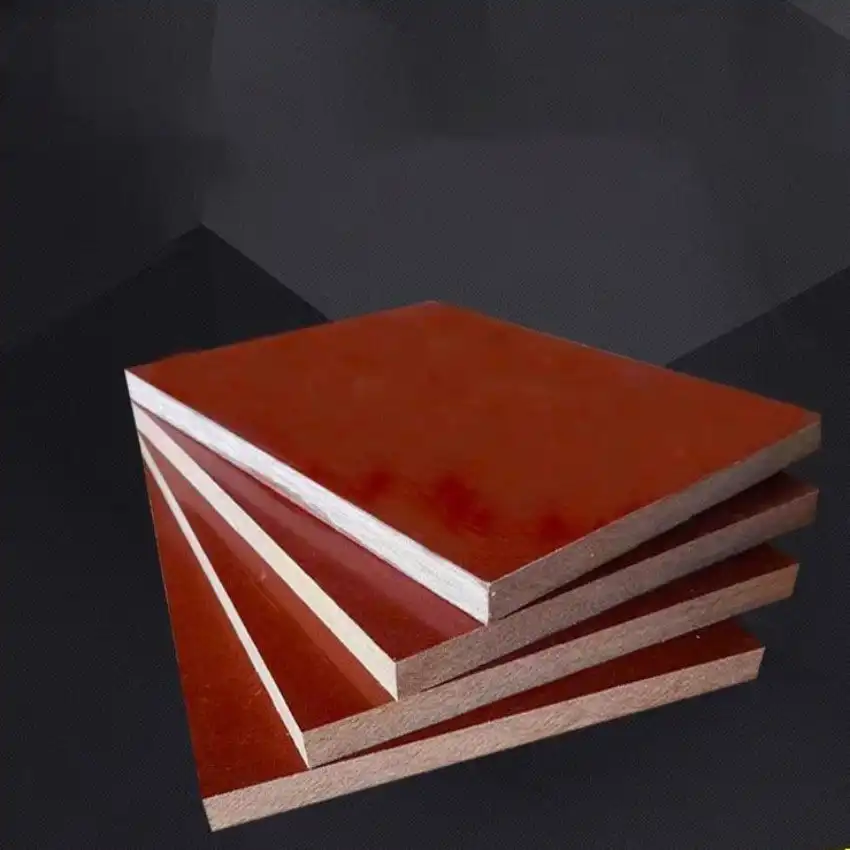
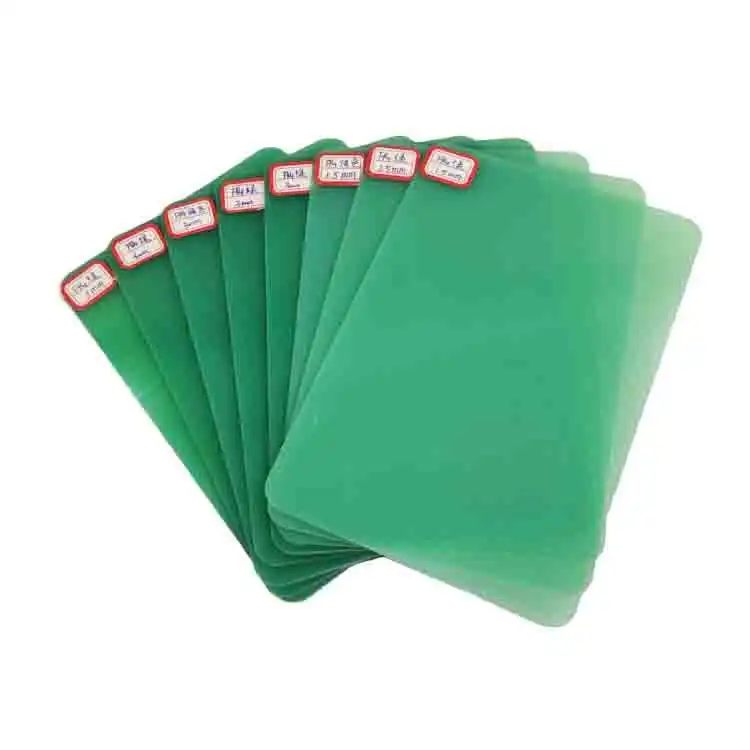
The 3240 epoxy board significantly enhances circuit stability through its exceptional dielectric strength and superior electrical insulation properties. This glass cloth-reinforced epoxy laminate minimizes signal interference and electromagnetic noise, ensuring consistent performance in demanding electrical applications. By providing excellent dimensional stability and thermal resistance, the 3240 epoxy board maintains its electrical characteristics across temperature variations, preventing circuit degradation and ensuring long-term reliability. Its low moisture absorption and chemical resistance further contribute to stable circuit performance by protecting against environmental factors that could compromise electrical integrity.
Understanding 3240 Epoxy Board and Its Specifications
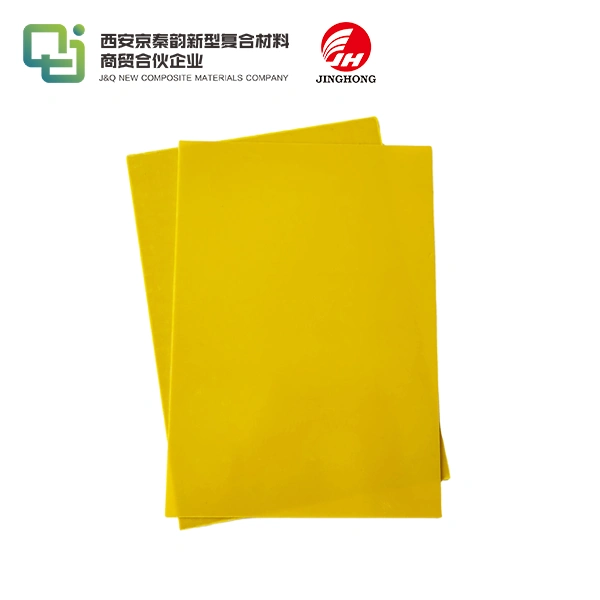
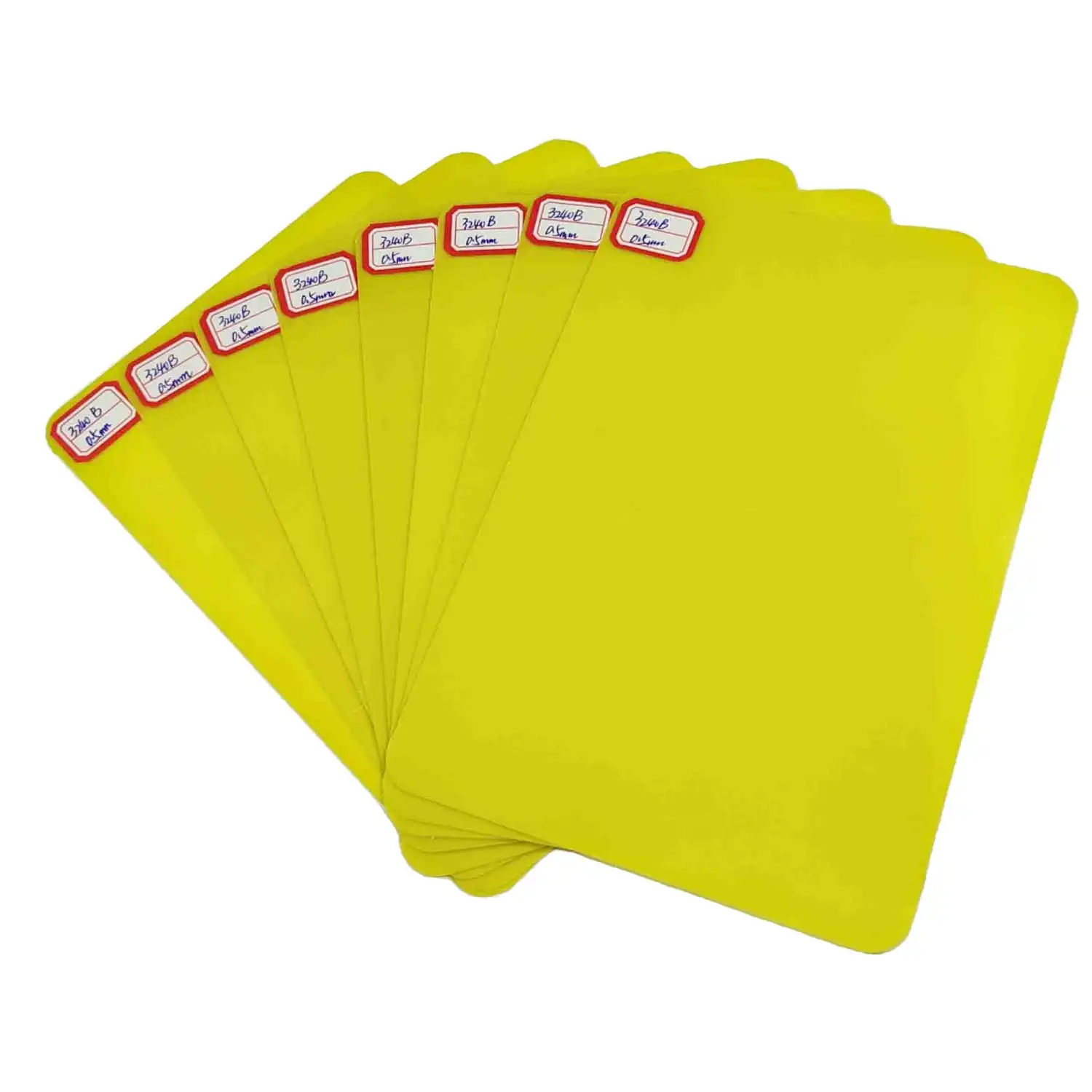
The glass cloth epoxy laminate is a high-tech building material made of woven glass fabric and epoxy resin systems that have been specially made. Because of its special makeup, this material forms a layered structure that is very strong mechanically and very good at insulating electrically. In the making process, high-quality glass cloth is soaked in thermosetting epoxy resin, and then it is cured under controlled conditions of temperature and pressure.
Material Composition and Structure
The mechanical backbone of this material is made of glass cloth, which keeps its shape and doesn't break easily under stress. The epoxy glue binder holds the glass fibers together and gives them great chemical and dielectric qualities. When you put these two things together, you get a material that works the same way in all kinds of environments. This makes it perfect for demanding computer uses.
The controlled production process makes sure that all sheets are the same thickness and have the same material qualities. During production, quality control methods include keeping an eye on the amount of glue used, the temperature at which it cures, and the amount of pressure that is applied to make sure that the product meets UL and ROHS standards for reliability.
Technical Specifications Overview
Glass epoxy laminates have electrical qualities like dielectric strengths that are usually higher than 20 kV/mm. This makes them good insulators for high-voltage uses. The dielectric constant stays the same across all frequency ranges. This means that the electrical behavior can be predicted in both low-frequency power uses and high-frequency signal processing circuits.
The material can resist mechanical stress without losing its structure integrity because its mechanical properties include flexural strengths of 450 MPa or higher. As for the thermal properties, they can withstand constant temperatures of up to 155°C, and for certain uses, they can handle even higher temperatures for short periods of time.
How 3240 Epoxy Board Enhances Circuit Stability?
Better insulating performance of 3240 epoxy board is what makes glass cloth epoxy laminates so good at making circuits more stable. The material is very good at insulating electricity, so it stops current from leaking and keeps chatter between circuit lines to a minimum. This electrical separation is especially important in high-density PCB designs, where limited component space calls for materials that are very good at insulating.
Dielectric Strength and Signal Integrity
Epoxy glass laminates have a high insulating strength that stops electrical interference that could damage signals. Unlike regular phenolic materials, these advanced laminates keep their insulating properties the same when the temperature changes. This makes sure that the circuit works properly during thermal cycles. Because these materials have a low dissipation factor, they don't lose much information when used at high frequencies. This makes them good for complex electrical systems that need to send signals accurately.
Signal stability is improved by the material's low ability to absorb water, which stops changes in dielectric qualities caused by dampness. For electronics that work in harsh environments where standard materials might lose their performance over time, this moisture protection is very important.
Mechanical Robustness and Thermal Stability
Mechanical qualities that are very good keep circuits stable over time by stopping them from deforming in ways that could affect electrical connections. The glass cloth support keeps the exact distance between circuit elements stable, which stops short circuits and makes sure that the product's electrical performance stays the same over its lifetime.
Having thermal stability properties lets circuits keep working even when temperatures change, which happens a lot in industrial settings. The low thermal expansion rate of the material keeps solder joints and component connections from being stressed, which lowers the chance of connection problems that could affect how well the circuit works. Chemical resistance traits keep things from breaking down when they come in contact with cleaning solvents and other environmental contaminants that are common in factory and operating settings.
Comparative Analysis: 3240 Epoxy Board vs Other Epoxy Boards
Learning about the changes in performance between different laminate materials helps procurement workers choose the right material for each job. When better mechanical strength and thermal efficiency are needed, glass cloth epoxy laminates are a clear choice over normal FR4 materials. Specialized epoxy laminates work better in harsh settings than FR4, which can still be used for generalpurpose purposes.
Performance Metrics Comparison
When you compare electrical performance, you can see that glass epoxy materials usually have higher dielectric strength values than standard phenolic laminates. The better electrical properties mean that there are more safety gaps for high-voltage uses and the performance is more reliable over longer periods of time. Comparing their mechanical properties shows that these materials are much better at bending strength and impact resistance, which means they can be used in situations where mechanical stress is present.
The thermal performance study of 3240 epoxy board shows that this material is more stable at high temperatures than other materials. Because they have better thermal qualities, they can be used in high-temperature settings where regular materials might break down or degrade. In industries like automobile and construction, where high temperatures are widespread, this thermal edge is very useful.
Cost-Effectiveness Analysis
To figure out if something is cost-effective, you have to look at both its original material prices and its long-term performance benefits. Even though custom epoxy laminates may cost more than regular materials, their better performance often makes the cost worth it by making the product more reliable and lowering the cost of warranties. The better mechanical and electrical qualities may mean that extra safety parts aren't needed, which could lower the total cost of the system.
Some things to think about in the supply chain are having access to a lot of different providers and having standard specs that make sure the quality is the same from all of them. Buying in bulk and having a good relationship with your suppliers can help you get the best deals on materials while still meeting the quality standards needed for important projects.
Procurement Considerations for 3240 Epoxy Board
To get high-quality epoxy glass laminates, you need to carefully look at the skills and quality control systems of the suppliers you are considering. Certified suppliers with well-established quality programs guarantee stable material properties and legal compliance, which are important for uses that need to be very strict. UL approval and ISO 9001 certification show that a provider is dedicated to quality management and product safety standards.
Supplier Evaluation Criteria
Facilities that supply goods should have quality control systems that include thorough testing methods for electrical, mechanical, and thermal features. Regular quality checks and tests help make sure that specs are always being followed and find problems before they affect production plans. Long-term relationships with suppliers make it easier to talk about what an application needs and let people work together to come up with the best material solutions.
The ability to provide technical help is another important factor in choosing a source. When you need it, suppliers with skilled expert teams can help you choose the right materials, do application engineering, and fix problems. Beyond just providing materials, the value proposition is improved by giving access to technical documents, test data, and application help.
Purchasing and Logistics Strategies
To make sure materials are always available without having to spend too much on working capital, procurement plans should find a balance between the costs of keeping stockpiles and the security of supplies. Planning for lead times is especially important for unique materials that may need longer production processes than common goods. Setting up ways for suppliers to share forecasts can help improve production planning and cut down on delivery wait times.
When sending and packaging 3240 epoxy board, you need to make sure they are safe from damage and moisture during transport. The qualities of materials can be kept until they are processed if they are stored properly at receiving sites. Quality incoming checking methods make sure that materials meet the requirements and find any problems that might arise before they are used in production.
Case Studies and Practical Applications of 3240 Epoxy Board in Circuit Stability
Real-world examples show how glass cloth epoxy laminates can improve the stability of circuits in a wide range of businesses. Manufacturers of high-frequency transmission tools have successfully used these materials to improve the integrity of signals and lower electromagnetic interference. The better dielectric qualities allow for clean signal transfer, and the mechanical stability keeps performance from dropping because of vibration and heat stress.
Industrial Electronics Applications
Circuit boards for manufacturing automation systems need to be able to work in tough industrial settings and still allow for precise control. It is possible for glass epoxy laminates to work reliably in places with changing temperatures, chemicals, and mechanical vibrations because they are strong mechanically and electrically. The improved properties of the material support a longer working life and lower upkeep needs.
Another area of use where material performance directly affects system stability is power conversion equipment. Because custom epoxy laminates have a high dielectric strength and thermal stability, they can be used to make small designs that have higher power densities while still keeping the safety limits needed for high-voltage operation. These efficiency benefits give companies that make equipment a competitive edge.
Automotive Electronics Integration
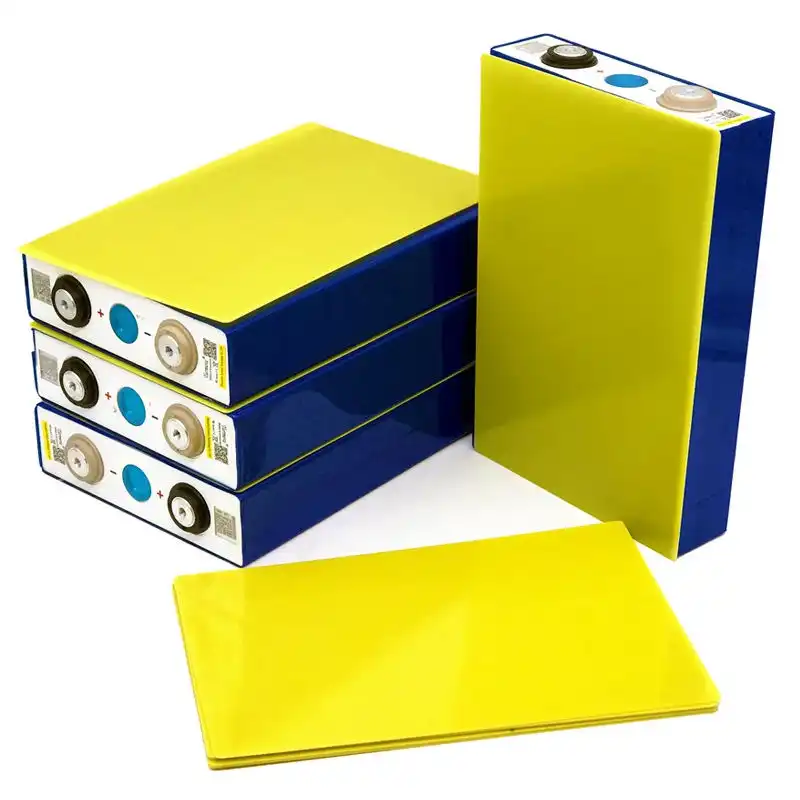
Automotive uses have special problems, like changing temperatures, being exposed to vibrations, and needing to be chemically resistant. Glass cloth epoxy laminates are used in electric car battery management systems to make sure that important safety circuits work reliably. The thermal stability and mechanical strength of the material help it last for a long time in harsh vehicle settings.
The better electrical insulation qualities keep sensitive control circuits and high-power switching elements from interfering with each other. This helps engine control modules and power electronics. Because epoxy materials are chemically resistant, they protect against outdoor contaminants and fluids used in cars that could damage circuit performance in other materials.
Conclusion
Because they have better electrical, mechanical, and heat qualities, glass cloth epoxy laminates like 3240 epoxy board are very useful for making circuits more stable. These materials are perfect for hard tasks that need to work reliably for a long time because they have a high insulating strength, are stable in size, and are resistant to the environment. People who work in procurement can make better choices when they understand the performance benefits and application factors that affect material selection decisions. For adoption to go smoothly, suppliers must be carefully evaluated and quality management must be in place to make sure that materials have similar properties and that regulations are followed.
FAQ
What electrical advantages do glass epoxy laminates provide compared to FR4?
Usually, glass cloth epoxy materials are better at keeping heat in and having higher dielectric strength than regular FR4 laminates. The better electrical qualities make it safer to use in high-voltage situations and keep working well even when the temperature changes. In high-frequency uses, better signal integrity is also helped by custom epoxy formulas with lower dissipation factors.
How do the mechanical properties compare with other laminate materials?
When compared to paper-based phenolic materials, the glass cloth support gives better flexural strength and impact protection. The technical benefits make it possible to make designs that are smaller while still keeping the structure strong, and the dimensional stability stops any warping or twisting that could affect how well the circuit works. These mechanical advantages are especially useful in situations where there is increasing stress or changes in temperature in the surroundings.
Where can I find certified suppliers for bulk orders?
Manufacturers with a good reputation usually keep their products certified by ISO 9001 and UL. Industry trade groups and magazines about making electronics publish lists of suppliers and information on how to become a provider. Talking to makers directly lets you check out their technical skills, quality systems, and the dependability of their supply chain, all of which are important for building long-lasting partnerships in business-to-business (B2B) buying relationships.
Partner with J&Q for Premium 3240 Epoxy Board Solutions
J&Q has been making high-quality insulation materials for more than twenty years and has also been doing business internationally for more than ten years, helping electronics makers around the world. We can make 3240 epoxy board solutions that meet the strictest technical standards because we fully understand the needs for circuit stability. We make sure that your important applications have reliable supply chain support by using an integrated transportation network that offers seamless one-stop service. Get in touch with our expert team at info@jhd-material.com to talk about your specific needs and find out how our certified 3240 epoxy board manufacturer services can improve the stability and performance of your circuit while also making your purchase more efficient.
References
Institute of Electrical and Electronics Engineers. "Dielectric Properties of Glass-Reinforced Epoxy Laminates for Electronic Applications." IEEE Transactions on Dielectrics and Electrical Insulation, 2023.
American Society for Testing and Materials. "Standard Test Methods for Electrical Insulating Materials: Epoxy Glass Cloth Laminates." ASTM International Standards, 2024.
International Electrotechnical Commission. "Specification for Glass-Cloth-Based Epoxy Resin Laminates for Printed Circuits." IEC Technical Report 61249-2-13, 2023.
Society of Plastics Engineers. "Thermal and Mechanical Characterization of High-Performance Epoxy Laminates." SPE Plastics Research Online, 2024.
Electronic Industries Alliance. "Performance Requirements for Glass Epoxy Circuit Board Materials in High-Reliability Applications." EIA Engineering Bulletin, 2023.
Materials Research Society. "Advances in Glass-Reinforced Thermoset Composites for Electronic Packaging Applications." MRS Communications, 2024.