Arc Resistance of FR4 Epoxy Board in Power Equipment
2026-02-05 15:55:19
The capacity of FR4 epoxy board to tolerate electrical arcing without creating conductive channels is known as arc resistance. FR4 boards with exceptional arc resistance qualities keep insulation intact and avoid carbonization when electrical stress arises in power equipment. In high-voltage applications where electrical safety and equipment lifespan are crucial, such as switchgear, transformers, and power distribution systems, this crucial feature guarantees dependable performance.
Understanding Arc Resistance in FR4 Epoxy Boards
The ability of an insulating material to tolerate electrical arcing before permanent conductive traces form on its surface is essentially determined by its arc resistance. The extreme heat and energy produced by a high-voltage electrical discharge over an insulator's surface may carbonize organic materials, opening up channels for current flow. In applications involving power equipment, where electrical isolation is still essential for system dependability and operational safety, this phenomena presents significant dangers.
The Science Behind Arc Resistance Testing
Arc resistance is measured using established testing procedures in which material samples are periodically exposed to high-voltage arcs. Applying voltage levels between 10 and 15 kV across tungsten electrodes placed above the specimen surface is a common test condition. The arc resistance rating, which is often given in seconds, is determined by the amount of time before conductive tracks develop. For demanding electrical applications, materials with resistance periods longer than 180 seconds are deemed appropriate.
FR4 Composition and Arc Performance Characteristics
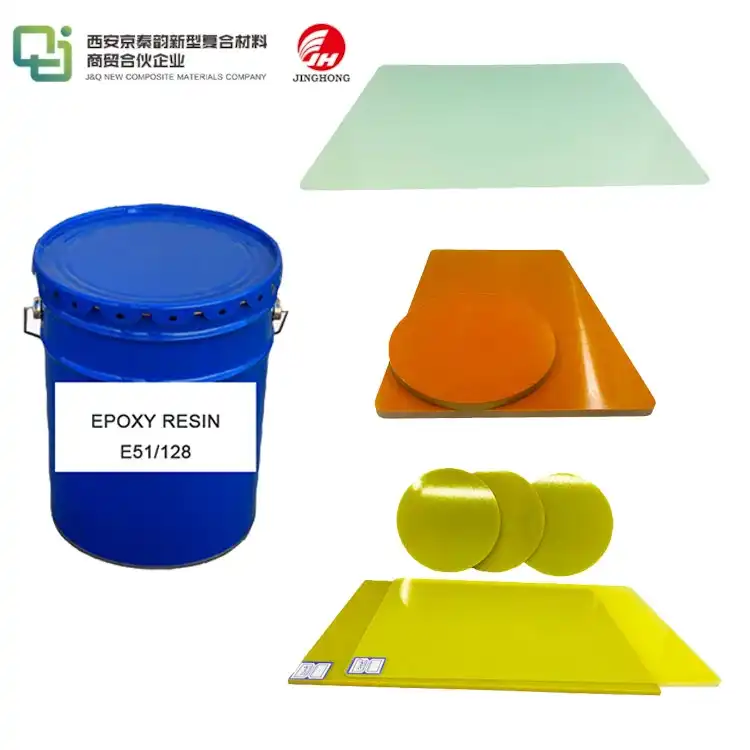
The basis of FR4 materials is made of woven glass fabric and flame-retardant epoxy resin systems. By preventing carbonization during electrical stress events, the brominated flame retardants added to the resin matrix greatly improve arc resistance. Dimensional stability is provided by glass fiber reinforcement, and the epoxy matrix has superior dielectric qualities. Depending on the resin composition and manufacturing procedures, this combination yields arc resistance values that normally range from 60 to 180 seconds.
Critical Applications in Power Equipment Systems
High arc-resistance materials are used by power equipment designers for parts that might experience electrical failures. These boards are used by switchgear assemblies for insulation panels and arc barriers that need to resist fault currents without endangering nearby circuits. Materials used in transformer applications must be able to withstand switching surges and lightning strikes. Arc-resistant substrates are used in motor control centers and control panels to shield delicate electronic parts from electrical disruptions.
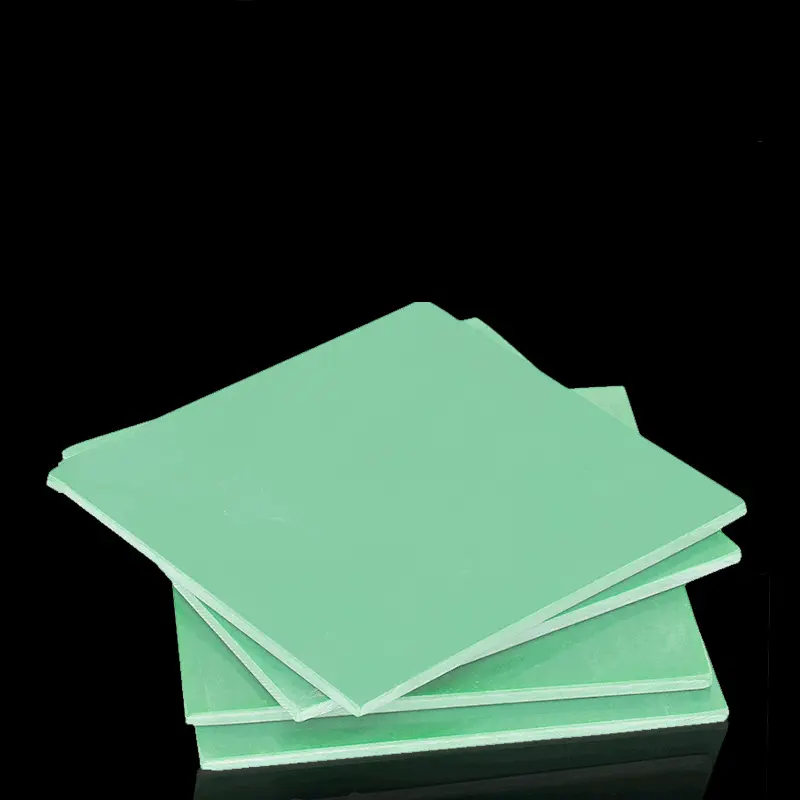
Comparative Analysis: FR4 Epoxy Board vs Other PCB Materials in Arc Resistance
Procurement teams may make well-informed judgments for power equipment applications by knowing how various substrate materials behave under electrical stress. Every material category has unique benefits and drawbacks that impact safety margins and overall system performance.
FR4 Performance Against Alternative Substrates
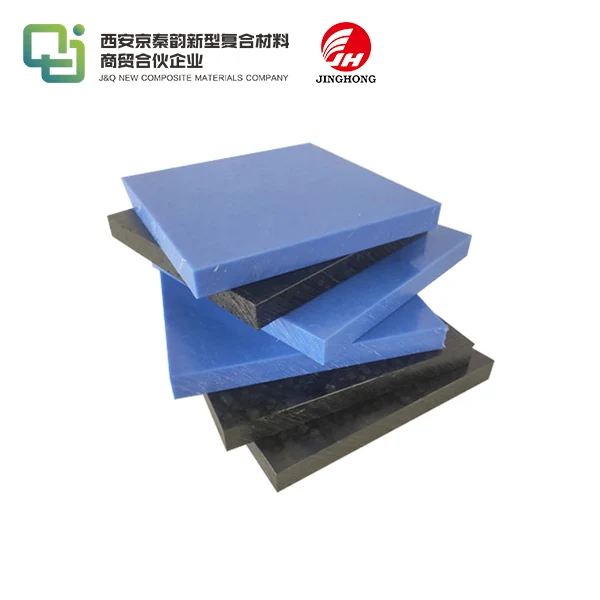
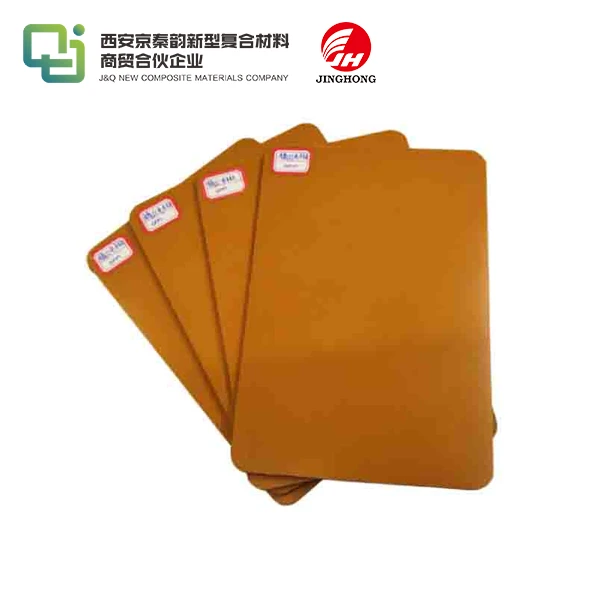
Phenolic-based materials are appropriate for applications involving mild electrical stress since they usually exhibit arc resistance values between 60 and 120 seconds. However, their use in harsh conditions is limited by their temperature restrictions and moisture absorption properties. Although CEM-1 substrates, which include glass and paper reinforcement, perform better in arcs than pure phenolic materials, they are still not as capable as FR4 in high-voltage applications.
In contrast to brominated FR4 formulations, polyimide substrates have superior temperature resistance but worse arc resistance. Although metal-core PCB substrates provide superior thermal management, they need extra layers of insulation to reach acceptable levels of arc resistance. Although ceramic substrates have better arc resistance, they are difficult to manufacture and expensive for large-scale applications.
Thermal Management and Electrical Performance
For power equipment applications, the interplay between arc resistance and thermal conductivity leads to intricate design issues. FR4 materials combine superior electrical insulating qualities with sufficient thermal dissipation. Superior heat transmission is possible with copper-core or aluminum substrates, but electrical conduction routes must be avoided with appropriate insulation design.
Arc resistance performance under high operating conditions of an FR4 epoxy board is directly impacted by glass transition temperatures. High-temperature FR4 versions are appropriate for power electronics applications where thermal cycling happens often because they have stable dielectric and arc resistance characteristics at temperatures higher than 170°C.
Manufacturing and Standards Impacting Arc Resistance of FR4 Boards
The ultimate arc resistance properties of epoxy-glass substrates are greatly influenced by production factors and quality control procedures. Procurement teams may successfully assess supplier capabilities and specify suitable materials by having a thorough understanding of these elements.
Resin Chemistry and Reinforcement Effects
By preventing carbonization via chemical methods, epoxy resin compositions including brominated flame retardants improve arc track resistance. Arc resistance performance is closely correlated with the kind and concentration of halogenated additives. The most used flame retardant method is tetrabromobisphenol-A (TBBPA), which offers superior arc resistance without sacrificing processability.
By altering the distribution of resin and surface properties, glass fabric weave patterns have an impact on arc resistance. Although plain weave structures provide consistent qualities, they may result in resin-rich regions that are vulnerable to arc tracking. By minimizing surface texture differences, spread glass textiles reduce the possibility of arc initiation locations while still meeting mechanical strength requirements.
Industry Standards and Testing Protocols
The main testing approach for evaluating arc resistance in North American markets is provided by ASTM D495. Electrode designs, voltage levels, and ambient variables that mimic actual electrical stress situations are specified in this standard. In addition to arc resistance data, IEC 60112 provides additional testing methods that emphasize comparative tracking index measurements.
Certain arc resistance minimums are required by UL recognized standards for materials used in electrical equipment applications. These guidelines shield equipment designers from liability and guarantee uniform performance among manufacturers. The selection of flame retardants is influenced by RoHS compliance issues, which propel the creation of halogen-free substitutes with equivalent arc resistance capabilities.
Quality Control and Process Validation
Arc resistance for an FR4 epoxy board should be confirmed by manufacturer certification certificates or sample testing as part of incoming material inspection procedures. variances in curing parameters or inconsistent resin mixing might lead to batch-to-batch variances. Before production is impacted by quality problems, statistical process control techniques may be used to spot patterns that may point to deteriorating arc resistance performance.
Accurate arc resistance measurements that accurately represent real-world operating circumstances are ensured by environmental conditioning before testing. Controlled testing settings are necessary for significant findings since exposure to temperature and humidity may alter surface features and electrical properties.
Procurement Considerations for FR4 Epoxy Boards in Power Equipment
When obtaining high arc-resistance substrates strategically, it's important to strike a balance between technical specifications and business factors like supplier capabilities, pricing, and availability. Procurement plans that are successful provide precise requirements while allowing for adaptability to changing market circumstances and developing technology.
Supplier Evaluation and Risk Management
Forming alliances with eligible substrate producers requires a thorough assessment of their supply chain stability, technological prowess, and quality processes. Suppliers should use statistical data spanning many manufacturing batches to show consistent arc resistance performance. Baseline quality assurance is provided by ISO 9001 certification, whilst advanced process control skills are indicated by automotive or aerospace certifications.
Through regional optimization, geographic diversity may bring cost benefits while lowering supply chain risks. However, rigorous technical coordination and frequent performance monitoring are necessary to ensure uniform material standards across many providers. Testing capabilities, calibration processes, and documentation systems supporting arc resistance claims should all be confirmed by supplier audits.
Cost Optimization Strategies
Agreements for bulk purchases of FR4 epoxy board may guarantee material availability at times of high demand while achieving notable cost savings. Price benefits must be weighed against obsolescence concerns and inventory carrying costs. Production planning optimization is made possible by cooperative forecasting with important suppliers, which benefits both sides by increasing productivity and cutting waste.
Standardizing on fewer substrate variations may increase negotiation power while lowering procurement complexity. However, cutting costs alone shouldn't come at the expense of technological needs. Alternative formulas or structures that satisfy performance criteria at cheaper prices are often found via value engineering conversations with suppliers.
Logistics and Delivery Considerations
Variability in lead time has an impact on inventory planning and production scheduling, especially for specialty high-performance substrates. It is necessary to comprehend raw material availability cycles and supplier capacity limitations in order to establish safety stock levels. Regional distribution networks may increase supply chain flexibility while lowering delivery times and transportation expenses.
Large substrate panels have handling and packaging needs that must be carefully coordinated to avoid damage during transit. In order to reduce exposure time prior to processing, moisture sensitivity issues may necessitate packing in a controlled environment or faster delivery.
Case Studies and Practical Applications of High Arc Resistance FR4 Boards
Examples of real-world application show how appropriate procurement and material selection techniques improve equipment performance while lowering lifespan costs. For procurement teams assessing substrate possibilities for power equipment applications, these experiences provide insightful information.
Medium Voltage Switchgear Optimization
During accelerated life testing, a major switchgear manufacturer encountered arc tracking issues in its 15 kV product range using FR4 epoxy board. Standard FR4 substrates with 60-second arc resistance ratings were found to be inadequate for the electrical stress levels of the application. Failures were minimized and little material costs were added by upgrading to premium FR4 types with 180-second arc resistance.
To guarantee consistent supply of high-performance substrates, the procurement team formed dual sourcing agreements with eligible vendors. Environmental conditioning procedures and minimum arc resistance standards were added to the technical specifications. Customers' trust in the manufacturer's dedication to quality was reinforced by this modification, which also increased product dependability.
Power Distribution Transformer Reliability Enhancement
Field failures caused by lightning-induced arc tracking on control circuit boards have to be addressed by a transformer manufacturer catering to utility applications. Analysis revealed that conventional substrates' absorption of moisture produced ideal circumstances for the production of arc tracks during electrical transients. The problem was fixed by upgrading to improved arc-resistant formulations and applying hydrophobic surface treatments.
Engineering and procurement teams worked together to find cost-neutral options that outperformed performance standards. Custom surface treatments that provide further protection without interfering with production processes were made possible by supplier agreements. The increased dependability boosted the manufacturer's standing in the market and decreased warranty expenses.
Best Practices for Procurement Success
Coordination between engineering, quality, and production teams is necessary for the successful deployment of high arc-resistance substrates. Accurate application demands are reflected in procurement specifications when technical requirements are communicated clearly. Frequent evaluations of supplier performance preserve quality standards while pointing out areas for ongoing development.
Arc resistance performance should be monitored by documentation systems throughout manufacturing batches in order to spot patterns or irregularities that could point to problems with quality. While preserving production continuity, corrective action protocols provide a prompt reaction to performance anomalies. These methodical techniques enhance efforts for continual development while fostering trust in material performance.
Conclusion
One of the key characteristics that determines whether FR4 epoxy boards are appropriate for power equipment applications where electrical safety and dependability are critical is arc resistance. Making well-informed procurement choices that strike a compromise between performance needs and commercial concerns is made possible by an understanding of the technical aspects that affect arc resistance performance, such as resin chemistry, reinforcement selection, and production methods. Brominated FR4 formulations provide the best combinations of arc resistance, thermal stability, and processing properties for demanding electrical applications, according to a comparative study of different substrate materials. Equipment dependability goals are supported by constant material performance, which is ensured by strategic supplier relationships, thorough quality procedures, and methodical performance monitoring.
FAQ
Which elements have the most effects on FR4 epoxy boards' arc resistance?
The main element influencing arc resistance performance is resin composition. TBBPA and other brominated flame retardants provide chemical mechanisms that stop carbonization during electrical stress events. Through resin dispersion patterns and surface texture effects, glass fabric fabrication also affects performance. Arc resistance properties might vary across production batches due to manufacturing conditions like cure cycles and environmental conditioning.
What effect does board thickness have on arc resistance?
Board thickness has little direct effect on surface arc resistance characteristics, but it does have a significant impact on mechanical strength and thermal mass. On the other hand, thicker substrates could dissipate heat more effectively during arc occurrences, which might enhance overall performance. Regardless of the overall thickness of the substrate, the composition and texture of the surface resin layer continue to be the primary determinants of arc track resistance.
Is it possible to modify FR4 boards to increase their arc resistance?
Beyond the requirements of conventional FR4, arc resistance may be further increased by using sophisticated resin compositions and specialist surface treatments. For demanding applications, improved performance is provided by patented surface coatings, customized glass fabric options, and modified flame retardant systems. In contrast to conventional items, customisation usually necessitates longer lead times and minimum order quantities.
Partner with J&Q for Superior Arc-Resistant FR4 Epoxy Board Solutions
J&Q provides outstanding arc-resistant materials supported by ten years of worldwide trade experience and more than 20 years of production experience. Custom FR4 epoxy board formulations created especially for power equipment applications needing exceptional electrical performance are part of our extensive product line. Our seamless one-stop solution streamlines your procurement process thanks to our established connections with international trade businesses and integrated logistical capabilities. Get in touch with our technical experts at info@jhd-material.com to talk about your particular arc resistance needs and learn how our approved materials may improve equipment dependability while cutting expenses.
References
Institute of Electrical and Electronics Engineers. "Standard Test Methods for Arc Resistance of Solid Electrical Insulation Materials." IEEE Standards Association, 2019.
American Society for Testing and Materials. "ASTM D495-14: Standard Test Method for High-Voltage, Low-Current, Dry Arc Resistance of Solid Electrical Insulation." ASTM International, 2014.
International Electrotechnical Commission. "IEC 60112: Method for the Determination of the Proof and the Comparative Tracking Indices of Solid Insulating Materials." IEC Publications, 2020.
National Electrical Manufacturers Association. "Arc-Resistant Switchgear Design Guidelines and Testing Procedures." NEMA Standards Publication, 2018.
Society of Plastics Engineers. "Flame Retardant Chemistry and Applications in Electrical Insulation Materials." SPE Technical Papers, 2021.
Electric Power Research Institute. "Insulation Material Performance in Power Equipment Applications: A Comprehensive Analysis." EPRI Technical Report, 2020.
.webp)
_1740986340093.webp)