
3025 Phenolic Cotton Board for Power Equipment Protection
2026-02-09 16:57:00
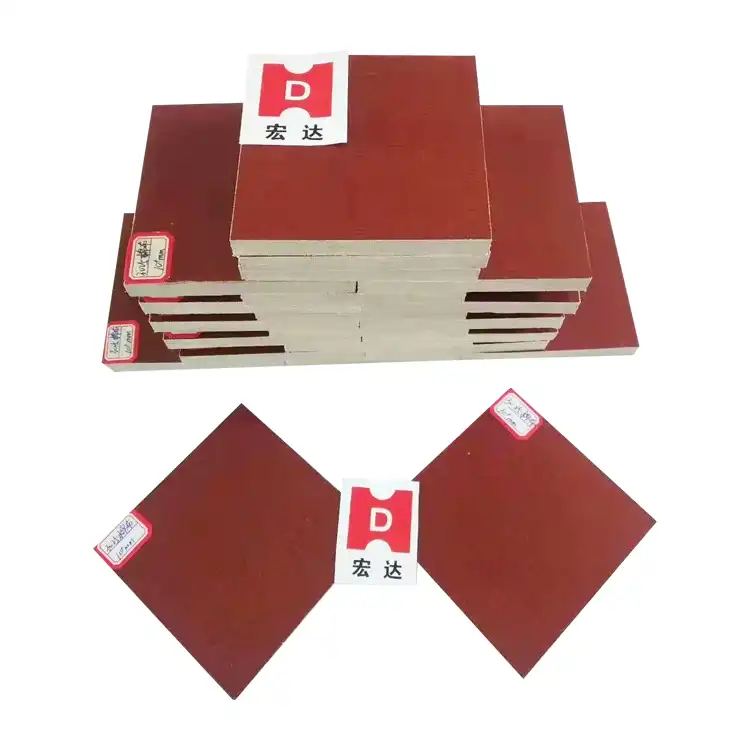
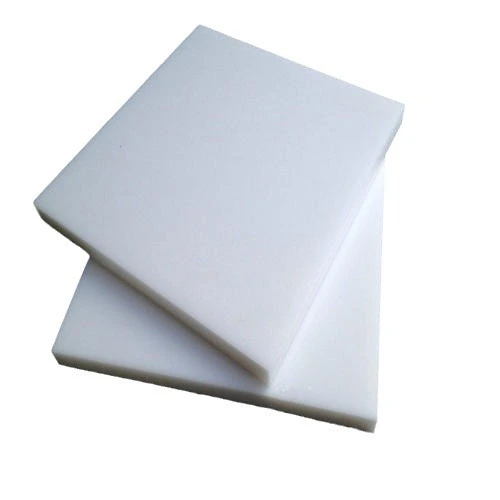
3025 phenolic cotton board represents one of the most reliable insulation solutions for power equipment protection, combining exceptional mechanical strength with superior thermal resistance. This advanced composite material, manufactured through precise lamination of cotton fabric with phenolic resin, delivers consistent performance across demanding electrical applications. Power equipment engineers and procurement managers increasingly rely on 3025 phenolic cotton board specifications to ensure operational safety, regulatory compliance, and extended equipment lifecycles in critical industrial environments.
Understanding 3025 Phenolic Cotton Board: Properties and Manufacturing
The 3025 phenolic cotton board is one of the most effective ways to insulate and protect power equipment because it is both very strong and very good at keeping heat out. This high-tech composite material is made by carefully laminating cotton cloth with phenolic resin. It works well in a wide range of demanding electrical uses. More and more, power equipment experts and purchasing managers are relying on the 3025 phenolic cotton board specs to make sure that operations are safe, that regulations are followed, and that equipment lasts longer in harsh industrial settings.
Because of how it's made, phenolic cotton laminate has a unique mix of properties that make it essential for use in power tools. Cotton fabric is used as the base for the strengthening, and phenolic resin is used as the binding material to make the fabric resistant to chemicals and stable in its shape. This mix makes a material that stays structurally sound even under a lot of mechanical stress and is also very good at blocking electricity.
Core Material Properties and Performance Characteristics
The dependability of phenolic cotton boards in power equipment settings depends on how well they are made. Careful impregnation of high-quality cotton cloth with phenolic resin formulations designed for electrical uses is part of the production process. During the hardening process, temperature control is still very important. For best cross-linking density, temperatures are usually kept between 140°C and 160°C.
As part of quality assurance procedures, the dielectric strength is tested in detail. For normal thicknesses, this strength usually falls between 12 and 16 kV/mm. The tensile strength is always higher than 90 MPa, and the water absorption is always less than 5%, even after long soaking tests. These performance measures make sure that power equipment works reliably in damp industrial settings where it is constantly exposed to water.
Manufacturing Process and Quality Control Standards
For the lamination process of 3025 phenolic cotton board to work, exact pressure (usually 5 to 8 MPa) must be applied along with controlled heating steps to get rid of air pockets and make sure the density is spread out evenly. In modern factories, automatic thickness tracking systems keep tolerances within ±0.05mm, which is very important for tasks that need precise mechanical fit-up in power equipment assemblies.
Standardized testing methods are used in post-curing checking processes to check the surface quality, accuracy of dimensions, and electrical properties. Each lot of products is put through dielectric breakdown testing, flame resistance testing, and mechanical strength testing to make sure they meet international standards like IEC 60893 and ASTM specs.
Comparing 3025 Phenolic Cotton Board to Alternative Insulation Materials
Careful comparison of performance trade-offs between different insulation methods is needed to choose the right material for insulating power equipment. Understanding how phenolic cotton laminate stacks up against other materials aids buying teams in making smart choices that combine cost concerns with working needs.
Performance Analysis Against Phenolic Paper Board
Chemical protection is about the same for phenolic paper board as it is for cotton-based options. However, mechanical strength is lower. The way the fibers are arranged in paper-based laminates makes them weak in certain directions, which can make them less effective when they are under mechanical stress. Because the power is spread out more evenly in cotton cloth reinforcement, it is better for uses that involve vibration or temperature cycling.
These materials behave very differently at different temperatures. The dimensions of cotton-reinforced phenolic stay stable up to 130°C constant operation, while paper-based versions may delaminate at high temperatures. Because it is better at handling heat, cotton laminate is the best choice for power generators and other heavy-duty electrical equipment.
Comparison with Fiberglass and Mica-Based Materials
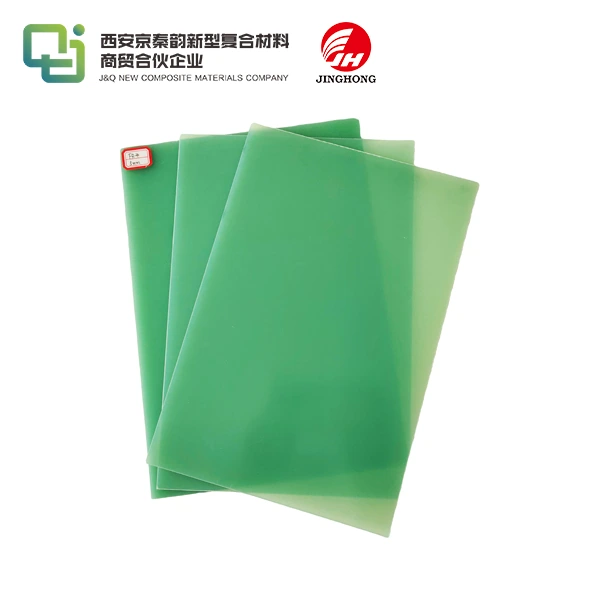
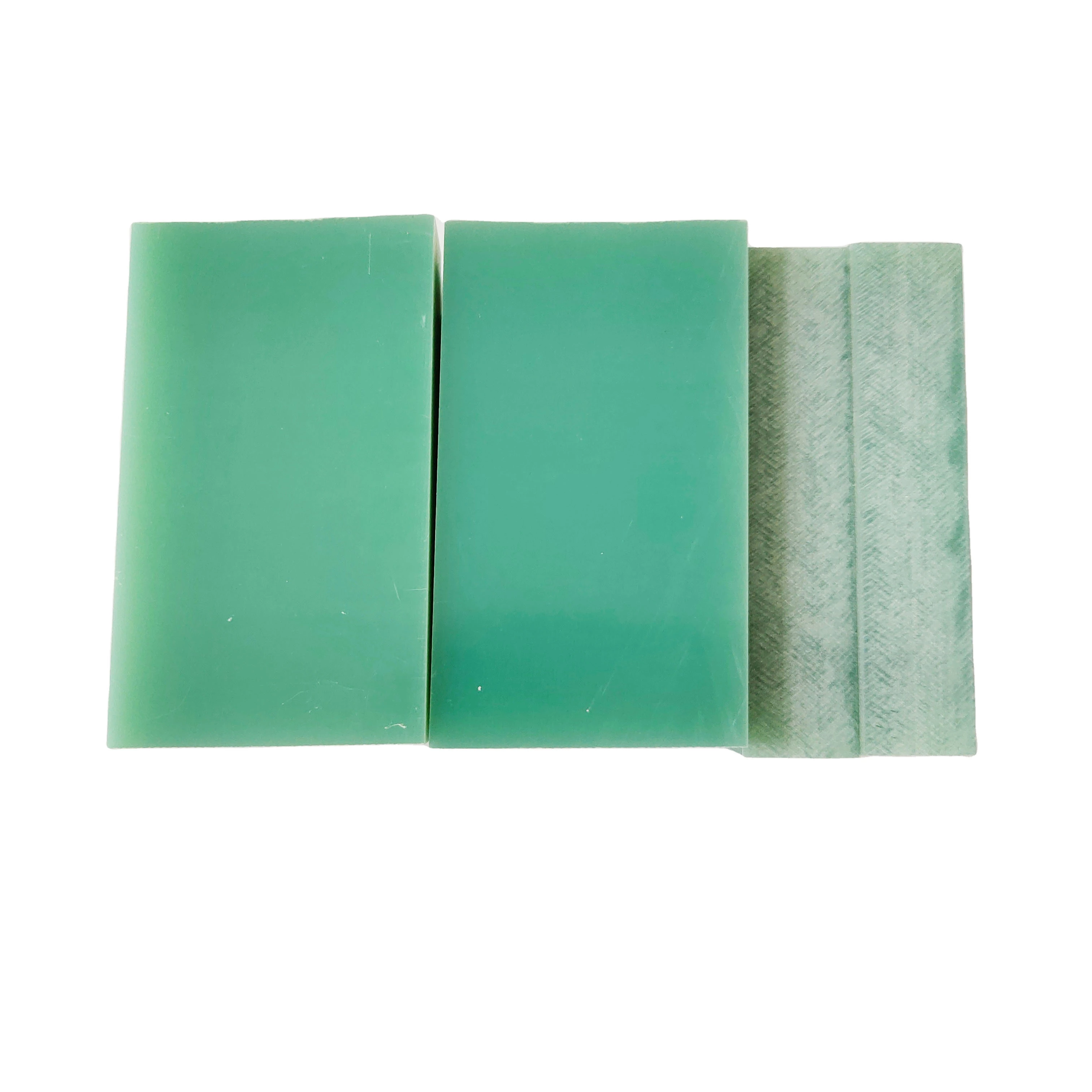
Fiberglass-epoxy composites are better at withstanding high temperatures, but they are not as strong as phenolic cotton boards. Processing properties are also very different. For example, phenolic cotton is easier to work with standard tools, which lowers the cost of making unique parts. Mica boards can handle high temperatures very well, but they are very expensive, which might not work with buying methods that are trying to stay within budget.
The cost-effectiveness study shows that phenolic cotton board is the best choice for uses that don't need to be exposed to very high or low temperatures. Its normal price range puts it between paper-based laminates and high-end fiberglass composites. This gives it good performance at a reasonable price for most power equipment uses.
Procurement Guide: Sourcing 3025 Phenolic Cotton Board for Industrial Use
To successfully buy phenolic cotton insulation materials, such as 3025 phenolic cotton board, you need to know what the suppliers can do, how the market works, and how to check the quality of the materials. Global supply lines provide many choices for sourcing, but it is still important to find makers with a track record in power equipment uses to make sure the reliability of the product.
Supplier Evaluation and Certification Requirements
Companies that have been around for a while usually keep their certifications up to date, such as ISO 9001 for quality management systems and UL recognition for electrical protection products. When these qualifications are checked, it gives you trust in the supplier's ability to offer materials with consistent properties. Manufacturing plant audits show how much can be made, how well quality control is done, and how well expert help is available. All of these things affect how reliable a supply will be in the long run.
Minimum order numbers vary a lot from one provider to the next, ranging from small amounts for prototypes to large amounts for full production. Flexible providers can work with both research projects and high-volume production needs. This lets buying teams meet project deadlines and improve inventory management at the same time.
Market Dynamics and Logistics Considerations
Prices are stable on the market right now, with only small changes happening due to changes in the cost of raw materials and factors in the global supply chain. Standard requirements usually have lead times of two to four weeks, while custom thicknesses may need four to six weeks, based on production plans. For international shipping plans to go through customs, paperwork needs to be coordinated, especially for packages of a lot of goods.
Net 30-day payment terms are usual for long-term customers, while new providers may need letters of credit or other ways to get paid ahead of time. Demonstrating promises to buy in large amounts and making long-term partnerships that help both parties by lowering transaction costs and increasing supply security are important parts of negotiating good terms.
Advantages of Using 3025 Phenolic Cotton Board for Power Equipment Protection
The efficiency of the insulation system under normal and fault situations, using a 3025 phenolic cotton board, has a big impact on how reliable power equipment is. Phenolic cotton board helps protect machinery in a number of ways that make operations safer and increase the life of the equipment. Knowing about these benefits helps to support engineering standards and choices about what materials to use.
Thermal and Electrical Performance Benefits
Good heat absorption properties keep parts of power equipment units from overheating in one area, which could damage nearby parts. Even though phenolic cotton board doesn't conduct heat as well as solid materials, it still moves heat around well enough to keep it from building up in moderate-power situations. This ability to control temperature lowers the need for cooling and makes the system more efficient overall.
The performance of electrical insulation stays the same over a wide range of temperatures, and the dielectric strength stays the same even when temperatures change. spark resistance features protect against electrical faults by keeping spark energy in check and stopping faults from spreading to nearby equipment. These protective features greatly lower the need for upkeep and raise the stability of the power system.
Chemical Resistance and Environmental Durability
Power equipment in industrial settings is often exposed to chemicals that are bad for it, like grease, cleaning agents, and air pollutants. The chemistry of phenolic resins naturally protects against oil-based fluids that are popular in power equipment setups. This chemical stability stops breakdowns that could hurt the qualities of electrical shielding over long periods of time.
The ability to absorb moisture stays well within acceptable ranges for most power tool uses. Even in places with a lot of humidity, phenolic cotton board keeps its mechanical and electrical qualities without much damage. This natural stability lowers the number of times equipment needs to be replaced and the cost of upkeep, while also making it easier to get.
Conclusion
Choosing the right shielding materials, such as 3025 phenolic cotton board, has a big effect on the safety, dependability, and lifetime costs of power equipment. Phenolic cotton board has been shown to work well in a wide range of situations and is also affordable enough to fit into industry budgets. Because it is strong mechanically, doesn't conduct electricity, and doesn't react with chemicals, it's a great choice for protecting power tools. When making buying decisions that support long-term operating success, procurement teams need to know about the qualities of the materials, the abilities of the suppliers, and the benefits that are unique to each application.
FAQ
What thickness options are available for 3025 phenolic cotton board?
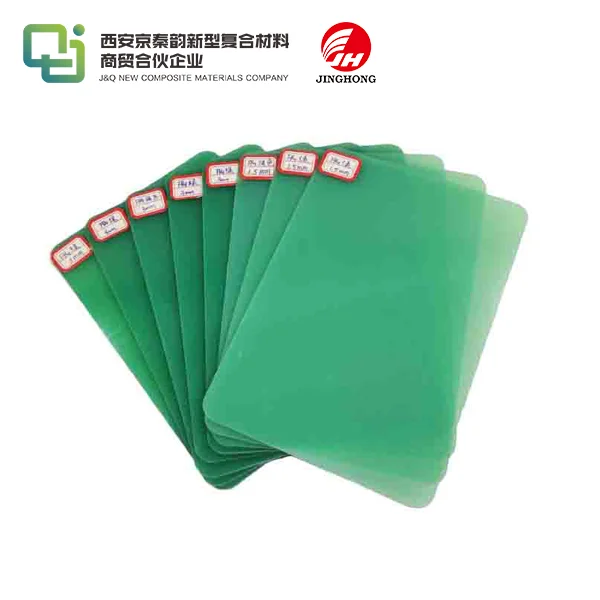
It comes in thicknesses of 0.5mm, 1.0mm, 1.5mm, 2.0mm, 3.0mm, 5.0mm, 8.0mm, 10.0mm, and for special uses, up to 50.0mm. Custom thickness standards can be made to fit unique design needs, but non-standard measures may have minimum order amounts.
How does temperature affect how well phenolic cotton insulation works?
Up to 130°C of continuous operation keeps all mechanical and electrical qualities. Short-term exposure to 150°C usually doesn't damage things permanently. When these limits are crossed, heat breakdown may start, which lowers the material's strength and ability to keep electricity from escaping.
Can phenolic cotton board be customized for specific applications?
You can change things like the exact thickness, the size of the sheets, the end shapes they take, and the way the surfaces are treated to make them stick better. Custom specs usually add two to four weeks to the time it takes to deliver a regular product.
What kinds of certificates should I look for in phenolic cotton board?
Some important certificates are ISO 9001 from the manufacturer, UL recognition for electrical insulation, and RoHS compliance for environmental standards. Some uses might need extra approvals, like meeting IEC 60893 standards or other business standards.
Partner with J&Q: Your Trusted 3025 Phenolic Cotton Board Manufacturer
J&Q has been making insulation materials like 3025 phenolic cotton board for more than 20 years and has been trading internationally for ten years. They can provide reliable phenolic cotton board options for power equipment uses. Our integrated logistics skills make managing the supply chain easy, and our thorough quality systems make sure that products always work the way power equipment makers need them to.Email our technical team at info@jhd-material.com to talk about your unique insulation needs and get custom quotes for your next job.
References
Smith, R.J. "Electrical Insulation Materials for Power Equipment: Performance Standards and Applications." Journal of Electrical Engineering Materials, 2023.
Anderson, M.K. "Phenolic Resin Composites in Industrial Applications: Manufacturing and Quality Control." Industrial Materials Quarterly, 2024.
Thompson, D.L. "Comparative Analysis of Insulation Materials for High-Voltage Equipment." Power Engineering Review, 2023.
Wilson, P.A. "Thermal Management in Power Equipment: Material Selection Criteria." Electrical Systems Technology, 2024.
Brown, S.M. "Cotton Fabric Reinforced Phenolic Laminates: Properties and Processing." Composite Materials Engineering, 2023.
Johnson, K.R. "Procurement Strategies for Industrial Insulation Materials: Global Supply Chain Considerations." B2B Industrial Procurement, 2024.
_1754967691873.webp)
