Why FR4 Sheets Are Essential in PCB Mass Production?
2026-02-10 17:17:47
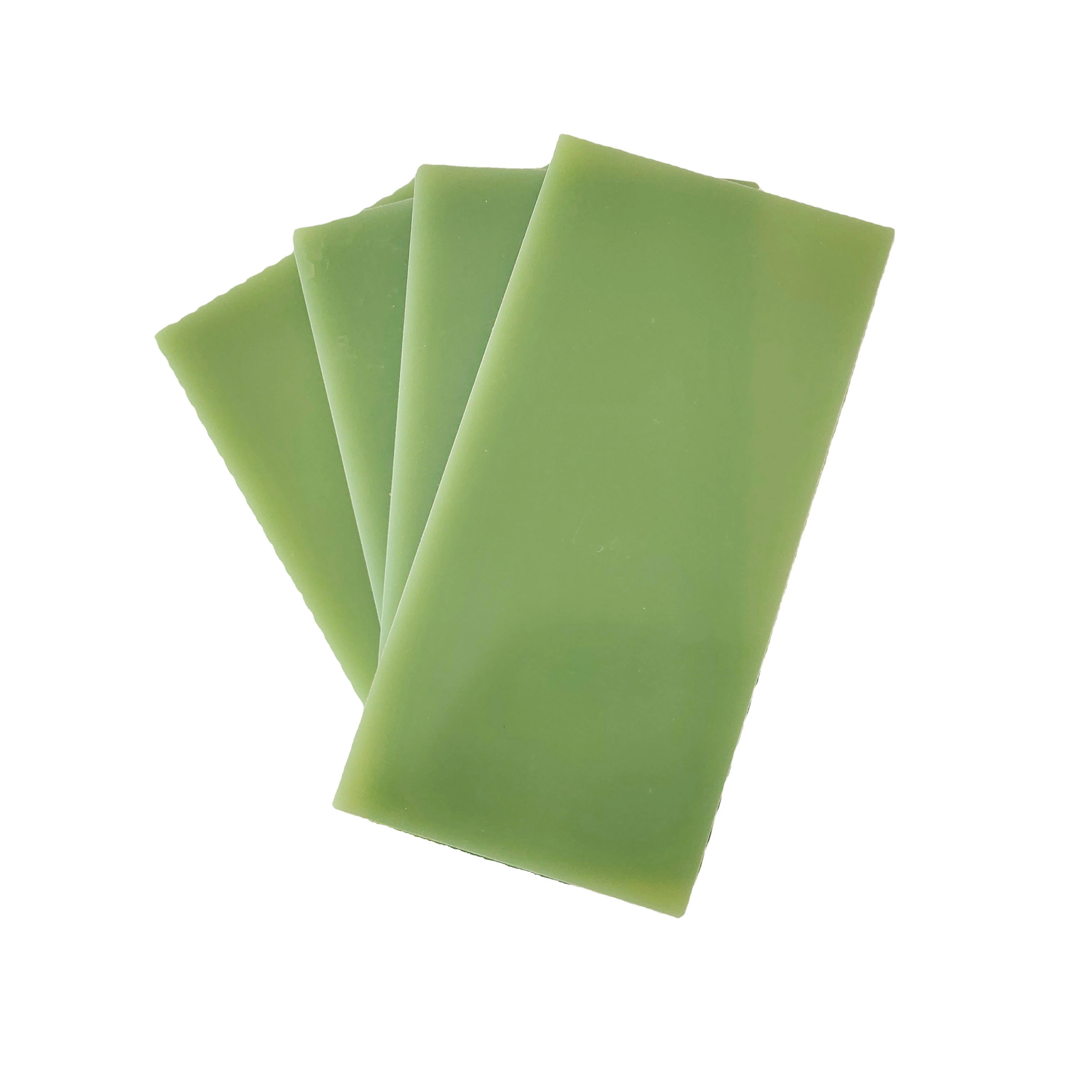
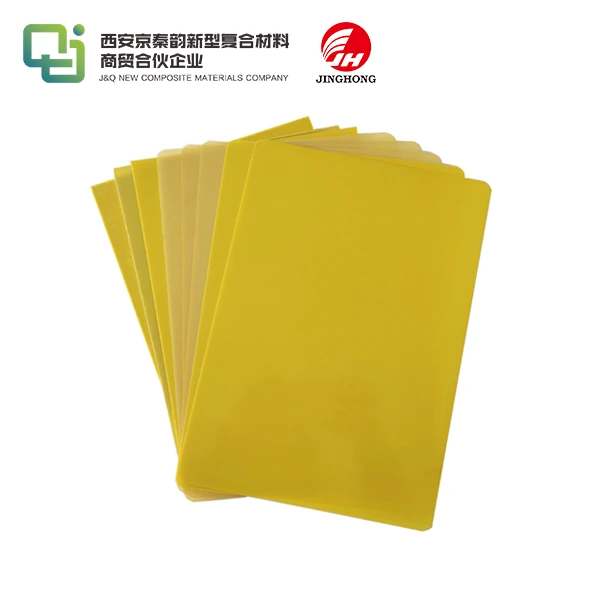
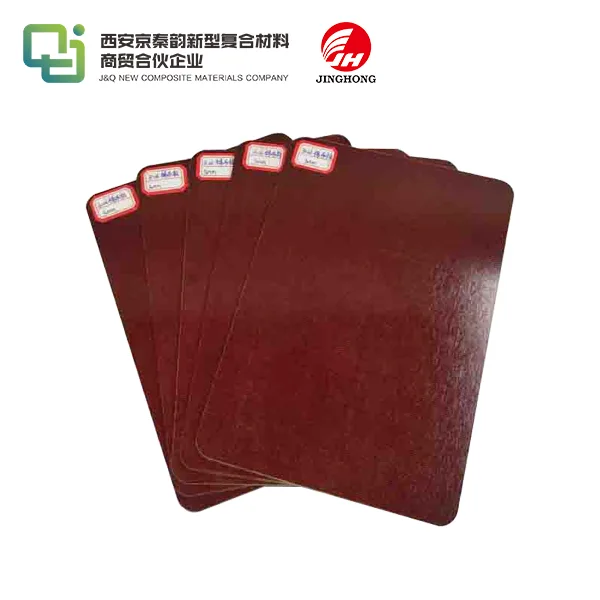
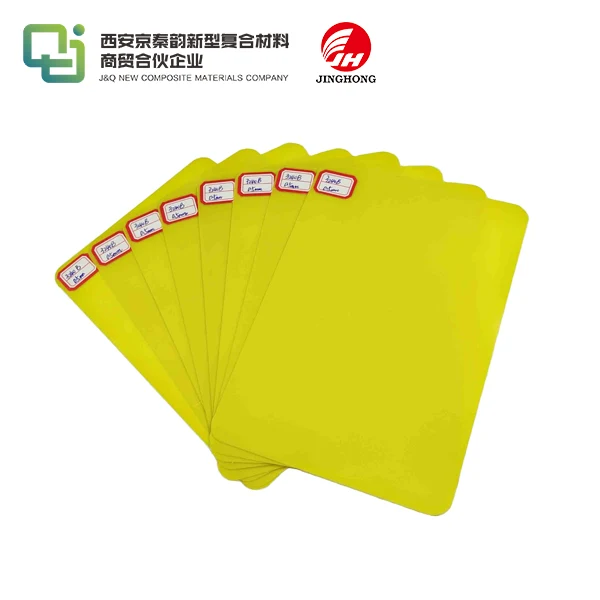
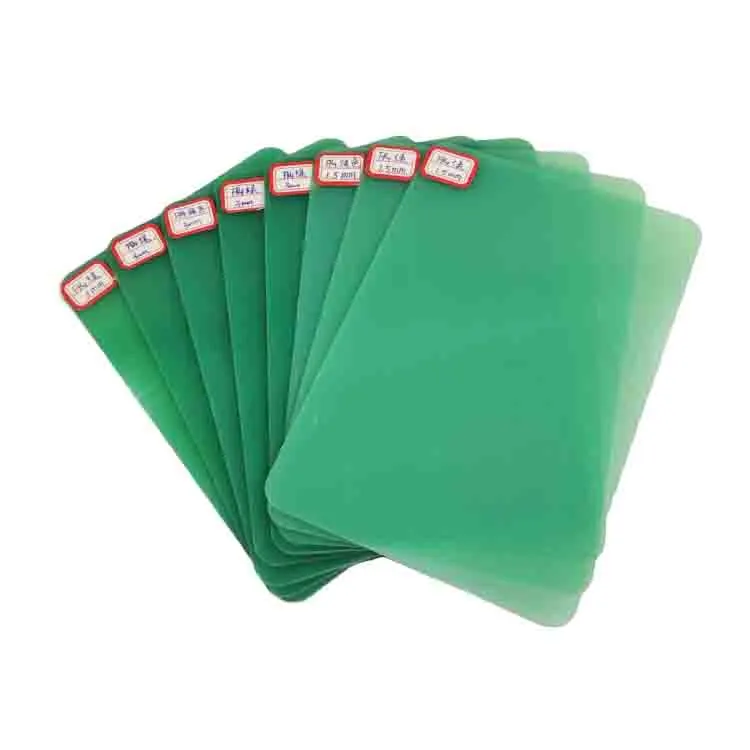
FR4 sheet technology is the foundation of current printed circuit board production. It provides the dependability and performance needed for high-volume production settings. These epoxy laminates with fiberglass reinforcement are very good at electrical protection, thermal stability, and mechanical strength. This lets makers make sure that the quality of thousands of PCB units is the same. Because it is flame retardant, stable in size, and cheap, FR4 is the substrate material of choice for electronics makers all over the world. It is used in everything from household electronics to industrial control systems and has been shown to last and be manufactured efficiently.
Understanding FR4 Material and Its Properties
FR4 is a high-tech composite material made just for printed circuit board uses. It is made up of high-performance epoxy resin systems and woven fiberglass cloth. This flame-retardant laminate has been certified by UL94 V-0, which means it is very resistant to fire and has great electrical qualities at a wide range of temperatures.
Chemical Composition and Structure
The building blocks of FR4 are E-glass fiberglass cloth and brominated epoxy resin, which are carefully mixed and adjusted. The epoxy matrix provides better bonding and electrical insulation qualities, while the fiberglass provides structural strength and dimensional stability. During the manufacturing process, several layers of pre-impregnated glass cloth go through controlled cycles of heat and pressure. This makes a substrate that is uniform and has properties that can be predicted.
Modern FR4 formulas use modern flame retardant systems that are safe for the environment and don't affect the working efficiency. The material's glass transition temperature is usually between 130°C and 140°C, which lets it work reliably in harsh heating conditions that are common in industrial electronics.
Electrical and Thermal Characteristics
The dielectric qualities of FR4 substrates are one of their best features. At normal frequencies, the dielectric constants range from 4.2 to 4.8. Because it is stable, the signal integrity stays the same over long production runs. This makes FR4 perfect for uses that need solid electrical performance. The breakdown factor of the material stays below 0.025, which keeps signal loss to a minimum in high-frequency settings.
FR4 is different from other base materials because it can handle heat better. The material stays structurally sound at temperatures up to 130°C when it is used continuously, and it can handle temperatures up to 180°C for short periods of time. This thermal stability stops warping and delamination during assembly, which is very important in settings with automatic mass production.
Mechanical Properties and Machinability
Because of how it is made, FR4 can be precisely manufactured and work reliably for a long time. The tensile strength usually goes above 415 MPa, and the modulus of elasticity is around 22 GPa. This makes it very resistant to mechanical stress during use and handling.
FR4 sheet CNC machinability is a big advantage in production because it lets you make parts with complicated geometries and tight tolerances, which are important for current electronic designs. The material cuts neatly and doesn't delaminate, so it can handle complex cutting patterns and edge finishing needs. You can tighten the controls on the surface roughness, which makes sure that the copper sticks well and that the plated-through-hole formation works properly.
Comparing FR4 Sheets with Alternative PCB Materials
When making a lot of PCBs, the choice of material has a big effect on both how well the products work and how efficiently they are made. When you know what makes FR4 better than other substrates, you can make smart purchasing choices that balance performance needs with cost concerns.
Performance Analysis Against High-Frequency Materials
Rogers materials and other high-frequency laminates work better electrically in certain situations because they have lower dielectric constants and smaller loss tangents. These materials, on the other hand, usually cost three to five times as much as regular FR4 and need special handling and processing methods that make mass production more difficult.
Through better material systems and stricter production controls, FR4 technology has grown to handle a wide range of high-frequency uses. Modern low-loss FR4 types work well enough for uses up to several GHz while still having processing benefits and a cost structure that allow for mass production.
Cost-Effectiveness in Volume Production
For mass production uses, economic factors are very important when choosing materials. Because they are widely available, have mature supply chains, and have standard processing needs, FR4 substrates have big cost benefits. Because the material can be used with current industrial equipment, there is no need to make any changes to the process or make special tools.
Volume price systems for FR4 allow for big economies of scale. Buying in bulk can often save you 20–30% on the cost of a smaller quantity. This price edge is very important in markets for consumer gadgets that are very competitive and where the cost of materials has a direct effect on profits.
Manufacturing Process Compatibility
Standard PCB manufacturing methods work perfectly with FR4 substrates, so there are no learning curves or process changes that need to be made for other materials. The material expands and contracts at the same rate as regular copper foil, so it doesn't break under stress during heat cycles. With the tools and equipment that are already available, drilling, cutting, and finishing the surface work well.
Chemical compatibility with common processing solutions makes sure that results are solid in a wide range of industrial settings. Etchant resistance, developer compatibility, and solder mask adhesion all stay the same. This is good for automatic production lines that need materials to behave in a regular way.
How to Ensure FR4 PCB Quality in Mass Production?
As production rates rise, quality assurance methods for FR4 sheet become more important because they require organized ways to describe materials, keep an eye on the process, and stop mistakes before they happen. Full testing plans keep production running smoothly and protect against differences between batches.
Material Characterization and Testing
The basis for reliable output quality is the inspection of incoming materials. Using impedance test coupons to measure the dielectric constant makes sure that the electrical qualities are within the values specified. Thermal stress testing checks how resistant a material is to delamination by changing temperatures in a way that mimics how it will be used and assembled.
Visual inspection methods find flaws on the surface, exposed fibers, and differences in the glue distribution that could make it hard to build a circuit. Multiple thickness measurements make sure that the measurements are always the same, which is important for controlling resistance and making sure that the parts work together. Testing for moisture absorption stops processing problems caused by outgassing during laminate processes.
Supplier Qualification and Certification
To find suitable providers, you have to look at their manufacturing skills, quality processes, and compliance with certifications. ISO 9001 certification is a basic way to make sure that quality control systems are working, and UL certification makes sure that flame retardancy rules are followed. IPC specifications set the bar for electrical and mechanical properties in the business.
Supplier checks look at how things are made, how well they can be tested, and how well they keep records of quality. Implementing statistical process control shows a dedication to consistent quality, and tracking tools let problems with quality be fixed quickly. Looking at long-term performance data can help you find providers who can meet your high-volume needs without lowering the quality.
Process Monitoring and Control
During production cycles, real-time monitoring tools keep an eye on important process factors. Lamination temperature and pressure patterns make sure that the resin cures properly and that heat damage doesn't happen. For different types and thicknesses of FR4, the drilling factors need to be carefully optimized to get the best hole quality and tool life.
Statistical methods for quality control find trends before they have an effect on the result of the production. Control charts keep track of important properties such as the dielectric constant, changes in thickness, and peel strength from one production lot to the next. Automated optical screening systems find flaws early in the process, which cuts down on the costs of scrap and repairs.
Procurement Guide for Buying FR4 Sheets in Bulk
Strategic methods to buying FR4 sheet get the best value while also making sure there is a steady supply for large-scale production needs. By understanding how the market works, what suppliers can do, and how to get things to them, you can make the best choices about where to get things that will help your business succeed in the long run.
Supplier Evaluation Criteria
A full supplier assessment looks at the seller's ability to make things, their quality processes, and their technical help skills. Production capacity must match the number needs while still being able to adapt to changes in demand. Spreading out production sites across the world makes the supply chain more resilient to problems in certain regions.
It's important to have technical help in order to solve problems that are unique to an application and get the best results from materials. Suppliers who give services like design help, failure analysis, and process improvement add value on top of just providing materials. Maintaining certifications and following the rules make sure that people in all areas can continue to reach markets.
Volume Pricing and Contract Negotiations
Bulk buying strategies use agreements to buy in large amounts to get better prices while keeping the supply flexible. When compared to spot price, annual volume contracts often get discounts of 15–25%. Multi-year agreements can save you even more. Flexible shipping dates make it easier to handle inventory and make sure that materials are always available.
Price-escalation clauses protect against changes in the cost of raw materials and spread the risk between the customer and the seller. Quality promises and performance contracts give you options for fixing problems with materials that affect production. When buying things from other countries, the financial risk is managed by the payment terms and currency trading techniques.
Logistics and Inventory Management
Logistics systems that work well keep costs low while making sure that materials are always available. Just-in-time delivery systems keep output going while lowering the costs of keeping inventory on hand. With consignment inventory deals, suppliers take on the risk of the inventory while still allowing quick access to the materials.
Specifications for packaging for FR4 sheet protect the purity of the goods while they are being shipped and stored. Electrical qualities that are sensitive are kept safe by anti-static packing, and processing characteristics are kept stable by moisture barrier protection. Standardized packing measurements improve the efficiency of warehouses and lower the cost of handling.
The Future and Sustainability of FR4 in PCB Mass Production
FR4 technology, production methods, and environmental compliance are always getting better because the industry is changing. Knowing about these trends helps with strategy planning and choosing suppliers that meet the needs of the future.
Environmental Compliance and Sustainability
Regulatory forces drive the creation of halogen-free FR4 formulations that keep up efficiency while making the material more eco-friendly. ROHS compliance gets rid of dangerous chemicals while keeping flame retardancy by using different chemicals. End-of-life recycling programs get rid of tech trash while also getting back useful materials.
Initiatives to make the supply chain more sustainable focus on using green energy, cutting down on waste, and buying things in a responsible way. Programs to lower carbon footprints include ways to improve production processes, logistics for shipping, and packaging. Life cycle review methods help people choose materials that are good for both efficiency and the environment.
Technological Developments
For challenging uses, advanced resin systems make heat performance better while keeping costs low. With low-loss formulas, high-frequency performance can be increased without using rare materials. Better copper bonding makes assemblies more reliable and helps with fine-pitch uses.
Automation in manufacturing cuts down on handling costs and raises standards. Real-time feedback from digital quality tracking tools helps improve the process. Predictive repair plans keep machines running longer and reduce downtime. Because of these improvements in technology, FR4 can still compete with new base technologies.
Conclusion
FR4 sheets are still the most common way to make PCBs because they offer the best mix of speed, reliability, and cost-effectiveness. Because the material has been used successfully in large-scale production before and technology is always getting better, it will continue to be useful in electronics markets that are always changing. The benefits of FR4 technology are maximized by strategic buying methods that focus on relationships with suppliers, quality assurance, and long-term planning. These methods also support environmentally friendly manufacturing practices. When manufacturing companies understand these principles, they can reach their production goals and stay ahead of the competition in markets that are always changing.
FAQ
What makes FR4 sheets suitable for high-volume PCB production?
FR4 has very stable dimensions, uniform electrical properties, and predictable processing qualities that make large-scale automated manufacturing possible. Standardized features of the material cut down on variation and help quality control systems work well, which is important in mass production settings.
How do I select the right FR4 standard for my use?
The choice of material is based on the required working temperature, the need for electrical performance, and the need to consider mechanical stress. Standard FR4 is good for most general-purpose uses, and high-Tg versions can handle higher temperatures. For high-frequency uses in FR4 cost designs, low-loss versions are available.
What quality certifications should I require from FR4 suppliers?
Some important certifications are ISO 9001 for quality control systems, UL recognition for flame retardancy, and IPC requirements for electrical and mechanical properties. ROHS compliance makes sure that the product is safe for the environment, but for aircraft or car uses, you may need industry-specific certifications.
Partner with J&Q for Your FR4 Sheet Manufacturing Needs
J&Q can help you with your PCB mass production needs because they have been making insulation sheets for over 20 years and have been dealing internationally for ten years. Because we know a lot about how FR4 sheet is used in the electrical, industrial, and automobile sectors, we can make products that fit your exact performance and volume needs. As a well-known provider of FR4 sheets, we uphold strict quality standards and offer low pricing that makes it easy for large-scale buying projects to go smoothly. Our unified transportation services let you choose the materials you need and have them delivered all in one place, making sure that your production operations have reliable supply chain support. Email our technical team at info@jhd-material.com to talk about your FR4 needs and find out how our years of experience can help you make your PCB production more efficient.
References
Harper, Charles A. "Electronic Materials and Processes Handbook, Fourth Edition." McGraw-Hill Education, 2018.
Coombs, Clyde F. "Printed Circuits Handbook, Seventh Edition." McGraw-Hill Professional, 2016.
IPC Association. "IPC-4101: Specification for Base Materials for Rigid and Multilayer Printed Boards." IPC International, 2020.
Prasad, Ray P. "Surface Mount Technology: Principles and Practice, Third Edition." Springer Science & Business Media, 2017.
Blackwell, Glenn R. "The Electronic Packaging Handbook." CRC Press, 2019.
Tummala, Rao R. "Fundamentals of Microsystems Packaging." McGraw-Hill Professional, 2018.