3025 Phenolic Sheets in Oil-Immersed Transformers: A Reliability Study
2026-07-02 17:27:21
When engineers build oil-immersed transformers, choosing the right insulation material is a mission-critical choice that affects the safety and life of the equipment. For transformer makers looking for materials that work consistently in harsh chemical and electrical conditions, the 3025 phenolic sheet, which is made of fine-weave cotton cloth laminated with phenolic resin, has become a reliable choice. This reliability study looks at how these special laminates solve recurring problems in transformer insulation. It gives procurement teams evidence-based information on how to choose materials that match technical performance with cost-effectiveness in power infrastructure applications.
Understanding 3025 Phenolic Sheets: Properties and Technical Specifications
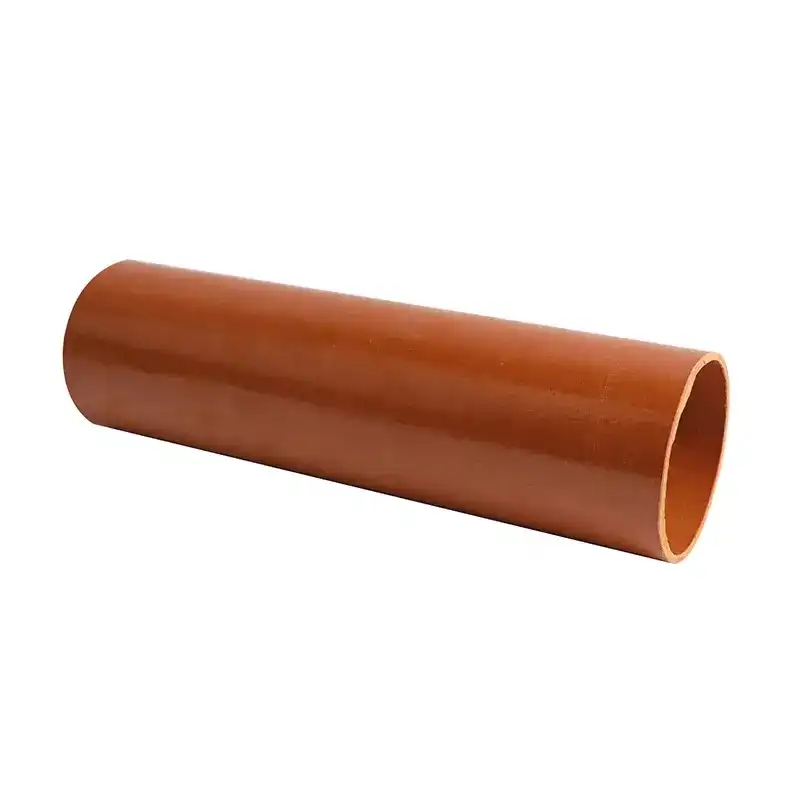
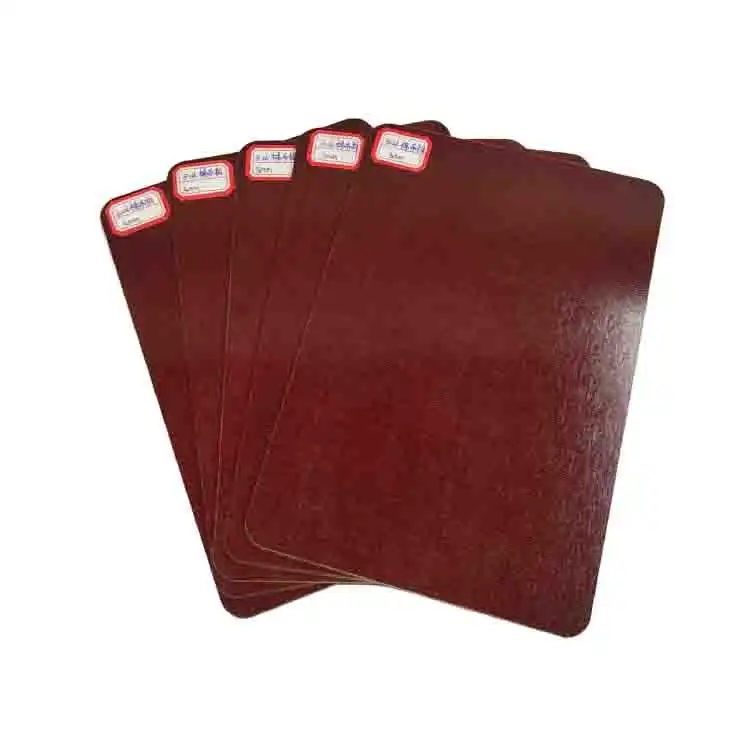
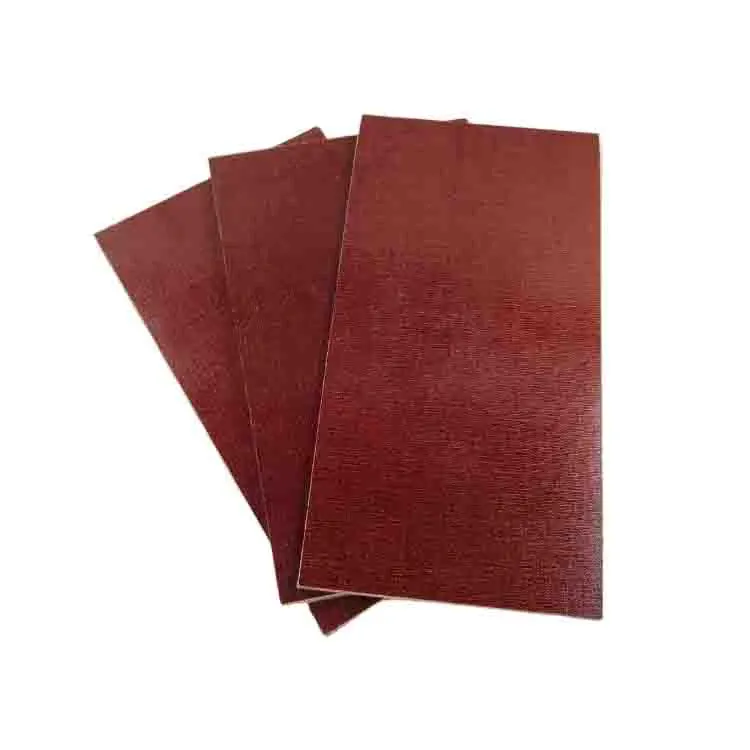
The carefully controlled production process of fine-weave phenolic cotton laminatecs is what makes them work. To make them, high-quality cotton cloth is immersed in thermosetting phenolic resins and then cured under exactly controlled heat and pressure conditions. This way of making things makes a stiff composite material with a density of 1.35 to 1.45 g/cm³. This makes sure that the dimensions stay the same even when the temperature is changed.
Composition and Manufacturing Process
Manufacturers cover fine-weave cotton cloth with liquid phenolic resin during the making process. This cloth usually has a tight weave pattern with at least 25x25 yarns per centimeter. The part is then put into compression molding equipment, which heats it up to more than 150°C and applies pressures of about 10 MPa to start the cross-linking chemistry in the plastic. The heat cures the stretchy cloth, turning it into a tough, workable sheet with great mechanical strength. These laminates are different from coarser ones because they have a fine-weave structure that makes the surfaces smoother. This makes precision cutting easier and reduces stress concentration points during manufacturing.
Critical Technical Properties for Transformer Applications
When electrical engineers look at insulation materials for oil-immersed transformers, they put a lot of weight on a number of performance measures. These phenolic cotton laminates have flexural strengths of more than 100 MPa perpendicular to the laminations. This means that the structure is resistant to mechanical pressures that happen during the building and operation of the transformer. As a Class E shielding material, they work reliably at temperatures up to 120°C, which is enough to meet the heat needs of many distribution transformer designs.
One very useful thing about the material is that it stays chemically stable in mineral oil settings. Some polymer options may swell or break down when exposed to transformer oils, but phenolic cotton laminates keep their shape and mechanical qualities even after being in oil for a long time. In the lab, insulation resistance values stay above 1x10⁷ Ω even after being exposed to dielectric fluids for a long time. This proves that they are suitable for long-term use in electrical equipment that is filled with oil.
Standards Compliance and Quality Benchmarks
Reliable makers make these 3025 phenolic sheet laminates according to Chinese standards GB/T 5130-1997. They are also made to foreign standards like IEC 60893-3-4 Type PF CC 201 and NEMA Grade LE. Adhering to these well-known standards gives procurement experts peace of mind about the regularity of materials and the certainty of their performance. Certified production batches come with Certificates of Analysis that list important factors like bond strength (usually ≥5000 N), water absorption rates, and measurement limits. This information is very important for quality control in factories that make transformers.
Reliability Challenges in Oil-Immersed Transformers and How 3025 Phenolic Sheets Address Them
Manufacturers of transformers have to deal with repeated insulation failures caused by three main factors: temperature stress, chemical reactions with dielectric fluids, and wear and tear from vibrations during operation. These problems get worse over the decades that equipment lasts, so choosing the right materials at the start is very important to avoid expensive fails in the field.
Thermal Degradation Resistance
During normal operation, transformers produce a lot of heat. When they are loaded, the temperature inside oil-immersed units regularly reaches 90°C to 105°C. These changes in temperature must be able to be handled by insulation materials without losing their mechanical strength or becoming weak, which can cause cracks. The phenolic resin matrix in fine-weave laminates is very thermally stable up to its Class E temperature rating. It can withstand thousands of thermal cycles that would break down less durable materials and still keep its structural integrity. Important parts like coil spacers, support wedges, and barrier boards don't break down before they should because of this heat resistance.
Chemical Compatibility with Transformer Oils
Mineral oils are used to cool and insulate transformers. However, they can chemically attack some polymer insulation materials, making them grow, become soft, or dissolve, which can damage their electrical and mechanical qualities. Over many years of use in the field, phenolic cotton laminates have shown to be very resistant to these chemical reactions. When normal transformer oils come in contact with the cross-linked phenolic resin structure, it stays chemically neutral. This keeps the dielectric fluid clean and the material's shape stable. Because of this compatibility, there are no worries that oil absorption will affect the performance of electrical insulation or mechanical fit limits over time.
Mechanical Durability Under Operational Stress
When transformers are in use, when they are being moved, and when they heat up and cool down, electric forces put constant stress on them. The insulation parts have to be able to handle these mechanical loads without breaking or delaminating. The fine-weave structure gives the bonds between laminate layers a very high strength—usually more than 5000 N in peel tests. This strong interlayer bonding stops delamination during punching operations that are used to make complicated insulation forms and keeps the structure strong for the whole life of the equipment. Because the material has a high compressive strength, it can also be used in load-bearing parts and structures that hold coils.
Performance data from power company operations in the real world backs up these benefits. Manufacturers of transformers say that units with good phenolic cotton insulation have measurably lower failure rates than units with other materials that aren't as good at resisting oil or heat. This dependability means that electrical companies will have lower upkeep costs and a more stable grid.
Comparative Analysis: 3025 Phenolic Sheets vs Alternative Insulation Materials
Before making a purchase choice, you need to know how phenolic cotton laminates stack up against other insulation materials. Different types of materials have different pros and cons that affect how well they work in different transformer designs and situations.
Phenolic Cotton Laminates vs Epoxy Glass Laminates
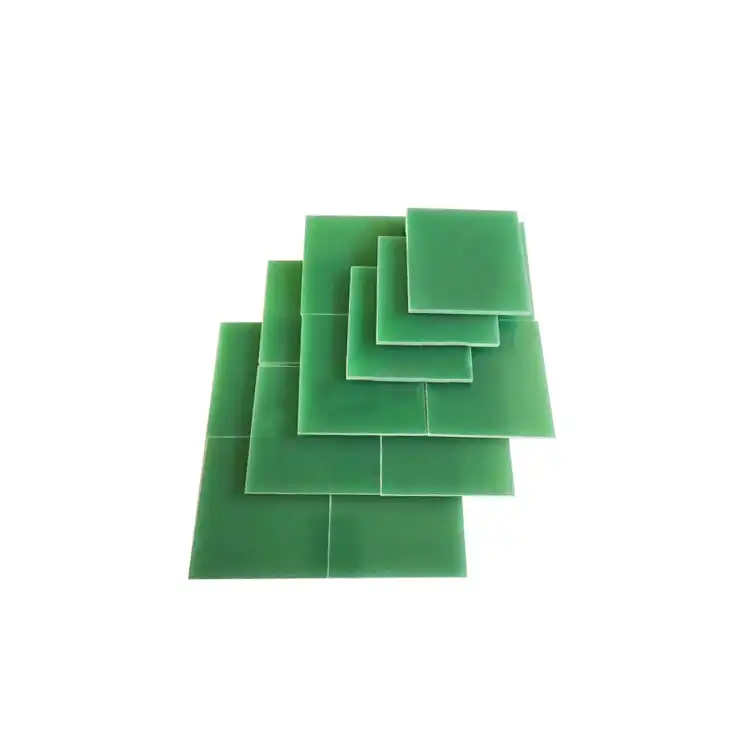
Epoxy-based laminates with glass fiber reinforcement, like FR4 and 3240 grades, are better at handling electricity and can withstand higher temperatures (Class F, 155°C) than phenolic cotton materials such as 3025 phenolic sheet. Because of these benefits, epoxy glass laminates are better for high-voltage uses that need the best electrical shielding. But switching from cotton to glass reinforcing makes the cloth much more fragile and makes it harder to machine. Phenolic cotton laminates work great in situations where complicated forms need to be made by cutting or milling. This is because the material is easy to work with, which lowers the cost of production and the amount of waste. The difference in price also benefits phenolic cotton choices when the dielectric needs are within their Class E capabilities.
Performance Advantages Over Compressed Wood Laminates
In older transformer designs, insulation materials made of crushed wood were common. Even though they are cheap, these cotton goods easily absorb water, which makes them less useful in damp places. The phenolic resin binder in cotton laminates makes them much more resistant to moisture than raw wood goods. However, buyers should be aware that the cotton base means that long-term exposure to high humidity can still affect performance. This benefit of being resistant to moisture is especially useful for outdoor transformer setups and places with harsh weather.
Durability Compared to Thermoplastic Alternatives
Engineering thermoplastics are very resistant to chemicals and are easy to make by fill casting. Thermosetting phenolic laminates, on the other hand, can keep their shape and be strong when compressed better than most thermoplastic materials when heated up. The cross-linked molecular structure in finished phenolic resin makes a stiff three-dimensional network that doesn't creep or deform under long-term mechanical loads at temperatures close to the 120°C grade of the material. Because of this steadiness, the exact spacing between generator windings stays the same for the whole life of the equipment.
These comparisons help buying professionals match the properties of materials to the needs of specific applications. When working with low voltages and temperatures, phenolic cotton insulation works best for distribution transformers. On the other hand, premium epoxy glass materials may be necessary for high-voltage equipment because of their better electrical qualities.
Procurement Guide for 3025 Phenolic Sheets: Pricing, Suppliers, and Ordering Tips
To buy phenolic cotton laminates successfully, you need to know how the market works, what your suppliers can do, and how to check the quality. When making strategic buying choices, you have to weigh the short-term cost of an item against its long-term dependability, performance, and stability in the supply chain.
Market Overview and Pricing Factors
The prices of raw materials, the use of production capacity, and regional demand trends all affect the global markets for industrial laminates. The price of phenolic resin is linked to the price of crude oil because it comes from petroleum feedstocks. On the other hand, the price of cotton cloth changes with the price of farming commodities. Bulk buyers usually get better prices than spot buyers because they discuss prices based on annual volume agreements. Lead times for normal thicknesses are usually between three and five weeks, but longer production schedules may be needed for special requirements.
Supplier Selection Criteria
To find trusted makers of 3025 phenolic sheet, you have to look at them from a lot of different angles. Certification to the ISO 9001 quality management system gives you a basic guarantee that the way you make things will always be the same. Suppliers to the electrical business should show that they know about important product standards like IEC 60893 and NEMA industrial laminate specs. Ask for sample batches that come with full Certificates of Analysis that list the physical qualities, electrical characteristics, and limits for size. If a supplier has their own testing labs, they can provide faster quality checks and expert help than suppliers who only use third-party testing services.
Another important factor is the ability to manufacture. Precision calendaring machinery and climate-controlled curing ovens help manufacturers get better thickness standards and more consistent mechanical qualities. If you can, visit the factories of possible suppliers to see how they handle quality control and judge the quality of their production tools.
Customization and Order Specifications
Standard sheet sizes are usually 1000 mm x 2000 mm panels, but many makers can make sheets in any size to save material in certain situations. The range of thicknesses available is usually between 0.5 mm and 50 mm, with tighter limits for size possible in smaller gauges. In buy orders, be clear about the tolerances that are needed. Standard commercial grades usually meet a thickness tolerance of ±10%, while precision grades can get to ±5% or smaller.
Buyers who buy a lot should talk to their sellers about how to set up their goods. Programs for consignment stocking can lower the amount of working capital needed while still making sure that materials are available on time for production plans. To avoid disagreements about material conformance, make sure that supply deals include clear quality acceptance standards and inspection processes.
Logistics and International Shipping Considerations
Phenolic laminates can be shipped as regular goods and don't need to be handled in a certain way. However, keeping them dry during transport does help keep their qualities. Shipping large amounts of goods in containers can save you money, and the right support keeps the goods from getting damaged during transport. Suppliers with a lot of experience can give you the export paperwork you need, like business bills, packing lists, and material safety data sheets. To make sure that materials get to manufacturing plants quickly, work with transportation partners who know how to handle industrial materials.
Handling, Installation, and Maintenance Best Practices for 3025 Phenolic Sheets
The performance benefits of high-quality phenolic cotton laminates are maximized when they are handled and installed correctly. Damage is avoided during manufacturing and assembly.
Fabrication and Machining Guidelines
Machine shops that make transformer insulation parts should keep phenolic sheet stock in climate-controlled areas that stay between 15°C and 25°C and have a relative humidity of 40 to 60%. This treatment stops changes in size caused by moisture that could affect the tolerances of a made part. When cutting or milling, use carbide-tipped tools that are run at modest speeds and with enough chip clearance to keep the material's surface from getting too hot and burning.
When preheating the material to 90°C to 100°C, punching processes that make mounting holes or complicated forms work best. This heat treatment makes the material less brittle and less likely to crack around punched features. Keep the dies sharp and make sure there is enough space between the punch and the die so that the edges are clean and the material doesn't tear.
Installation Procedures in Transformer Assembly
Be careful when handling cut insulation parts to avoid damage from impacts that could cause cracks. Before fitting, clean all surfaces with lint-free cloths and solvents that have been cleared to get rid of machining oils. When putting together the transformer's windings, make sure that the insulation spaces and shields fit properly and don't need to be forced. Installing things with too much stress can lead to failure points. When putting bolted insulation parts, make sure you exactly follow the manufacturer's torque recommendations to keep the material from being crushed and to make sure it stays in place.
Maintenance and Inspection Protocols
During planned repair breaks, oil-immersed transformers need to have their internal insulation parts checked from time to time. Cracks, delamination, or surface weathering that could be signs of problems in the future should be seen with the naked eye. Surface staining that seems normal after being exposed to oil for a long time is usually a sign of electrical tracking that needs to be looked into. Instead of trying to fix any insulation parts that show structural damage, you should replace them because repairing them would put people's safety at risk.
Keep the quality of the transformer oil within certain limits to keep the shielding material's features throughout the equipment's useful life. Testing the oil regularly and replacing or filtering it when it's time keeps it clean and stops wetness and dirt from building up, which could hurt the insulation over time.
Conclusion
Fine-weave phenolic cotton laminates such as 3025 phenolic sheet have been shown to be reliable in oil-immersed transformer uses because they have the right amount of chemical protection, mechanical strength, and thermal stability. When it comes to insulation, these materials solve important problems while also being easy to work with and cheaper than more expensive options. The best value for procurement professionals comes from working with experienced producers who consistently show high quality, technical know-how, and supply chain dependability. By using the right materials, making sure they meet strict requirements and testing them, and following the right steps for fabrication and installation, these insulation parts help transformer designs last for decades in tough electrical infrastructure settings.
FAQ
Why should I specify phenolic cotton laminates instead of epoxy glass materials for transformer insulation?
Phenolic cotton laminates work great in situations where being easy to machine and resistant to wear are more important than having the highest dielectric strength. Because they work well with transformer oils and are cheaper, they are perfect for power transformers and equipment that works with low voltage. Epoxy glass materials are more expensive and harder to work with, so only use them when they are needed for higher temperature grades or better electrical qualities.
How can I verify material quality when evaluating supplier quotations?
Ask for full Certificates of Analysis that list physical qualities like tensile strength, bond strength, water absorption, and resistance to insulation. Manufacturers with a good reputation give test results from licensed labs that can be tracked back to established standards. Before committing to big production orders, ask for samples of the materials and have independent testing done on key factors to make sure they are correct. Audits of suppliers' facilities give buyers more confidence in their ability to make things and their quality control systems.
What lead times should I expect for custom-sized orders?
Standard thickness materials usually ship three to five weeks after the order is confirmed. Lead times may go up to eight weeks if you need custom sizes or specific specs. This depends on when the materials are available and how busy the factory is. Set up blanket purchase orders with planned releases to make sure that the supply of materials matches your production needs and to keep the costs of keeping inventory to a minimum.
Partner with J&Q for Reliable 3025 Phenolic Sheet Supply
J&Q has been in business for over 20 years and has knowledge in both manufacturing and foreign trade. They can help transformer and electrical equipment makers who need reliable 3025 phenolic sheet solutions. Our factories have strict quality control methods that make sure every batch meets the exact requirements for use in oil-immersed transformers. As a well-known company that makes 3025 phenolic sheets, we offer full professional support, from helping you choose the right materials to giving you advice on how to make them. All of this comes with full paperwork that meets international standards. Our integrated logistics services include custom cutting, packing, and direct shipping to your production sites, so you only have to deal with one company. Email our technical team at info@jhd-material.com to talk about your particular insulation needs, get full product specs, or set up a trial sample. We work with procurement workers who want uniform quality, on-time delivery, and helpful technical support across all of their supply chain relationships.
References
International Electrotechnical Commission. "Industrial Rigid Laminated Sheets Based on Thermosetting Resins for Electrical Purposes - Part 3-4: Specifications for Individual Materials - Phenolic Resin Cotton Fabric Laminated Sheets." IEC 60893-3-4:2010.
National Electrical Manufacturers Association. "Industrial Laminated Thermosetting Products." NEMA LI 1-1998 (R2019).
Chinese National Standards. "Industrial Rigid Laminated Sheets Based on Thermosetting Resins for Electrical Purposes." GB/T 5130-1997.
Kulkarni, S.V. and Khaparde, S.A. "Transformer Engineering: Design, Technology, and Diagnostics." Second Edition. CRC Press, 2012.
McNutt, W.J. and Kaufmann, P.E. "Insulation Systems for Power Transformers." IEEE Transactions on Power Apparatus and Systems, Vol. PAS-103, No. 6, June 1984.
Heathcote, Martin J. "The J&P Transformer Book: A Practical Technology of the Power Transformer." Thirteenth Edition. Newnes, 1998.