
Structural Support in Wind Turbine Nacelles: The Power of G10 Fiberglass
2026-07-02 17:27:25
Wind turbine nacelles need materials that can stand up to a lot of mechanical stress, changes in temperature, and exposure to the elements without losing their shape. G10 fiberglass sheet is a key answer to these problems because it is both very strong and very good at keeping electricity from flowing through it. This epoxy resin-bonded composite material gives wind energy developers solid performance in harsh operating conditions, protecting sensitive electrical parts inside turbine nacelles and keeping the structure stable.
Understanding G10 Fiberglass Sheet and Its Role in Nacelle Structures
Learn about G10 fiberglass sheet and how it is used in nacelle structures.
What Defines G10 Fiberglass Sheet
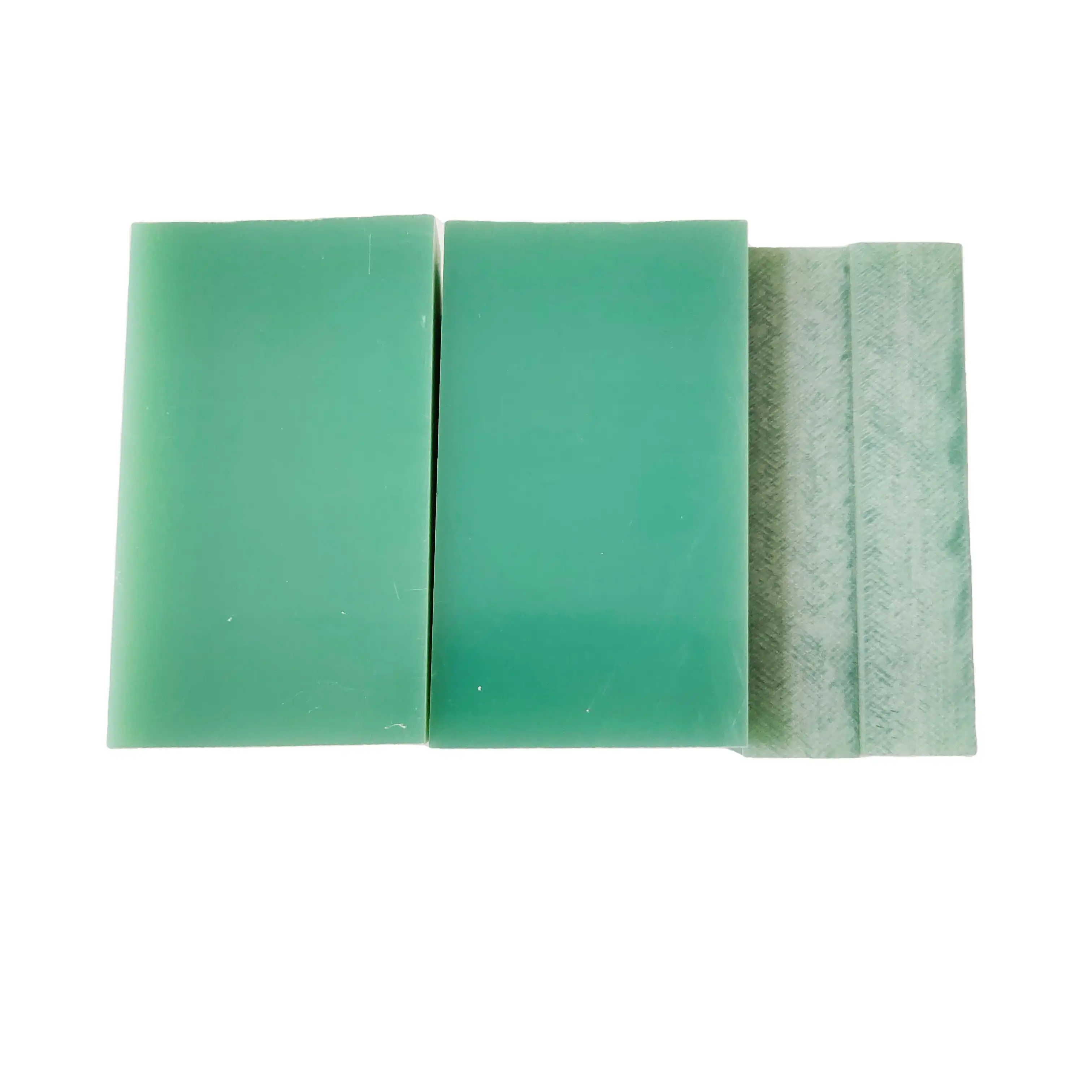
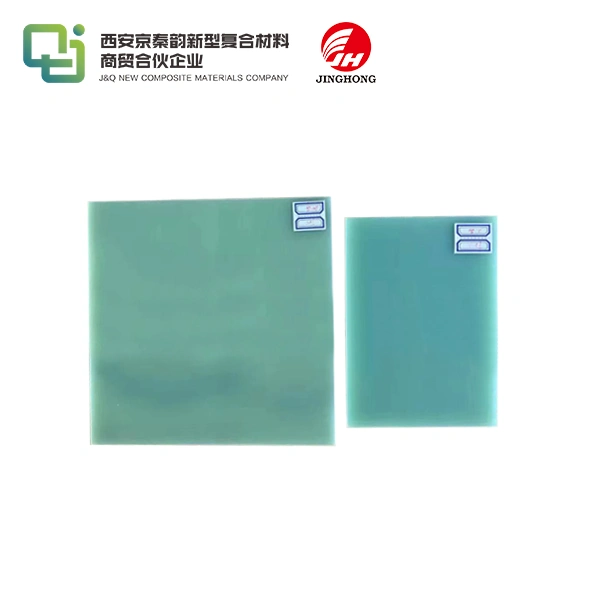
G10 fiberglass sheet is a high-performance thermosetting material made of woven glass cloth that has epoxy glue mixed into it. To make it, glass fabric prepreg materials are stacked on top of each other under controlled heat and pressure. This makes a thick laminate that meets strict NEMA G-10 standards. This mixture makes a flat, smooth surface that doesn't have any bubbles, wrinkles, or delamination. This is important for precise engineering uses in wind turbine systems.
Core Material Properties
Epoxy fiberglass laminates have a special structure that makes them useful for nacelle uses in a number of ways. These G10 fiberglass sheets are very strong mechanically, so they can handle the high tensile loads and crushing forces that are created when the turbine is running. Excellent dimensional stability stops bending or deformation across a wide range of temperatures, keeping the exact specs needed for parts to fit together. The material is very resistant to water, which is important because turbines often have to work in damp conditions abroad and at the coast.
Electrical Insulation Advantages
In addition to its ability to support weight, G10 fiberglass sheet is a great insulator for electricity. This garolite material's high dielectric strength keeps voltage leaks and electrical interference from reaching sensitive electronics inside nacelles. This dual purpose—offering both mechanical support and electrical isolation—reduces the number of parts needed and makes nacelle design easier, giving engineering teams more efficient ways to solve difficult integration problems.
Why G10 Fiberglass is Ideal for Structural Support in Wind Turbine Nacelles
Addressing Vibration and Mechanical Stress
Wind blades are always vibrating because their parts are turning and the wind load changes. These shocks are absorbed by G10 fiberglass sheets, which keeps the structure rigid and stops fatigue breakdowns that happen with metal options. The high-strength properties of the material allow for thinner profiles than with other materials. This lowers the weight of the nacelle without affecting its load-bearing capacity, which is an important factor for tower structure estimates and base design.
Environmental Durability
The outside of nacelles has to deal with tough weather conditions like UV radiation, chemicals from air pollution, and water getting in. Chemical resistance in G10 fiberglass sheet protects parts from toxic substances, and moisture resistance stops water from getting in and affecting the structure or dielectric performance. This makes the system more durable, which means it needs less upkeep and costs less over its lifetime. These are two important factors for power sector buying experts who are focused on long-term asset performance.
Thermal Performance Considerations
During times of high output, the temperatures inside the nacelles can rise to dangerous levels. G10 fiberglass sheets stay stable up to 140 degrees Celsius, which makes them good for most nacelle conditions. The epoxy resin matrix works well at most normal operating temperatures. However, for tasks that are getting close to the highest temperatures, G11 options that are better at resisting heat might be better. Knowing these temperature limits helps engineering managers choose the right materials for different turbine types and locations where they will be used.
Cost-Effectiveness and Lifecycle Value
When choosing materials for core frames, performance needs are weighed against the cost of buying them. The mix of G10 fiberglass sheet's mechanical properties, electrical insulation, and longevity makes it a very good deal. Lower upkeep needs compared to metal parts lower running costs, and the material's durability stretches the time between replacements. Because of these things, fiberglass epoxy laminates are a good choice for OEM sourcing managers who are looking at the total cost of ownership over decades of turbine life.
Comparing G10 Fiberglass Sheet with Alternative Composite Materials
G10 Versus FR4 Laminates
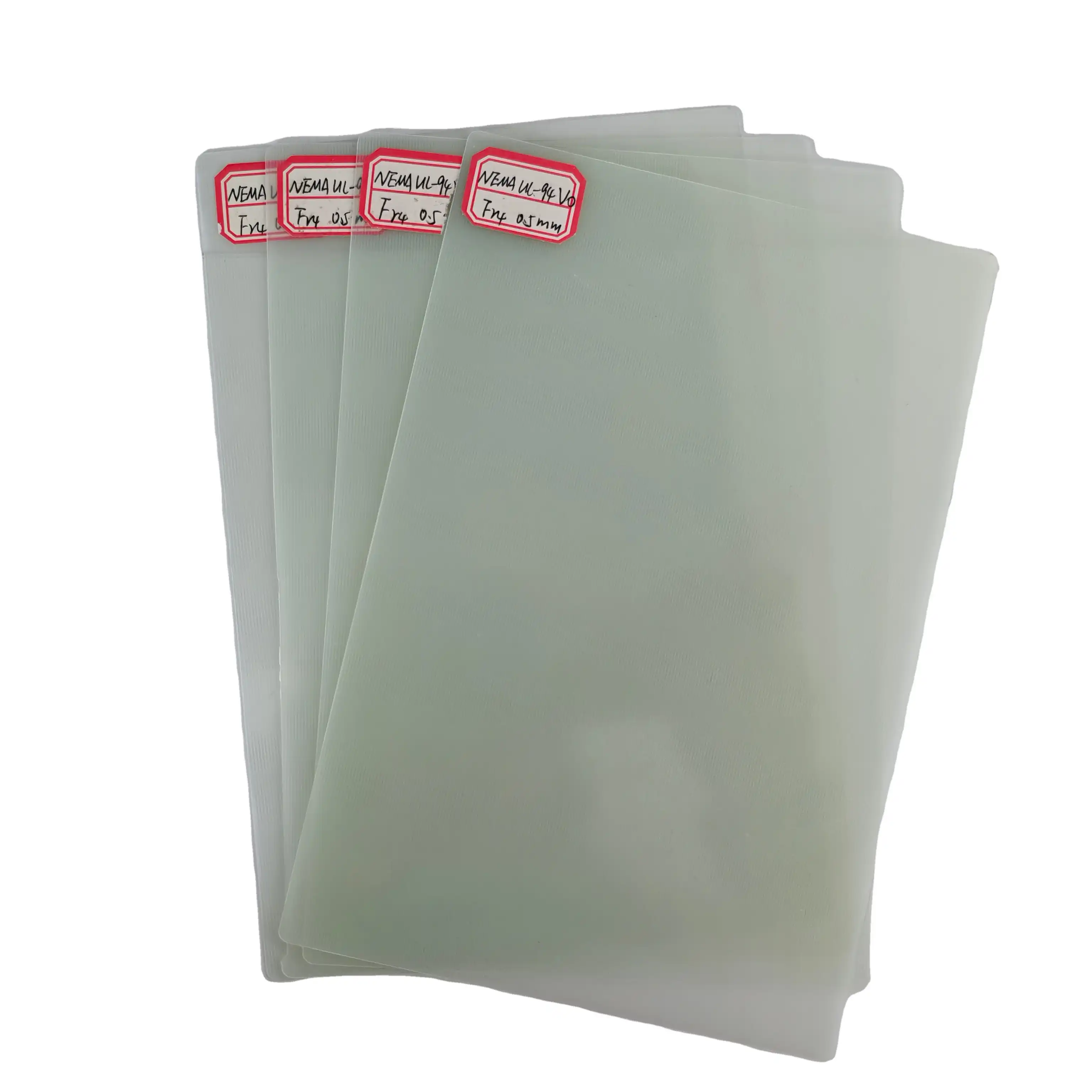
Both G10 fiberglass sheets and FR4 sheets are made of glass cloth and epoxy resin, but the glass weave density and resin makeup are different. Flame-retardant additives in FR4 make it the best choice for PCB uses, while G10 fiberglass sheet is stronger and more resistant to chemicals. G10 fiberglass sheet is better for structural parts inside the nacelle because it lasts longer under constant mechanical loads. On the other hand, FR4 is better for electrical mounting panels inside the nacelle where flame protection is most important.
G11 and Higher-Temperature Alternatives
G11 fiberglass laminates use epoxy systems that can handle higher temperatures, which improves their thermal performance over G10 fiberglass sheet's. Applications involving high temperatures that last for a long time, like installing a turbine close to an engine, may require G11 standard. But because G11 materials are more expensive, G10 fiberglass sheet is the better choice for regular nacelle structural uses where temperatures stay in the normal range. The best material to use is chosen after careful thermal research during the design part.
Carbon Fiber Composites Comparison
Carbon fiber reinforced materials are good for aircraft uses because they are strong for their weight. But wind turbine nacelles need electrical protection that carbon fiber can't provide because it is a conductor. G10 fiberglass sheets get around this problem while still providing good mechanical performance at a much lower cost. Because of this, epoxy glass laminates are the best way for engineers to balance performance and cost for most core structural parts.
Phenolic Laminates Evaluation
Another option is phenolic cotton laminates, which have good mechanical qualities and don't catch fire easily. However, phenolic materials are not as good at resisting water and having high dielectric strength when compared to G10 fiberglass sheets made from epoxy. Because phenolic resins absorb water, they are less reliable in humid nacelle environments where G10 fiberglass sheet works best. For these reasons, epoxy fiberglass is the best choice for important structural insulation uses.
Procurement Guide: How to Source High-Quality G10 Fiberglass Sheets for Wind Turbine Nacelle Projects
Critical Specifications and Standards
When looking for G10 fiberglass sheet materials, you need to pay attention to a number of standard factors. Tolerances in thickness affect how well parts fit together and how the load is distributed. Accuracy within ±0.1mm makes sure that the assembly gaps are correct. The sheet's measurements must be able to handle CNC cutting with little waste. Certification standards include UL recognition and RoHS compliance. This is especially important for turbine makers that sell to customers in North America and Europe, where following the rules is the law.
Supplier Qualification Criteria
Evaluating suppliers is the first step in building trusting buying partnerships. Look for companies that have regular quality systems that are backed by ISO standards. The production capability review should make sure that the company has the capacity to handle large orders on time for the project. The availability of technical support makes sure that engineering teams can get help with handling G10 fiberglass sheet materials and using them. Custom size and precision cutting services from suppliers make manufacturing processes more efficient by sending parts that are already put together.
Logistics and Delivery Considerations
The supply of materials has a direct effect on project plans. Suppliers who keep enough goods on hand keep production from being held up, and suppliers who offer flexible shipping terms can work with changing project schedules. Clear communication about wait times lets procurement experts schedule the coming of G10 fiberglass sheet materials with production milestones. Working with providers that offer combined logistics makes sending more manageable, especially for foreign deliveries that need customs paperwork and knowledge of freight management.
Volume Pricing and Long-Term Agreements
Through volume savings, bulk buying tactics lower the cost per unit. When you involve sellers early on in the planning stages of a project, it's easier to negotiate prices and make sure you have enough G10 fiberglass sheet materials. Long-term supply deals help ongoing turbine production projects by locking in good prices and making sure materials are available for manufacturing schedules that span several years. These partnerships offer stable purchasing, which is helpful for budgeting and betting on wind energy projects.
Technical Applications and Best Practices for Working with G10 Fiberglass Sheets in Nacelle Manufacturing
Precision Machining Techniques
G10 fiberglass sheet laminates work well with standard cutting techniques that use carbide tools. With CNC cutting, mounting holes and component connections can be made with very small errors. Careful feed rates are needed during drilling to keep the exit points from delaminating. Backing boards help finish holes cleanly. Water-based coolants keep the temperature down while cutting and flush out dust that could affect the accuracy of the measurements. Maintaining the sharpness of tools stops edges from breaking, which lowers the quality of the parts.
Assembly and Integration Methods
Using the right bonding methods will make sure that the solid links between G10 fiberglass sheet parts and nearby materials last for a long time. When epoxy bonds are used with the laminate resin system, they make parts that are strong, last a long time, and don't peel. Using stainless steel gear for mechanical fastening makes it possible to take parts apart for servicing access. With thread inserts, fasteners don't come loose when they're vibrated, so links stay strong for the life of the product. When torque specs are correct, over-compression is avoided, which could lead to localized stress concentrations.
Maintenance and Inspection Protocols
Inspections done on a regular basis find possible problems before they happen. A visual inspection can find surface cracks, delamination, or mechanical wear that means the G10 fiberglass sheet item needs to be replaced. Electrical testing makes sure that the insulation stays in good shape and that the insulating properties stay within the acceptable range. By keeping track of inspection data across groups of turbines, wear trends can be found that help with planning preventative maintenance. These proactive methods cut down on unexpected downtime and make the best use of schedules for replacing parts.
Conclusion
For supporting the structure of wind turbine nacelles, G10 fiberglass sheet has been shown to work well. It is a cost-effective industrial material that is strong, doesn't conduct electricity, and lasts a long time. Its performance in tough operating conditions meets important needs for power production infrastructure and gives buyers benefits by being readily available and having low prices. G10 fiberglass sheet laminates offer the technical performance and lifetime value needed for successful turbine manufacturing programs. They are perfect for engineering teams and procurement specialists looking for reliable materials for next-generation wind energy projects.
FAQ
Can G10 fiberglass withstand outdoor humidity in turbine nacelles?
Because it is made of epoxy glue and a tight weave of glass cloth, G10 fiberglass sheet is very resistant to water. The material doesn't soak up a lot of water, even after being exposed to humid conditions for a long time, which is common in ocean and coastal wind sites. This feature means that it keeps its mechanical strength and dielectric performance over time. This makes it a great choice for nacelle settings where controlling moisture is hard for other materials.
How does G10 compare to carbon fiber for weight and strength?
It is true that carbon fiber alloys are stronger for their weight, but G10 fiberglass sheet is a much cheaper material that works well enough for most nacelle structural uses. The main difference is in how the materials transfer electricity. G10 fiberglass sheet protects delicate devices by insulating them, while conductive carbon fiber can be dangerous. This mix of enough mechanical strength, electrical safety, and low cost makes G10 fiberglass sheet the realistic technical choice for wind turbine structural parts.
Are custom sizes and shapes available for specific nacelle designs?
Manufacturers often offer G10 fiberglass sheet pieces in unique sizes, and they can also do precise machining to make parts that exactly match the design requirements. This ability to customize lets different turbine types use different nacelle designs. CNC machining services make holes, cutouts, and edge shapes based on engineering models. This cuts down on the need for in-house manufacturing, speeds up assembly times, and makes sure that the dimensions are correct.
Partner with J&Q for Reliable G10 Fiberglass Sheet Supply
For more than 20 years, J&Q has been making insulation materials. They bring this experience to wind energy projects along with the specialized export skills they've gained through many years of working with other countries. As a well-known provider of G10 fiberglass sheets, we know exactly what nacelle makers need, from thickness limits to certification compliance and reliable delivery. Our combined logistics services make shipping planning easier, which gets rid of the problems in the supply chain that cause production plans to slip. Engineering teams get a lot of professional help, like advice on choosing materials, how to machine them, and how to use them. Competitive bulk prices and flexible order terms help procurement experts with both prototype development and high-volume manufacturing projects. Get in touch with us at info@jhd-material.com to talk about your unique nacelle component needs and find out how our G10 fiberglass sheet products can help you make better wind turbines.
References
Davis, M. & Thompson, R. (2021). Advanced Composite Materials in Renewable Energy Applications. Industrial Materials Press.
National Electrical Manufacturers Association. (2020). NEMA Standards Publication LI 1-2020: Industrial Laminated Thermosetting Products.
Eriksen, K., Hansen, L., & Nielsen, P. (2022). "Material Selection for Wind Turbine Nacelle Structures: Performance and Cost Analysis." Journal of Wind Energy Engineering, 18(3), 245-267.
Chen, W. & Anderson, J. (2023). Fiberglass Composites: Engineering Properties and Industrial Applications. Technical Publishing International.
European Wind Energy Association. (2021). Wind Turbine Component Material Standards and Best Practices Guide.
Martinez, S., Rodriguez, A., & Kim, H. (2022). "Electrical Insulation Performance of Composite Laminates in Offshore Wind Applications." Renewable Energy Materials Review, 29(4), 412-434.

_1753952475136.jpg)
