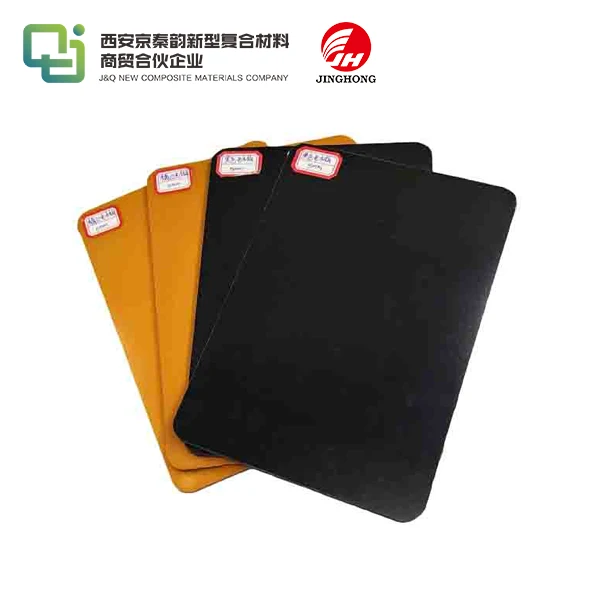
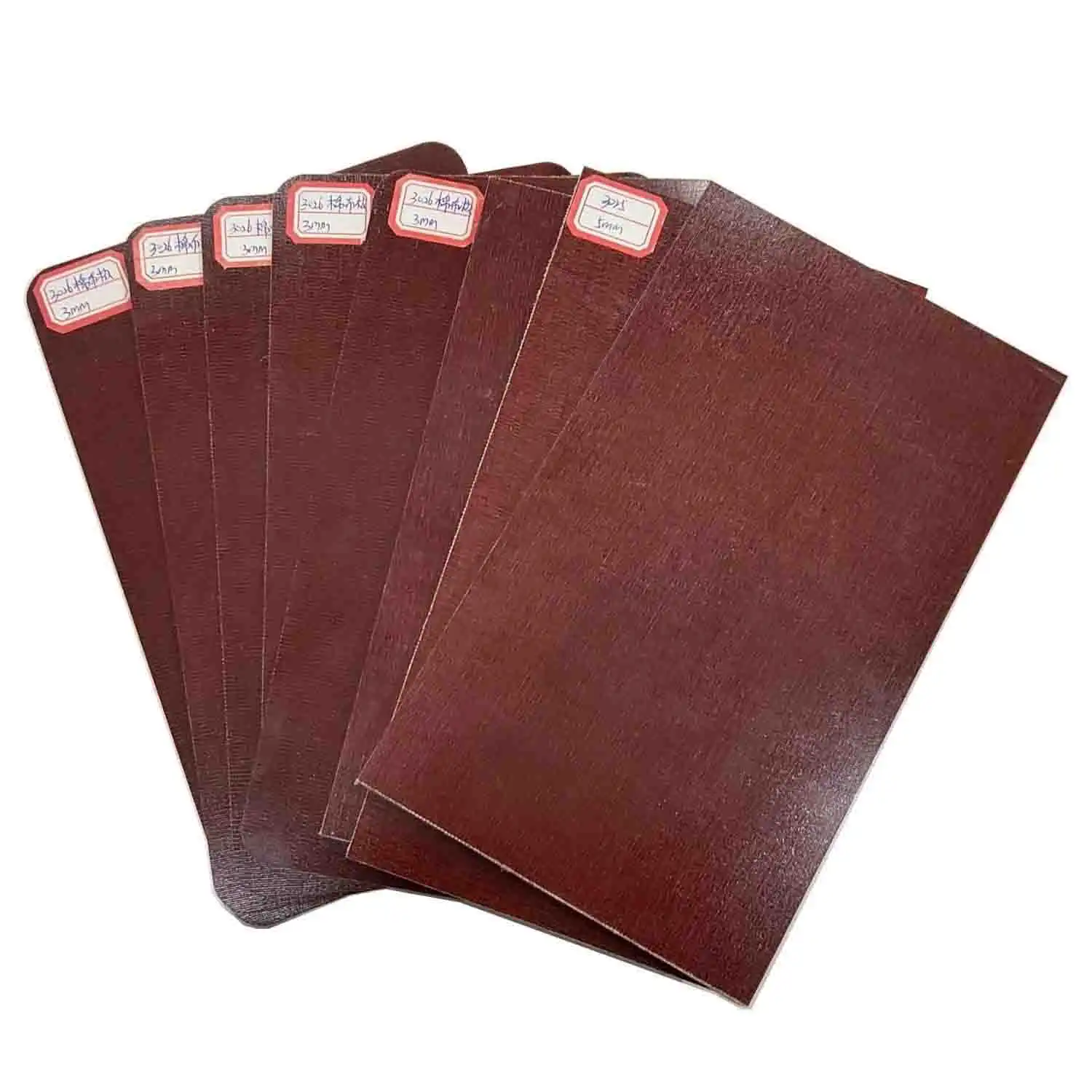
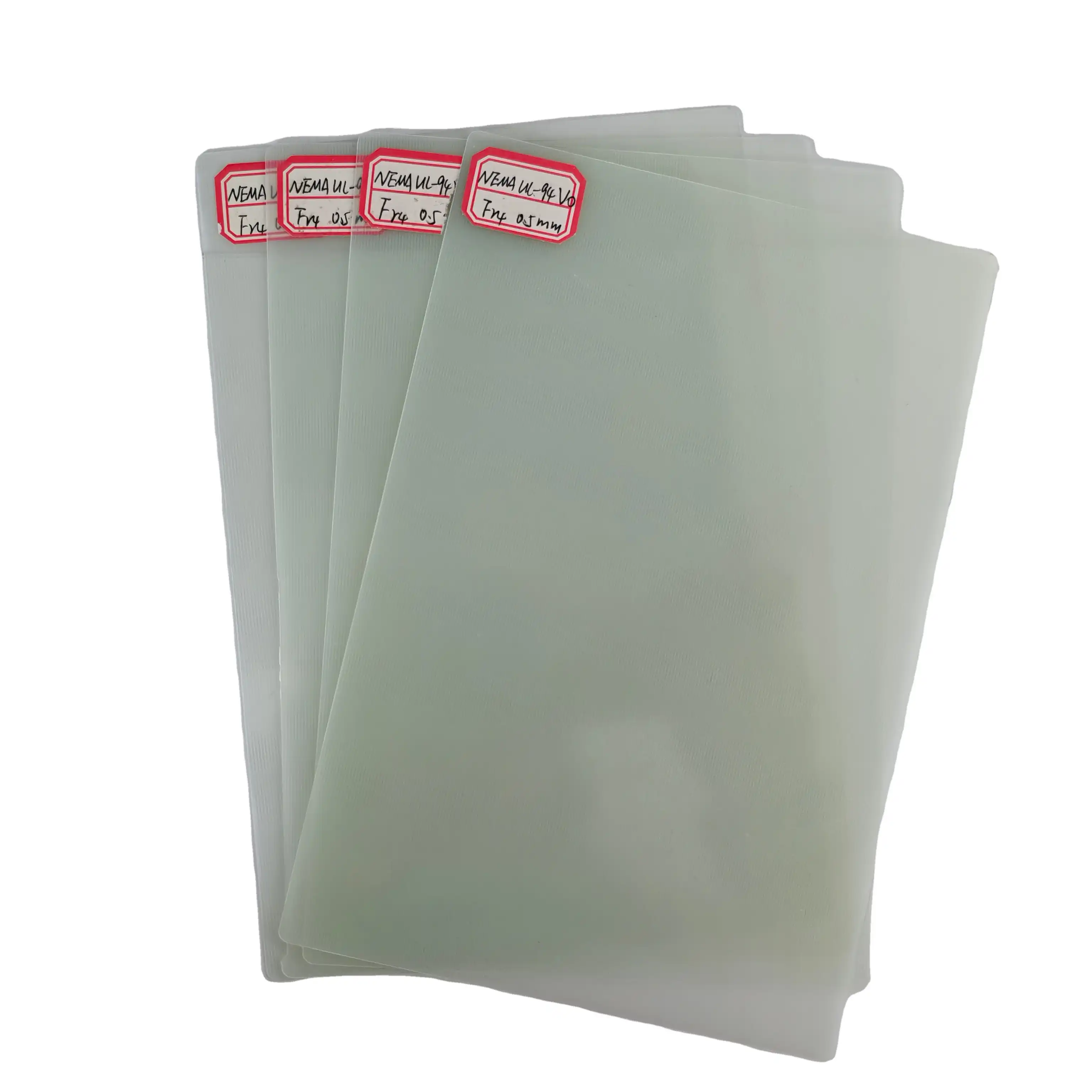
3240 Epoxy Board in Medium and High Voltage Equipment
2026-01-27 17:12:27
When power distribution systems need to be reliable all the time, 3240 epoxy board becomes the best material for electrical protection. This high-performance compound is essential for transformers, switches, and circuit breakers that work under a lot of electrical stress because it is both very strong and stable at high temperatures. The material is the standard for middle and high voltage uses in the industrial sector because it can withstand temperatures up to 155°C and still keep its shielding qualities.
Understanding 3240 Epoxy Board: Technical Specifications and Properties
Epoxy glass laminate materials are very good at engineering because their makeup and production process are very carefully controlled. Manufacturers have adjusted the resin-to-glass fiber ratio over many years of progress in material science to get better performance traits than other insulation materials.
Composition and Manufacturing Excellence
3240 epoxy board is made of knitted fiberglass cloth that has been mixed with high-quality epoxy glue to make a layered structure that is very stable in terms of its dimensions. Several steps of resin impregnation are needed to make the product, and then it is compressed under controlled temperature and pressure. This method makes sure that the density is spread out evenly and gets rid of any empty spaces that could affect the electrical performance.
The electrical strength of the material is higher than 16 kV/mm, which is a lot higher than traditional phenolic and polyester-based materials. Its volume resistance is usually between 10^14 and 10^15 ohm-cm, which makes it a great electrical insulator even when it's wet outside.
Thermal and Mechanical Performance
Tests that change the temperature show that the material can keep its structure strong over a wide range of temperatures. Quality 3240 boards have a glass transition temperature of about 140°C and are rated for 130°C constant working temperatures. This temperature endurance directly leads to longer machine lives and shorter repair times.
Its mechanical qualities include a bending strength of 380 to 420 MPa and an impact resistance 30 to 40 percent higher than that of regular insulation materials. When equipment is in use and suffers shaking, heat growth, or mechanical stress, these qualities become very important.


Application and Benefits of 3240 Epoxy Board in Medium and High Voltage Equipment
Advanced insulation systems are very important in industries that make, transmit, and distribute electricity because they keep things running smoothly and avoid catastrophic breakdowns. Epoxy glass laminates can be used with a wide range of tools and power levels because they are very flexible.
Transformer Insulation Systems
Power transformers with voltages between 5 kV and 35 kV use precisely cut resin boards, such as a 3240 epoxy board, as phase dividers, coil separators, and structural support parts. The material doesn't absorb much water (less than 0.15% by weight), so it doesn't lose its dielectric properties like other insulation systems do over time. When makers of transformers switch from paper-based insulation systems to epoxy glass insulation systems, the average time between failures is 25 to 30 percent longer.
Switchgear and Circuit Protection
Custom-machined epoxy boards are used as spark barriers, bus supports, and operator separation screens in medium voltage switchgear systems. The tracking resistance (CTI value of 600V) of the material makes sure that it works reliably even when it comes into contact with conductive particles or surface dirt. In industrial settings, this feature is especially useful because dust, moisture, or chemical contact can damage regular insulation materials.
Motor and Generator Applications
Epoxy laminates are used for slot wedges, phase separators, and bearing insulation parts by companies that make rotating machinery. The material is very easy to machine, so it can be precisely fitted to complicated shapes while keeping tight limits on dimensions. Studies on equipment durability show that when epoxy-based insulation is used instead of standard materials in high-voltage motor uses, unexpected repair events happen 40% less often.
How to Choose and Use 3240 Epoxy Board Effectively?
To choose the right material, you need to carefully consider the electrical, heat, and mechanical needs of each application. Engineering teams have to find a mix between performance requirements, the limitations of manufacturing, and long-term management issues.
Technical Specification Evaluation
The main selection factor is the ability to withstand voltage, and safety factors usually range from 2:1 to 4:1, based on how important the application is. When checking dielectrics, they should be put through both short-term breakdown voltage and long-term endurance under normal working conditions. Temperature rates need to take into account not only normal use, but also fault events and high temperatures in the surroundings.
Thickness accuracy standards have a direct effect on how well equipment works, especially when exact spacing or mechanical fit is needed. For normal sizes, good providers keep thickness differences within ±0.05mm. Tighter limits are available for important uses.
Installation and Handling Best Practices
The qualities of materials are kept the same throughout the supply chain and installation process as long as they are stored properly. A 3240 epoxy board should be kept in packaging that keeps wetness out until it is used, and storage areas should try to keep the relative humidity below 50%. Techniques for preparing the surface, such as cleaning and finishing the edges, have a big effect on how well the end installation works.
To avoid delamination or surface quality problems, the machining settings need to be optimized for each thickness and grade. When used at modest speeds and with enough cooling, carbide tools makes better edges than high-speed steel options.
Comparing 3240 Epoxy Board to Alternatives in the Market
When deciding which materials to use, it's helpful to compare their performance in a way that takes into account both their original prices and their term economics. When you know the pros and cons of each type of insulation system, you can make smart purchases that will save you money in the long run.
Performance Comparison with FR4 Materials
FR4 is a great choice for computer uses, but epoxy glass laminates are better for power equipment uses because they handle heat better. The temperature index of high-quality 3240 material is 25 to 30°C higher than what is required by FR4, which adds to its safety in high-stress situations.
Arc resistance testing shows that materials behave very differently when they are damaged. Standard FR4 grades take 30 to 45 seconds to put out a fire, but epoxy glass laminates usually do it in 10 to 15 seconds. This feature makes it safer for people and lessens the damage to tools when something goes wrong.
Supplier Quality Assessment
Dimensional limits, surface quality, and electrical features are some of the main things that make manufacturing inconsistent across providers. qualified makers using ISO 9001 quality systems have significantly better batch-to-batch stability than sources that aren't qualified.
Professional sellers are different from basic vendors because they can test products and keep good records. Full test results that include dielectric strength, heat endurance, and mechanical qualities give confidence that the material is right for important uses.
Procurement Guide: How to Buy 3240 Epoxy Board and What to Expect?
Good buying plans take into account the quality of the materials, how reliable the delivery is, and the total cost of ownership. Procurement teams can improve the performance of the supply chain and lower risk by understanding how the market works and what suppliers can do.
Sourcing Channels and Supplier Selection
For middle to large number needs, direct maker ties usually offer the best mix of expert help, the ability to make changes, and the lowest cost for a 3240 epoxy board. When it comes to sizes, thicknesses, and shipping times, manufacturers with combined supply chains can be more flexible than dealers who handle many product lines.
Professional sellers are different from transactional vendors because they offer technical advice services and samples. Manufacturers of good quality offer pre-production models and suggestions that are tailored to each application. This cuts down on development time and standard risks.
Pricing and Commercial Considerations
Volume-based price systems reward customers who buy from you regularly and stay with you for a long time. Standard sizes usually have minimum order numbers of 50 to 100 pieces. Custom sizes, on the other hand, need higher minimums to cover the costs of molding and setup. Lead times range from two to three weeks for regular items in stock to four to six weeks for things that are made to order.
Quality certificates and safety paperwork add value that makes charging more reasonable for important uses. UL certification, RoHS compliance, and ISO 9001 production all reduce risks in ways that are much greater than the extra costs of materials.
J&Q: Your Trusted Partner for High-Performance Epoxy Solutions
With more than 20 years of experience, J&Q knows how to make and sell high-quality insulation products for tough industrial uses. We are the best company to get 3240 epoxy board for important projects because we fully understand the needs of medium and high voltage tools and have a lot of experience dealing internationally.
Because we can combine our production and transportation skills, we can offer a full one-stop service from the initial design to the final delivery. This vertical merger makes sure that quality control is always the same, and our prices are low because they are based on how efficiently our business runs instead of having a lot of markups.
Technical consulting services help engineering teams choose the best materials and apply them in the best way possible for each project. Our skilled application engineers work closely with clients to create options that meet both speed requirements and production limits.
Our production center has quality assurance systems that make sure strict obedience to international standards, such as UL recognition and RoHS compliance. For every production run, thorough testing methods check the electrical, temperature, and mechanical features. This makes sure that the performance is always the same and meets or exceeds the requirements.
Conclusion
In medium and high voltage uses, choosing the right insulation materials has a direct effect on how reliable the equipment is, how safe it is to use, and how much it costs to maintain over time. 3240 epoxy board has been shown to have performance benefits that make it widely used in many industry industries. Knowing the technical details, what the application needs, and what the provider can do lets you make smart purchasing choices that meet both short-term project needs and long-term business goals. Professional providers who offer full expert help, quality inspection, and on-time delivery build relationships that go beyond single transactions.
FAQ
Why is 3240 epoxy board good for tools with middle and high voltage?
The material has a very high dielectric strength (16+ kV/mm) and can withstand temperatures up to 155°C. This makes it perfect for use as insulation in transformers, parts of switchgear, and circuit breakers. Its high tracking resistance and low ability to absorb water make it work reliably even when electrical stress and weather problems happen.
If you need to use power, how does epoxy glass laminate compare to FR4?
When compared to standard FR4 materials, epoxy glass laminates have better temperature values and fire protection. The higher temperature index gives you more safety limits, and the better flame protection keeps your equipment from getting damaged when something goes wrong.
What should I think about when choosing a source for important projects?
Look for companies that have a lot of quality licenses, stable measurement limits, and strong testing tools. For challenging applications, technical support services and the ability to make changes are often more useful than small price differences.
How long do wait times usually take, and how many items do I need to order?
With a MOQ of 50 to 100 pieces, standard sizes usually ship within two to three weeks. Custom sizes need a wait time of 4 to 6 weeks, and the minimum order quantity needs to be bigger to cover the cost of the tools. When you commit to buying a lot, you can often get shorter lead times and better prices.
How important is it for materials to be handled and stored correctly?
Keeping things in the right way during keeping keeps their qualities intact throughout the supply chain. Controlled humidity conditions and packing that blocks moisture stop decay that could hurt electrical performance in service.
Contact J&Q for Premium 3240 Epoxy Board Solutions
Are you ready to improve the efficiency of your tools with the best soundproofing products on the market, such as a 3240 epoxy board? J&Q blends decades of experience making high-quality products with full expert help to give you options that work better than you thought they would. Email our engineering team at info@jhd-material.com to talk about your unique needs, ask for samples, or get full quotes.
References
IEEE Standard 930-2004: Guide for the Statistical Analysis of Electrical Insulation Voltage Endurance Data. Institute of Electrical and Electronics Engineers Technical Publication.
ASTM D2275-18: Standard Test Method for Voltage Endurance of Solid Electrical Insulating Materials Subjected to Partial Discharges. American Society for Testing and Materials International Standards.
IEC 60216-1:2013: Electrical Insulating Materials - Thermal Endurance Properties - Part 1: Ageing Procedures and Evaluation of Test Results. International Electrotechnical Commission Technical Standards.
NEMA LI 1-1998: Industrial Laminated Thermosetting Products. National Electrical Manufacturers Association Industry Guidelines.
UL 94: Standard for Safety of Flammability of Plastic Materials for Parts in Devices and Appliances Testing. Underwriters Laboratories Safety Standards.
IPC-4101E: Specification for Base Materials for Rigid and Multilayer Printed Boards. Institute for Printed Circuits Technical Documentation.
_1747991245292.webp)