Best Tools for Processing Bakelite Boards
2026-01-26 17:20:49
When looking for the best tools for working with Bakelite boards, accuracy and fit with the material become the most important things to think about. Specialized tools are needed to work with bakelite board materials because they have special heating properties, electrical insulation properties, and mechanical power. Cutting tools with carbide tips, diamond-coated drill bits, and CNC machine centers that are specifically tuned for phenolic materials are the best tools to use. These tools make sure that cuts are clean, that materials don't crack, and that the measurements stay accurate, which is important for electrical and commercial uses.
Understanding Bakelite Boards and Their Processing Challenges
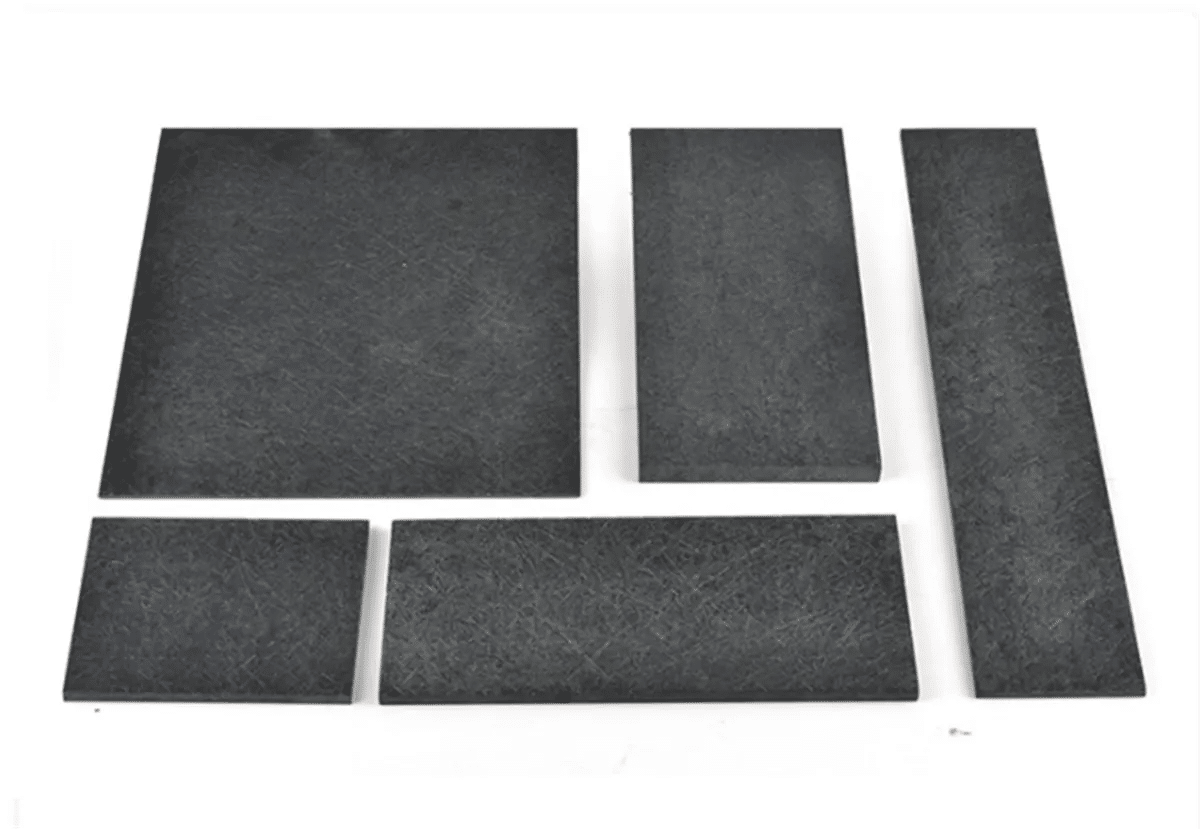
Bakelite boards are one of the most useful thermosetting plastics because they can be used in a lot of different fields, from electronics to cars. The phenolic resin-based materials are very good at insulating electricity, withstanding heat up to 150°C, and keeping their shape even when the environment changes. Due to its unique chemical structure, bakelite presents both possibilities and difficulties during processing.
Material Composition and Variants
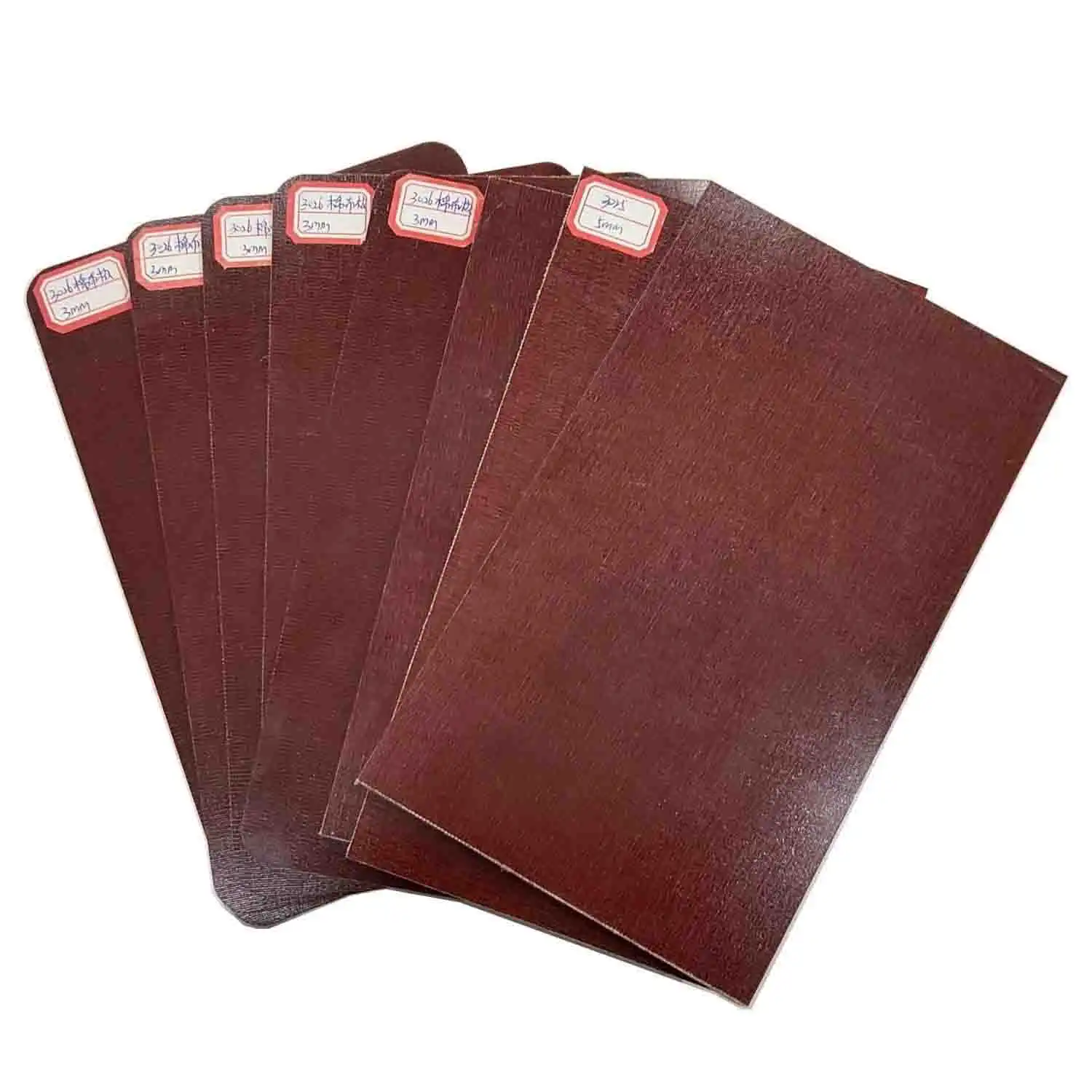
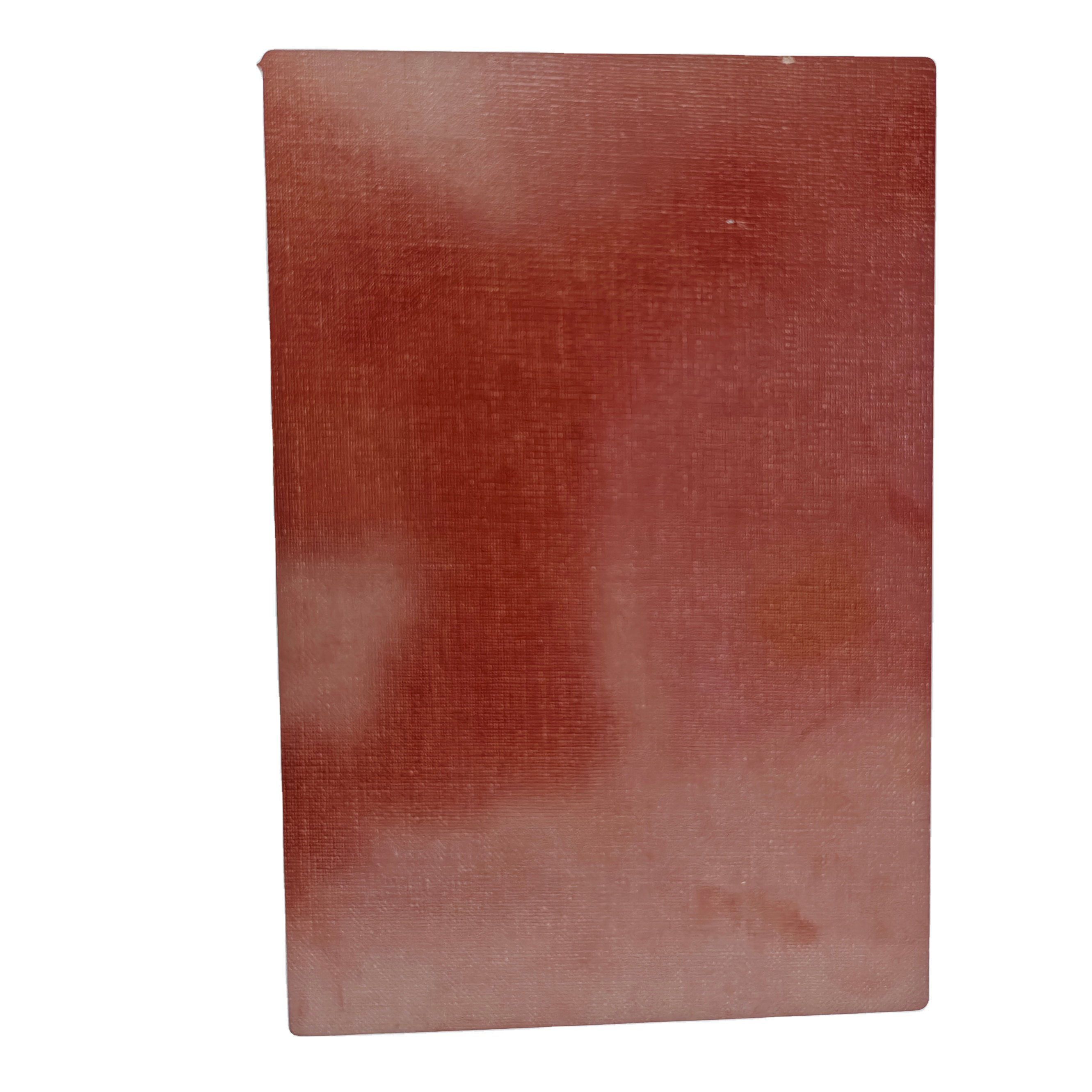
Phenolic cotton cloth laminates, which are also called bakelite boards, are made up of layers of cotton fabric that have been saturated with phenolic resin. High-pressure casting at high temperatures is used in the production process to make a thick, uniform structure out of the material. There are different types of phenolic sheets, such as paper-based sheets for electrical uses and canvas-based sheets for parts that need to be stronger.
The density of the material is usually between 1.3 and 1.4 g/cm³, and its bending strength is between 110 and 140 MPa, based on the grade. These traits have a direct effect on the choice of tool and processing settings. When makers know these qualities, they can choose the right cutting speeds, feed rates, and cooling ways for machine processes.
Common Processing Difficulties
There are some technical issues with processing bakelite boards that need to be carefully thought through. Because the material is so fragile, the edges can chip when it is cut, especially if the tools used are dull or not right for the job. Another major worry is the production of heat during cutting, since high temperatures can break down plastic and change its shape.
When cutting and digging, dust is created, and effective cleaning devices are needed to keep the workplace safe. Because bakelite materials are rough, they wear down tools faster, so they need to be replaced often and the state of the cutting edge needs to be closely watched. Additionally, because the material tends to build up stress around holes and sides, it needs to be drilled and finished in a certain way.
Essential Tools for Cutting and Shaping Bakelite Boards
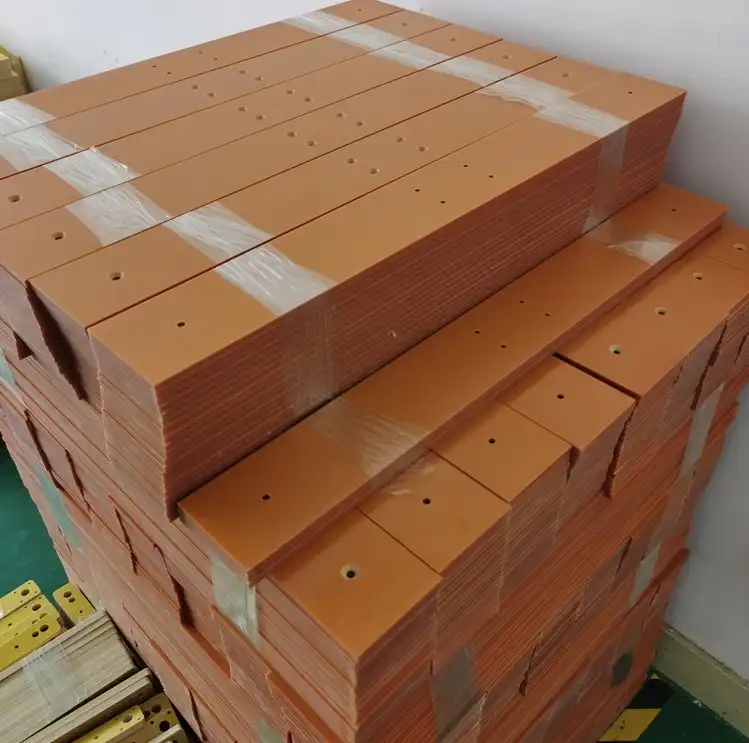
Choosing the right tools for cutting and making bakelite boards affects how well and how quickly they can be processed. These days, factories use a mix of old and new cutting technologies to get the best results for all kinds of production rates and level of accuracy needs.
CNC Routing Systems
Computer numerical control cutters with fast wheels can cut bakelite boards with great accuracy, even if they have complicated forms. The spinning speeds in these systems are usually between 15,000 and 24,000 RPM, which makes it possible to make smooth cuts while keeping heat levels low. Some of the best things about CNC routing are:
- Accurate control: key measurements can be made to within ±0.05mm of the true size
- Repeatability: Makes sure that results are the same during long production runs
- Complex geometries: It can handle complicated forms that can't be done by hand.
- Automation: lowers work costs and the chance of mistakes made by people
Custom bakelite parts for electrical panels, switchboard units, and precise mechanical parts can be made very well with CNC route tools. Because these systems are automatic, producers can keep quality high while cutting down on production time and waste.
Laser Cutting Technology
For thin to medium-thickness bakelite boards, laser cutting is the most precise way to do things. When used with phenolic materials, CO2 lasers with bands around 10.6 micrometers work best for absorbing energy. The focused heat source makes the kerf widths very small and the edges smooth and sealed, so they usually don't need much post-processing.
To keep the laser cutting settings from putting out too much heat and damaging the resin material, they need to be carefully optimized. Cutting speeds are usually between 5 and 25 mm/second, but this depends on the thickness of the material. The power settings are changed to keep the quality of the edges uniform. Laser cutting doesn't involve touching the material, so it doesn't put any mechanical stress on it, which could cause weak materials to crack.
Traditional Hand Tools and Power Saws
Standard cutting tools are still useful for smaller jobs and making changes in the field. Circular saw blades with 60 to 80 teeth and a carbide tip can cut Bakelite Board up to 25 mm thick cleanly. The high tooth count lowers the chip load per tooth, which makes it less likely that the material will break while it is being cut.
Band saws with bi-metal blades that have 10 to 14 teeth per inch can cut through bigger pieces easily. Blades that are properly tensioned and cut at modest speeds don't move, so cuts stay straight. Hand tools, like scoring knives and hacksaws with fine teeth, are used for specific tasks when making small fixes and changes.
Effective Drilling and Finishing Techniques
When drilling into bakelite boards, you need to use certain techniques to avoid common issues like delamination, cracking, and holes that aren't made well. When you choose the right tools, set the settings correctly, and use good techniques, you'll get the same results in all of your projects.
Specialized Drill Bit Selection
When compared to regular high-speed steel bits, carbide-tipped twist drills with sharp cutting edges work better. The shape should have a point angle of 118 degrees and polished flutes to make chip removal easier. For longer tool life when working with a lot of bakelite boards, diamond-coated drill bits are recommended, but the starting cost needs to be carefully considered.
To make exact holes without damaging the surface, step drills are the best tool for the job. These tools slowly make the hole bigger while keeping it perfectly centered and preventing exit burrs from forming. The various cutting edges spread the cutting forces more widely, which makes it less likely that the material will crack around the edges of the holes.
Optimal Drilling Parameters
Optimizing the drill's speed and feed rate keeps it from getting too hot and keeps the hole quality standards high. Most holes that are 3 mm to 12 mm in diameter are drilled at speeds between 500 and 1500 RPM. Higher speeds work better for smaller holes where heat is lost more quickly, while lower speeds work better for holes with a bigger depth.
Feed rates should stay low so that cutting forces aren't too high and cause the material to break. Feed rates should be between 0.05 and 0.15 mm per turn, but they should be changed depending on the size of the hole and the width of the material. Consistent chip removal through proper spindle spinning stops chip packing, which could cause the drill to break.
Surface Finishing Methods
To get a professional, smooth finish on Bakelite boards, you need to use the right abrasives and methods in a planned way. Starting with 120-grit aluminum oxide paper and ending with 400-grit for smooth areas is the right way to perform sanding operations.
Belt sanders and rotary sanders are good for quickly removing material from big surfaces. Hand sanding, on the other hand, gives you more control around edges and small details. Using water to cool down while sanding cuts down on dust production and keeps heat from building up, which could damage the surface quality. When you use carbide tools for edge cutting, you get clean, straight lines that are good for assembly work.
Optimizing Processing Efficiency and Quality Control
To keep quality standards high while increasing working speed, it's important to pay regular attention to tool upkeep, process tracking, and organizing the work area. When these things are done, production costs go down and product stability goes up.
Tool Maintenance and Management
Tools that are inspected and maintained on a regular basis don't break down unexpectedly, which slows down production. Before each shift, cutting tools should be looked at visually to make sure they are mounted correctly and that the edges aren't worn down. Carbide cutting edges usually stay sharp for 8 to 12 hours of constant use in bakelite materials before they need to be replaced or resharpened.
Keeping tools in an organized way keeps them from getting damaged and makes sure they are easy to find when they are needed. Climate-controlled storage places keep cutting edges from rusting and expanding when they get too hot. Tool life tracking devices help figure out how often to change tools and show you what kinds of working conditions make them wear out faster.
Quality Control Procedures
Using a wide range of quality control methods helps keep product standards uniform and finds ways to make the process better. At regular times during production runs, accurate measuring tools should be used for dimensional checking. Statistical process control charts help find trends before they cause goods to not meet specifications.
Checking the surface quality means looking for cracks, chips, and uneven finishes. For edge quality review, straightness, smoothness, and lack of delamination are the most important things to look for. Keeping track of quality measures helps with ongoing growth and makes sure that customer needs are met.
Dust Management and Safety
Fine particles are made when Bakelite board is processed. Good dust collection systems keep workers and equipment safe from these particles. When placed close to the cutting points, high-velocity, low-volume extraction systems catch particles before they can fly through the air. Filtration systems should have HEPA-grade screens that can get rid of particles as small as 0.3 microns.
Even when engineering controls work well, people still need to wear protective gear like dust masks, safety glasses, and hearing aids. Monitoring the air quality on a regular basis makes sure that pollution levels at work stay within accepted limits. Cleaning plans for equipment keep dust from building up, which could affect how well and accurately the machine works.
Company Introduction and Product Solutions
With more than 20 years of experience making things, J&Q is one of the best places to get high-quality bakelite boards and precise processing options. They work with a wide range of industries. Our wide range of products includes different types of phenolic laminate, each designed to meet the needs of a particular purpose, from electrical protection to mechanical parts.
Manufacturing Excellence and Quality Assurance
Our modern production sites use cutting-edge casting technologies and strict quality control systems to make sure that all of our product lines have the same material properties. Each bakelite board goes through a lot of tests, such as checking the dielectric strength, measuring the correctness of the dimensions, and making sure the mechanical properties are correct. These quality controls make sure that the product meets foreign standards like UL recognition and RoHS guidelines.
Using automatic handling systems and climate-controlled storage areas together keeps the purity of materials safe during the whole process of production and distribution. Statistical process control methods are part of our quality management system. These allow us to keep improving while still meeting the high standards needed for difficult industrial uses.
Customization and Technical Support
Because J&Q knows that modern production often needs unique solutions, they offer a wide range of customization options, such as non-standard widths, custom sheet sizes, and formulations that are made to work with specific applications. Our expert team works closely with clients to create the best solutions that meet their specific performance needs while still being cost-effective.
As part of engineering support services, material selection advice, handling suggestions, and help with fixing problems in difficult situations are all available. This way of working together makes sure that the implementation goes well while cutting down on development time and the chance of expensive production problems. Our dedication to client satisfaction goes beyond the original sale and includes ongoing expert support throughout the lifecycle of the product.
Conclusion
To successfully work with Bakelite boards, you need the right mix of specialized tools, well-trained skills, and good materials. Every choice you make about tools, from precise CNC planning systems to carefully chosen drill bits, affects the quality of the end product and how quickly it can be made. The key is to know what the material is made of, use the right working settings, and keep strict quality standards throughout the whole production process. Supplier partnerships that work well give you access to high-quality products and technical know-how that let you get regular results in a wide range of situations. It is possible for makers to get great results while keeping costs low in today's competitive business world if they follow known best practices and use the right technologies.
FAQ
What are the best tools for cutting through thick bakelite boards?
For bakelite boards that are thicker than 15 mm, circular saw blades with 60 to 80 teeth and a carbide tip work best. Band saws with bi-metal blades that have 10 to 14 teeth per inch can cut through thick pieces without the blade moving. When the spinning speed is right and the carbide tools are sharp, CNC machines can cut thick materials into complex forms with great accuracy.
How can I keep things from breaking while I'm drilling?
To keep cracks from appearing, you need to use drill bits that are sharp, properly ground, and have moderate cutting speeds and slow feed rates. Step drills are very useful because they gradually make holes bigger while spreading the cutting forces out equally. When you use backing plates and firmly support the material during breakthrough, you can avoid damage on the exit side that usually leads to breaking.
What safety measures should be taken when working with bakelite?
Effective dust collection devices, personal protection equipment like dust masks and safety glasses, and good ventilation to control flying particles are all important safety measures. Exposure amounts stay within safe limits by checking the air quality on a regular basis. Tool guards and regular machine repair keep people from hurting themselves when they use sharp cutting tools.
Which kinds of bakelite work best for electricity uses?
Paper-based phenolic laminates are great at insulating electricity and have a high dielectric strength, making them ideal for use in electrical panels and switches. Compared to mechanical grades, these grades usually have better tracking resistance and flame retardancy. Canvas-based versions are stronger mechanically, but they might not work as well electrically in high-voltage situations.
How do I pick between laser cutting and CNC routing?
CNC turning works best with thicker materials and tasks that need mechanical edge finishing. Laser cutting, on the other hand, is best for thin to medium-thick sheets that need exact, sealed edges. Laser cutting gives you better edge quality for artistic uses, while CNC turning saves you money when you need to make a lot of things. When making this choice, think about the width of the material, the needs for the edges, and the production amount.
Partner with J&Q for Premium Bakelite Board Solutions
J&Q offers top-notch Bakelite board options for commercial uses by combining decades of manufacturing experience with full technical support. Our wide range of products includes different types and special specs made to meet the tough performance needs of the electrical, automobile, and machinery industries. We offer reliable supply chain partnerships that help you reach your production goals thanks to our combined transportation skills and dedication to quality excellence. Get in touch with our expert team at info@jhd-material.com to talk about your unique needs and find out how our quality Bakelite board maker services can help your business.
References
Thompson, R.M. "Phenolic Resin Composites: Processing and Applications in Industrial Manufacturing." Advanced Materials Processing Journal, Vol. 45, No. 3, 2023.
Chen, L.K. and Williams, D.A. "Machining Parameters for Thermosetting Plastics: A Comprehensive Analysis." Manufacturing Technology Review, Issue 12, 2023.
Rodriguez, P.J. "Tool Selection and Optimization for Phenolic Laminate Processing." Industrial Engineering Quarterly, Vol. 28, No. 4, 2023.
Kumar, S.V. "Quality Control in Bakelite Board Manufacturing: Standards and Best Practices." Materials Science and Engineering Handbook, 8th Edition, 2023.
Anderson, M.T. "Safety Protocols for Processing Thermosetting Composites in Industrial Environments." Occupational Safety and Health Review, Vol. 31, No. 2, 2023.
Liu, H.X. and Brown, J.R. "Comparative Analysis of Cutting Technologies for Phenolic Materials." Precision Manufacturing Today, Vol. 19, No. 7, 2023.